Furnace Filter Size Chart
Maintaining a comfortable and healthy indoor environment relies heavily on your HVAC (Heating, Ventilation, and Air Conditioning) system. A crucial component of this system is the furnace filter. Choosing the correct size furnace filter is vital for its optimal performance and the air quality in your home.
Understanding Furnace Filters and Their Importance
A furnace filter's primary role is to trap dust, pollen, pet dander, and other airborne particles before they can circulate throughout your home. Think of it as the gatekeeper of your air quality, preventing these pollutants from entering your breathing space.
Beyond air quality, a properly sized filter also protects your furnace. Without a filter, or with a filter that's the wrong size, dust and debris can accumulate on the furnace components, leading to:
- Reduced efficiency: The furnace has to work harder to heat or cool your home.
- Overheating: Accumulated dust can insulate components, causing them to overheat.
- Costly repairs: Damaged components can lead to expensive repairs or even furnace replacement.
Decoding the Furnace Filter Size Chart
Furnace filters are available in a variety of sizes. Understanding how to read a furnace filter size chart and finding the correct size for your system is essential.
Where to Find Your Filter Size
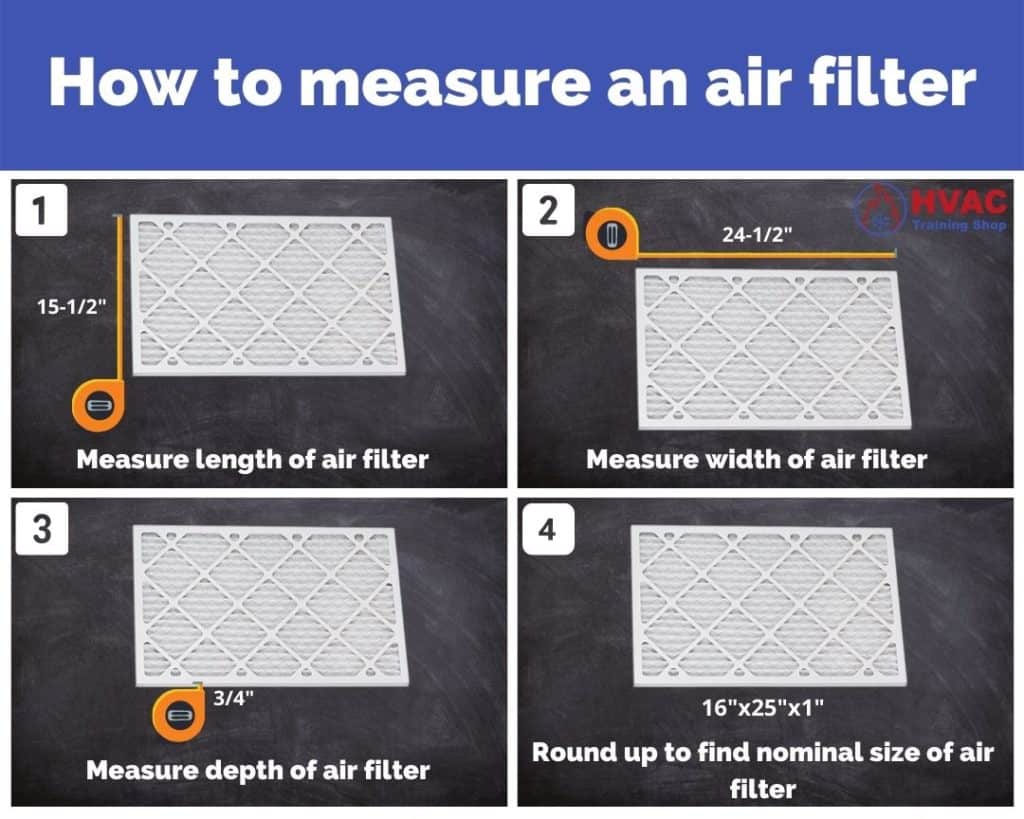
The most reliable place to find your filter size is on your current filter. Look for the dimensions printed on the filter's frame. These dimensions are typically listed in inches and appear in the format: Width x Height x Depth.
If you don't have an old filter, you can also check your furnace or air handler. Many units have a label or marking near the filter slot indicating the required filter size. Consult your furnace's owner's manual for specific recommendations.
Common Furnace Filter Sizes
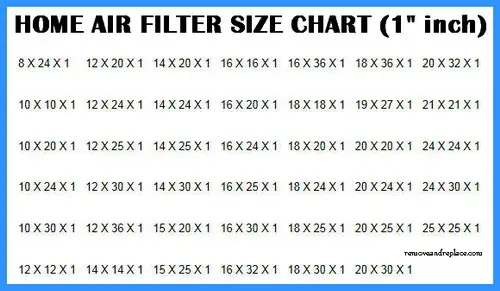
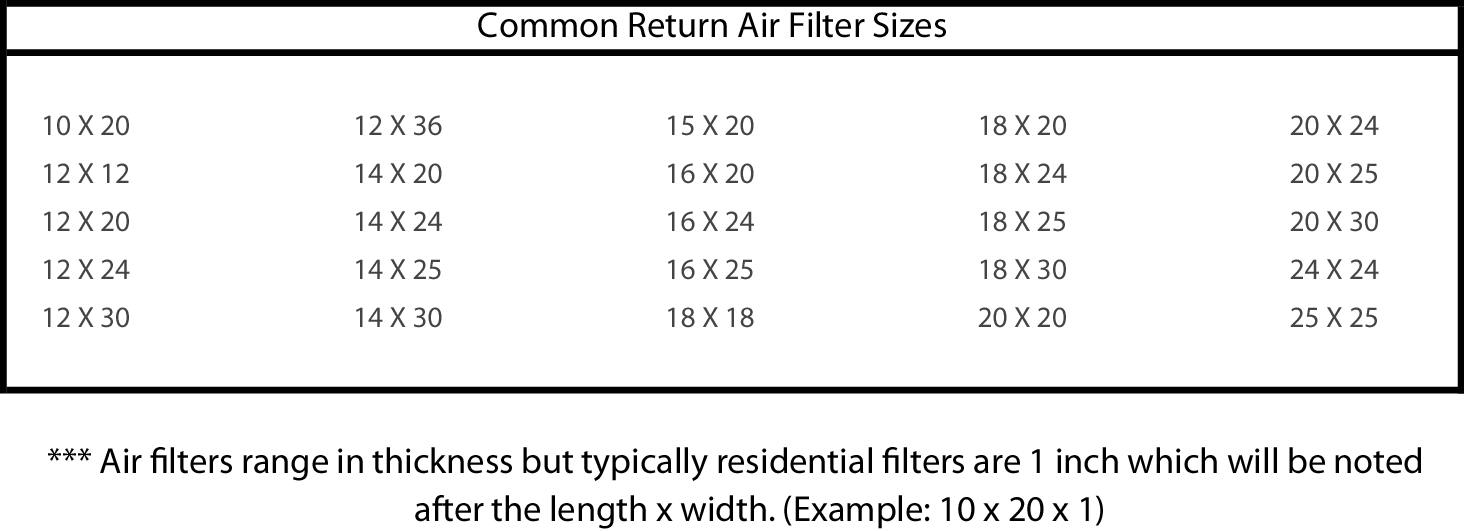
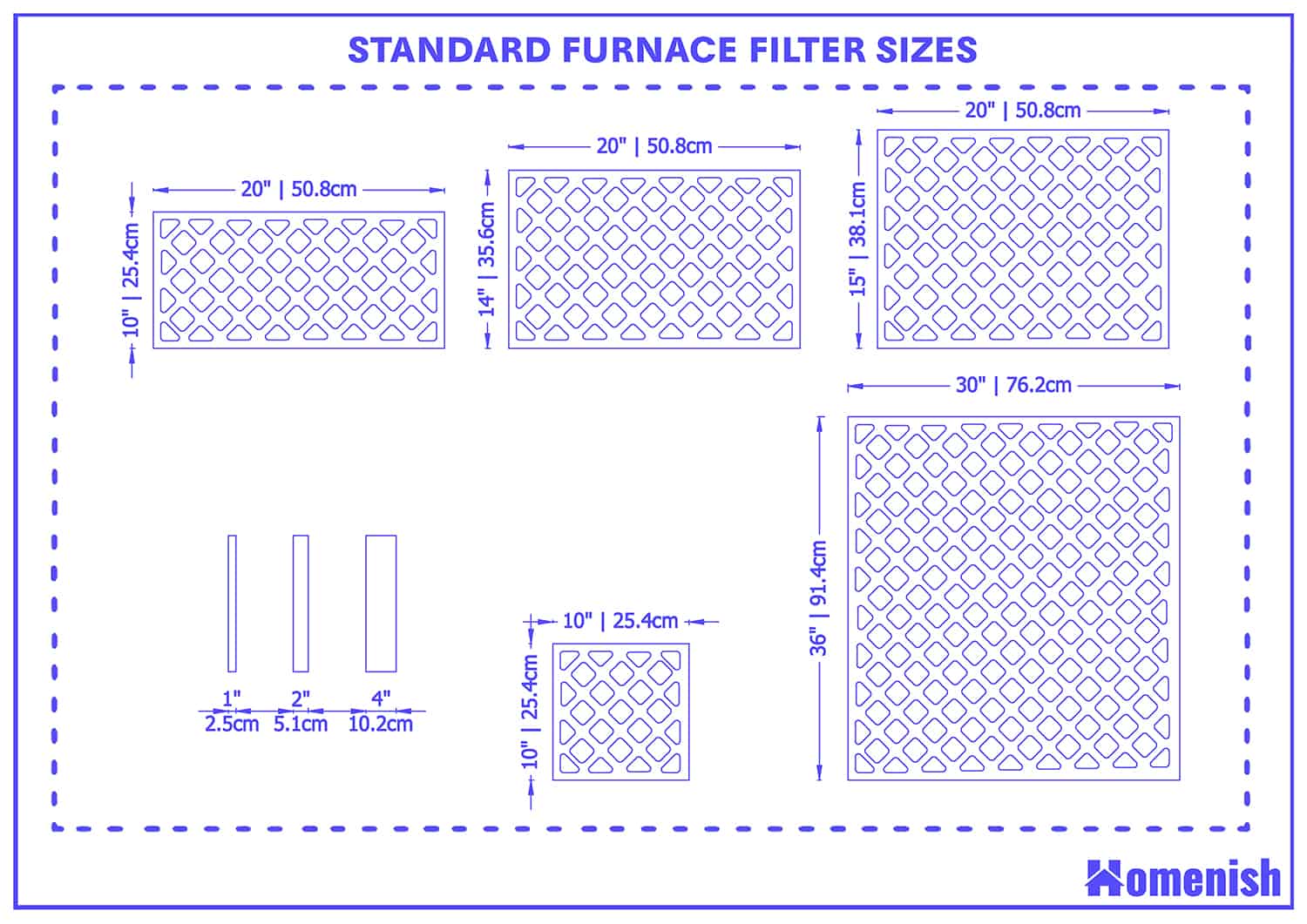
While there are numerous filter sizes available, some are more common than others. Here's a look at some of the most frequently used dimensions:
- 16x20x1 inches: A popular size for smaller furnaces and air handlers.
- 16x25x1 inches: Another common size, often used in residential systems.
- 20x20x1 inches: Suitable for medium-sized systems.
- 20x25x1 inches: A very common size, found in many homes.
- 14x20x1 inches: Used in smaller furnaces.
- 12x12x1 inches: Often found in window AC units or smaller HVAC systems.
- 20x30x1 inches: A larger size, used in bigger systems.
- 16x20x2 inches: A thicker filter, providing better filtration and longer lifespan.
- 20x25x4 inches: A thicker filter option for enhanced performance.
It's important to note that these are just a few examples. Your furnace might require a different size. Always verify the dimensions on your current filter or in your furnace manual.
Understanding Nominal vs. Actual Size
You might notice that the dimensions listed on the filter packaging (the nominal size) are slightly different from the actual measured size of the filter. This difference is usually small (around 1/4 to 1/2 inch) and is due to manufacturing tolerances.
For example, a filter labeled as 20x25x1 inches might actually measure 19.75 x 24.75 x 0.75 inches. Don't be alarmed by this small discrepancy. The nominal size is the one you should use when selecting a replacement filter.
Using a Furnace Filter Size Chart Effectively
While a simple list of sizes is helpful, a furnace filter size chart can provide more comprehensive information, including filter types and MERV ratings (more on that later).
A good chart will typically include the following information:
- Nominal Size: The standard size designation (e.g., 20x25x1).
- Actual Size: The precise measurements of the filter.
- Filter Type: (e.g., fiberglass, pleated, electrostatic).
- MERV Rating: A measure of the filter's efficiency.
Using a chart allows you to compare different filter options and choose the one that best suits your needs and budget.
Step-by-Step Guide to Using a Furnace Filter Size Chart
- Determine your required filter size: As described above, find the dimensions on your old filter or in your furnace manual.
- Locate the corresponding row on the chart: Find the row that matches your required nominal size.
- Compare filter types: The chart will list different filter types available in your size. Consider the pros and cons of each type (see below).
- Check the MERV rating: Choose a MERV rating that meets your air quality needs (see below).
- Select your filter: Based on your size, type, and MERV rating preferences, choose the appropriate filter.
Types of Furnace Filters
Furnace filters are made from various materials, each offering different levels of filtration and airflow.
- Fiberglass Filters: These are the least expensive type of filter. They primarily protect the furnace from large particles but offer minimal air filtration for your home. They have a low MERV rating (typically 1-4).
- Pleated Filters: Made from pleated paper or cloth, these filters offer better filtration than fiberglass filters and are a good balance of cost and performance. They have a higher MERV rating (typically 5-12).
- Electrostatic Filters: These filters use an electrostatic charge to attract and trap particles. They offer good filtration and can be either disposable or washable. MERV ratings vary.
- HEPA Filters: High-Efficiency Particulate Air filters are the most effective at removing airborne particles, capturing 99.97% of particles 0.3 microns or larger. However, they can restrict airflow and may not be suitable for all furnaces. MERV ratings are typically 17-20.
Understanding MERV Ratings
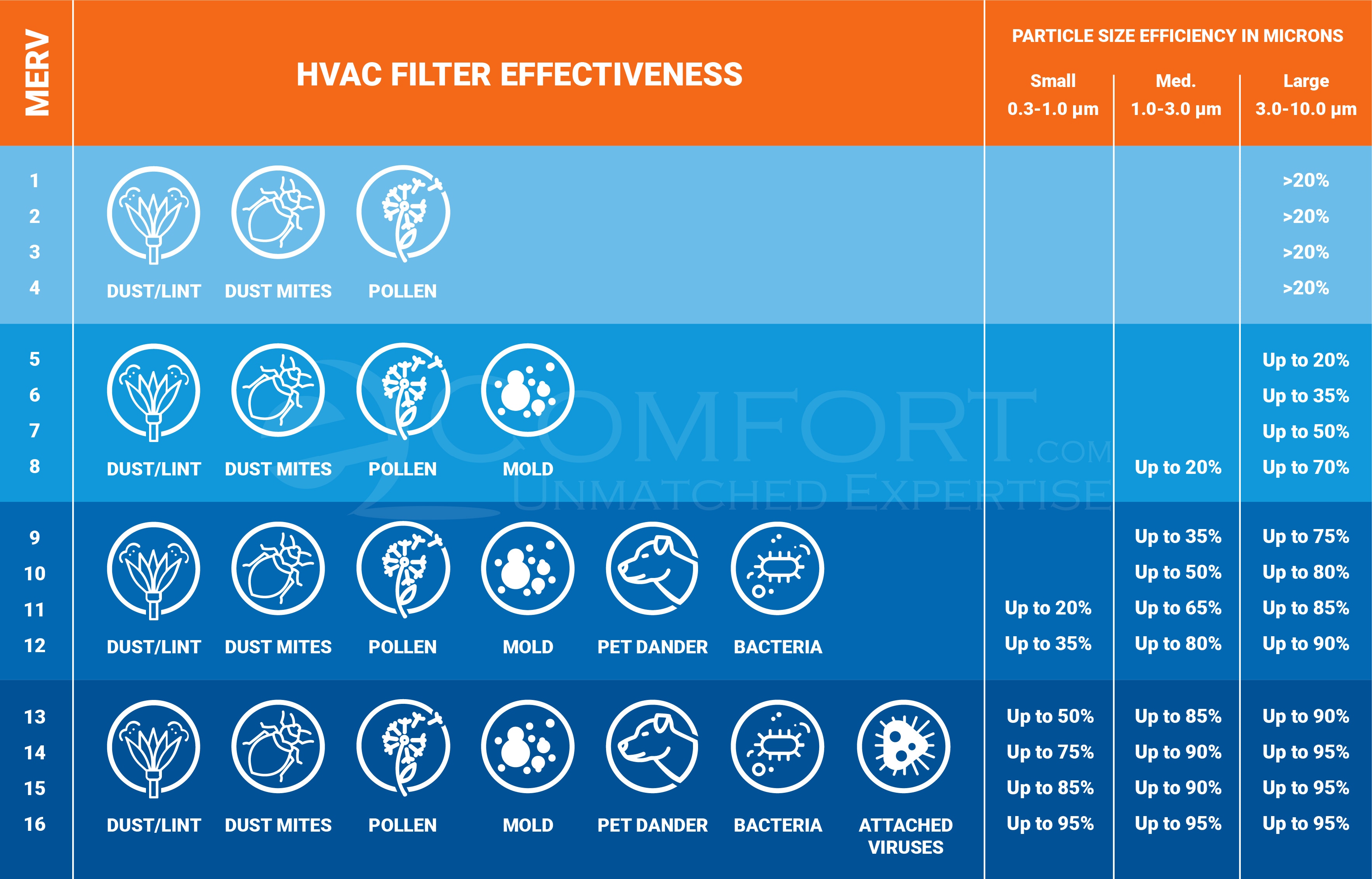
MERV stands for Minimum Efficiency Reporting Value. It's a rating that indicates how effectively a filter captures particles of different sizes. The higher the MERV rating, the more particles the filter can trap.
Here's a general guideline for MERV ratings:
- MERV 1-4: Captures large particles like dust and pollen. Suitable for basic furnace protection.
- MERV 5-8: Captures dust, pollen, pet dander, and some mold spores. Good for general home use.
- MERV 9-12: Captures smaller particles like bacteria, smoke, and smog. Suitable for homes with allergy sufferers or pets.
- MERV 13-16: Captures very small particles like viruses and fine smoke. Suitable for homes with severe allergies or respiratory problems.
- MERV 17-20: HEPA filters. Captures virtually all airborne particles. Often used in hospitals or clean rooms.
Choosing the right MERV rating is a balancing act. A higher MERV rating provides better air filtration, but it can also restrict airflow, making your furnace work harder. Consult your furnace manual or an HVAC professional to determine the appropriate MERV rating for your system.
What Happens If You Use the Wrong Size Filter?
Using a furnace filter that's the wrong size can lead to several problems:
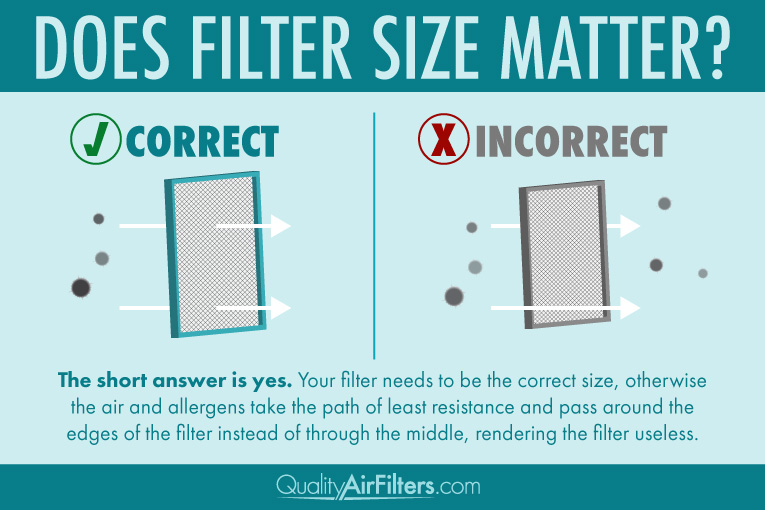
- Reduced airflow: A filter that's too small can allow air to bypass the filter, negating its effectiveness.
- Furnace damage: A filter that doesn't fit properly can allow dust and debris to enter the furnace, leading to overheating and component damage.
- Poor air quality: If air bypasses the filter, pollutants will circulate throughout your home.
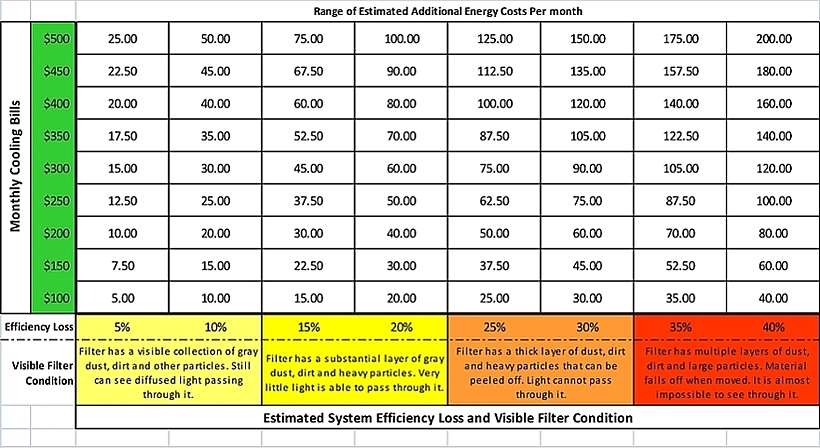
- Increased energy bills: A struggling furnace consumes more energy, leading to higher heating and cooling costs.
Always use the correct filter size as specified by your furnace manufacturer.
How Often Should You Change Your Furnace Filter?
The frequency of filter changes depends on several factors, including:
- Filter type: Thicker, higher-MERV filters generally last longer.
- Home environment: Homes with pets, smokers, or allergy sufferers may require more frequent filter changes.
- Furnace usage: Furnaces that run frequently will require more frequent filter changes.
As a general guideline:
- Fiberglass filters: Change monthly.
- Pleated filters (1-inch): Change every 1-3 months.
- Pleated filters (4-inch or 5-inch): Change every 6-12 months.
Inspect your filter monthly. If it looks dirty or clogged, replace it, even if it's before the recommended replacement time.
Tips for Choosing the Right Furnace Filter
- Consult your furnace manual: The manual will provide the most accurate information about the required filter size and recommended MERV rating.
- Consider your air quality needs: If you have allergies or pets, choose a filter with a higher MERV rating.
- Balance filtration with airflow: A higher MERV rating provides better filtration but can restrict airflow. Choose a filter that strikes a balance between these two factors.
- Buy filters in bulk: Purchasing filters in bulk can save you money in the long run.
- Set a reminder to change your filter regularly: This will help you maintain good air quality and protect your furnace.
By understanding furnace filter sizes, types, and MERV ratings, you can choose the right filter for your system and enjoy improved air quality and a longer lifespan for your furnace. Regular maintenance, including filter replacement, is key to a comfortable and healthy home.