Furnace Flame Rollout Switch

Understanding the intricacies of heating, ventilation, and air conditioning (HVAC) systems is crucial for success in this rapidly evolving industry. One component often overlooked but critical for safety and efficient operation is the furnace flame rollout switch. This article provides a comprehensive overview of the flame rollout switch, its function, troubleshooting, and its importance in the HVAC landscape, targeting students, professionals, and employers alike.
What is a Furnace Flame Rollout Switch?
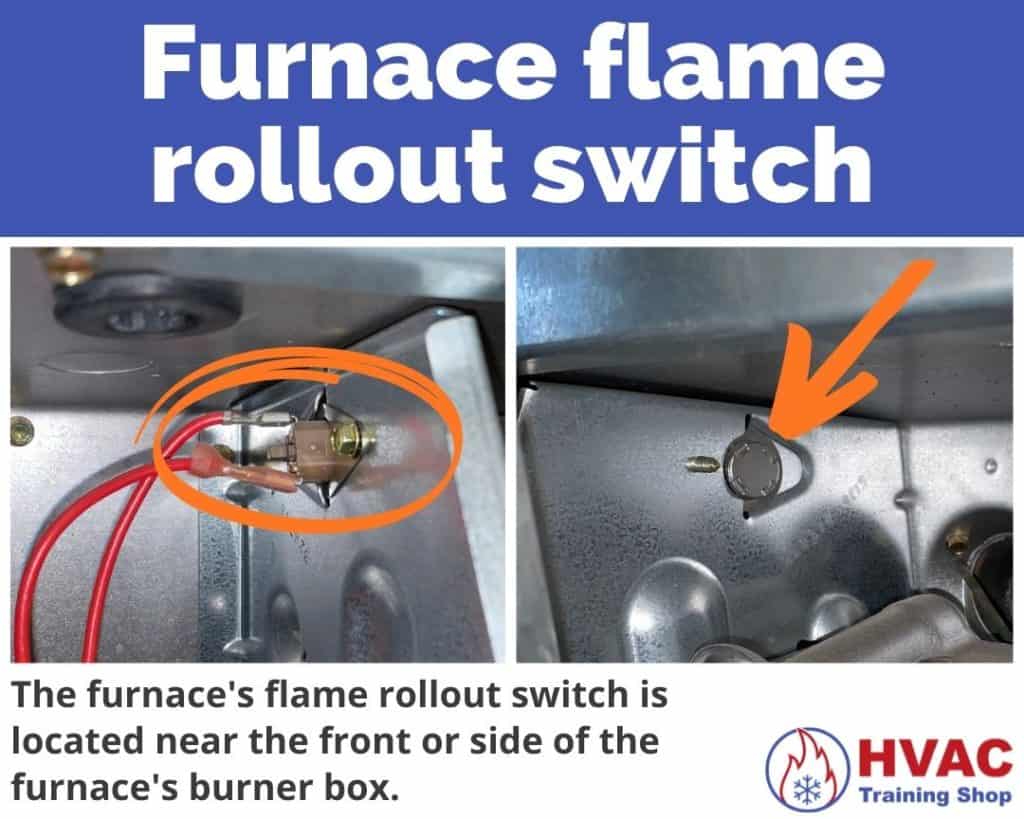
The flame rollout switch is a safety device installed on furnaces to prevent a hazardous condition known as flame rollout. Flame rollout occurs when the burner flame extends beyond the confines of the combustion chamber. This can happen due to various reasons, including:
- Blocked or restricted flue
- Insufficient combustion air
- Cracked heat exchanger
- Dirty burners
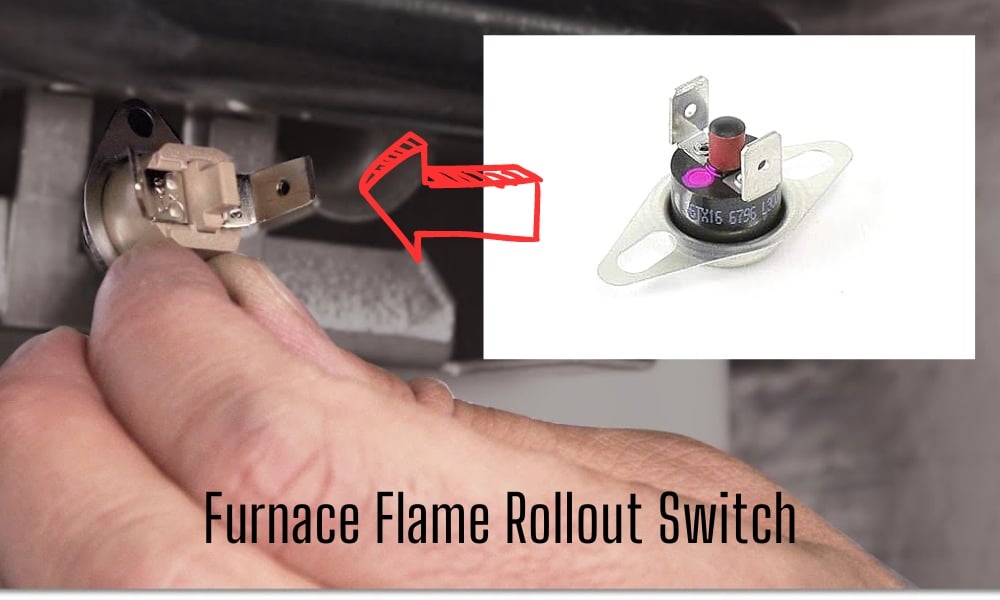
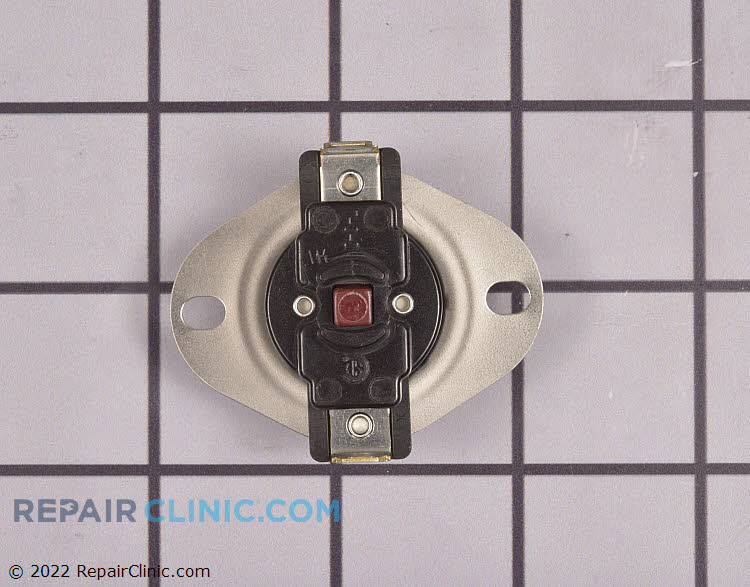
The switch is typically a bimetallic strip that bends when exposed to excessive heat. When the flame rolls out and impinges on the switch, the strip heats up and breaks the electrical circuit to the gas valve, shutting off the gas supply and preventing further flame rollout. It's a crucial last line of defense against a potentially dangerous situation.
Functionality and Operation
Flame rollout switches are usually manually reset after they trip. This means a technician must physically press a button or lever on the switch to restore power to the gas valve. This design ensures that the underlying cause of the flame rollout is addressed before the furnace is restarted. Some furnaces might have multiple rollout switches strategically placed to protect different areas of the unit.
Types of Flame Rollout Switches:
- Manual Reset: As mentioned, these require manual intervention to reset after tripping.
- One-Shot: These switches are designed to permanently open the circuit after tripping, requiring replacement instead of a reset. These are often used in high-risk applications.
Troubleshooting a Flame Rollout Switch
Troubleshooting a flame rollout switch requires a systematic approach and adherence to safety protocols. Always disconnect power to the furnace before beginning any diagnostic work.
Common Troubleshooting Steps:
- Visual Inspection: Check for any signs of damage or soot around the switch and burner area.
- Continuity Test: Use a multimeter to check for continuity across the switch terminals. A tripped switch will show no continuity.
- Reset Attempt: If the switch is a manual reset type, attempt to reset it. If it resets, observe the furnace operation carefully to identify the cause of the flame rollout. If it doesn't reset, the switch may be faulty and need replacement.
- Investigate the Root Cause: Even if the switch resets, it's crucial to determine why it tripped in the first place. Check the flue for obstructions, inspect the heat exchanger for cracks, and verify adequate combustion air.
Safety Note: Never bypass or disable a flame rollout switch. This is a serious safety hazard and could lead to property damage, injury, or even death.
The Importance of Certifications
Obtaining industry-recognized certifications is essential for HVAC professionals seeking to advance their careers. These certifications demonstrate competency and knowledge, enhancing credibility and job prospects.
Key Certifications:
- NATE (North American Technician Excellence): This is the leading certification program for HVAC technicians. NATE offers certifications in various specialties, including installation, service, and maintenance. Passing the NATE exam demonstrates a high level of technical expertise.
- EPA 608 Certification: Required for technicians who handle refrigerants. This certification ensures that technicians understand the regulations and best practices for handling refrigerants to protect the environment.
Other valuable certifications include those offered by manufacturers (e.g., Carrier, Trane, Lennox) for their specific equipment. These certifications provide specialized knowledge and skills for working on particular brands of HVAC systems.
Career Paths and Salary Expectations
The HVAC industry offers a wide range of career paths, from entry-level installer to highly specialized service technician and even business owner. Here are a few examples:
Entry-Level Installer: Typically involves assisting experienced technicians with installing HVAC equipment. This is a great way to gain hands-on experience and learn the fundamentals of the trade. Average salary: $35,000 - $45,000 per year.
HVAC Service Technician: Responsible for troubleshooting, repairing, and maintaining HVAC systems. This role requires strong diagnostic skills and a thorough understanding of HVAC principles. Average salary: $45,000 - $65,000 per year.
HVAC Specialist (e.g., Commercial Refrigeration Technician): Focuses on a specific area of HVAC, such as commercial refrigeration or industrial HVAC systems. These roles often require advanced training and certifications. Average salary: $60,000 - $85,000+ per year.
HVAC Project Manager: Oversees the installation or renovation of HVAC systems in commercial or residential buildings. This role requires strong project management skills and a thorough understanding of HVAC design and installation. Average salary: $70,000 - $100,000+ per year.
According to the Bureau of Labor Statistics, the median annual wage for HVAC mechanics and installers was $51,390 in May 2021. The job outlook is projected to grow 5 percent from 2021 to 2031, about as fast as the average for all occupations.
The Employer's Perspective: Hiring and Training
For employers in the HVAC industry, finding and retaining qualified technicians is a constant challenge. The demand for skilled workers is high, and competition for talent is fierce. Employers are increasingly focusing on:
- Apprenticeship Programs: Investing in apprenticeship programs is a great way to train the next generation of HVAC technicians. Apprenticeships provide a structured learning environment with on-the-job training and classroom instruction.
- Continuing Education: Providing opportunities for existing employees to upgrade their skills and obtain certifications is essential for retaining talent. Offering tuition reimbursement or paying for training courses can be a valuable incentive.
- Competitive Compensation and Benefits: Offering competitive salaries, health insurance, retirement plans, and other benefits is crucial for attracting and retaining top talent.
- Emphasis on Safety: A strong safety culture is essential for protecting employees and reducing the risk of accidents. Regular safety training and adherence to safety protocols are paramount.
Hiring Considerations: Employers should prioritize candidates with relevant certifications (NATE, EPA 608), experience, and a strong work ethic. Background checks and drug screenings are also important for ensuring the safety and security of the workplace.
Industry Trends and the Future of HVAC
The HVAC industry is constantly evolving, driven by technological advancements, changing regulations, and increasing demand for energy efficiency. Some key trends to watch include:
- Smart HVAC Systems: The integration of smart thermostats, sensors, and controls is enabling homeowners and businesses to optimize energy consumption and improve comfort.
- High-Efficiency Equipment: Government regulations and consumer demand are driving the development of more energy-efficient HVAC equipment, such as heat pumps and variable-speed systems.
- Green Technologies: The use of environmentally friendly refrigerants and sustainable building practices is becoming increasingly important in the HVAC industry.
Staying abreast of these trends is crucial for HVAC professionals who want to remain competitive and advance their careers. Continuing education and professional development are essential for adapting to the changing landscape of the HVAC industry.
Conclusion
The flame rollout switch is a small but vital component in furnace safety. Understanding its function, troubleshooting, and the broader context of HVAC systems is paramount for aspiring and experienced technicians. Coupled with the right certifications and a commitment to ongoing learning, a successful and rewarding career in the HVAC industry awaits. For employers, investing in training, safety, and competitive compensation is crucial for building a skilled and reliable workforce to meet the growing demands of this essential sector.