Furnace Flame Sensor Replacement

Furnace Flame Sensor Replacement: A Comprehensive Guide for Homeowners
A malfunctioning flame sensor can bring your furnace to a screeching halt, leaving you shivering in the cold. Before you call a technician, understanding the flame sensor, its function, and the process of replacement can save you time and money. This guide provides a detailed look at furnace flame sensors, covering everything from troubleshooting to replacement, and helping you decide if it’s a DIY project or one best left to the professionals.
What is a Furnace Flame Sensor and What Does It Do?
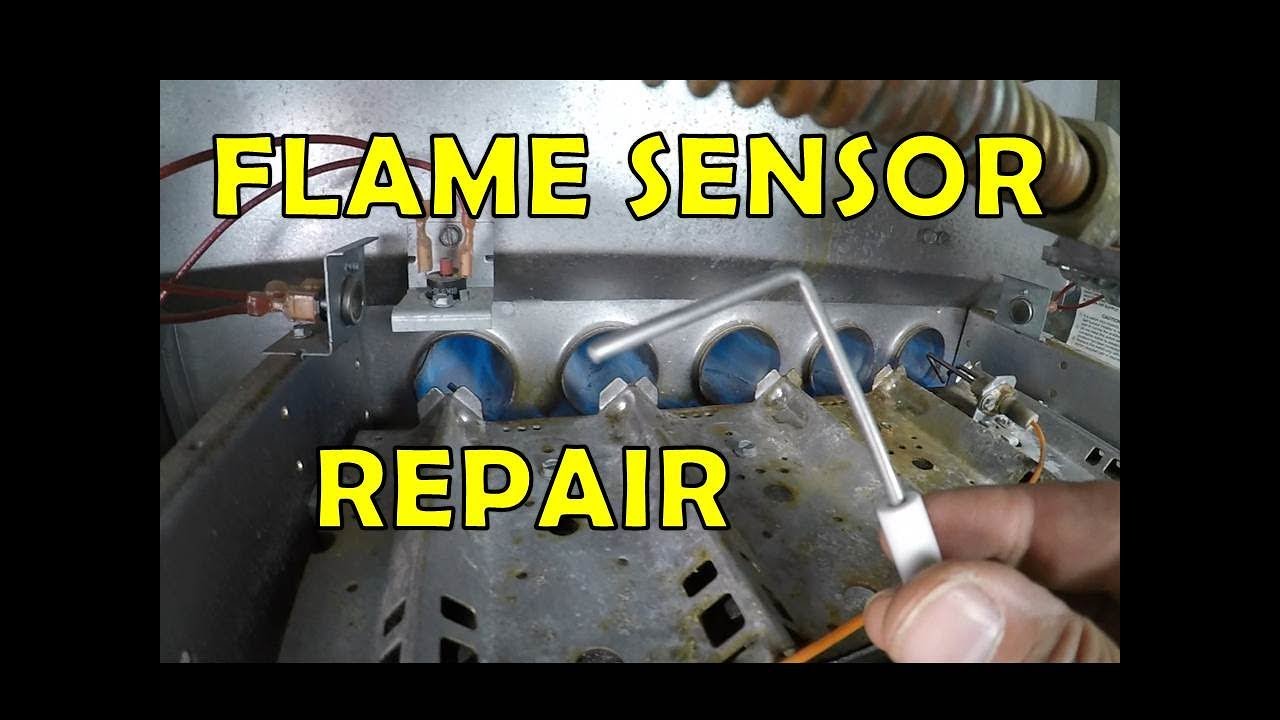
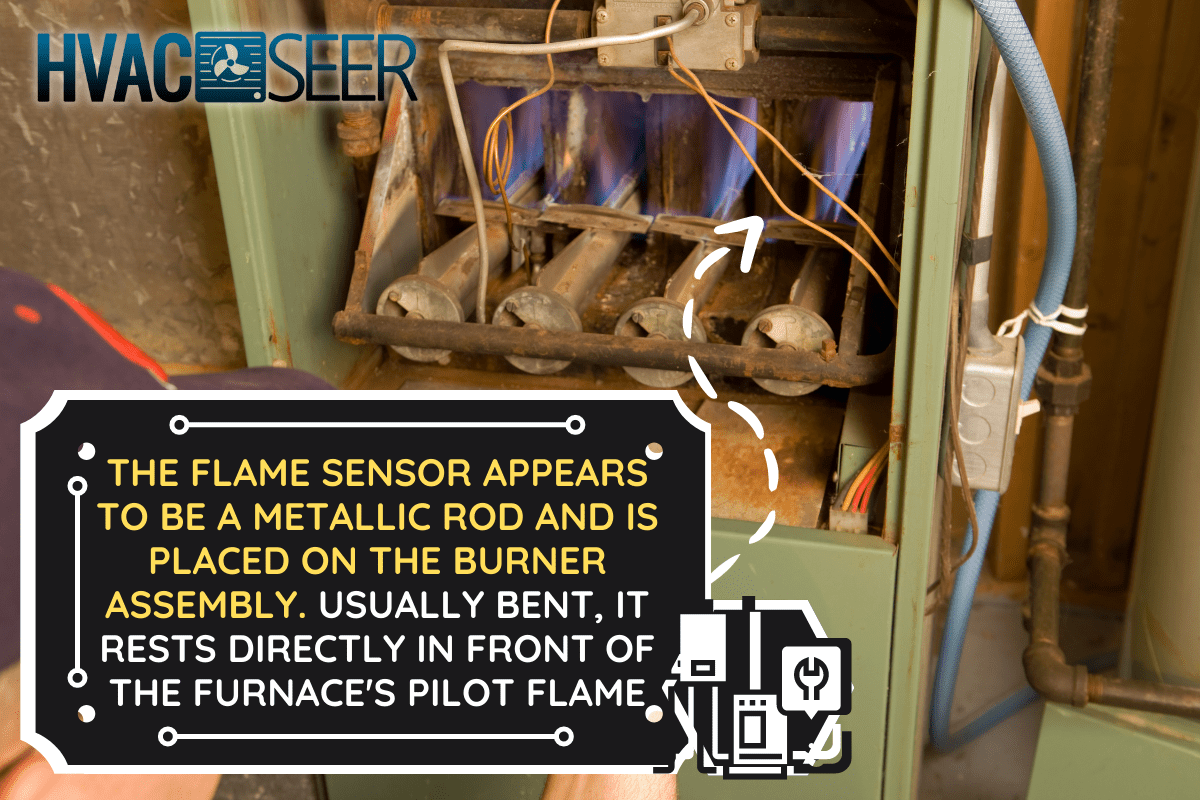
The flame sensor, a small, metallic rod typically located near the burner in your furnace, is a crucial safety component. Its primary function is to detect the presence of a flame during the heating cycle. If the flame sensor doesn't detect a flame after the gas valve opens, it signals the furnace control board to shut off the gas supply, preventing a dangerous buildup of unburned gas. This safety feature is vital for preventing explosions and carbon monoxide poisoning.
Identifying a Faulty Flame Sensor
Several symptoms can indicate a failing flame sensor:
- The furnace starts and then shuts off after a few seconds (typically 1-3 seconds). This is the most common sign.
- The furnace fails to ignite at all.
- The furnace cycles on and off frequently (short cycling).
- The furnace blower runs continuously, even when the burner is off.
Before assuming the flame sensor is the problem, check other potential issues such as a dirty air filter, a malfunctioning gas valve, or a problem with the igniter. A multimeter can be used to test the flame sensor's current. A reading of less than 1 microamp (DC) typically indicates a need for cleaning or replacement.
Cleaning vs. Replacing: Which is the Right Choice?
Often, a flame sensor fails simply due to a buildup of carbon deposits. Cleaning the sensor is a relatively simple and inexpensive first step. To clean the flame sensor:
- Turn off the furnace power at the breaker. Safety is paramount.
- Locate the flame sensor (usually a small metallic rod near the burner).
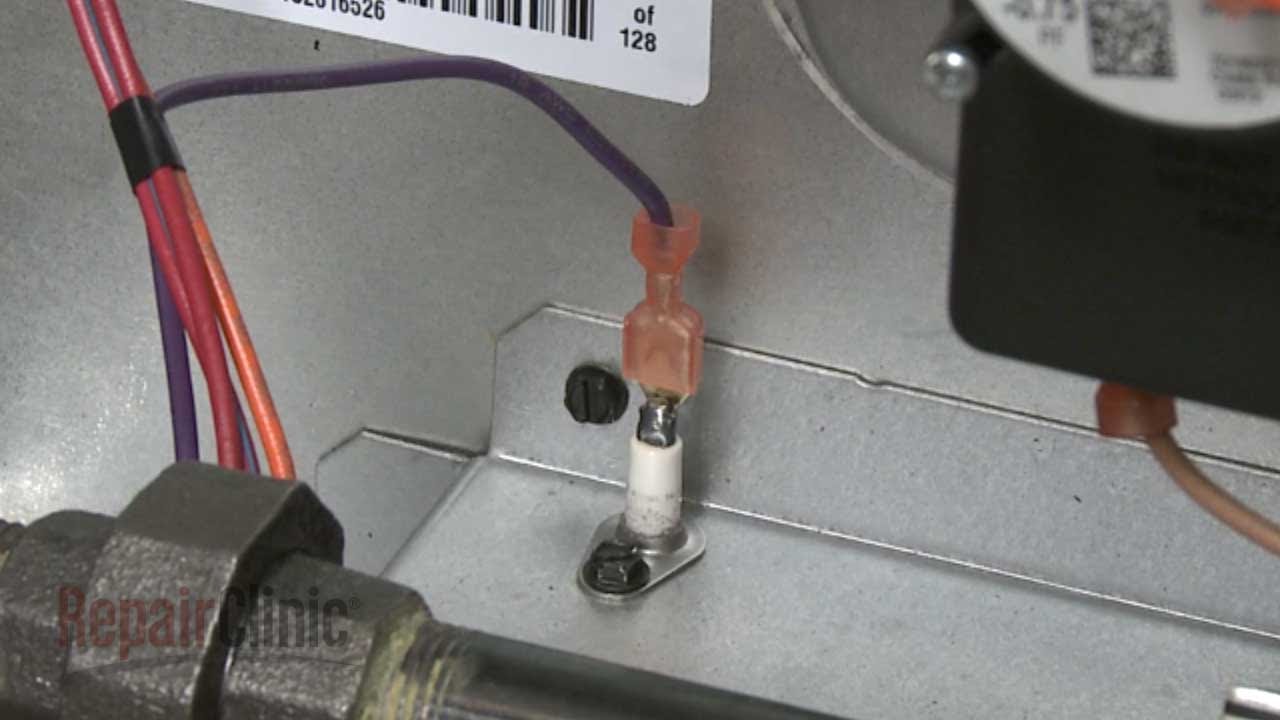
- Carefully remove the flame sensor. It's typically held in place by a single screw or clip.
- Use a piece of fine-grit sandpaper or steel wool to gently clean the rod, removing any carbon buildup.
- Reinstall the flame sensor and turn the furnace power back on.
- Test the furnace to see if the problem is resolved.
If cleaning doesn't solve the issue, or if the flame sensor is visibly damaged (cracked or corroded), replacement is necessary.
Replacing the Flame Sensor: A Step-by-Step Guide
Replacing a flame sensor is a straightforward task for most DIY enthusiasts. However, always prioritize safety and follow these steps carefully:
- Turn off the furnace power at the breaker. Double-check to ensure power is completely off.
- Locate the flame sensor.
- Remove the old flame sensor. Note how it's positioned for correct reinstallation.
- Purchase a replacement flame sensor. It's crucial to buy a sensor that is compatible with your furnace model. Check your furnace's manual or contact the manufacturer for the correct part number.
- Install the new flame sensor, ensuring it's securely fastened and properly positioned.
- Reconnect the wire to the flame sensor.
- Turn the furnace power back on.
- Test the furnace to ensure it's functioning correctly.
If the furnace still doesn't work after replacing the flame sensor, there may be other underlying issues that require professional attention.
Choosing a Replacement Flame Sensor
When purchasing a replacement flame sensor, compatibility is key. Always refer to your furnace's manual or the manufacturer's website to find the correct part number. Generic flame sensors are available, but it's generally recommended to use an OEM (Original Equipment Manufacturer) part to ensure optimal performance and reliability.
When to Call a Professional
While replacing a flame sensor is a relatively simple task, there are situations where it's best to call a qualified HVAC technician:
- If you're uncomfortable working with electricity or gas appliances.
- If you've tried cleaning and replacing the flame sensor and the furnace still isn't working.
- If you suspect there may be other underlying issues with your furnace.
- If you smell gas or suspect a gas leak. Evacuate the premises immediately and call your gas company.
A professional HVAC technician can accurately diagnose the problem and ensure that your furnace is repaired safely and correctly. They can also check for other potential issues, such as a cracked heat exchanger or a malfunctioning gas valve.
Cost Considerations
The cost of replacing a flame sensor can vary depending on whether you do it yourself or hire a professional. A replacement flame sensor typically costs between $15 and $40. If you hire a professional, labor costs will add to the total expense, bringing the cost to between $75 and $200 or more, depending on your location and the technician's hourly rate.
Preventative Maintenance
Regular furnace maintenance can help prevent flame sensor failures and other issues. Schedule annual furnace tune-ups with a qualified HVAC technician. During a tune-up, the technician will clean the furnace, inspect all components, and make any necessary repairs. Changing your air filter regularly also helps prevent dust and debris from accumulating on the flame sensor and other furnace components.
Understanding Furnace Efficiency: AFUE, SEER, and HSPF
While you're thinking about your furnace, it's a good time to understand how energy efficiency is measured. These ratings primarily apply when evaluating a new furnace purchase, but it's helpful context.
- AFUE (Annual Fuel Utilization Efficiency): This rating measures the efficiency of a furnace in converting fuel into heat. A higher AFUE rating indicates a more efficient furnace. Modern furnaces typically have AFUE ratings ranging from 80% to 98%. For example, a furnace with a 95% AFUE rating converts 95% of the fuel it consumes into usable heat, while only 5% is lost as waste. Rheem and Carrier are popular brands known for high-efficiency furnaces.
- SEER (Seasonal Energy Efficiency Ratio): This rating applies to air conditioners and measures their cooling efficiency.
- HSPF (Heating Seasonal Performance Factor): This rating applies to heat pumps and measures their heating efficiency.
Popular Furnace Brands and Models
Choosing the right furnace is a significant investment. Here are a few popular brands and models known for their reliability and efficiency:
- Carrier: Known for their high-efficiency models and innovative features. Their Infinity series furnaces offer advanced control and zoning capabilities.
- Rheem: Offers a wide range of furnaces to suit various budgets and needs. Their Prestige series furnaces are known for their energy efficiency and quiet operation.
- Trane: A trusted brand with a long history of producing durable and reliable furnaces. Their XV series furnaces offer variable-speed technology for enhanced comfort and efficiency.
- Goodman: A more budget-friendly option that still offers good performance and reliability.
When comparing models, consider factors such as AFUE rating, BTU output (British Thermal Units, which measures heating capacity), features, warranty, and price.
Warranties and Maintenance
Furnace warranties typically cover parts and labor for a specified period. Be sure to read the warranty carefully to understand what's covered and what's not. Regular maintenance is essential for keeping your furnace running smoothly and preventing costly repairs. Schedule annual tune-ups and change your air filter regularly.
Conclusion
Replacing a furnace flame sensor is a relatively simple DIY project that can save you money. By understanding the function of the flame sensor, identifying the symptoms of a faulty sensor, and following the steps outlined in this guide, you can confidently tackle this repair. However, if you're uncomfortable working with electricity or gas appliances, or if you suspect there may be other underlying issues with your furnace, it's always best to call a qualified HVAC technician. Regular maintenance and prompt repairs will ensure that your furnace operates safely and efficiently for years to come.




:max_bytes(150000):strip_icc()/How-to-Clean-a-Furnace-Flame-Sensor-0380-step-02-81ccd4e5b2ce41508eeef387e3193205.jpg)