Furnace For 1200 Sq Ft House
Finding the Right Furnace for a 1200 Sq Ft Home: A Comprehensive Guide
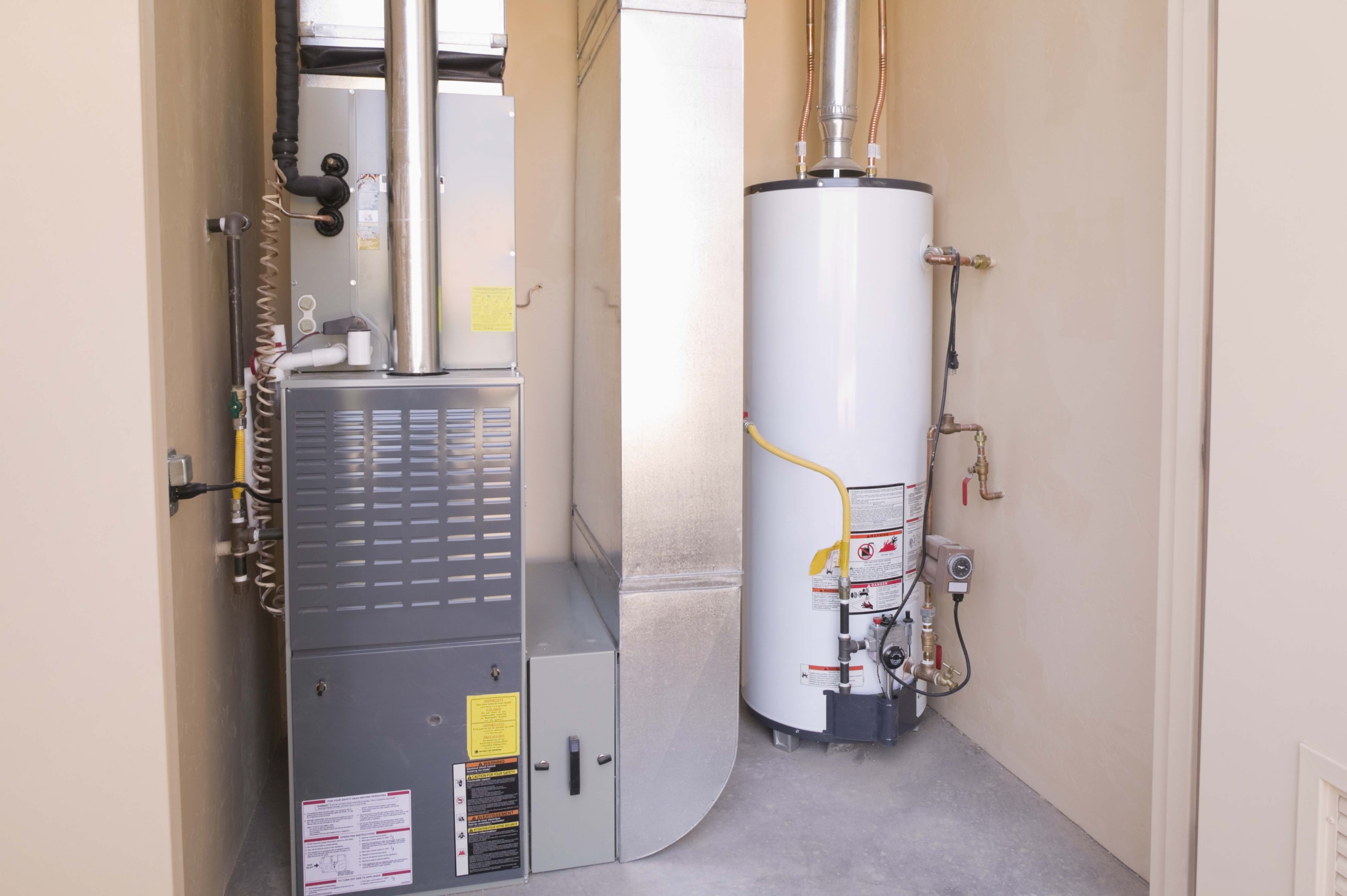
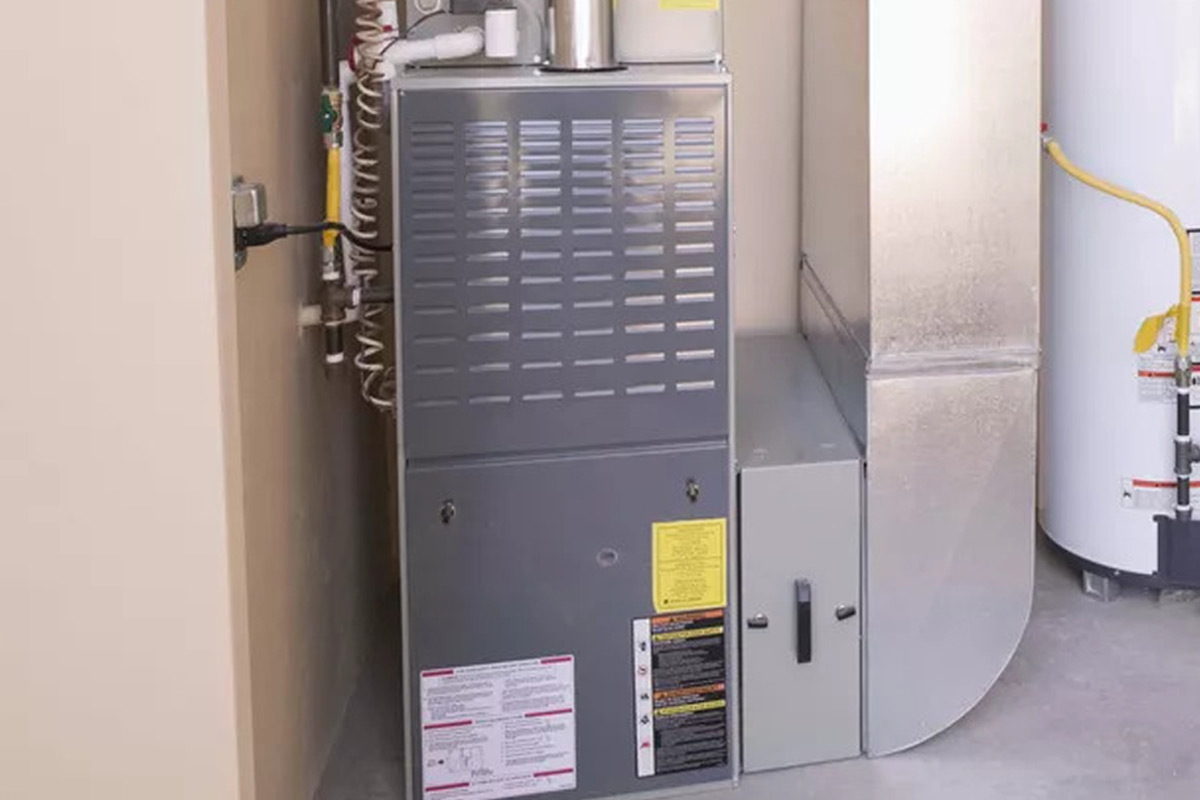
Choosing the right furnace for your 1200 sq ft home can significantly impact your comfort levels and energy bills. Selecting the appropriate size and efficiency is crucial for optimal heating performance. This guide provides a detailed overview of factors to consider, popular brands, energy efficiency ratings, and maintenance tips to help you make an informed decision.
Sizing Your Furnace: BTU Requirements for 1200 Sq Ft
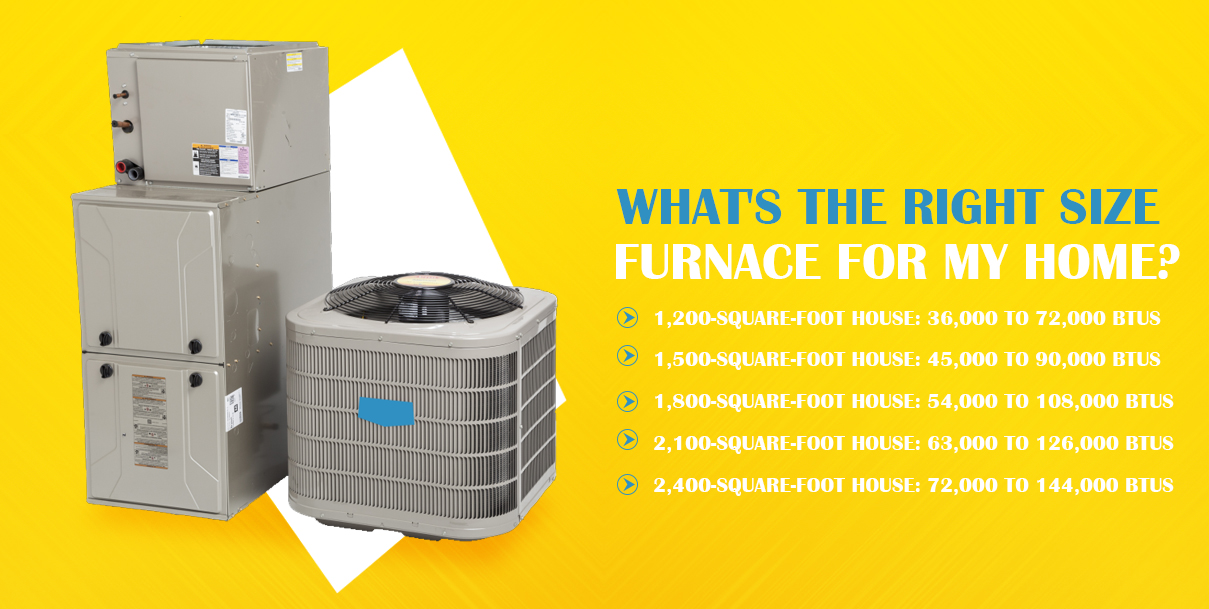
The first step in selecting a furnace is determining the appropriate British Thermal Units (BTU) output. BTU measures the amount of heat a furnace can produce per hour. Over-sizing can lead to short cycling (frequent on/off cycles), which reduces efficiency and shortens the furnace's lifespan. Under-sizing results in insufficient heating and increased energy consumption as the furnace struggles to maintain the desired temperature.
Generally, a 1200 sq ft home requires a furnace with an output between 30,000 and 48,000 BTU. However, this range is a starting point. Several factors influence the exact BTU requirement:
- Climate: Homes in colder climates require a higher BTU output than those in milder climates.
- Insulation: Well-insulated homes require less BTU output because they retain heat more effectively. Consider wall, attic, and floor insulation levels.
- Windows and Doors: The quality and number of windows and doors significantly impact heat loss. Double-pane or triple-pane windows are more efficient.
- Ceiling Height: Homes with high ceilings require more BTUs to heat the larger volume of space.
- Home Orientation: Homes facing south may receive more sunlight, reducing heating needs.
Consult with an HVAC professional to perform a heat load calculation, which considers these factors to determine the most accurate BTU requirement for your specific home. A Manual J calculation is the industry standard for heat load analysis.
Understanding AFUE: Energy Efficiency Ratings
AFUE (Annual Fuel Utilization Efficiency) measures a furnace's efficiency in converting fuel into usable heat. A higher AFUE rating indicates a more efficient furnace, resulting in lower energy bills. Modern furnaces typically have AFUE ratings ranging from 80% to 98%.
Furnaces are generally categorized into three efficiency levels:
- Minimum Efficiency (80% AFUE): These are the most affordable options, converting 80% of fuel into heat and venting the remaining 20% as exhaust. Suitable for warmer climates or homes with tight budgets.
- Mid-Efficiency (90-95% AFUE): These furnaces offer a balance between cost and efficiency, converting 90-95% of fuel into heat. They often require PVC venting and a condensate drain.
- High-Efficiency (96-98% AFUE): These are the most efficient furnaces, converting nearly all fuel into heat. They offer the highest energy savings but come with a higher upfront cost. Often qualify for rebates and incentives.
For a 1200 sq ft home, a mid-efficiency or high-efficiency furnace is generally recommended, particularly in colder climates, to maximize energy savings. Calculate the payback period considering upfront cost, energy savings, and potential rebates.
Popular Furnace Brands and Models for 1200 Sq Ft Homes
Several reputable HVAC brands offer furnaces suitable for 1200 sq ft homes. Here's a comparison of some popular options:
Goodman
Goodman furnaces are known for their affordability and reliability. They offer a range of models with varying AFUE ratings. The Goodman GMVC96 is a popular high-efficiency option for smaller homes.
Pros: Affordable, wide range of models, good warranty.
Cons: May not be as feature-rich as some premium brands.
Carrier
Carrier is a well-established brand known for its innovative technology and high-quality products. The Carrier Infinity 98 is a top-of-the-line furnace with advanced features and exceptional energy efficiency.
Pros: High efficiency, advanced features, reliable performance.
Cons: Higher upfront cost.
Trane
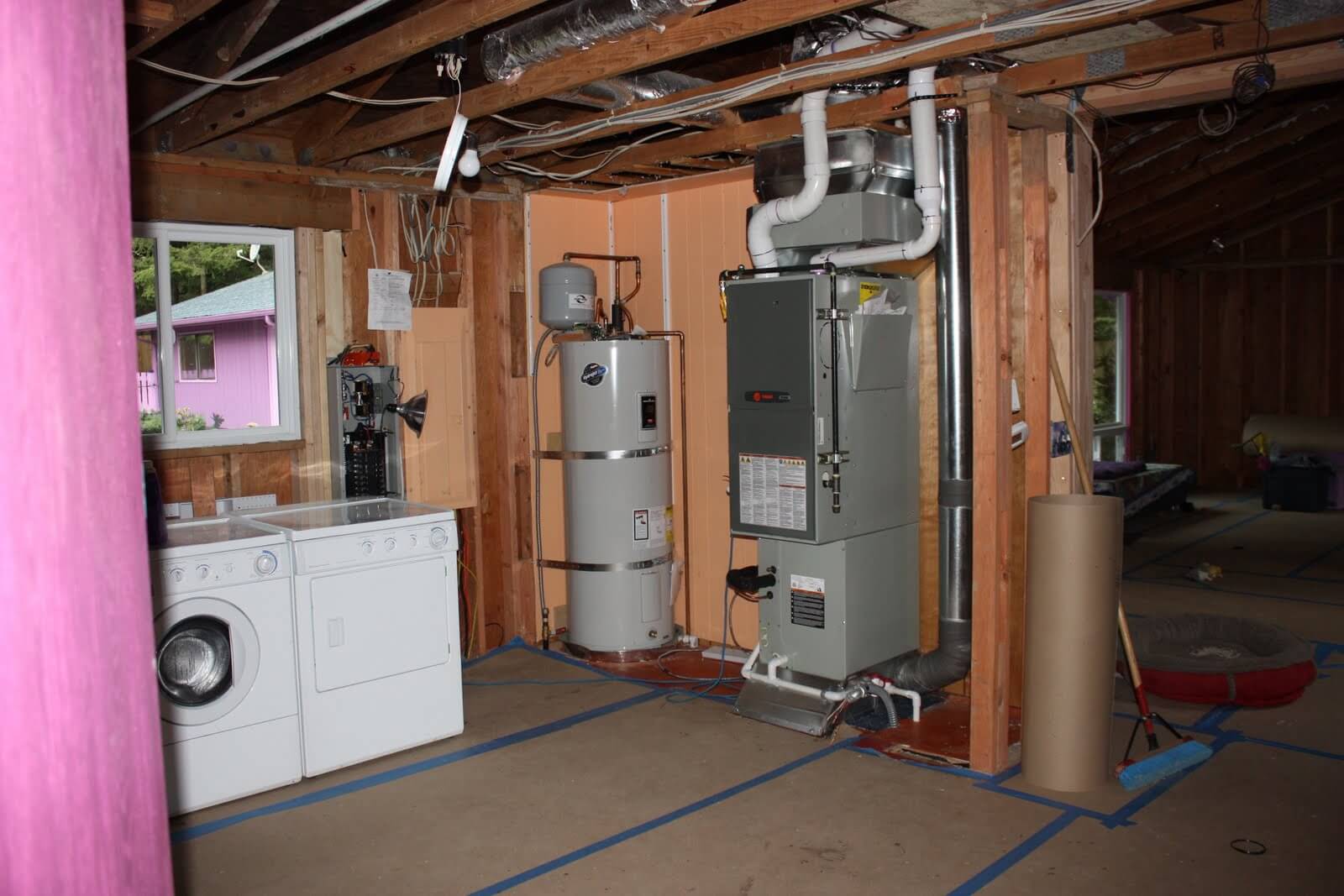
Trane is another reputable brand offering durable and efficient furnaces. The Trane S9V2 is a popular variable-speed furnace that provides consistent and comfortable heating.
Pros: Durable construction, efficient operation, variable-speed blower.
Cons: Can be more expensive than some other brands.
Rheem
Rheem furnaces offer a good balance of performance and value. The Rheem Prestige Series includes high-efficiency models with features like EcoNet smart home integration.
Pros: Good value, innovative features, reliable performance.
Cons: Some models may not be as efficient as top-tier brands.
Lennox
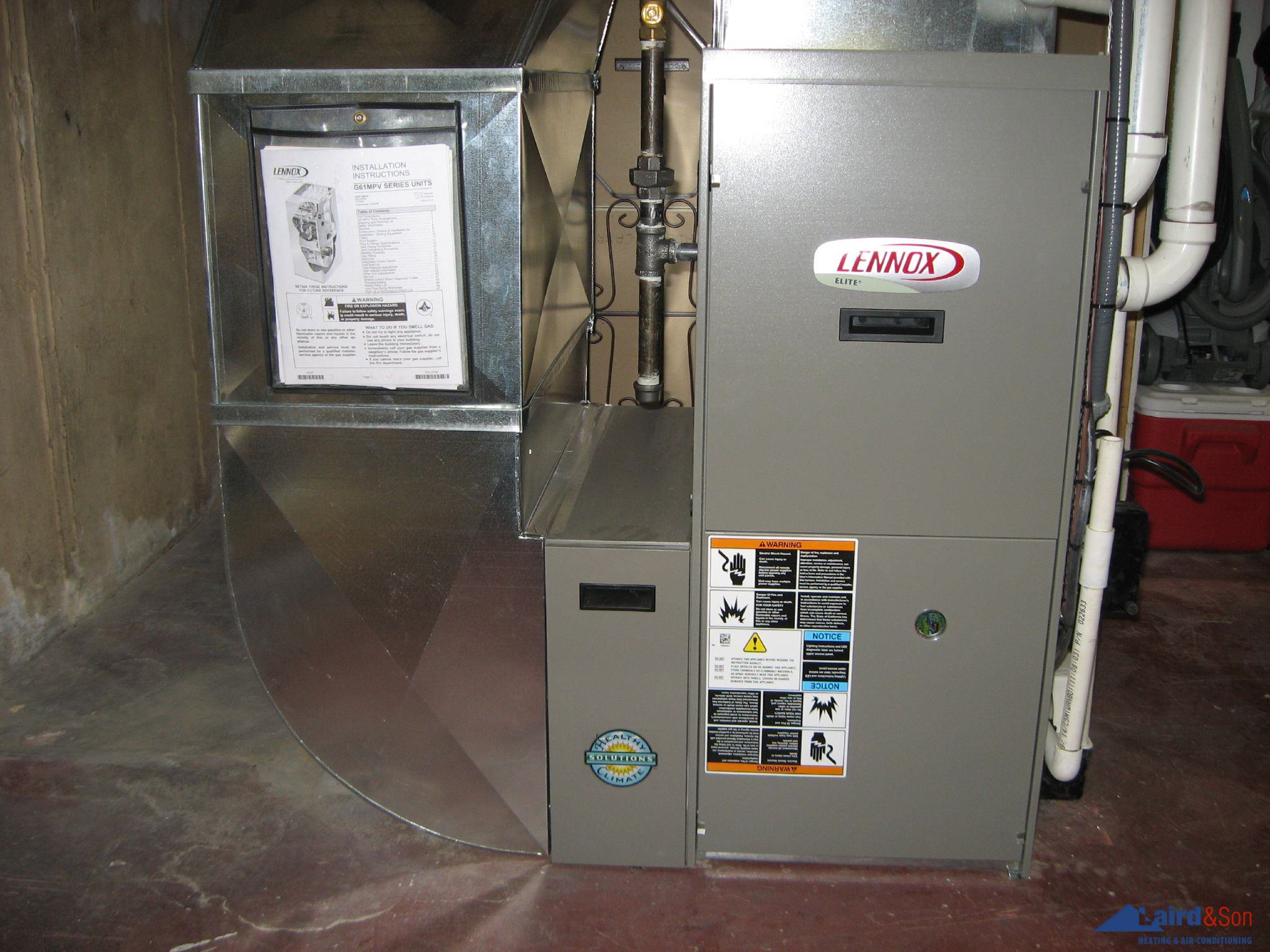
Lennox offers some of the most efficient furnaces on the market. The Lennox SLP98DF is a super-high-efficiency model with modulating technology for precise temperature control.
Pros: Extremely high efficiency, precise temperature control, quiet operation.
Cons: Highest upfront cost.
Features to Consider
Beyond BTU and AFUE, consider these features when selecting a furnace:
- Variable-Speed Blower Motor: Provides consistent airflow and quieter operation, improving comfort and energy efficiency.
- Two-Stage Operation: Allows the furnace to operate at a lower output level when less heat is needed, saving energy and reducing temperature swings.
- Smart Thermostat Compatibility: Enables remote control and monitoring of your furnace, optimizing energy usage and comfort.
- Sealed Combustion: Draws combustion air from outside, improving safety and efficiency.
- Self-Diagnostics: Simplifies troubleshooting and maintenance.
Installation and Maintenance
Proper installation is crucial for optimal furnace performance and longevity. Hire a licensed and experienced HVAC contractor to install your furnace. Incorrect installation can void the warranty and lead to inefficient operation.
Regular maintenance is essential to keep your furnace running smoothly. Schedule annual professional maintenance, including:
- Cleaning: Removing dust and debris from the burner, blower, and heat exchanger.
- Inspection: Checking for leaks, cracks, and other signs of damage.
- Testing: Verifying proper operation of all components.
- Filter Replacement: Replacing the air filter regularly (every 1-3 months) to maintain airflow and protect the furnace from dust buildup.
Refer to your furnace's owner's manual for specific maintenance recommendations.
Warranty Information
Furnace warranties typically cover parts and, in some cases, labor. Standard warranties usually cover parts for 5-10 years. Some manufacturers offer extended warranties or lifetime heat exchanger warranties. Register your furnace with the manufacturer to activate the warranty. Understanding the warranty terms and conditions is crucial before making a purchase. Pay attention to whether registration is required within a certain timeframe and what specific components are covered.
Cost Considerations
The cost of a furnace for a 1200 sq ft home can vary depending on the brand, model, efficiency, and installation complexity. Expect to pay between $3,000 and $7,000 installed. Factors influencing the price include:
- Furnace Type: High-efficiency furnaces typically cost more upfront than lower-efficiency models.
- Brand Reputation: Premium brands may charge a higher price for their products.
- Installation Complexity: Replacing an existing furnace is generally less expensive than installing a new system in a home without existing ductwork.
- Labor Costs: Labor rates vary depending on the location and contractor.
Obtain quotes from multiple contractors to compare prices and services. Consider the long-term cost of ownership, including energy savings and maintenance expenses, when making your decision.
SEER and HSPF (if pairing with a heat pump)
While SEER (Seasonal Energy Efficiency Ratio) and HSPF (Heating Seasonal Performance Factor) primarily apply to air conditioners and heat pumps, it's essential to understand them if you're considering a dual-fuel system. A dual-fuel system combines a furnace with a heat pump, allowing you to use the most efficient heating source depending on the outdoor temperature. The heat pump operates during milder temperatures, while the furnace kicks in when it's colder. In such cases, understanding the SEER rating of the heat pump (for cooling efficiency) and the HSPF rating (for heating efficiency during heat pump operation) becomes crucial for overall system efficiency.
Conclusion
Selecting the right furnace for your 1200 sq ft home involves careful consideration of several factors, including BTU requirements, AFUE rating, brand reputation, features, and cost. Consulting with an HVAC professional is highly recommended to ensure proper sizing and installation. By understanding these key aspects, you can choose a furnace that provides optimal comfort, energy efficiency, and long-term reliability for your home.