Furnace Fuse Location
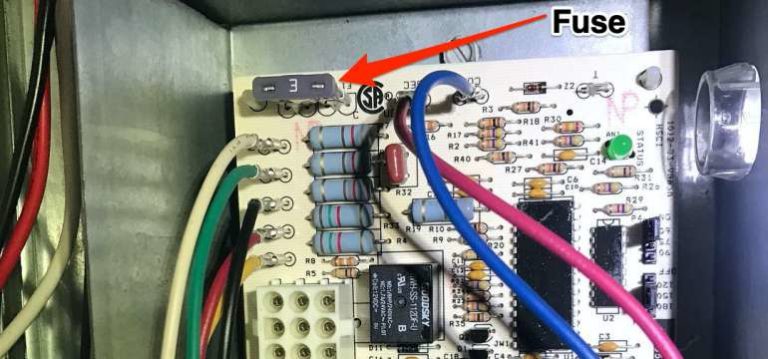
Your furnace is a complex appliance, and like any electrical device, it relies on fuses (or circuit breakers) to protect its sensitive components from power surges. When a fuse blows, it's a safety mechanism designed to prevent further damage. Locating the fuse is the first step in troubleshooting furnace problems. This guide will walk you through finding the fuses associated with your furnace and provide essential safety information.
Understanding Fuses and Circuit Breakers
First, let's clarify the difference between a fuse and a circuit breaker. Both serve the same purpose: to interrupt the flow of electricity when the current exceeds a safe level. Think of them as electrical gatekeepers. They prevent too much electricity from flowing through the system, which can cause overheating, damage, or even a fire.
A fuse is a small, one-time-use device. It contains a thin wire that melts when too much current passes through it, breaking the circuit. Once a fuse blows, it needs to be replaced. A circuit breaker is a resettable switch. When it detects an overload, it trips, cutting off the power. You can reset a circuit breaker by flipping it back to the "on" position after addressing the issue that caused it to trip.
While many newer furnaces use circuit breakers, older models often rely on fuses, or even a combination of both.
Where to Find Your Furnace Fuse(s)
Locating the fuse or circuit breaker for your furnace involves checking several possible locations:
1. The Main Electrical Panel (Service Panel)
The most common location for the furnace circuit breaker is in your home's main electrical panel, also known as the service panel or breaker box. This is usually a gray metal box found in the basement, garage, or utility room.
How to identify the furnace breaker:
- Look for a label. Each breaker should be labeled to indicate what it controls. Search for labels like "Furnace," "HVAC," "Heater," or something similar.
- If there's no label, try to identify the breaker by process of elimination. Turn off the potential breaker and see if your furnace shuts down. Only do this if you are comfortable and confident! If not, consult an electrician.
- The breaker for your furnace is typically a 15- or 20-amp breaker, but this can vary. Check your furnace's manual or the unit itself for the correct amperage.
What to do if the breaker is tripped:
- Flip the breaker completely to the "off" position and then back to the "on" position. This ensures a proper reset.
- If the breaker trips again immediately, there's likely a more serious problem with your furnace that requires professional attention. Do not repeatedly reset the breaker.
2. The Furnace Control Panel
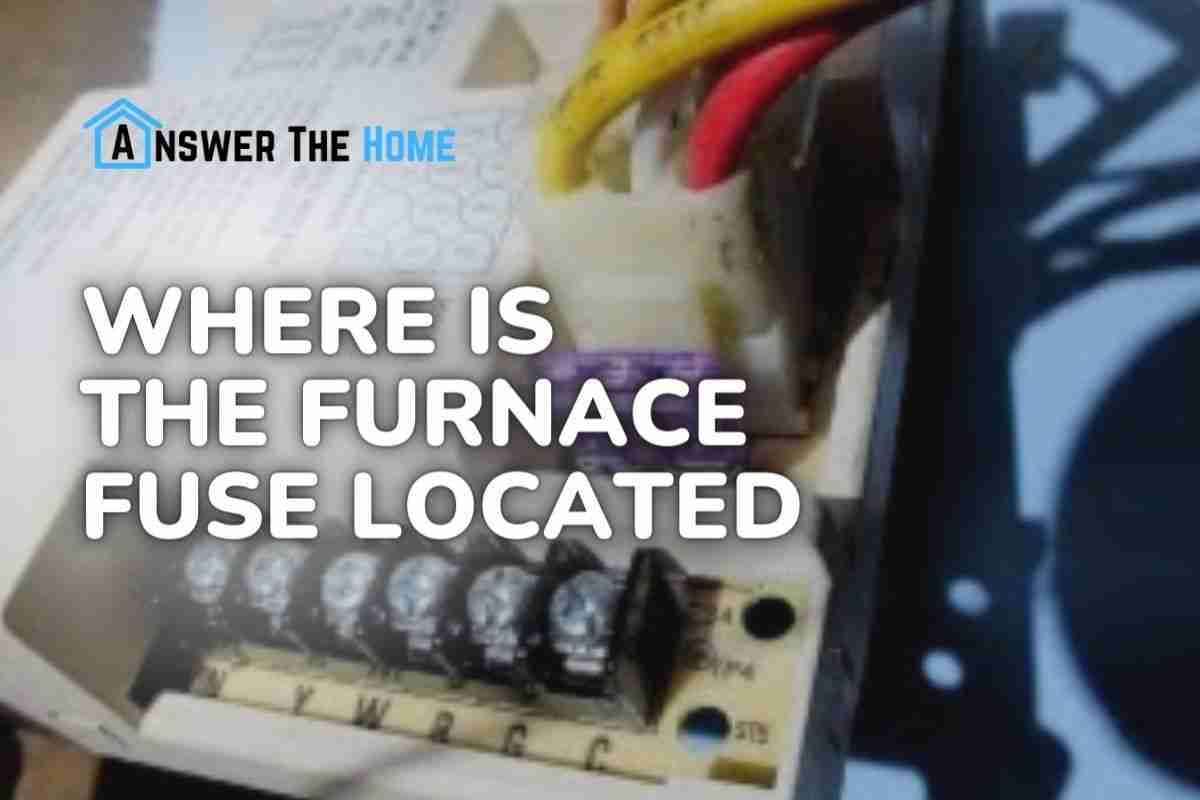
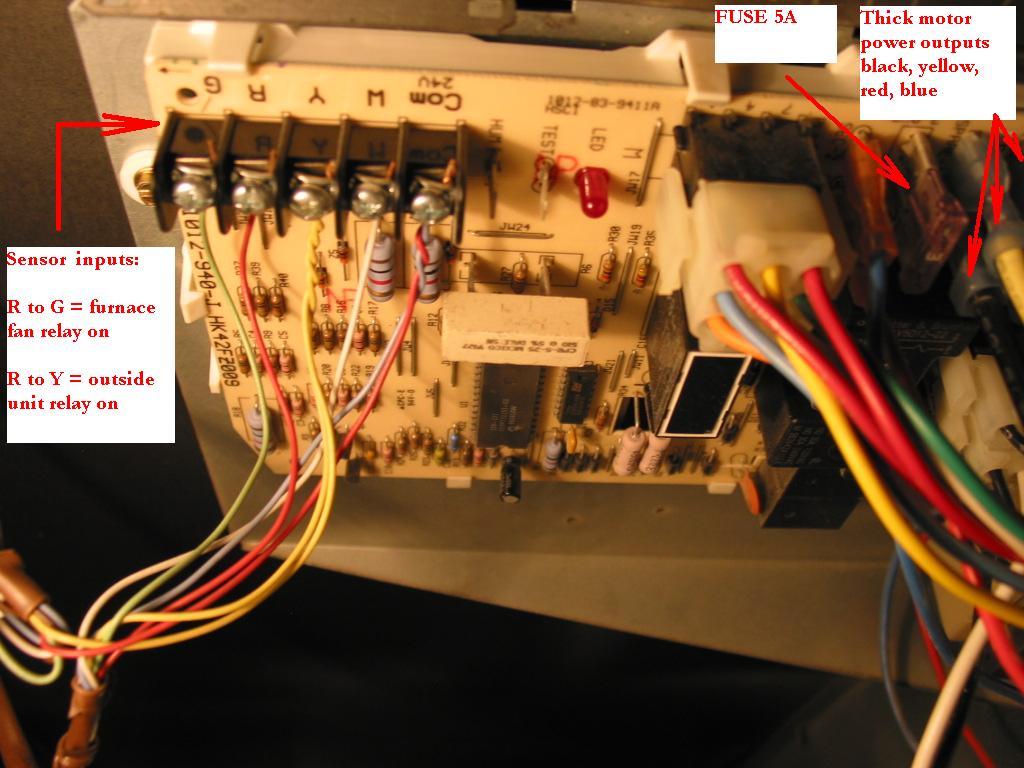
Many furnaces have a control panel located inside the unit itself. This panel often contains a low-voltage fuse (typically 3-amp or 5-amp) that protects the control board and other sensitive components. This fuse is usually a small, glass tube-type fuse.
How to access the furnace control panel:
- Turn off the power to the furnace at the main breaker before opening any panels! This is a crucial safety precaution.
- Locate the access panel on the furnace. It's usually held in place by screws or clips.
- Remove the access panel and look for the control board. It's a circuit board with various components and wiring.
- The fuse is usually located near the control board, often in a small fuse holder.
Identifying the fuse:
- The fuse is typically a small glass tube with a thin wire running through it.
- Check the fuse for any signs of damage, such as a broken wire or a darkened appearance.
- The amperage rating is usually printed on the fuse itself (e.g., 3A, 5A).
Replacing the fuse:
- If the fuse is blown, replace it with a fuse of the exact same amperage rating. Using a higher amperage fuse can damage the furnace.
- Make sure the furnace is turned off at the breaker before replacing the fuse.
- If the fuse blows again immediately after being replaced, there's likely a more serious problem that requires professional diagnosis.
3. Near the Furnace Transformer
Some older furnaces may have a fuse located near the transformer. The transformer converts the higher voltage from your home's electrical system to the lower voltage required by the furnace's control circuits.
This fuse will usually be inline fuse, and it will be located after the transformer. It may or may not be close to the control panel.
4. Near the Blower Motor
Although less common, some furnaces may have a fuse specifically dedicated to the blower motor. This fuse is usually located near the motor itself or within the motor's wiring harness.
Safety Precautions
Working with electricity can be dangerous. Always follow these safety precautions:
- Turn off the power! Before working on any electrical components of your furnace, turn off the power at the main breaker.
- Use insulated tools. When working with electrical wiring, use tools with insulated handles to prevent electric shock.
- Never work in wet conditions. Avoid working on your furnace if the area is damp or wet.
- If you're not comfortable, call a professional. If you're unsure about any aspect of troubleshooting or repairing your furnace, it's best to call a qualified HVAC technician.
- Know your limits. Don't attempt repairs that are beyond your skill level.
Troubleshooting a Blown Fuse
If you find a blown fuse, replacing it is usually a simple task. However, it's important to understand why the fuse blew in the first place. Simply replacing the fuse without addressing the underlying issue will likely result in the fuse blowing again.
Possible causes of a blown furnace fuse:
- Overloaded circuit: If the furnace is drawing too much power, it can overload the circuit and cause the fuse to blow.
- Short circuit: A short circuit occurs when there's an unintended path for electricity to flow, bypassing the normal circuit components. This can cause a surge of current that blows the fuse.
- Faulty component: A failing component, such as the blower motor, igniter, or control board, can draw excessive current and cause the fuse to blow.
- Loose wiring: Loose or corroded wiring can create resistance in the circuit, leading to overheating and a blown fuse.
- Dirty air filter: A dirty air filter can restrict airflow, causing the furnace to work harder and draw more power.
Steps to take after replacing a blown fuse:
- Inspect the furnace: Look for any signs of damage, such as burnt wires, loose connections, or leaking components.
- Clean or replace the air filter: A dirty air filter is a common cause of furnace problems.
- Check the wiring: Make sure all wiring connections are tight and free from corrosion.
- Monitor the furnace: After replacing the fuse, monitor the furnace to see if the problem recurs.
When to Call a Professional
While some furnace problems can be resolved with simple troubleshooting and fuse replacement, others require the expertise of a qualified HVAC technician. Call a professional if:
- The fuse blows repeatedly after being replaced.
- You smell a burning odor coming from the furnace.
- You see smoke coming from the furnace.
- The furnace is making unusual noises.
- You're not comfortable working with electricity.
Attempting to repair a furnace without the proper knowledge and experience can be dangerous. It's always better to err on the side of caution and call a professional if you're unsure about anything. A qualified technician can diagnose the problem accurately and perform the necessary repairs safely and effectively.
By understanding the location of your furnace fuses and following these safety guidelines, you can effectively troubleshoot minor furnace issues and ensure the safe and efficient operation of your heating system. Remember, safety is always the top priority.