Furnace Ignition Control Module
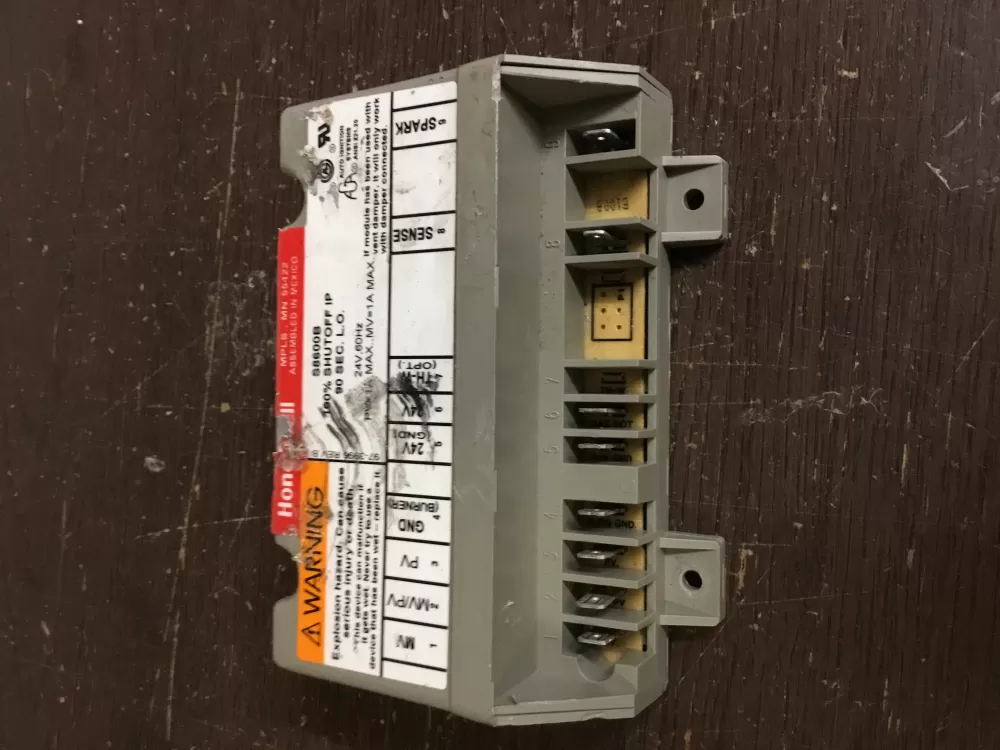
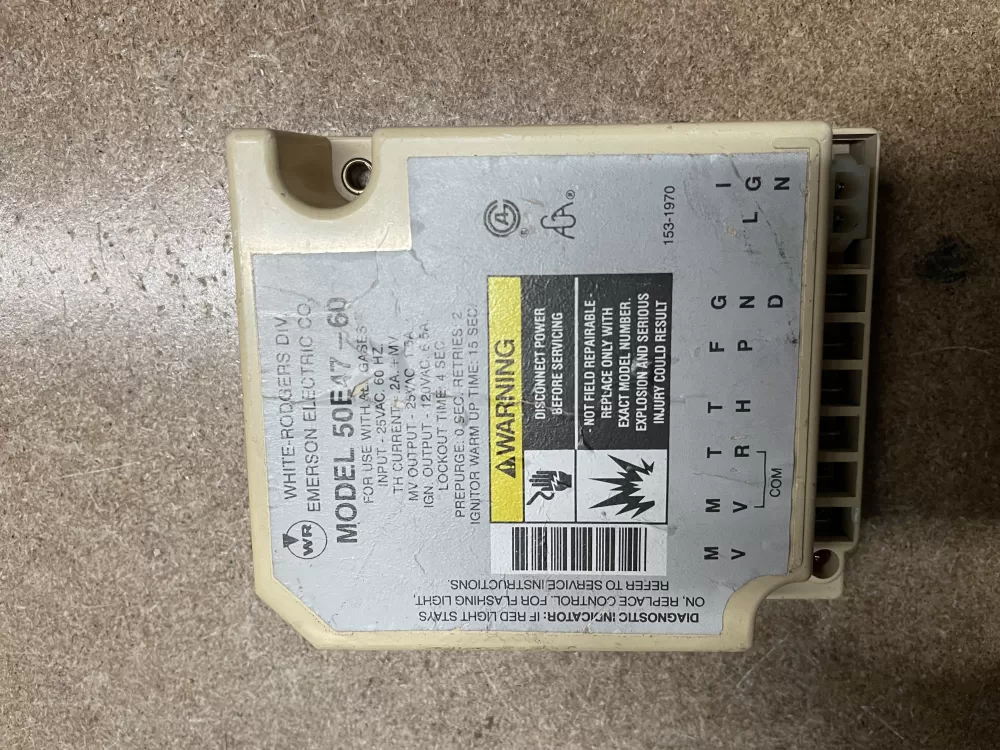
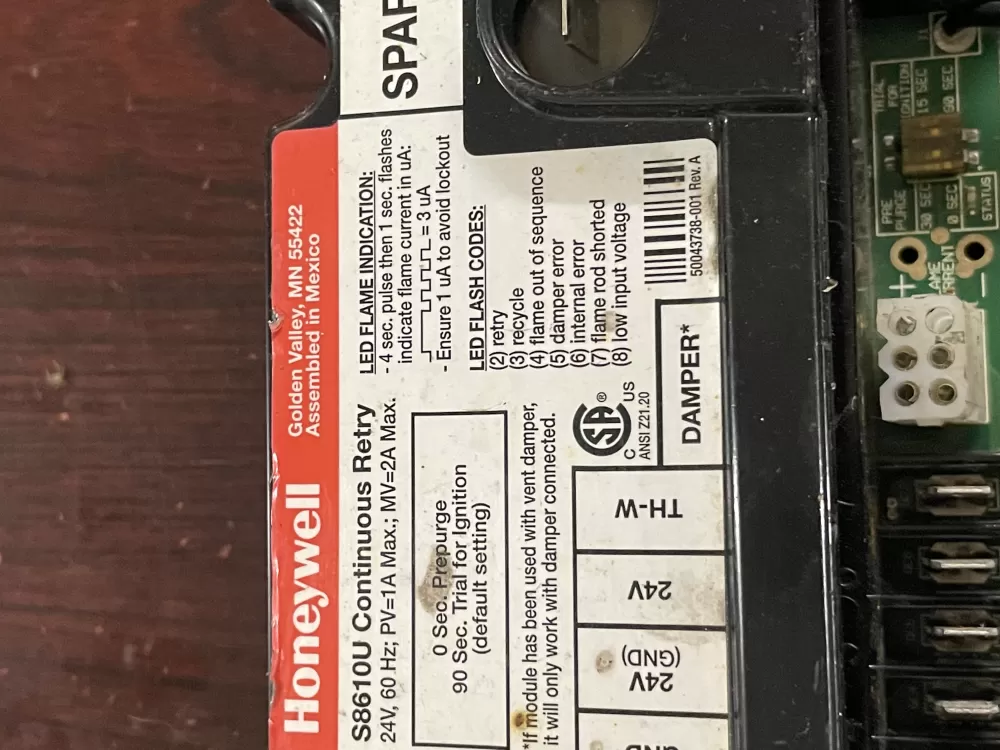
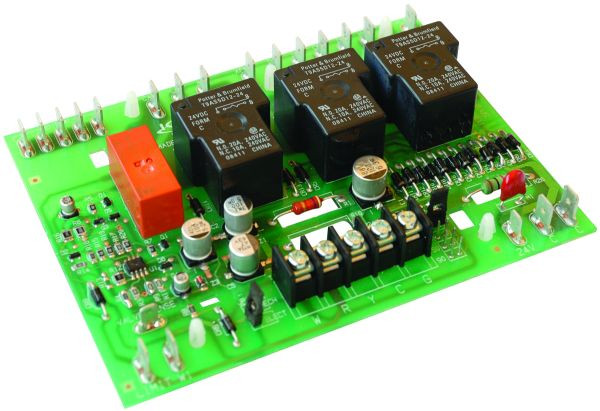
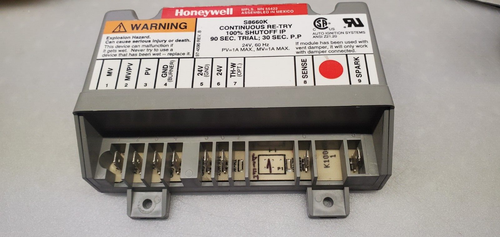
The Furnace Ignition Control Module (ICM), often referred to as the "brain" of a modern gas furnace, is a critical component responsible for managing the ignition sequence and ensuring safe and efficient operation. Understanding the ICM is essential for HVAC technicians, whether they're just starting out or seeking to advance their careers.
What is a Furnace Ignition Control Module?
The ICM replaces older, less sophisticated control systems like thermocouples and standing pilots. Its primary function is to oversee the entire ignition process, from initiating the inducer motor to monitoring flame presence. Specifically, the ICM controls:
- Inducer Motor: Starts the draft to safely vent combustion gases.
- Igniter: Activates either a hot surface igniter or a spark igniter to ignite the gas.
- Gas Valve: Opens the gas valve to allow gas flow to the burners.
- Flame Sensor: Monitors the presence of a flame and shuts down the gas valve if no flame is detected, preventing gas buildup.
- Safety Switches: Monitors various safety devices, such as high-limit switches, rollout switches, and pressure switches, to ensure safe operation.
These modules operate using complex algorithms and microprocessors, constantly monitoring sensors and adjusting parameters to optimize performance. Diagnostic capabilities built into many ICMs allow technicians to quickly troubleshoot problems by displaying error codes or providing real-time data.
Why ICM Knowledge is Crucial for HVAC Professionals
The increasing complexity of HVAC systems, driven by energy efficiency standards and smart home integration, has made ICM expertise indispensable. Here’s why:
- Troubleshooting Efficiency: Identifying a faulty ICM quickly saves time and reduces repair costs for customers. Knowing how to diagnose ICM issues using multimeters, diagnostic tools, and wiring diagrams is a valuable skill.
- Modern Furnace Repair: Almost all new gas furnaces use ICMs. Without a solid understanding, technicians are limited to working on older, less efficient systems, restricting their career growth.
- Preventative Maintenance: Checking the ICM’s performance during routine maintenance can identify potential problems before they escalate, preventing costly breakdowns.
- Enhanced Customer Service: Explaining the ICM's function to customers builds trust and demonstrates expertise, improving customer satisfaction.
Career Paths and Opportunities
A strong understanding of ICMs opens doors to various career paths within the HVAC industry. Here are a few examples:
- HVAC Technician: The most common path, involving installation, maintenance, and repair of HVAC systems. ICM diagnostics and repair are core skills. According to the Bureau of Labor Statistics, the median annual wage for HVAC mechanics and installers was $59,620 in May 2023. The job outlook is projected to grow 6 percent from 2022 to 2032, about as fast as the average for all occupations.
- HVAC Service Manager: Overseeing a team of technicians, requiring in-depth technical knowledge to provide guidance and support. Strong ICM expertise is essential for diagnosing complex issues and training junior technicians.
- HVAC Sales Engineer: Designing and selling HVAC systems, requiring a thorough understanding of system components and their operation, including the ICM. This role often commands a higher salary due to its technical and sales responsibilities. According to ZipRecruiter, the average annual pay for an HVAC Sales Engineer in the United States is $84,776 as of late October 2024.
- HVAC Controls Specialist: Specializing in the design, installation, and programming of HVAC control systems, including ICMs and building automation systems. This is a highly specialized field requiring advanced knowledge of electronics and programming.
Certifications and Training
Obtaining relevant certifications enhances credibility and demonstrates expertise to employers and customers. Key certifications include:
- NATE (North American Technician Excellence): The leading certification for HVAC technicians. NATE offers various certifications, including one specifically for gas heating, which covers ICMs extensively. Preparing for the NATE exam requires in-depth knowledge of gas furnace systems and troubleshooting techniques.
- EPA Section 608 Certification: Required for technicians who handle refrigerants. While not directly related to ICMs, it’s a fundamental certification for any HVAC technician.
- Manufacturer-Specific Training: Many manufacturers offer training courses on their specific ICM models. These courses provide valuable insights into troubleshooting and repair procedures. Companies like Carrier, Trane, and Lennox offer these programs.
- HVAC Trade Schools and Apprenticeships: Completing a formal HVAC training program or apprenticeship provides a solid foundation in HVAC fundamentals, including ICM operation and troubleshooting.
Essential Skills for Working with ICMs
Success in working with ICMs requires a combination of technical skills and problem-solving abilities. Key skills include:
- Electrical Troubleshooting: Understanding electrical circuits, using multimeters to test voltage and current, and interpreting wiring diagrams are essential.
- Gas Furnace Systems Knowledge: A thorough understanding of gas furnace operation, including combustion principles, gas valve operation, and safety controls, is crucial.
- Diagnostic Skills: The ability to interpret error codes, analyze system behavior, and identify the root cause of problems is essential.
- Programming Skills: Some advanced ICMs require programming or configuration. Basic programming skills are becoming increasingly valuable.
- Communication Skills: Clearly explaining problems and solutions to customers is essential for building trust and providing excellent service.
Salary Expectations
Salaries for HVAC technicians with ICM expertise vary depending on experience, location, and certifications. Entry-level technicians can expect to earn around $40,000 per year, while experienced technicians with advanced certifications can earn upwards of $70,000 per year or more. Salaries for specialized roles like HVAC Controls Specialists can be significantly higher.
According to Payscale, the average salary for an HVAC Technician in the United States is $50,264 as of late October 2024. However, experience and certifications can significantly increase earning potential.
ICM Technology Advancements
ICM technology is constantly evolving, driven by the need for increased efficiency, improved safety, and enhanced connectivity. Key trends include:
- Smart ICMs: Integration with smart thermostats and building automation systems allows for remote monitoring and control, optimizing energy efficiency and providing real-time diagnostics.
- Self-Diagnostics: Advanced ICMs can perform self-diagnostics and provide detailed error codes, simplifying troubleshooting and reducing downtime.
- Variable Speed Control: Some ICMs control variable speed blowers and gas valves, allowing for precise temperature control and improved energy efficiency.
- Improved Safety Features: Modern ICMs incorporate advanced safety features, such as flame rollout detection and over-temperature protection, to prevent accidents.
Example Career Trajectory
Consider the career path of a hypothetical HVAC technician named Sarah:
- Entry-Level Technician: Sarah graduates from an HVAC trade school and starts as an entry-level technician. She focuses on learning the fundamentals of HVAC systems, including basic ICM operation and troubleshooting. She obtains her EPA 608 certification.
- Mid-Level Technician: After a few years of experience, Sarah becomes a mid-level technician. She focuses on mastering ICM diagnostics and repair techniques. She obtains her NATE certification in gas heating.
- Senior Technician: Sarah becomes a senior technician, specializing in complex HVAC systems and control systems. She takes manufacturer-specific training courses on advanced ICM models.
- Service Manager: Sarah's technical expertise and leadership skills lead her to become a service manager, overseeing a team of technicians and providing technical support.
This example illustrates how a strong foundation in ICM knowledge can lead to a successful and rewarding career in the HVAC industry.
Conclusion
The Furnace Ignition Control Module is a vital component in modern HVAC systems, and a thorough understanding of its operation and troubleshooting is essential for HVAC professionals. By investing in training, obtaining relevant certifications, and developing strong technical skills, technicians can unlock a wide range of career opportunities and contribute to the efficiency and safety of residential and commercial heating systems. As technology continues to evolve, staying up-to-date with the latest ICM advancements will be crucial for long-term success in the HVAC industry. Whether you are a student, a seasoned technician, or an employer seeking qualified personnel, recognizing the importance of ICM expertise is key to navigating the dynamic landscape of the HVAC field. By prioritizing continuous learning and skill development in this area, both individuals and businesses can thrive in this essential industry.