Furnace Leaking Water From Overflow Pipe

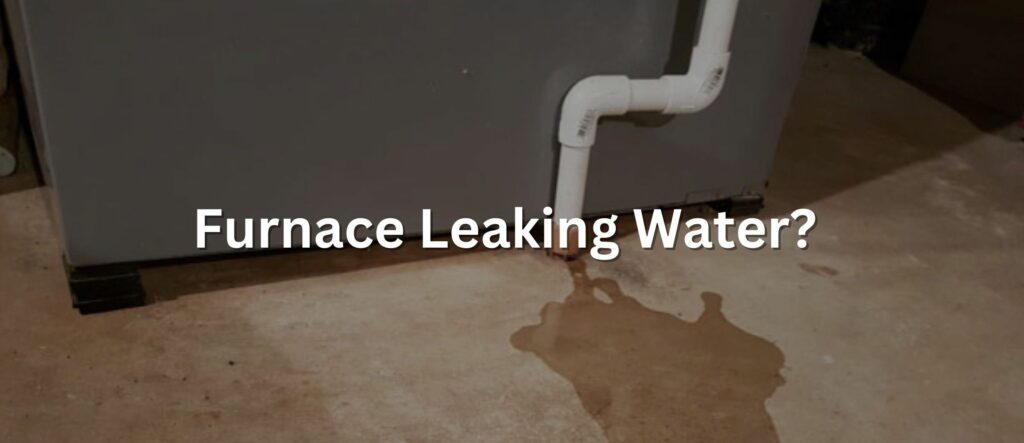
It's never a good sign when you notice water leaking from your furnace, especially from the overflow pipe. This is a common homeowner problem, often causing unnecessary panic. But before you call a professional, let's walk through some basic troubleshooting steps. In many cases, you can diagnose and even fix the issue yourself, saving time and money.
Step 1: Safety First!
Before you do anything, safety is paramount. Turn off the power to your furnace at the circuit breaker. This will prevent any electrical hazards while you're working. Locate the breaker labeled "Furnace" or "HVAC" and flip it to the "off" position. Double-check it's off by setting your thermostat to call for heat; the furnace should not start.
Step 2: Identify the Overflow Pipe
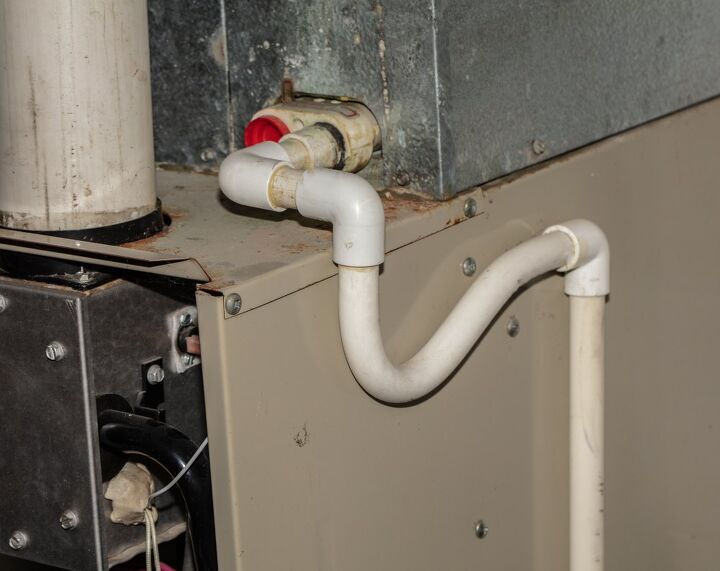
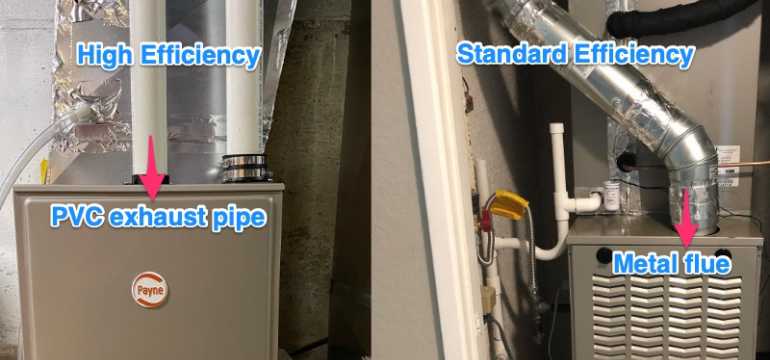
The overflow pipe is usually a PVC pipe (often white or grey) that drains water away from your furnace or sometimes from a condensate pump nearby. It might be connected to a floor drain, a utility sink, or even routed outside. The location is important as it gives you a clue about what part of the furnace is having the drainage issue.
Step 3: Understanding Condensate
Modern, high-efficiency furnaces (often called condensing furnaces) are designed to extract as much heat as possible from the fuel they burn. This process creates condensate – water – as a byproduct. This condensate is acidic and needs to be properly drained away. The overflow pipe is a safety measure, designed to prevent water damage if the normal drainage system is blocked or failing.
Step 4: Inspect the Condensate Drain Line
This is the most common culprit. The condensate drain line is a small PVC pipe that runs from the furnace to a drain, often via a condensate pump. Over time, this line can become clogged with algae, mineral deposits, or debris. Here's how to inspect it:
- Locate the drain line: Trace the line from where it exits the furnace.
- Check for obvious blockages: Look for kinks, bends, or visible obstructions in the line.
- Disconnect the drain line (carefully!): At the furnace end (after the trap, if there is one), carefully disconnect the drain line. Have a bucket ready to catch any water. Some lines are glued together so don't force anything. You might need to cut the pipe at a joint to remove the clog if it cannot be flushed out.
- Flush the drain line: Use a wet/dry vacuum to suck out any debris. Seal the vacuum hose around the end of the pipe and turn it on. You should see (and hear) debris being sucked out. Alternatively, you can try flushing the line with hot water. If that doesn't work, you can use a stiff wire or pipe cleaner to dislodge any stubborn blockages. Be careful not to puncture the pipe.
- Reassemble the drain line: Once you're confident the line is clear, reattach it to the furnace. Ensure the connection is secure to prevent leaks.
Step 5: Check the Condensate Trap
Most furnaces have a condensate trap, a U-shaped section of pipe in the drain line. This trap prevents sewer gases from entering your home through the furnace. However, it can also become clogged. Here's how to check it:
- Locate the trap: It's usually located near the furnace, as part of the condensate drain line.
- Disassemble the trap: Carefully disassemble the trap. It might be glued together or have threaded connections. Have a bucket ready to catch any water.
- Clean the trap: Remove any debris from the trap. You can use a small brush, pipe cleaner, or simply rinse it out with water.
- Reassemble the trap: Reassemble the trap, ensuring all connections are tight.
Step 6: Inspect the Condensate Pump (If Applicable)
If your furnace uses a condensate pump to move the water to a drain, the pump could be the source of the problem. These pumps can fail due to age, debris, or mechanical issues.
- Check the pump reservoir: Make sure the pump reservoir isn't overflowing. If it is, the pump isn't working correctly.
- Listen to the pump: When the furnace is running, you should hear the pump activate periodically. If you don't hear it, the pump might be dead.
- Check the pump's float switch: Most pumps have a float switch that activates the pump when the water level rises. Make sure the float switch isn't stuck in the "off" position. You can gently lift the float to see if the pump turns on.
- Clean the pump: Disconnect the pump from the power outlet and carefully remove the pump cover. Clean out any debris from the pump reservoir.
- Test the pump: Pour some water into the reservoir to see if the pump turns on and empties the water. If it doesn't, the pump needs to be replaced.
Step 7: Check the Furnace's Internal Drainage System
Sometimes, the problem isn't in the external drain line, but within the furnace itself. The furnace has an internal drainage system that can become blocked. This step might require some disassembly of the furnace, which should only be attempted if you are comfortable and experienced with appliance repair. If not, call a professional.
- Locate the internal drain pan: This pan collects condensate inside the furnace. It's usually located near the bottom of the unit.
- Inspect the drain pan: Look for any debris, rust, or corrosion in the drain pan. Clean out any debris with a wet/dry vacuum or a brush.
- Check the drain opening: Make sure the drain opening in the pan isn't blocked. You can use a wire or pipe cleaner to clear any obstructions.
Step 8: Consider a Clogged Air Conditioner Coil
In the summer, your air conditioner uses the same blower and sometimes the same drain as your furnace. A clogged AC coil can also cause water to back up and leak from the overflow pipe, even when the furnace isn't running. The coil sits above the furnace and as it cools the air, condensate forms. If the drain for the coil is blocked, that can lead to water coming out of the furnace overflow.
- Turn off the AC: Make sure the AC system is completely off.
- Access the coil: This often requires removing a panel from the ductwork above the furnace. Consult your furnace/AC manual.
- Check the drain pan under the coil: If it's full of water, the drain is likely clogged.
- Clear the drain: Use a wet/dry vac to suck out the blockage from the drain line (similar to clearing the furnace condensate line).
Step 9: When to Call a Professional
You've followed all the steps above, but the furnace is still leaking. When should you call a professional? Here are some signs:
- You're uncomfortable working with electricity or gas: Don't risk your safety.
- You can't find the source of the leak: The problem might be more complex than a simple clog.
- The furnace is making strange noises: This could indicate a mechanical problem.
- You suspect a gas leak: If you smell gas, immediately evacuate the building and call your gas company or 911.
- You see rust or corrosion on critical components: This could indicate a serious problem that requires professional repair.
- The problem persists after cleaning the drain line and condensate trap: This likely indicates a more serious problem within the furnace.
- You are not comfortable disassembling parts of the furnace: There are a lot of intricate and fragile parts inside a furnace. If you don't know what you're doing you might cause further damage.
Step 10: Prevention is Key
Once you've resolved the leaking issue, take steps to prevent it from happening again:
- Regularly inspect the condensate drain line: Check for clogs or kinks at least once a year, ideally before the start of the heating season.
- Pour a cup of distilled vinegar down the condensate drain line every few months: This will help prevent algae and mineral buildup.
- Consider installing a condensate pump alarm: This alarm will alert you if the pump fails, preventing water damage.
- Schedule regular furnace maintenance: A professional technician can inspect and clean your furnace, identifying potential problems before they become major issues.
By following these steps, you can troubleshoot a leaking furnace and potentially save yourself a costly service call. Remember, safety always comes first. If you're unsure about any step, don't hesitate to call a qualified HVAC technician.