Furnace Model Number Lookup
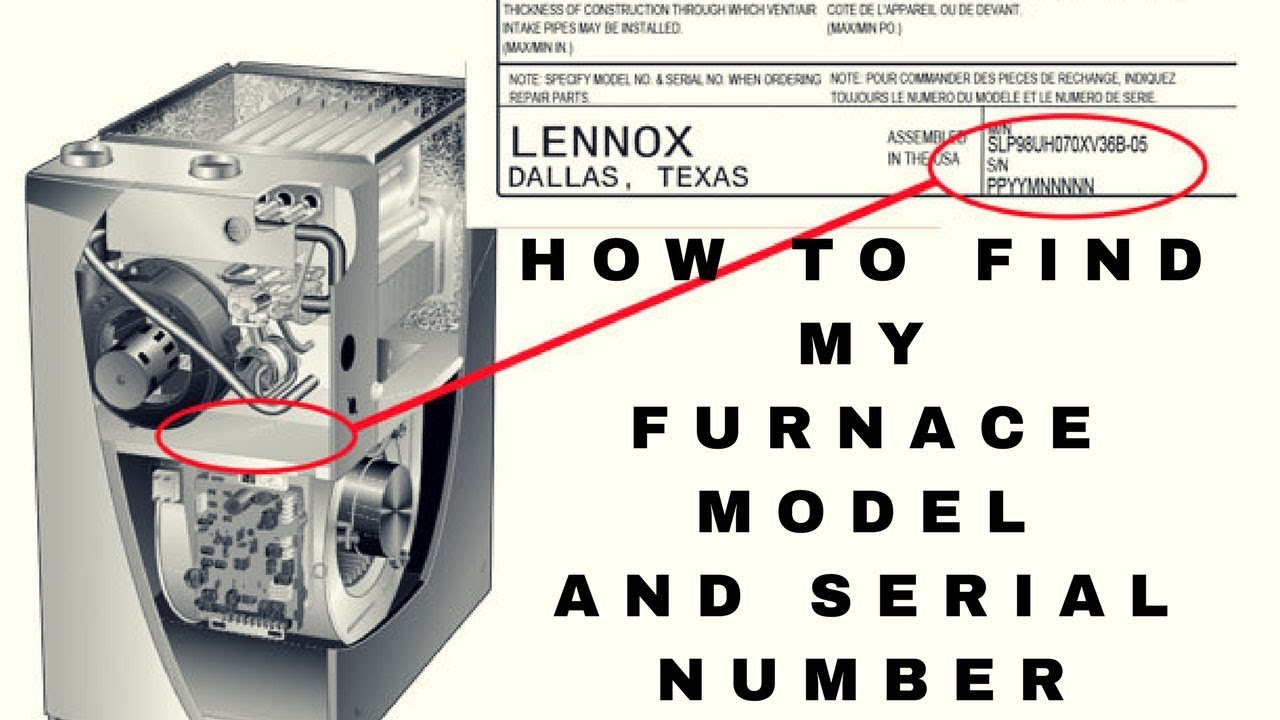
Finding your furnace model number is the first step in troubleshooting problems, ordering replacement parts, or even getting an accurate estimate for professional repairs. It's like the DNA of your heating system, unlocking a wealth of information about its specifications, age, and compatible components. This guide will walk you through locating that crucial number and using it effectively.
Where to Find Your Furnace Model Number
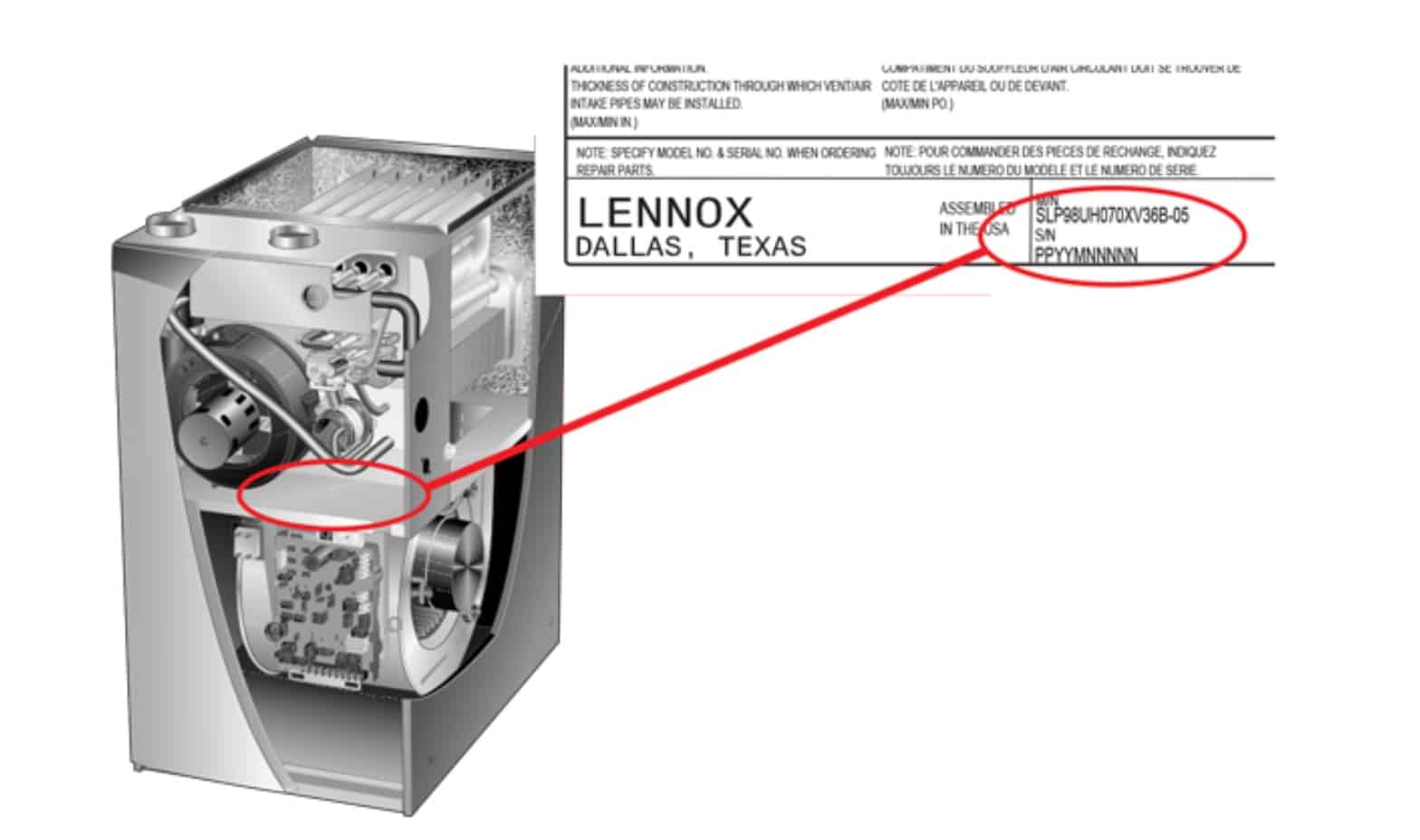
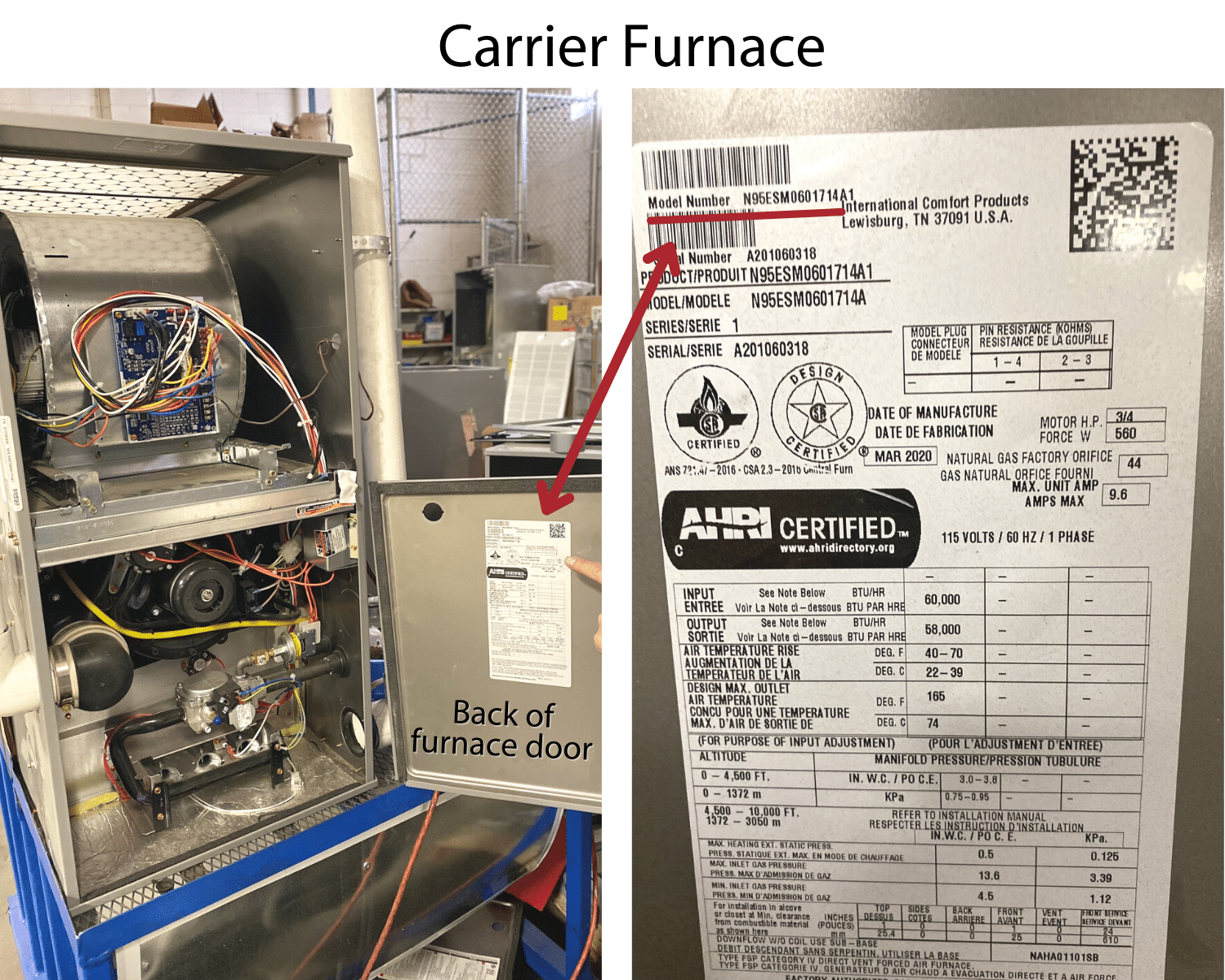
The model number is usually printed on a nameplate or rating sticker attached directly to the furnace. Here's where to look, step-by-step:
- Turn off the Power: Before you start poking around, always turn off the power to the furnace at the circuit breaker. This is a critical safety precaution.
- Locate the Furnace: Most furnaces are found in basements, attics, closets, or garages. Once you've found it, give yourself enough space to move around and inspect the unit.
- Check the Exterior: Start by visually inspecting the exterior of the furnace cabinet. Look for a sticker or plate, usually metallic, affixed to the side, front, or back. Sometimes, it's hidden near the bottom.
- Open the Access Panels: If you don't see anything on the exterior, you may need to remove one or more access panels. These are typically held in place by screws or clips. Again, make sure the power is off before removing any panels!
- Blower Compartment: This is often the largest access panel, usually located at the bottom of the furnace.
- Burner Compartment: This panel gives you access to the burners and other gas components. Do not attempt to service the burner compartment yourself unless you are a qualified HVAC technician.
- Control Panel: This panel usually houses the circuit board and other electrical components.
- Inspect Inside: Once you've removed the panels, carefully look inside the compartments. The nameplate might be attached to the inside of the cabinet or on a component within the furnace itself. Use a flashlight to help you see in dark corners.
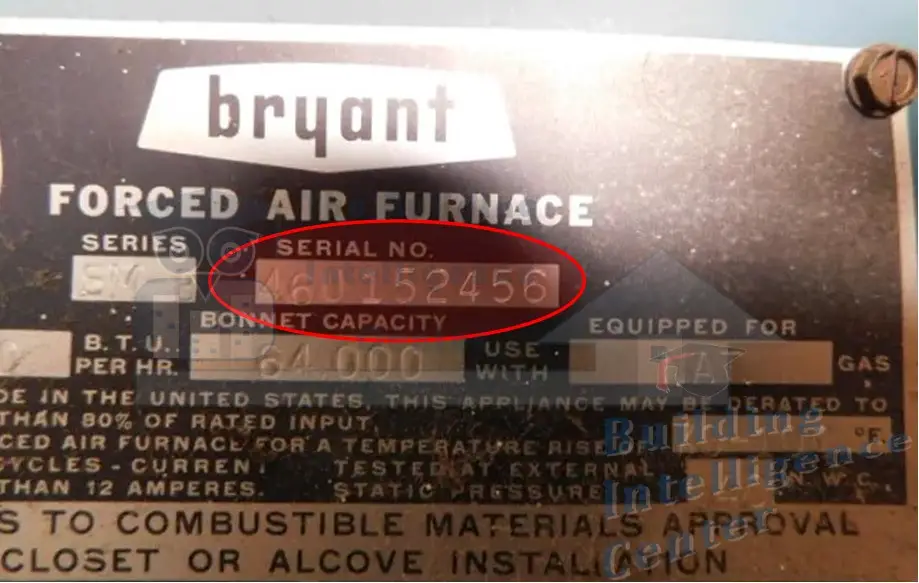
What to Look For: The nameplate will usually contain the following information:
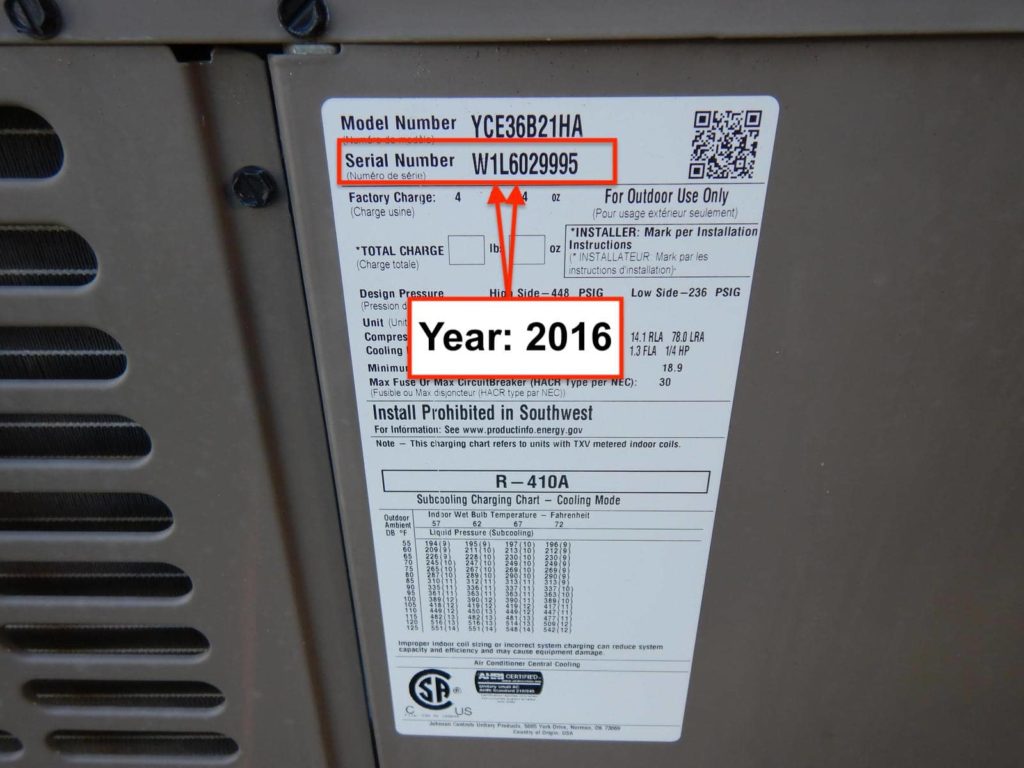
- Model Number: This is what you're after! It's usually a combination of letters and numbers (e.g., FG92ES045D12A).
- Serial Number: This is unique to your specific unit and can be helpful for warranty claims or identifying manufacturing date.
- Manufacturer: The name of the company that made the furnace (e.g., Carrier, Lennox, Rheem).
- BTU Input/Output: This indicates the heating capacity of the furnace.
- Electrical Requirements: This specifies the voltage and amperage needed to power the furnace.
Common Locations:
- Attached to the blower housing.
- On the inside of the burner compartment door.
- On the side of the furnace cabinet, near the top or bottom.
Decoding Your Furnace Model Number
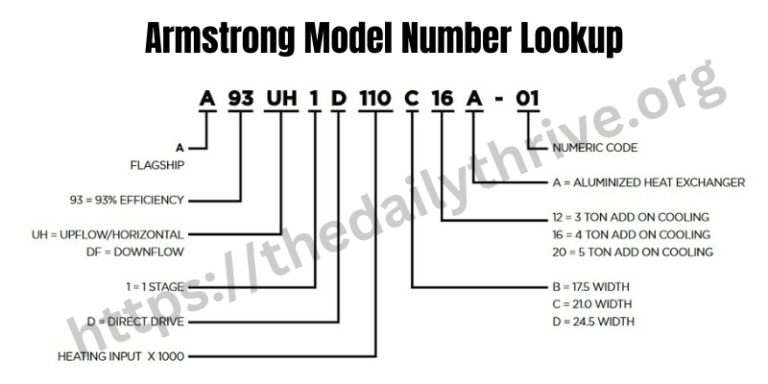
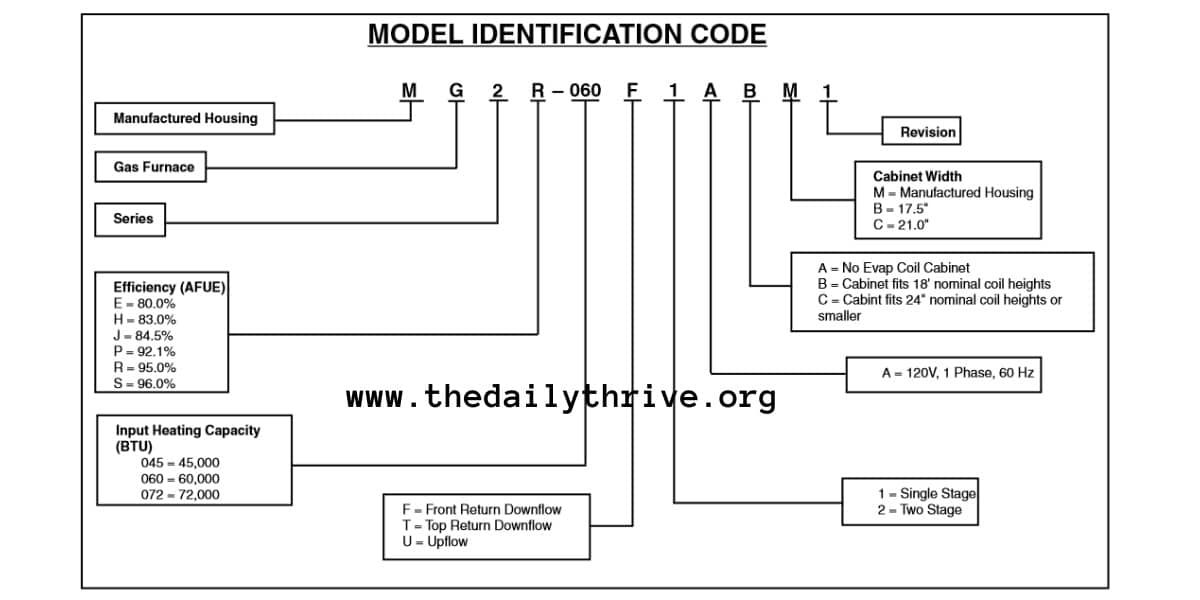
While the exact meaning of each character in the model number varies by manufacturer, there are some general patterns. Understanding these patterns can give you clues about your furnace's specifications.
- Manufacturer Identification: The first few characters often indicate the manufacturer.
- Series or Product Line: Some digits may identify a particular series or product line.
- BTU Input: A portion of the model number might relate to the BTU input rating, often in thousands (e.g., "045" might represent 45,000 BTU).
- Efficiency Rating: Some model numbers include codes indicating the furnace's efficiency rating (AFUE).
- Specific Features: Other characters could represent specific features like variable speed blowers or multi-stage heating.
Example: Let's say your furnace model number is "XYZ90-100A-3." This is just an example, of course, but here's a potential breakdown:
- "XYZ" might represent the manufacturer.
- "90" could indicate an AFUE (Annual Fuel Utilization Efficiency) of 90%.
- "100" might represent a BTU input of 100,000.
- "A-3" could indicate a specific series or revision of the model.
Note: The best way to decode your specific furnace model number is to consult the manufacturer's website or contact their customer support. You can often find a product manual or specifications sheet by searching for your model number online.
Using Your Furnace Model Number Effectively
Now that you've found your furnace model number, here's how to put it to good use:
- Finding Replacement Parts: When ordering replacement parts, the model number is essential. It ensures you get the correct part that is compatible with your furnace. Examples of parts that need a specific model number include:
- Ignitors
- Flame Sensors
- Gas Valves
- Blower Motors
- Circuit Boards
- Filters (although filter sizes are often universal)
- Troubleshooting: Many manufacturers have online troubleshooting guides or FAQs specific to each model. Knowing your model number allows you to access this valuable resource.
- Finding the User Manual: The user manual provides detailed information about your furnace's operation, maintenance, and troubleshooting. You can usually find it online using the model number.
- Getting Repair Estimates: When calling for professional repairs, providing the model number upfront allows the technician to research your furnace and give you a more accurate estimate.
- Checking Warranty Information: Your furnace warranty is tied to the model and serial number. Having this information readily available will streamline any warranty claims.
Common Furnace Problems and When to Call a Pro
While some minor furnace issues can be addressed by homeowners, it's crucial to know your limits and when to call a qualified HVAC technician. Here are some common problems and guidance on when to seek professional help:
DIY-Friendly Issues:
- Dirty Air Filter: This is the most common cause of furnace problems. Replace the air filter regularly (every 1-3 months) to maintain proper airflow and efficiency.
- Tripped Circuit Breaker: Check the circuit breaker for the furnace and reset it if necessary. If the breaker trips repeatedly, there may be a more serious electrical issue.
- Pilot Light Problems (Older Furnaces): If your furnace has a pilot light, make sure it's lit. Follow the manufacturer's instructions for relighting the pilot. If it won't stay lit, there may be a problem with the gas valve or thermocouple.
- Thermostat Issues: Ensure your thermostat is set correctly and that the batteries are fresh (if applicable).
When to Call a Professional:
- Gas Leaks: If you suspect a gas leak (e.g., you smell gas), immediately evacuate the premises and call your gas company or 911.
- Carbon Monoxide (CO) Detection: If your CO detector is alarming, evacuate the premises and call 911. CO is a deadly, odorless gas.
- Strange Noises: Loud banging, screeching, or grinding noises could indicate serious mechanical problems that require professional attention.
- Frequent Cycling: If your furnace is turning on and off frequently, it could be a sign of overheating or other issues.
- No Heat: If you've checked the filter, breaker, and thermostat and your furnace still isn't producing heat, it's time to call a professional.
- Burner Issues: Problems with the burners (e.g., delayed ignition, yellow flames) should be addressed by a qualified technician.
- Electrical Problems: Any electrical repairs beyond resetting a circuit breaker should be handled by a licensed electrician or HVAC technician.
Safety First! Always prioritize safety when working on your furnace. If you're unsure about any aspect of the repair, it's best to call a professional.
Tools You Might Need
If you plan on doing some basic DIY maintenance on your furnace, here are some tools you might find useful:
- Screwdrivers (Phillips and Flathead): For removing access panels and other components.
- Wrench Set: For tightening or loosening gas lines and other fittings (use caution!).
- Multimeter: For testing electrical components (only if you're comfortable with electrical work).
- Flashlight: For illuminating dark areas inside the furnace.
- Vacuum Cleaner: For cleaning dust and debris from inside the furnace.
- Work Gloves: To protect your hands.
- Safety Glasses: To protect your eyes.
Finding Professional Help
When it comes to complex furnace repairs, it's best to leave it to the experts. Here are some tips for finding a reputable HVAC technician:
- Get Referrals: Ask friends, family, or neighbors for recommendations.
- Check Online Reviews: Read reviews on websites like Google, Yelp, and the Better Business Bureau.
- Verify Licensing and Insurance: Make sure the technician is licensed and insured in your area.
- Get Multiple Quotes: Compare quotes from different companies before making a decision.
- Ask About Experience: Choose a technician with experience working on your type of furnace.
By understanding how to find and use your furnace model number, you can be a more informed homeowner and better prepared to troubleshoot problems, order parts, or get accurate repair estimates. Remember to prioritize safety and call a professional when needed. Maintaining your furnace properly will ensure its longevity and efficiency, keeping you warm and comfortable all winter long.