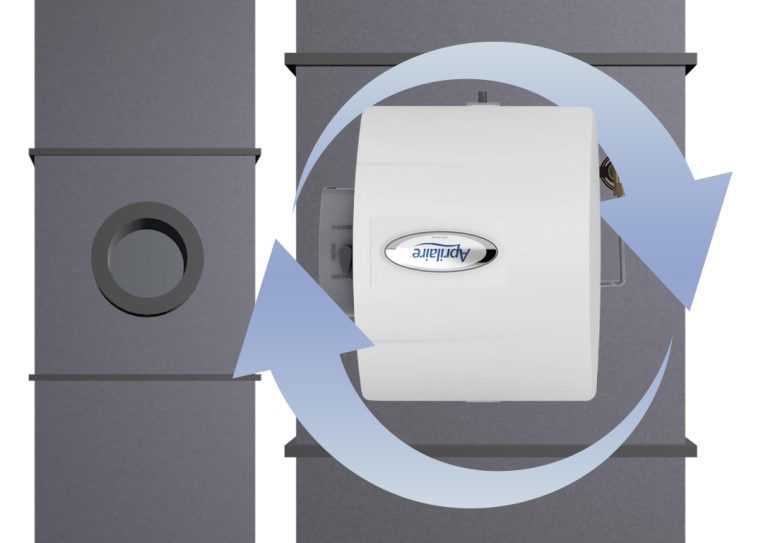
Furnace Mounted Humidifiers
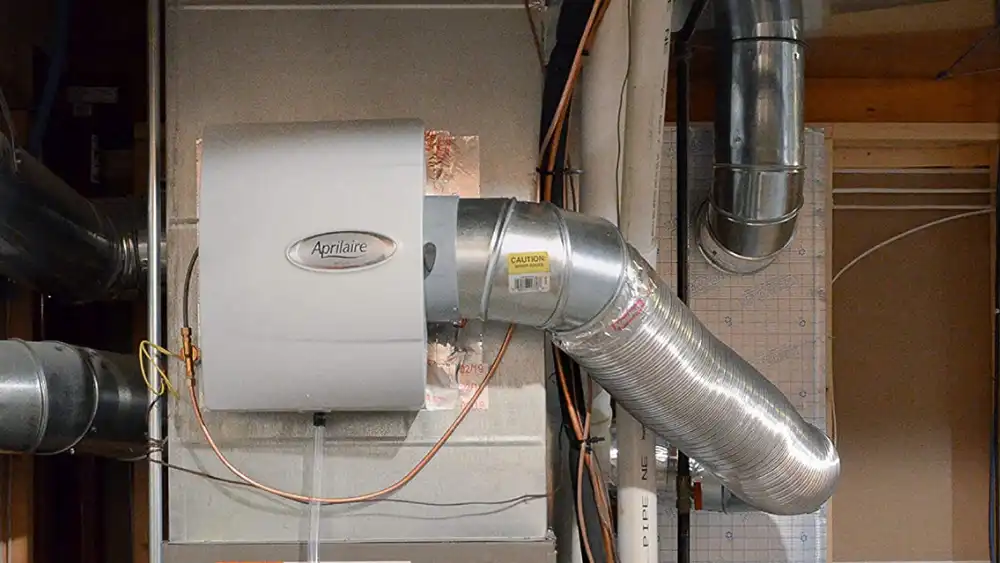
Frequently Asked Questions: Furnace Mounted Humidifiers
Furnace mounted humidifiers are a popular way to add moisture to the air during the heating season. But understanding how they work and whether they're right for you can be tricky. This FAQ answers some of the most common questions homeowners and facility managers have about these systems.
Question 1: What exactly is a furnace mounted humidifier, and how does it work?
A furnace mounted humidifier is a device that connects directly to your HVAC (Heating, Ventilation, and Air Conditioning) system to add moisture to the air. It's designed to work in tandem with your furnace, humidifying the air as it's being heated and distributed throughout your home or building.
Here's a simplified breakdown of how it works:
- Water Supply: The humidifier is connected to a water line, typically a cold water line.
- Humidifier Pad/Drum: The water flows into the humidifier and wets a pad (also called an evaporator pad) or a rotating drum.
- Heated Airflow: When your furnace is running, hot air from the furnace is blown across the wet pad or drum.
- Evaporation: The heat causes the water to evaporate, turning it into water vapor.
- Moist Air Distribution: The humidified air is then circulated throughout your home or building via your ductwork.
Essentially, it's a system that uses the heat generated by your furnace to evaporate water and distribute the resulting moisture into the air. This helps combat the dryness that often accompanies heating systems, especially in colder climates.
Question 2: What are the different types of furnace mounted humidifiers available?
There are primarily three main types of furnace mounted humidifiers, each with its own advantages and disadvantages:
- Bypass Humidifiers: These are the most common and typically the least expensive type. They use a bypass duct to direct some of the heated air from your furnace through the humidifier. The air is humidified as it passes over a wet evaporator pad and then returned to the main ductwork. Bypass humidifiers can be either "flow-through" or "reservoir" type. Flow-through types are more efficient as they continuously drain excess water, preventing stagnant water issues. Reservoir types can lead to mineral buildup if not properly maintained.
- Fan-Powered Humidifiers: These humidifiers have their own fan that draws air from the furnace supply duct, forces it through the wetted pad, and then sends the humidified air back into the ductwork. Because they have their own fan, they don't rely as much on the furnace's airflow, making them more efficient and effective, especially when the furnace isn't running at full capacity. Fan-powered humidifiers generally provide more consistent humidity levels than bypass models.
- Steam Humidifiers: These are the most expensive and typically the most effective type. They generate steam by boiling water using an electric element. The steam is then injected directly into the ductwork. Steam humidifiers offer precise humidity control and are less susceptible to mineral buildup compared to other types. They are also a good choice for homes or buildings with variable furnace usage, as they don't rely on the furnace for heat.
Choosing the right type depends on your budget, the size of your home, and your specific humidity needs.
Question 3: What are the benefits of using a furnace mounted humidifier?
Using a furnace mounted humidifier offers a range of benefits that can improve your comfort and well-being:
- Increased Comfort: Dry air can lead to dry skin, itchy eyes, and a scratchy throat. Adding humidity can alleviate these discomforts, making your home feel more comfortable.
- Reduced Static Electricity: Dry air promotes static electricity, leading to annoying shocks when you touch objects. A humidifier can significantly reduce static electricity.
- Improved Health: Dry air can dry out your nasal passages, making you more susceptible to colds and flu. Maintaining proper humidity levels can help keep your nasal passages moist, making you less vulnerable to respiratory infections.
- Protection for Wood Furniture and Flooring: Dry air can cause wood furniture and flooring to crack and warp. A humidifier can help prevent this damage by maintaining a consistent humidity level.
- Energy Savings: Humid air feels warmer than dry air at the same temperature. This means you may be able to lower your thermostat setting and still feel comfortable, resulting in energy savings.
- Better Sleep: Optimal humidity levels can contribute to better sleep quality by preventing dry throats and nasal passages that can disrupt your sleep.
Overall, a furnace mounted humidifier can create a more comfortable, healthier, and energy-efficient indoor environment.
Question 4: Are there any potential problems or downsides to consider before installing one?
While furnace mounted humidifiers offer many benefits, it's important to be aware of potential problems:
- Mold and Mildew Growth: If humidity levels are too high, it can create a breeding ground for mold and mildew, which can be harmful to your health and damage your home. It's crucial to monitor humidity levels and ensure they stay within the recommended range (typically 30-50%).
- Mineral Buildup: Hard water can cause mineral buildup in the humidifier, reducing its efficiency and potentially damaging the unit. Regular cleaning and maintenance are essential to prevent mineral buildup. Consider using a water softener if you have hard water.
- Water Leaks: Humidifiers are connected to a water line, which means there's a potential for leaks. Regular inspections are important to catch and fix leaks promptly.
- Maintenance Requirements: Humidifiers require regular maintenance, including cleaning, filter changes, and inspections. Neglecting maintenance can lead to reduced efficiency, increased risk of mold growth, and potential damage to the unit.
- Cost: The initial cost of purchasing and installing a furnace mounted humidifier can be significant, especially for steam humidifiers. There are also ongoing costs associated with water usage, electricity (for steam humidifiers), and maintenance.
- Over-Humidification: It's easy to over-humidify a home, leading to condensation on windows and other surfaces, which can promote mold growth. Investing in a good humidistat and monitoring humidity levels is vital.
Being aware of these potential problems and taking steps to mitigate them can help you enjoy the benefits of a furnace mounted humidifier without the drawbacks.
Question 5: How do I maintain a furnace mounted humidifier to ensure it works efficiently and safely?
Proper maintenance is crucial for ensuring your furnace mounted humidifier operates efficiently, safely, and reliably. Here's a maintenance checklist:
- Regular Cleaning: Clean the humidifier regularly, ideally every 1-3 months, depending on water quality and usage. This involves disassembling the unit and cleaning the water reservoir, pad, and other components with a mild detergent or a solution of vinegar and water.
- Evaporator Pad Replacement: Replace the evaporator pad at least once a year, or more frequently if it's heavily soiled or shows signs of mineral buildup. A clean pad ensures efficient evaporation and prevents the spread of contaminants.
- Water Line Inspection: Inspect the water line connections regularly for leaks. Tighten connections if necessary and replace any damaged tubing.
- Humidistat Calibration: Check the accuracy of your humidistat and calibrate it as needed. A properly calibrated humidistat ensures that the humidifier is maintaining the desired humidity level.
- Drain Line Cleaning (for bypass humidifiers): Clean the drain line regularly to prevent clogs. Clogged drain lines can lead to water backup and potential water damage.
- Professional Inspection: Schedule a professional inspection and maintenance service at least once a year. A qualified HVAC technician can identify potential problems and perform necessary repairs to keep your humidifier operating at peak performance.
- Monitor Humidity Levels: Use a reliable hygrometer to monitor humidity levels in your home and adjust the humidifier settings accordingly. Avoid over-humidification, which can lead to mold growth.
- Consider a Water Softener: If you have hard water, consider installing a water softener to reduce mineral buildup in the humidifier.
Following these maintenance tips will help extend the life of your humidifier and ensure that it continues to provide comfortable and healthy humidity levels in your home.
Question 6: Can I install a furnace mounted humidifier myself, or should I hire a professional?
While some homeowners may be tempted to install a furnace mounted humidifier themselves to save money, it's generally recommended to hire a qualified HVAC professional for the installation.
Here's why:
- Complexity: Installing a furnace mounted humidifier involves working with water lines, electrical connections (for steam humidifiers), and ductwork. It requires technical knowledge and expertise to ensure that the humidifier is installed correctly and safely.
- Safety: Improper installation can lead to water leaks, electrical hazards, and reduced furnace efficiency. A professional will ensure that the humidifier is installed according to code and that all safety precautions are taken.
- Warranty: Many humidifier manufacturers require professional installation for the warranty to be valid. Installing the humidifier yourself may void the warranty.
- Proper Sizing: A professional can help you choose the right size humidifier for your home and ensure that it's properly configured to meet your specific needs.
- Code Compliance: HVAC professionals are familiar with local building codes and regulations related to humidifier installation. They will ensure that the installation complies with all applicable codes.
- Avoid Costly Mistakes: Incorrect installation can lead to costly repairs and potential damage to your furnace and ductwork. Hiring a professional can help you avoid these mistakes.
While the upfront cost of professional installation may be higher, it's a worthwhile investment that can save you money and headaches in the long run. You'll also have peace of mind knowing that the humidifier is installed correctly and safely.
Question 7: How much does it cost to install and operate a furnace mounted humidifier?
The cost of installing and operating a furnace mounted humidifier can vary depending on several factors, including:
- Type of Humidifier: Steam humidifiers are typically the most expensive, followed by fan-powered humidifiers, and then bypass humidifiers.
- Size of Your Home: Larger homes require larger humidifiers, which are generally more expensive.
- Installation Complexity: More complex installations, such as those requiring extensive ductwork modifications, will cost more.
- Labor Costs: Labor costs vary depending on your location and the experience of the HVAC contractor.
- Water Usage: Bypass humidifiers, especially reservoir types, can use a significant amount of water. Steam humidifiers use water to create steam, and this translates into water costs.
- Electricity Costs (for Steam Humidifiers): Steam humidifiers use electricity to heat the water, which can add to your monthly utility bill.
- Maintenance Costs: Ongoing maintenance costs include filter replacements, cleaning supplies, and potential repairs.
Here's a general estimate of the costs involved:
- Installation Costs: Bypass humidifiers typically range from $200 to $500 installed. Fan-powered humidifiers range from $400 to $800 installed. Steam humidifiers can range from $800 to $1500+ installed. These are *estimates* and should be confirmed by local quotes.
- Operating Costs: Water usage can add anywhere from $10 to $50+ per month to your water bill, depending on usage and water rates. Electricity costs for steam humidifiers can range from $10 to $50+ per month, depending on electricity rates and humidifier usage.
It's important to get quotes from several HVAC contractors to get an accurate estimate of the installation costs for your specific home. Also, factor in the ongoing operating and maintenance costs when budgeting for a furnace mounted humidifier.

/ScreenShot2020-05-15at2.11.45PM-e19f0972ecdc4009ad359819ed7f0d0d.png)
:max_bytes(150000):strip_icc()/anatomy-of-the-home-furnace-humidifier-1824773color-d41575bdba834fd59ac29178949a1e2a.png)

/Gas-Furnace-and-Water-Heater-86517326-576e8f253df78cb62c22474c.jpg)