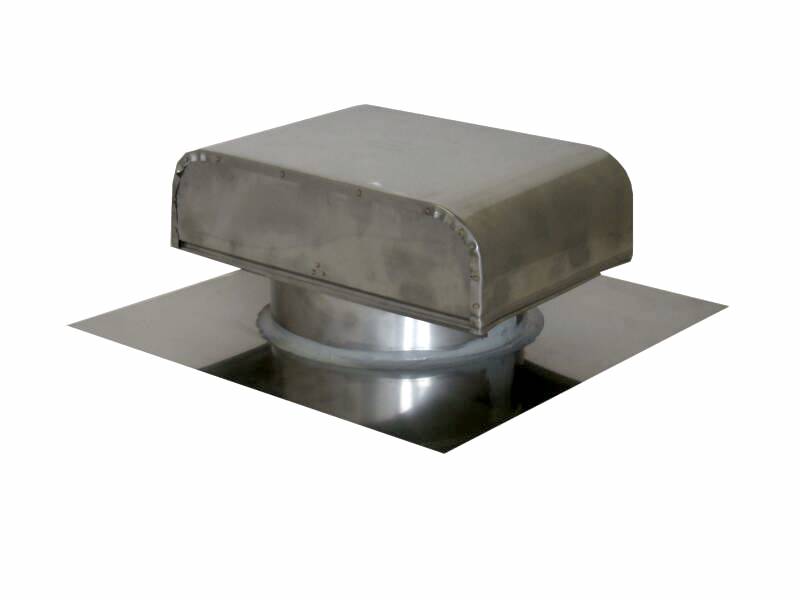
Furnace Roof Vent Cap
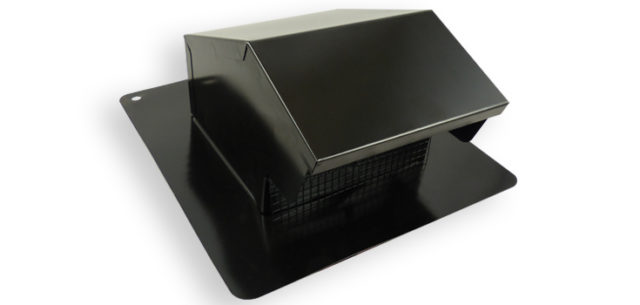
Frequently Asked Questions About Furnace Roof Vent Caps
Your furnace roof vent cap, often simply called a vent cap, plays a crucial role in the safe and efficient operation of your home's heating system. It's responsible for allowing exhaust gases to escape while preventing rain, snow, and debris from entering your furnace. This FAQ will address common questions homeowners and facility managers have about furnace roof vent caps.
Q: What is a furnace roof vent cap and why is it important?
A furnace roof vent cap is a protective covering installed at the top of the flue pipe that extends from your furnace through your roof. Its primary functions are:
- Exhausting Combustion Gases: To safely vent harmful gases like carbon monoxide away from your home.
- Preventing Backdrafting: To keep wind from blowing exhaust back into your furnace and your home.
- Protecting Against the Elements: To keep rain, snow, leaves, and animals from entering the flue pipe.
Without a functioning vent cap, your furnace's efficiency can decrease, and more seriously, dangerous carbon monoxide could leak into your home. A damaged or missing cap can also lead to water damage to your furnace and flue.
Q: What are the different types of furnace roof vent caps?
While designs vary, the most common types of furnace roof vent caps include:
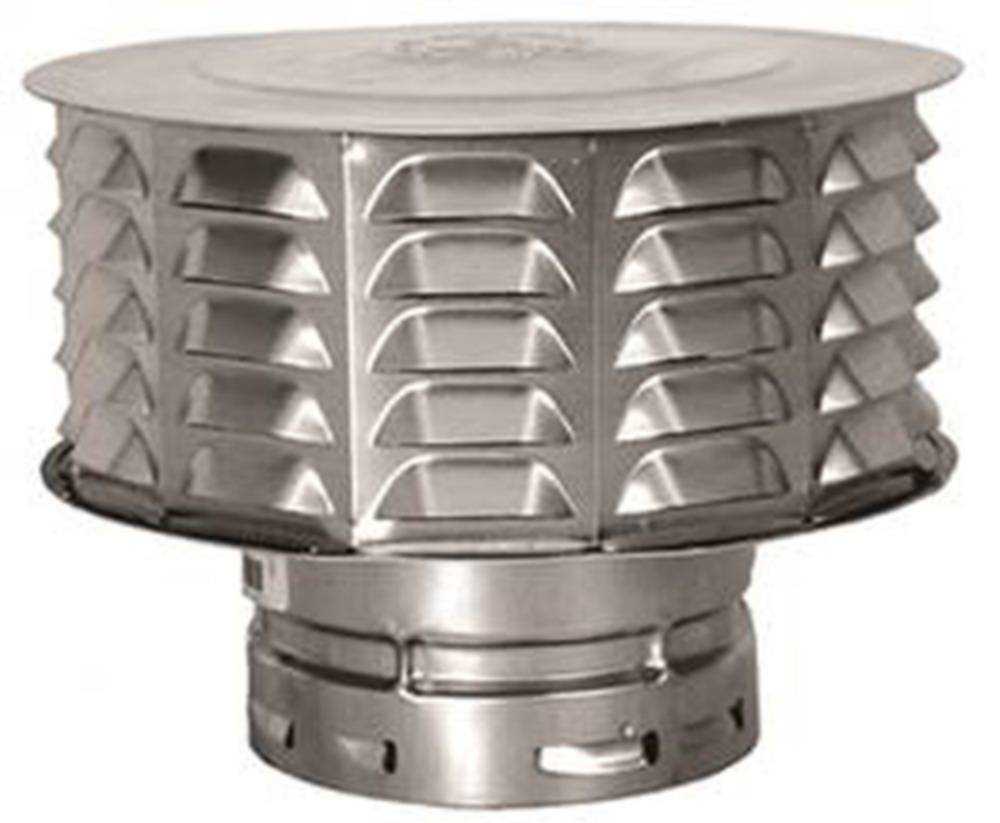
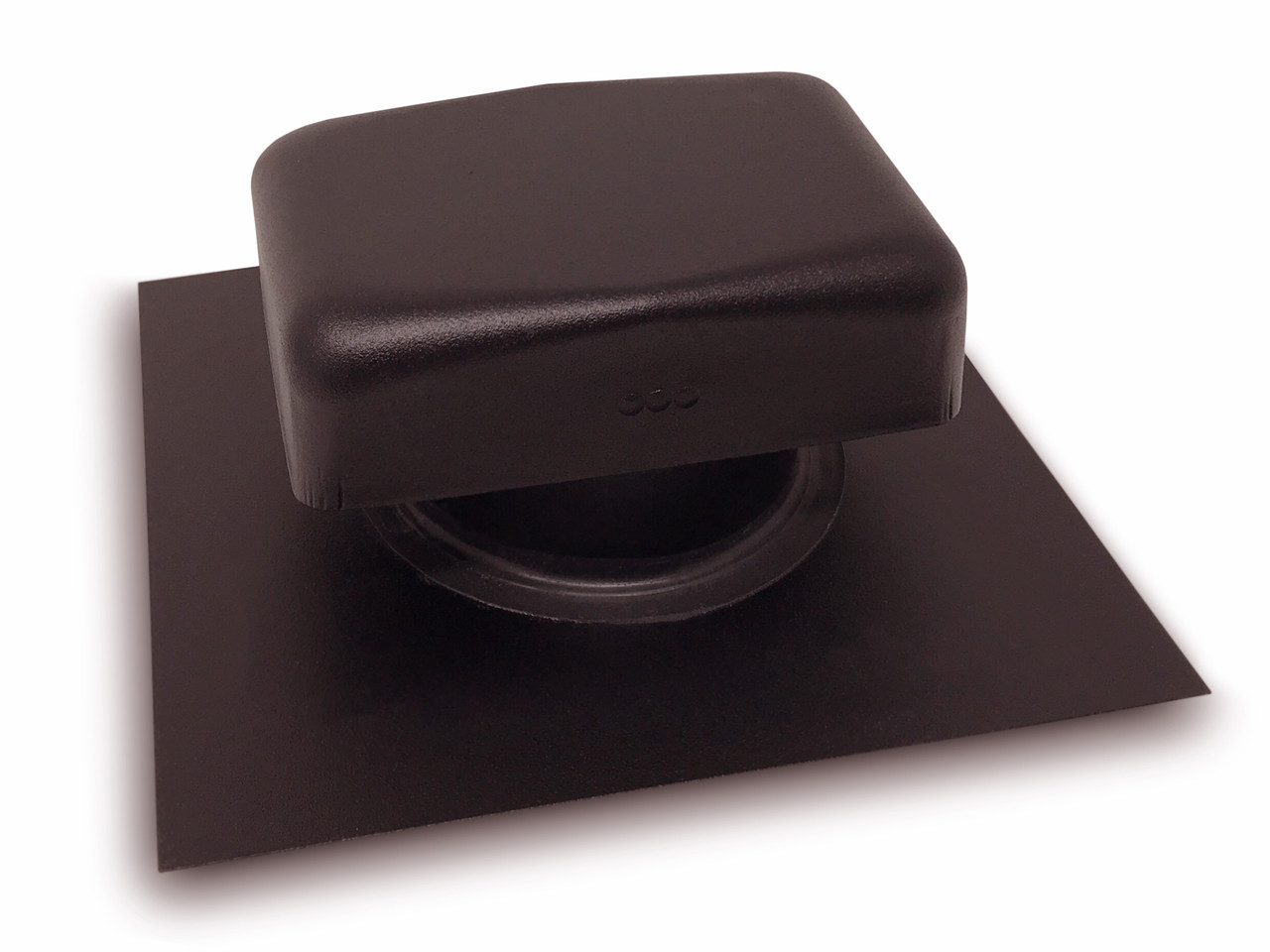
- Standard Rain Cap: This is the most basic type, featuring a simple hood or cone-shaped cover that deflects rain and snow. They're usually made of metal (galvanized steel or aluminum).
- Wind Directional Caps: These caps rotate to face away from the wind, minimizing backdrafting. They are particularly useful in areas with high winds.
- High-Efficiency Furnace Vent Caps: Specifically designed for high-efficiency condensing furnaces. They are often made of PVC or CPVC, as these furnaces produce cooler, corrosive exhaust that can damage metal vents. These caps often include a mesh screen to prevent ice formation.
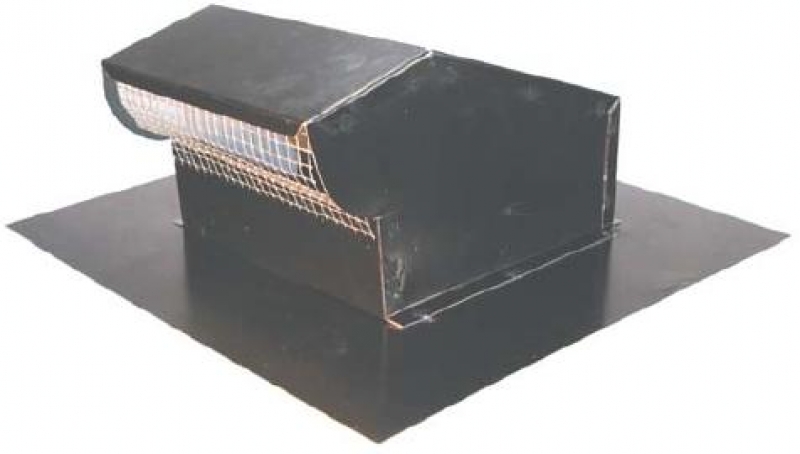
- Combination Vent Caps: Some caps combine features, such as a rain cap with a bird screen.
Choosing the right type depends on your furnace type, local climate, and building codes. Always consult with a qualified HVAC technician if you are unsure which type is best for your home.
Q: How do I know if my furnace roof vent cap is damaged or needs replacing?
Regular inspection of your furnace roof vent cap is essential. Look for the following signs of damage:
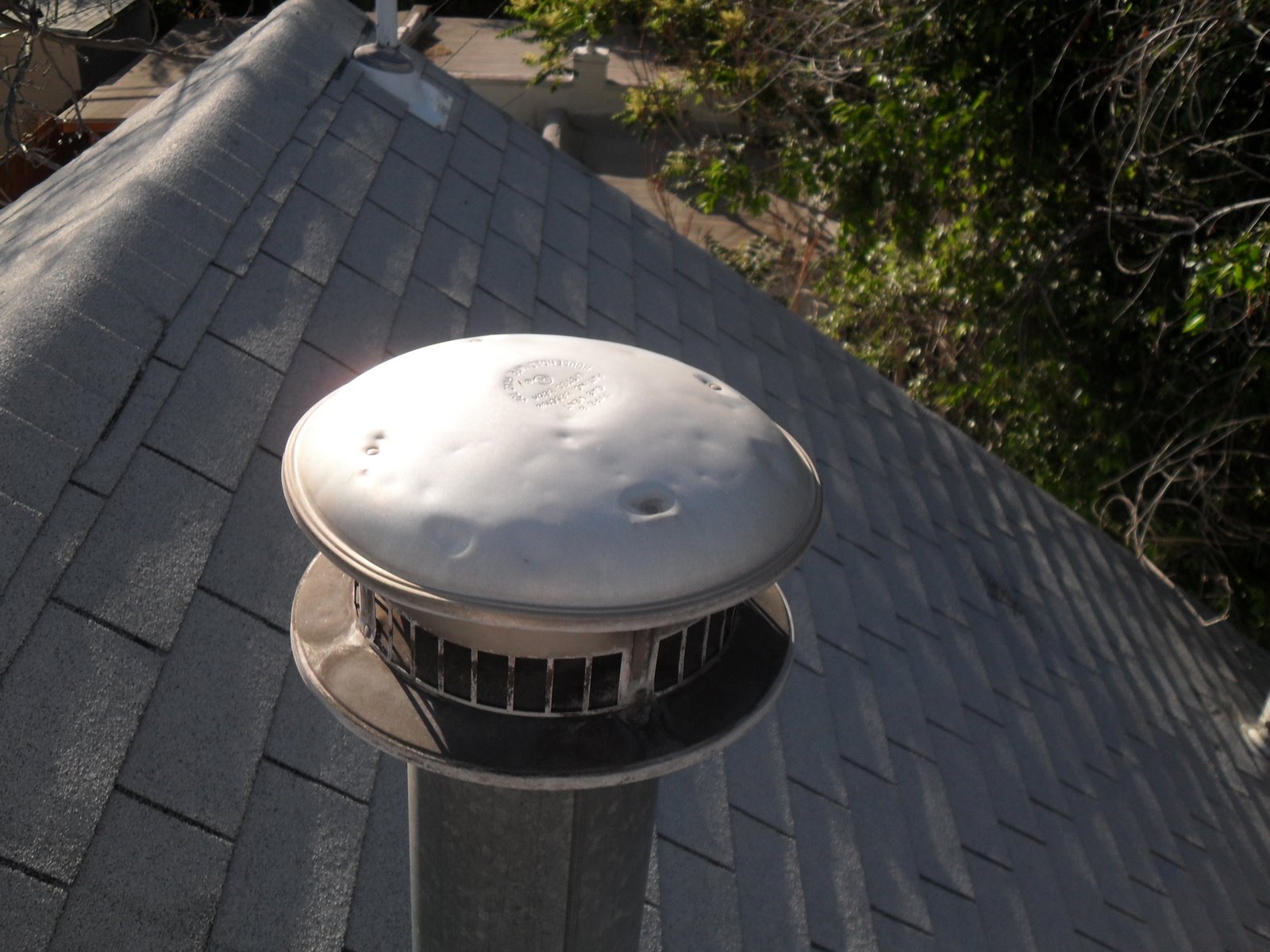
- Visible Rust or Corrosion: Especially on metal caps, rust indicates the cap is deteriorating and may need replacement.
- Cracks or Holes: Any cracks or holes compromise the cap's ability to protect the flue pipe.
- Missing Pieces: If sections of the cap are missing, it needs to be replaced immediately.
- Debris Buildup: Excessive leaves, nests, or other debris can block the vent and reduce furnace efficiency.
- Unusual Noises: A rattling or whistling sound during windy conditions may indicate a loose or damaged cap.
- Water Leaks: Water stains around the furnace or flue pipe can be a sign that the vent cap is not effectively preventing rain or snow from entering.
- Furnace Malfunctions: Frequent furnace shutdowns or error codes related to venting issues can indicate a problem with the vent cap or flue.
If you observe any of these signs, it's crucial to address the issue promptly. A damaged vent cap can lead to serious problems with your heating system and potentially dangerous carbon monoxide leaks.
Q: Can I replace my furnace roof vent cap myself, or do I need a professional?
While some homeowners with experience working on roofs and HVAC systems might feel comfortable replacing a vent cap themselves, it's generally recommended to hire a qualified HVAC technician for the following reasons:
- Safety: Working on a roof can be dangerous. A professional has the necessary safety equipment and experience to minimize the risk of falls.
- Proper Installation: Correct installation is crucial for the vent cap to function properly. A professional will ensure the cap is securely attached and properly sealed to prevent leaks.
- Code Compliance: Local building codes often dictate specific requirements for venting systems. A professional will be familiar with these codes and ensure the installation complies.
- Diagnosis of Underlying Issues: A professional can inspect the entire venting system for other potential problems, such as a blocked flue or damaged flue pipe.
- Furnace Warranty: Improper installation of a vent cap may void your furnace warranty.
If you choose to replace the cap yourself, be sure to follow all safety precautions, use appropriate tools, and adhere to local building codes. Always turn off the furnace at the breaker before starting any work.
Q: How much does it cost to replace a furnace roof vent cap?
The cost of replacing a furnace roof vent cap varies depending on several factors:
- Type of Vent Cap: High-efficiency furnace vent caps and wind directional caps are typically more expensive than standard rain caps.
- Material: Metal caps can be more expensive than PVC, depending on the gauge and grade of the material.
- Labor Costs: Labor costs vary depending on your location and the complexity of the job. Factors that influence labor cost can be difficult roof access, the need to remove and replace damaged sections of the flue pipe, and the time of year (peak heating season may result in higher rates).
- Permits: Some municipalities require permits for vent cap replacements.
Generally, you can expect to pay anywhere from $150 to $500 or more for a vent cap replacement, including parts and labor. It's always a good idea to get quotes from multiple HVAC contractors to ensure you're getting a fair price.
Q: How can I maintain my furnace roof vent cap to prolong its life?
Proper maintenance can significantly extend the life of your furnace roof vent cap. Here are some tips:
- Regular Inspections: Inspect the cap at least once a year, preferably before the heating season, for any signs of damage or deterioration.
- Debris Removal: Remove any leaves, twigs, nests, or other debris that may have accumulated on or around the cap. A long-handled brush or vacuum cleaner can be helpful for this.
- Professional Cleaning: Consider having your entire venting system professionally cleaned every few years to remove soot and other buildup.
- Address Rust Promptly: If you notice any rust, treat it with a rust inhibitor and consider painting the cap with a rust-resistant paint.
- Trim Overhanging Branches: Keep trees and shrubs trimmed to prevent branches from rubbing against the cap or dropping debris onto it.
By following these maintenance tips, you can help ensure your furnace roof vent cap continues to function properly and protect your home from the elements and dangerous exhaust gases. Ignoring maintenance can lead to costly repairs or even hazardous conditions.
Q: What happens if I ignore a damaged or missing furnace roof vent cap?
Ignoring a damaged or missing furnace roof vent cap can lead to a range of serious problems, including:
- Carbon Monoxide Poisoning: This is the most dangerous consequence. A compromised vent cap can allow carbon monoxide to leak into your home, posing a significant health risk to you and your family. Carbon monoxide is odorless and colorless, making it difficult to detect without a carbon monoxide detector.
- Furnace Damage: Rain and snow entering the flue pipe can corrode and damage your furnace, leading to costly repairs or premature failure.
- Reduced Furnace Efficiency: A blocked or damaged vent cap can restrict airflow, making your furnace work harder and less efficiently, leading to higher energy bills.
- Backdrafting: Wind blowing down the flue pipe can force exhaust gases back into your home, increasing the risk of carbon monoxide poisoning.
- Fire Hazard: In some cases, a damaged or blocked vent can create a fire hazard by allowing flammable materials to come into contact with hot exhaust gases.
- Mold and Mildew Growth: Moisture entering the flue pipe can create a breeding ground for mold and mildew, which can cause respiratory problems and other health issues.
Therefore, it is vital to address any issues with your furnace roof vent cap promptly to protect your health, safety, and property. If you suspect a problem, contact a qualified HVAC technician immediately.