Furnace Squirrel Cage Blower

Understanding Your Furnace's Squirrel Cage Blower: A Homeowner's Guide
The unsung hero of your home's heating system is the furnace blower, often referred to as the squirrel cage blower or blower wheel. This component is vital for circulating heated air throughout your house. When it malfunctions, your comfort and energy bills suffer. This guide will help you understand, troubleshoot, and potentially fix common issues related to your furnace blower.
What is a Squirrel Cage Blower and How Does It Work?
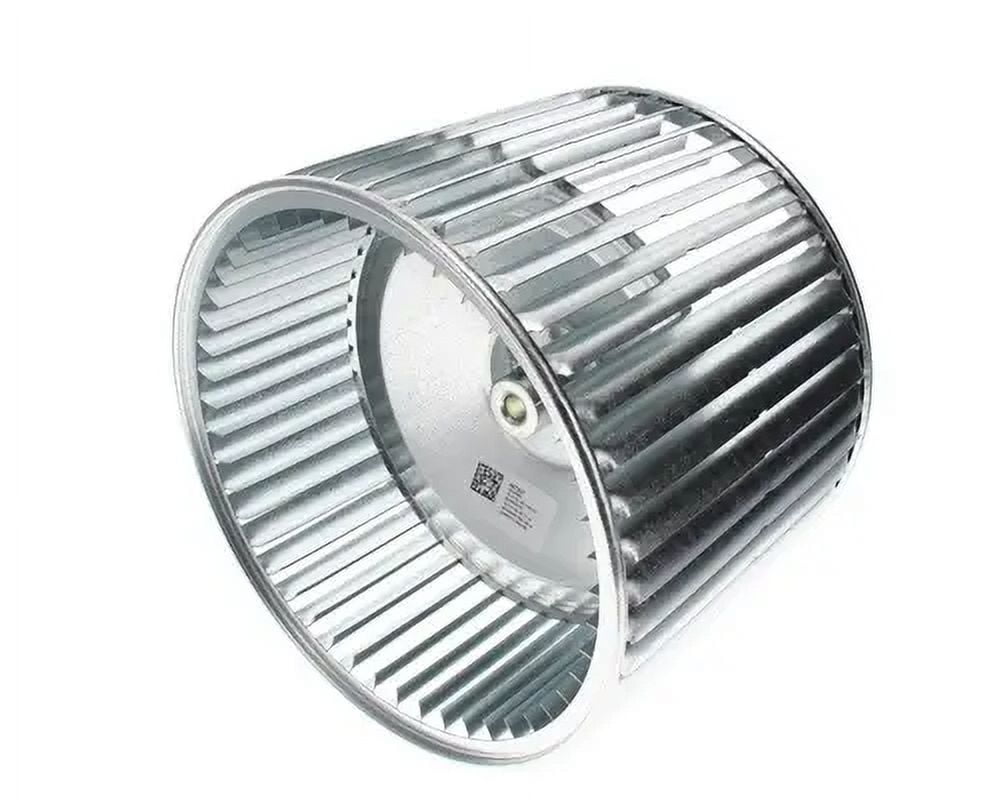
The squirrel cage blower is a centrifugal fan designed to move large volumes of air at relatively low pressure. It consists of a cylindrical wheel with multiple blades or vanes attached to its outer surface. As the wheel spins, air is drawn into the center and forced outward by the rotating blades, creating a constant airflow through your furnace and ductwork.
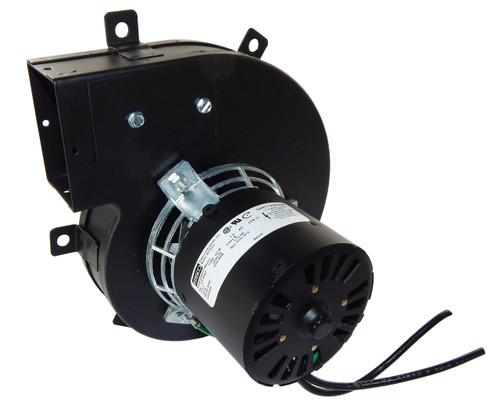
The blower motor powers the squirrel cage. The motor's speed and size dictate the amount of air the blower can move, measured in CFM (Cubic Feet per Minute). Proper CFM is crucial for efficient heating and cooling.
Common Furnace Blower Problems and Troubleshooting
Identifying the problem early can save you time and money. Here are some common issues you might encounter:
- Blower Not Turning On: This could be due to a tripped circuit breaker, a faulty motor, a defective capacitor, or a problem with the furnace control board.
- Blower Running Constantly: A stuck relay, a malfunctioning limit switch, or incorrect fan settings can cause continuous operation.
- Blower is Noisy: Possible causes include a loose blower wheel, worn bearings, debris in the blower housing, or an unbalanced wheel.
- Weak Airflow: A dirty air filter is the most common culprit, but it could also be due to a blocked duct, a slipping blower belt (in older models), or a failing motor.
- Blower Turns On and Off Rapidly (Short Cycling): This can be caused by overheating, a dirty flame sensor, or restricted airflow.
DIY Troubleshooting Steps (Proceed with Caution!)
Before attempting any repairs, always disconnect the power to the furnace at the circuit breaker. Safety first!
- Check the Air Filter: A dirty air filter restricts airflow and puts stress on the blower motor. Replace it with a new one.
- Inspect the Blower Motor Capacitor: A bulging or leaking capacitor is a sign of failure. This is a relatively inexpensive part to replace, but requires discharging the capacitor first (see safety warnings below).
- Listen for Unusual Noises: Identify the source of the noise. If it's coming from the blower motor, the bearings may be failing.
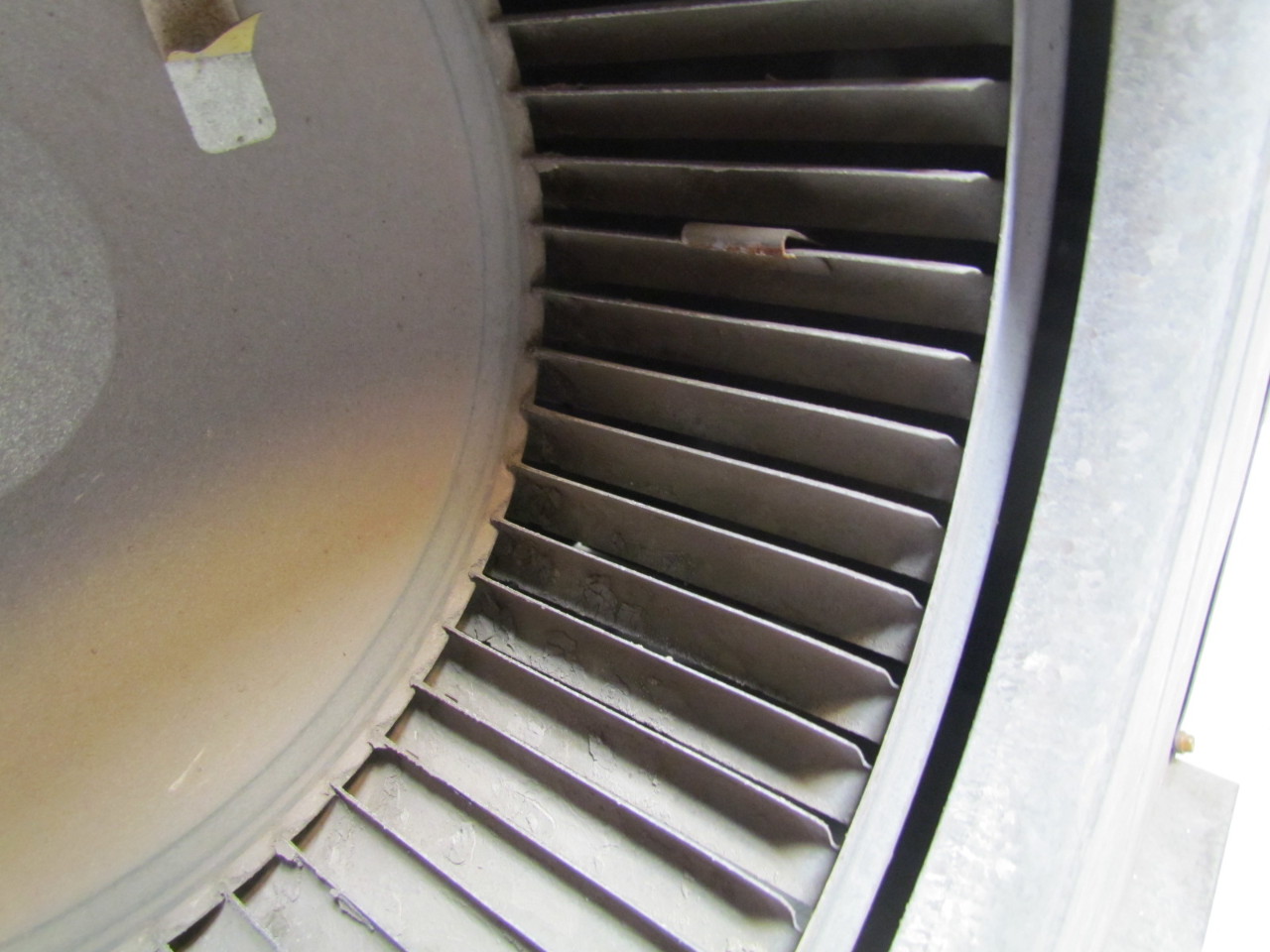
- Visually Inspect the Blower Wheel: Look for any signs of damage, debris buildup, or imbalance.
- Check the Blower Belt (If Applicable): Older furnaces may have a belt-driven blower. Ensure the belt is in good condition and properly tensioned.
Tools and Materials You Might Need
- Screwdrivers (Phillips and flathead)
- Wrenches (various sizes)
- Multimeter (for electrical testing)
- Wire stripper/cutter
- Voltage tester
- Air filter
- Replacement blower motor capacitor (if needed)
- Replacement blower motor (if needed)
- Shop vacuum
- Safety glasses
- Work gloves
Cleaning Your Squirrel Cage Blower
A dirty blower wheel reduces airflow and efficiency. Here's how to clean it:
- Turn off the power to the furnace.
- Access the blower compartment. This usually involves removing a panel secured with screws.
- Disconnect the wiring to the blower motor. Take pictures beforehand to ensure you reconnect everything correctly.
- Carefully remove the blower assembly. This might involve loosening screws or clips.
- Clean the blower wheel. Use a soft brush and a shop vacuum to remove dust and debris. For stubborn dirt, you can use a mild detergent and water, but ensure the wheel is completely dry before reassembling.
- Reassemble the blower assembly and reconnect the wiring.
- Turn the power back on and test the furnace.
Replacing a Blower Motor Capacitor (Advanced DIY)
A faulty capacitor is a common cause of blower motor failure. This repair involves working with electricity and requires caution.
- Turn off the power to the furnace.
- Discharge the capacitor. Use a screwdriver with an insulated handle to short across the capacitor terminals. This discharges any stored energy and prevents electric shock. Be extremely careful during this step! You can also use a resistor specifically designed for discharging capacitors.
- Disconnect the wiring to the capacitor. Note the position of the wires before disconnecting them.
- Remove the old capacitor and install the new one.
- Reconnect the wiring to the new capacitor.
- Turn the power back on and test the furnace.
Warning: Working with electricity can be dangerous. If you are not comfortable discharging a capacitor or working with electrical wiring, call a qualified HVAC technician.
Replacing a Blower Motor (Advanced DIY)
Replacing the entire blower motor is a more complex task. It involves disconnecting the wiring, removing the blower assembly, and replacing the motor itself. Proper motor sizing and wiring are crucial for correct operation.
- Turn off the power to the furnace.
- Disconnect the wiring to the blower motor. Label each wire to ensure proper reconnection.
- Remove the blower assembly from the furnace. This usually involves removing screws and possibly disconnecting ductwork.
- Detach the blower wheel from the old motor. This may involve loosening a set screw or using a puller.
- Mount the blower wheel onto the new motor. Ensure the wheel is properly aligned and secured.
- Install the new motor into the blower assembly.
- Reinstall the blower assembly into the furnace.
- Reconnect all wiring to the new motor, matching your labels.
- Turn the power back on and test the furnace.
Important Considerations When Replacing a Blower Motor:
- Motor Horsepower (HP): The replacement motor must have the same HP as the original.
- Motor Voltage: Match the voltage of the replacement motor to your furnace's electrical system (typically 120V or 240V).
- Motor RPM (Revolutions Per Minute): Ensure the RPM is compatible with your furnace's airflow requirements.
- Motor Frame Size: The new motor must fit properly within the blower assembly.
- Rotation: The motor must rotate in the correct direction (clockwise or counterclockwise).
If you are unsure about any of these specifications, consult a qualified HVAC technician.
When to Call a Professional
While some blower problems can be addressed with DIY repairs, others require the expertise of a qualified HVAC technician. Call a professional if:
- You are uncomfortable working with electricity.
- You suspect a problem with the furnace control board.
- You are unable to diagnose the problem.
- The problem persists after attempting DIY repairs.
- Your furnace is under warranty.
Estimated Repair Costs
Here are some rough estimates for common blower-related repairs:
- Air Filter Replacement: $10 - $30
- Blower Motor Capacitor Replacement: $50 - $150 (including labor)
- Blower Motor Replacement: $300 - $800 (including labor)
- Blower Wheel Replacement: $200 - $500 (including labor)
- Control Board Repair/Replacement: $200 - $600 (including labor)
Note: These are just estimates. Actual costs may vary depending on your location, the type of furnace, and the specific problem.
Preventative Maintenance Tips
Regular maintenance can help prevent blower problems and extend the life of your furnace:
- Replace the air filter regularly (every 1-3 months).
- Schedule annual furnace maintenance with a qualified HVAC technician. This includes inspecting and cleaning the blower, checking the motor's electrical connections, and lubricating the bearings (if applicable).
- Keep the area around the furnace clean and free of debris.
By understanding how your furnace's squirrel cage blower works and performing basic maintenance, you can ensure efficient and reliable heating for your home. Remember to prioritize safety and call a professional when needed.