Furnace Temperature Sensor
Furnace Temperature Sensor: Troubleshooting, Repair, and Replacement Guide
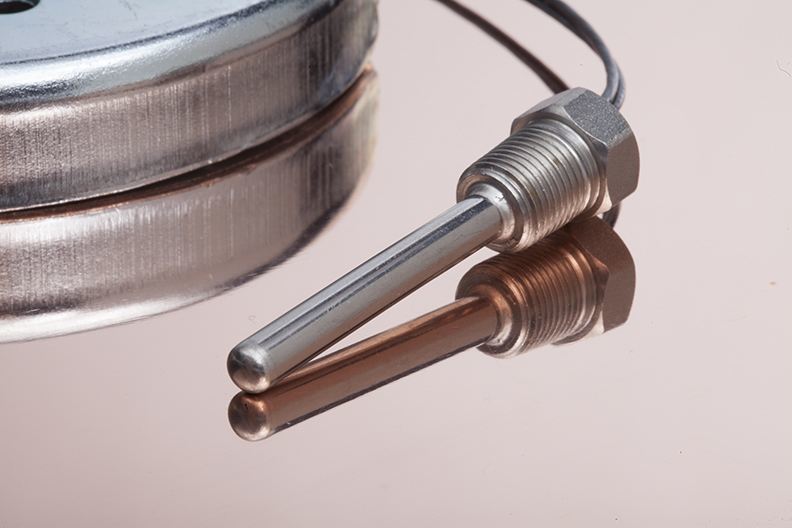
A furnace's temperature sensor, also known as a flame sensor or limit switch, is a crucial safety component that ensures your furnace operates efficiently and safely. When this sensor malfunctions, it can lead to various issues, from inconsistent heating to complete furnace shutdowns. This guide provides homeowners and DIY enthusiasts with a comprehensive understanding of furnace temperature sensors, common problems, troubleshooting steps, and when to call a professional.
Understanding the Furnace Temperature Sensor
The temperature sensor monitors the heat within the furnace. It plays a critical role in regulating the heating cycle. There are typically two main types:
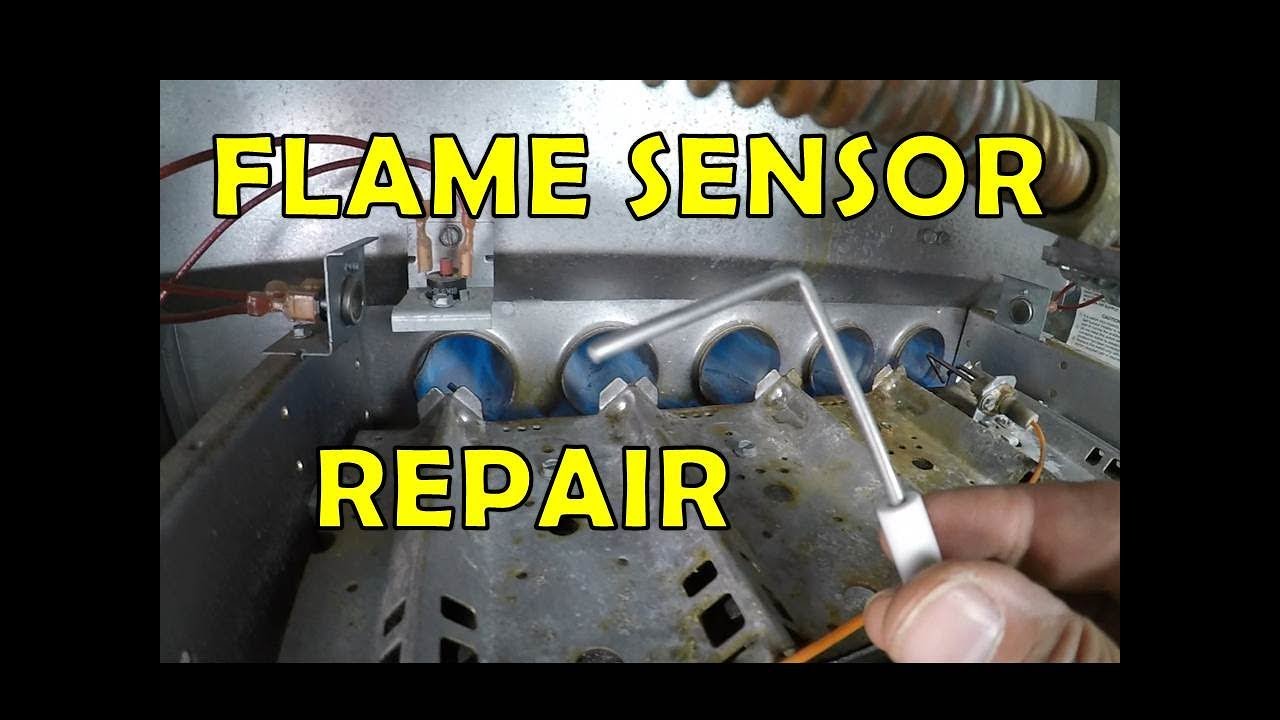
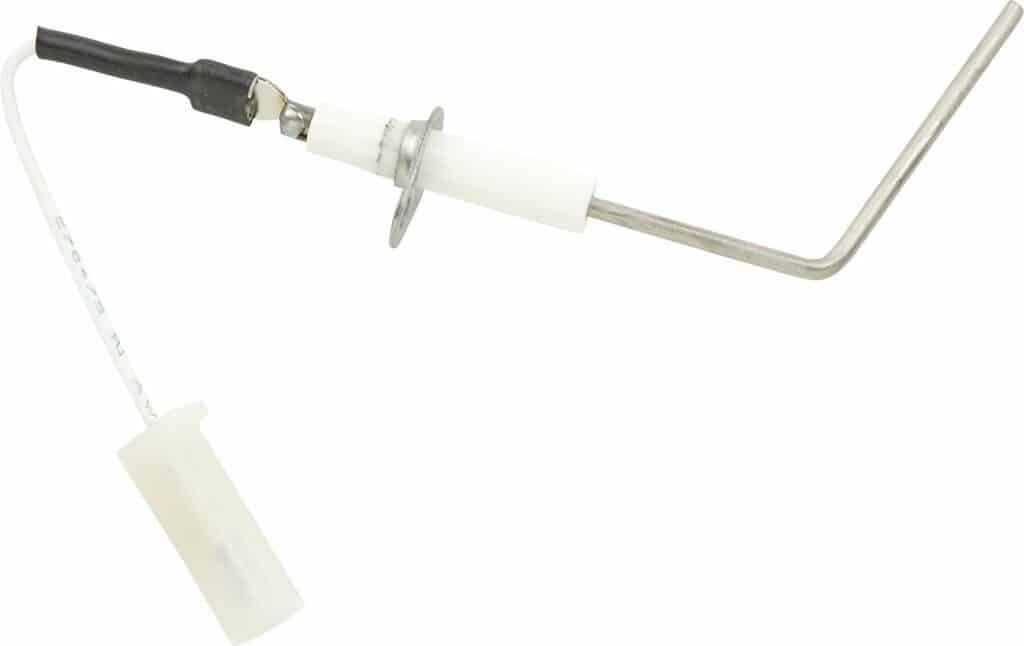
- Flame Sensor: This sensor detects the presence of a flame. If the flame isn't detected, it shuts off the gas supply to prevent gas buildup and potential explosions.
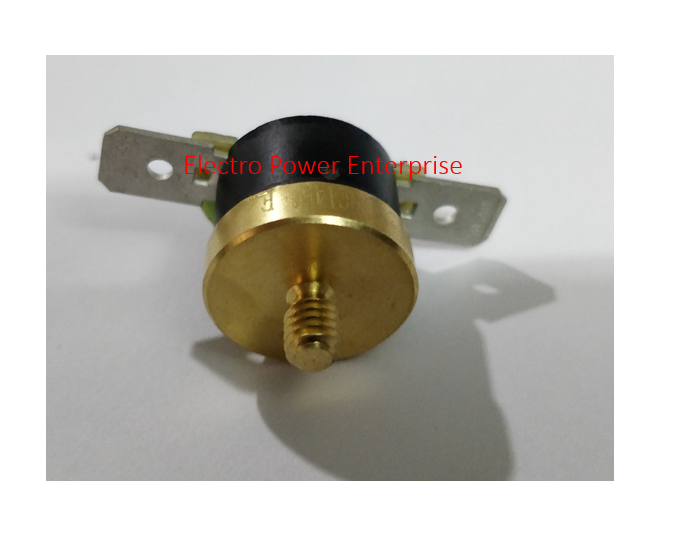
- Limit Switch: This sensor monitors the furnace's internal temperature. If the furnace overheats, the limit switch shuts down the system to prevent damage.
Common Symptoms of a Faulty Temperature Sensor
Recognizing the symptoms of a failing temperature sensor can help you address the problem quickly and prevent further damage to your furnace. Here are some common signs:
- Furnace Short Cycling: The furnace turns on and off frequently, never reaching the set temperature.
- Furnace Won't Stay Lit: The furnace ignites but shuts down after a few seconds or minutes.
- No Heat: The furnace doesn't produce any heat at all.
- Blower Fan Issues: The blower fan runs constantly or doesn't turn on at all.
- Error Codes: Your furnace displays error codes related to flame sensing or overheating. (Check your furnace manual for specific code definitions).
Troubleshooting a Furnace Temperature Sensor: A Step-by-Step Guide
Before you begin, always prioritize safety. Turn off the power to your furnace at the breaker box. This will prevent electrical shock during the troubleshooting process.
Tools and Materials Needed:
- Screwdrivers (various sizes, including a nut driver)
- Multimeter
- Steel wool or fine-grit sandpaper
- Vacuum cleaner with a brush attachment
- Work gloves
- Safety glasses
- Furnace manual
Step 1: Visual Inspection
Start by visually inspecting the temperature sensor. Look for any signs of:
- Corrosion: Check for rust or greenish buildup on the sensor rod or its connections.
- Cracks or Damage: Look for any physical damage to the sensor or its wiring.
- Loose Connections: Ensure the wires connected to the sensor are securely attached.
Step 2: Cleaning the Flame Sensor
A dirty flame sensor is a common cause of problems. Use steel wool or fine-grit sandpaper to gently clean the sensor rod. Remove any carbon buildup or debris that may be interfering with its ability to detect the flame. After cleaning, wipe the sensor with a clean cloth.
Step 3: Checking the Flame Sensor Position
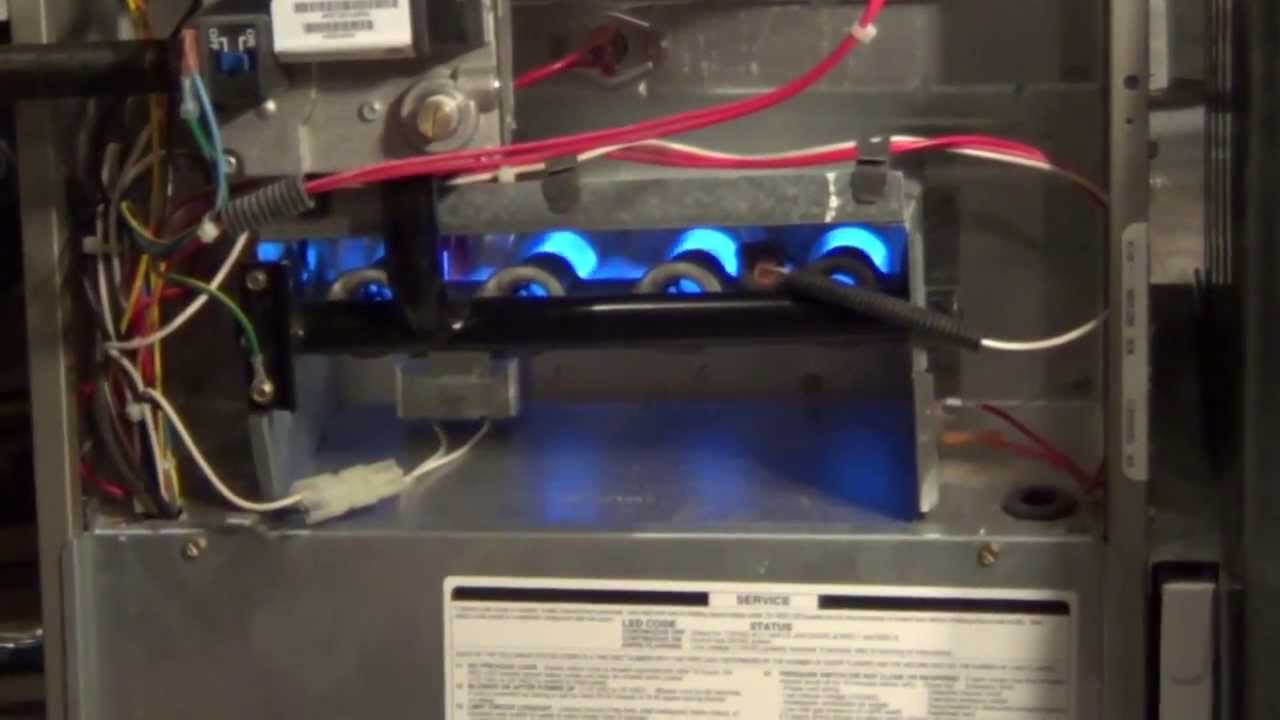
Ensure the flame sensor is properly positioned within the flame. It should be directly in the path of the flame when the burner is lit. Adjust the sensor's position if necessary, according to your furnace's manual.
Step 4: Testing the Flame Sensor with a Multimeter
A multimeter can help you determine if the flame sensor is functioning correctly. Set your multimeter to measure microamps (µA). With the furnace running and the flame lit, connect the multimeter leads to the flame sensor wire and a good ground on the furnace. A healthy flame sensor should typically read between 2-10 microamps. Consult your furnace manual for the specific reading expected for your model. A reading outside of this range indicates a potential problem with the sensor.
Step 5: Testing the Limit Switch
To test a limit switch, first locate it. It's usually found on the furnace's blower compartment or near the heat exchanger. With the furnace off, use a multimeter to check continuity across the limit switch terminals. It should show continuity (a closed circuit). If it shows no continuity (an open circuit), the limit switch may be tripped or faulty. Some limit switches have a reset button. If yours does, press the reset button and recheck for continuity. If it still shows no continuity, the switch needs to be replaced.
Step 6: Checking Wiring and Connections
Inspect all wiring connected to the temperature sensor and limit switches. Look for loose connections, frayed wires, or damaged insulation. Tighten any loose connections and replace any damaged wiring.
Step 7: Cleaning the Furnace
A dirty furnace can contribute to overheating and sensor malfunction. Vacuum the furnace's interior, paying close attention to the burners, blower fan, and heat exchanger. Remove any dust, debris, or obstructions that may be affecting airflow.
Replacing a Furnace Temperature Sensor
If troubleshooting steps don't resolve the issue, the temperature sensor may need to be replaced. Here's a general guide to replacing a flame sensor or limit switch:
- Turn off the power to the furnace.
- Locate the sensor you need to replace.
- Disconnect the wiring from the sensor.
- Remove the sensor from its mounting bracket.
- Install the new sensor in the mounting bracket.
- Reconnect the wiring to the new sensor. Make sure connections are tight and secure.
- Turn the power back on to the furnace and test the system.
Important Note: Always use the correct replacement part for your specific furnace model. Refer to your furnace's manual or contact a qualified HVAC technician to ensure you obtain the right sensor. Using an incompatible sensor can damage your furnace or create a safety hazard.
When to Call a Professional HVAC Technician
While some temperature sensor issues can be resolved with DIY troubleshooting and replacement, certain situations warrant professional assistance. Call a qualified HVAC technician if:
- You are uncomfortable working with electricity or gas.
- You are unable to diagnose the problem.
- You suspect a more complex issue with your furnace's control board or other components.
- You have replaced the sensor, and the problem persists.
- You notice any signs of gas leaks (smell of gas).
Estimated Repair Costs
The cost to repair or replace a furnace temperature sensor can vary depending on the type of sensor, your location, and the complexity of the repair. Here are some general cost estimates:
- Flame Sensor Replacement: $75 - $200 (including parts and labor)
- Limit Switch Replacement: $100 - $250 (including parts and labor)
- Diagnostic Fee: $75 - $150 (for a technician to diagnose the problem)
These are just estimates. It is always a good idea to get quotes from multiple HVAC professionals before proceeding with any repairs.
Preventative Maintenance Tips
Regular maintenance can help prevent temperature sensor problems and extend the life of your furnace. Here are some preventative maintenance tips:
- Schedule annual furnace maintenance with a qualified HVAC technician.
- Replace your furnace filter regularly (every 1-3 months). A dirty filter can restrict airflow and cause overheating.
- Keep the area around your furnace clean and free of obstructions.
- Visually inspect your furnace regularly for any signs of damage or wear.
Safety Precautions
Working with a furnace can be dangerous. Always take the following safety precautions:
- Turn off the power to the furnace at the breaker box before working on it.
- Wear safety glasses and work gloves.
- Never work on a furnace if you smell gas. Evacuate the area immediately and call your gas company.
- Consult your furnace's manual for specific safety instructions and precautions.
By understanding the function of your furnace's temperature sensor, recognizing common symptoms, and following these troubleshooting steps, you can keep your furnace running safely and efficiently. When in doubt, don't hesitate to call a qualified HVAC professional for assistance.

:max_bytes(150000):strip_icc()/31OFi54VfL-5a9e3a1ea9d4f90037f69175.jpg)