Furnace Thermal Sensor
Frequently Asked Questions About Your Furnace Thermal Sensor
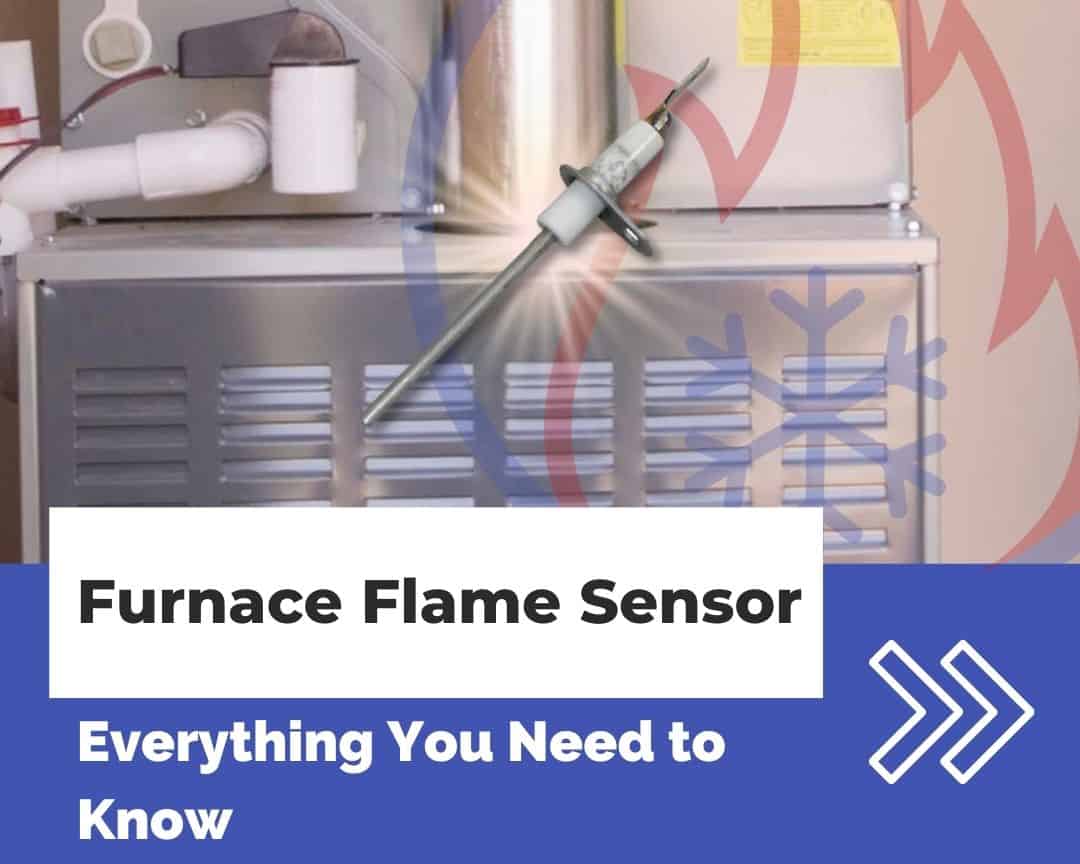
Your furnace's thermal sensor, often referred to as a flame sensor, is a crucial safety component that ensures your furnace only operates when there's a stable flame. Without it, your furnace could release unburnt gas, posing a serious hazard. This FAQ will answer some of the most common questions about this important device.
What is a Furnace Thermal Sensor (Flame Sensor)?
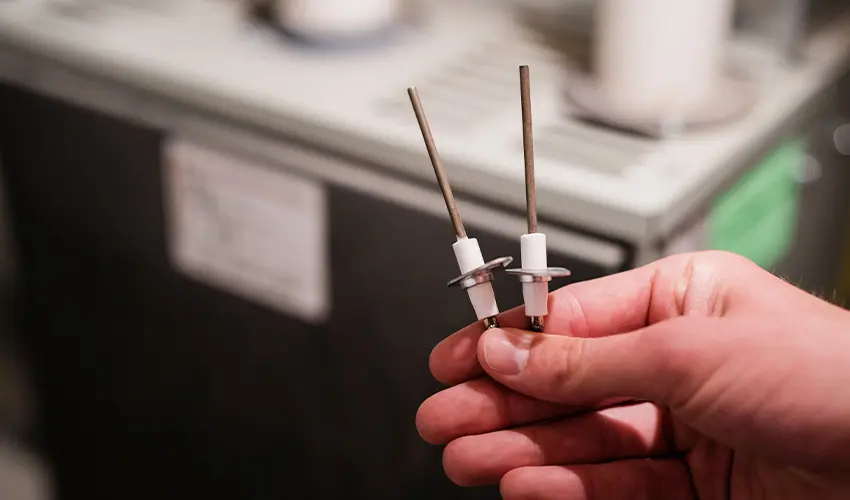
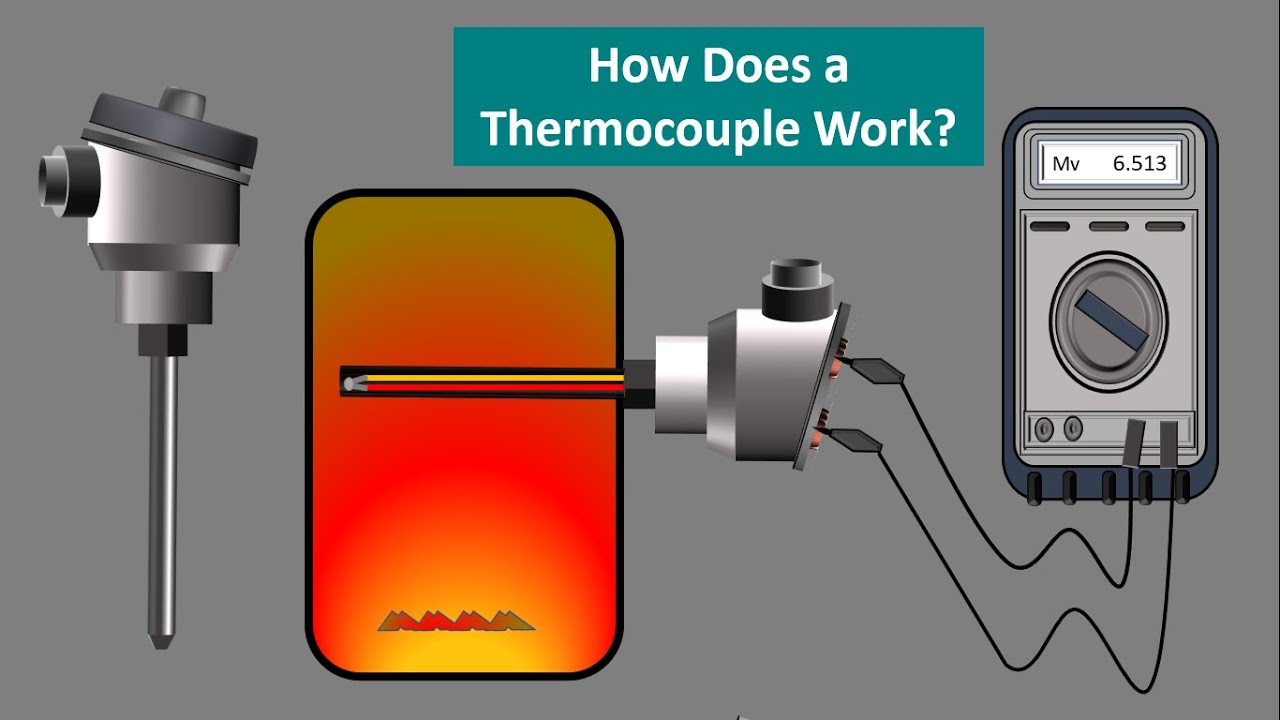
The thermal sensor is a safety device that detects the presence of a flame within your furnace's combustion chamber. It's usually a thin, metallic rod (often made of ceramic or coated metal) positioned near the burner. Its primary job is to tell the furnace's control board that a flame is present and it's safe to continue gas flow. Think of it as the "proof of flame" sensor.
Why is the Thermal Sensor Important?
The thermal sensor is vital for safety. Here's why:
- Prevents Gas Leaks: If the flame goes out unexpectedly, the sensor signals the control board to shut off the gas supply. This prevents unburnt gas from accumulating inside your home, reducing the risk of explosion and carbon monoxide poisoning.
- Protects Your Furnace: By ensuring a stable flame before continuous gas flow, the sensor helps prevent incomplete combustion, which can damage furnace components over time.
- Ensures Efficient Operation: A properly functioning sensor helps your furnace run efficiently by preventing unnecessary shutdowns and restarts.
How Does a Furnace Thermal Sensor Work?
The most common type of flame sensor operates using a principle called flame rectification. Here's a simplified explanation:
- Flame as a Conductor: A flame is not just heat and light; it's also electrically conductive.
- Rectified Current: The furnace sends a small AC (alternating current) voltage to the flame sensor. When the flame is present, it acts as a rectifier, converting the AC voltage into a small DC (direct current) voltage.
- Signal to Control Board: The control board reads this DC voltage. If the voltage is within a specific range, it confirms the presence of a flame and allows the furnace to continue operating.
- No Flame, No Voltage: If the flame goes out, there's no rectification, no DC voltage, and the control board shuts off the gas valve.
Basically, the sensor uses the flame itself to conduct a tiny electrical current, proving to the furnace that the flame is burning properly.
What are Common Problems with Furnace Thermal Sensors?
While relatively simple devices, thermal sensors can experience problems that prevent them from working correctly. The most frequent issues include:
- Dirty Sensor: This is the most common problem. Soot, carbon buildup, and other contaminants can accumulate on the sensor rod, insulating it and preventing it from conducting the necessary electrical current. This often causes the furnace to shut down shortly after ignition.
- Bent or Misaligned Sensor: If the sensor is bent or not properly positioned in the flame, it may not be able to detect the flame consistently.
- Cracked or Damaged Sensor: Physical damage to the sensor can impair its ability to function. Cracks in the ceramic coating, for example, can disrupt the electrical current.
- Weak Flame Signal: Sometimes, the flame itself may be weak or unstable, resulting in a weak signal to the control board. This could be due to issues with the gas valve, burner, or air supply.
- Faulty Wiring: Damaged or loose wiring connecting the sensor to the control board can disrupt the signal.
- Control Board Issues: In some cases, the problem isn't the sensor itself, but the control board that's reading the sensor's signal. A faulty control board might misinterpret the signal, causing the furnace to shut down.
How Can I Tell if My Thermal Sensor is Bad?
Here are some telltale signs that your furnace's thermal sensor may be malfunctioning:
- Furnace Short Cycling: The furnace starts, runs for a few seconds or minutes, and then shuts off. This cycle repeats continuously. This is a classic symptom.
- Furnace Won't Stay Lit: The furnace tries to ignite, but the flame immediately goes out. You might hear a clicking sound as the igniter tries to relight the flame repeatedly.
- Error Code: Many modern furnaces have diagnostic systems that display error codes. Check your furnace's manual for the specific code that indicates a flame sensor issue.
- Visible Soot Buildup: Inspect the sensor visually. If you see a significant amount of soot or carbon buildup on the rod, it's likely interfering with its ability to function.
Important Note: These symptoms can also be caused by other furnace problems. It's always best to consult with a qualified HVAC technician for proper diagnosis and repair.
Can I Clean or Replace the Thermal Sensor Myself?
Cleaning the sensor is a relatively simple task that many homeowners can perform safely. Here's how:
- Turn off the Furnace: Always turn off the power to your furnace at the breaker box.
- Locate the Sensor: It's usually a small rod located near the burner. Consult your furnace's manual for its exact location.
- Remove the Sensor: Carefully disconnect the wire connected to the sensor. Then, unscrew or unclip the sensor from its mounting bracket.
- Clean the Sensor: Use a piece of fine-grit sandpaper or steel wool to gently clean the sensor rod. Remove any soot, carbon buildup, or other contaminants.
- Reinstall the Sensor: Reattach the sensor to its mounting bracket and reconnect the wire.
- Turn on the Furnace: Turn the power back on at the breaker box and test the furnace.
Replacing the sensor is also usually straightforward. First, obtain the correct replacement sensor for your furnace model. You can find this information in your furnace's manual or by contacting the manufacturer. Then, follow the same steps as cleaning, but instead of cleaning the old sensor, simply replace it with the new one.
However, if you are not comfortable working with electrical components or gas appliances, it's best to hire a qualified HVAC technician to clean or replace the thermal sensor. Improper installation or repair can be dangerous.
When Should I Call a Professional HVAC Technician?
While cleaning or replacing the thermal sensor can sometimes resolve the problem, there are situations where it's essential to call a professional:
- If You're Uncomfortable: If you're not comfortable working with electrical or gas appliances, don't hesitate to call a professional.
- Persistent Problems: If you've cleaned or replaced the sensor and the furnace is still experiencing problems, there may be an underlying issue that requires professional diagnosis and repair.
- Gas Leaks: If you smell gas, immediately turn off the gas supply to the furnace and call your gas company or a qualified HVAC technician.
- Error Codes You Don't Understand: If your furnace displays an error code that you don't understand, consult your furnace's manual or contact a technician for assistance.
- You Suspect Other Issues: If you suspect that the problem might be related to the gas valve, burner, control board, or other furnace components, it's best to call a professional.
By understanding the role of the thermal sensor and recognizing potential problems, you can help ensure the safe and efficient operation of your furnace. Regular maintenance and timely repairs are key to keeping your home warm and comfortable throughout the heating season. Remember, when in doubt, contact a qualified HVAC professional for assistance.

:max_bytes(150000):strip_icc()/31OFi54VfL-5a9e3a1ea9d4f90037f69175.jpg)