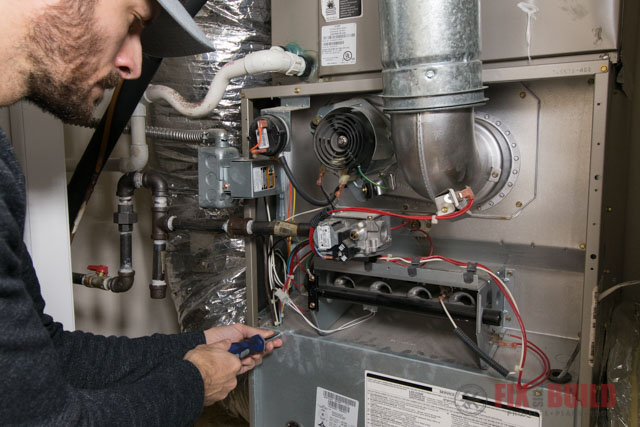
Furnace Troubleshooting – Common Problems And How To Fix

Furnace Troubleshooting: Common Problems and How to Fix Them (FAQ)
Is your furnace acting up? Don't panic! This FAQ covers some of the most common furnace problems homeowners and facility managers face, and provides simple solutions you can try yourself. Remember, safety first! If you're uncomfortable working with gas or electricity, always call a qualified HVAC professional.
Question 1: My furnace won't turn on at all. What's the most likely cause?
A furnace that won't turn on is frustrating, but often the fix is simple. Here's what to check:
- Check the Thermostat: Make sure it's set to "heat" and the temperature is higher than the current room temperature. Also, ensure the thermostat has working batteries. A surprising number of "furnace problems" are just thermostat issues.
- Check the Power Switch: Locate the furnace's power switch (usually a light switch on the furnace itself or nearby) and make sure it's in the "on" position. It's easy to accidentally turn it off!
- Check the Circuit Breaker: Go to your electrical panel and check the circuit breaker that controls the furnace. If it's tripped, flip it all the way to the "off" position, then back to the "on" position.
- Check the Gas Supply: Verify that the gas valve to the furnace is open. The handle should be parallel to the gas pipe.
- Check the Emergency Shut-Off Switch: Some homes have an emergency shut-off switch for the furnace, often near the top of the basement stairs or by the furnace. Ensure it hasn't been activated.
If you've checked all these and the furnace still doesn't turn on, it's time to call a professional. The problem could be more complex, involving the control board, blower motor, or other internal components.
Question 2: My furnace turns on, but it's blowing cold air. What could be happening?
Cold air blowing from your furnace can indicate a few potential issues:
- The Furnace is Overheating: Believe it or not, cold air can be a sign of overheating. If the furnace gets too hot, a safety switch (the limit switch) will shut off the burner to prevent damage. The blower fan will continue to run to cool the furnace down, blowing cold air. This can be caused by a dirty air filter restricting airflow.
- Dirty Air Filter: A clogged air filter restricts airflow, causing the furnace to overheat. Replace your air filter regularly (every 1-3 months, depending on the type of filter and how often you run your furnace).
- Pilot Light Issues (Older Furnaces): If you have an older furnace with a pilot light, it might have gone out. Follow the manufacturer's instructions to relight it. If it goes out frequently, there might be a problem with the gas supply or the pilot light assembly.
- Flame Sensor Problems: The flame sensor detects whether the burner is lit. If it's dirty or malfunctioning, it can shut off the gas supply, causing the furnace to blow cold air. A professional can clean or replace the flame sensor.
- Gas Valve Issues: A malfunctioning gas valve might not be opening fully, leading to insufficient heat. This requires professional diagnosis and repair.
Start by checking the air filter. If that doesn't solve the problem, it's best to call an HVAC technician to diagnose the underlying cause, especially if you suspect a gas-related issue.
Question 3: My furnace is making strange noises – banging, rattling, or whistling. Should I be concerned?
Unusual furnace noises are definitely something to pay attention to. Here's what different sounds might indicate:
- Banging: Could indicate delayed ignition of the burner due to a build-up of gas. This is potentially dangerous and requires immediate attention from a professional. Also, banging could be caused by expanding and contracting ductwork.
- Rattling: Often caused by loose screws, panels, or blower motor components. Try tightening any visible screws. If the rattling persists, a professional should inspect the blower motor.
- Whistling: Often caused by restricted airflow, usually due to a dirty air filter. Change the air filter first. If the whistling continues, there might be a leak in the ductwork.
- Squealing: Could indicate a worn-out blower motor belt (if your furnace has one) or a problem with the blower motor bearings. A professional can replace the belt or lubricate the bearings.
- Clicking: Could be the igniter trying to light the burner. If the burner doesn't light after a few clicks, there might be a problem with the igniter, gas valve, or flame sensor.
If the noises are loud, persistent, or accompanied by other problems like cold air or a burning smell, turn off the furnace and call a qualified HVAC technician immediately. A strange noise is a sign that something isn't right and could lead to a bigger problem down the road.
Question 4: My furnace cycles on and off too frequently (short cycling). What does this mean?
Short cycling, where the furnace turns on and off repeatedly in short intervals, is a sign of inefficiency and can lead to premature wear and tear. Possible causes include:
- Dirty Air Filter: Again, restricted airflow due to a dirty air filter can cause the furnace to overheat and shut down prematurely.
- Oversized Furnace: If your furnace is too large for your home, it will heat the space quickly and then shut off, leading to short cycles. This is a common problem in older homes where furnaces have been replaced with larger models without proper sizing.
- Blocked Vents: Make sure that vents are not blocked by furniture or other obstructions.
- Faulty Flame Sensor: A malfunctioning flame sensor might be incorrectly detecting that the burner is not lit, causing the furnace to shut down prematurely.
- Limit Switch Issues: A faulty limit switch might be tripping prematurely, even if the furnace isn't overheating.
- Thermostat Problems: A miscalibrated or malfunctioning thermostat might be incorrectly reading the room temperature, causing the furnace to cycle on and off unnecessarily.
Start by checking the air filter. If that doesn't solve the problem, have a professional inspect the furnace to determine the underlying cause. Short cycling can significantly reduce the lifespan of your furnace and increase your energy bills.
Question 5: My energy bills have suddenly increased, even though I haven't changed my heating habits. Could it be my furnace?
A sudden spike in energy bills can be a sign that your furnace is operating inefficiently. Here's what to consider:
- Dirty Air Filter: As mentioned before, a dirty air filter forces the furnace to work harder, consuming more energy.
- Leaky Ductwork: Leaky ducts can lose a significant amount of heat, forcing your furnace to run longer to maintain the desired temperature. Consider having your ductwork inspected and sealed by a professional.
- Inefficient Furnace Operation: Over time, furnace components can wear down, leading to reduced efficiency. This could be due to a dirty burner, a malfunctioning blower motor, or other issues.
- Pilot Light (Older Furnaces): If you have an older furnace with a pilot light, it's constantly burning gas, even when the furnace isn't actively heating. Consider upgrading to a more efficient furnace with electronic ignition.
- Thermostat Settings: Ensure your thermostat is programmed efficiently. Consider using a programmable thermostat to automatically lower the temperature when you're away or asleep.
- Poor Insulation: While not directly related to the furnace, poor insulation in your home can cause heat loss, forcing your furnace to work harder to maintain a comfortable temperature.
Schedule a professional furnace tune-up. A technician can inspect and clean your furnace, identify any potential problems, and recommend solutions to improve its efficiency. Also, consider having your home's insulation and ductwork inspected to identify potential sources of heat loss.
Question 6: I smell a burning odor coming from my furnace. Is this dangerous?
A burning smell coming from your furnace should be taken seriously. Here's what it could mean:
- Burning Dust: Especially at the beginning of the heating season, it's common to smell burning dust as accumulated dust on the heat exchanger burns off. This is usually temporary and should disappear after a few hours of operation.
- Burning Electrical Components: A burning electrical smell could indicate a problem with the wiring, blower motor, or other electrical components. This is a serious safety hazard and requires immediate attention from a professional. Turn off the furnace immediately and call an HVAC technician.
- Burning Rubber or Plastic: Could indicate a problem with the blower motor belt (if your furnace has one) or other plastic components. Turn off the furnace and call a professional.
- Gas Leak: A rotten egg smell (often added to natural gas for safety) could indicate a gas leak. Leave the house immediately and call your gas company or 911 from a safe location. Do not turn on any electrical devices or use a phone inside the house, as this could ignite the gas.
If you smell a burning odor that persists or is accompanied by other symptoms like smoke or unusual noises, turn off the furnace immediately and call a qualified HVAC technician or, in the case of a suspected gas leak, your gas company or 911.
Question 7: How often should I have my furnace professionally inspected and maintained?
It's generally recommended to have your furnace professionally inspected and maintained once a year, ideally in the fall before the start of the heating season. Regular maintenance can help:
- Improve Efficiency: A clean and well-maintained furnace operates more efficiently, saving you money on energy bills.
- Extend Lifespan: Regular maintenance can help prevent small problems from becoming bigger, more expensive ones, extending the lifespan of your furnace.
- Ensure Safety: A professional inspection can identify potential safety hazards, such as gas leaks or carbon monoxide leaks.
- Maintain Warranty: Many furnace manufacturers require annual maintenance to maintain the warranty.
A professional tune-up typically includes cleaning the burner and heat exchanger, inspecting the blower motor, checking the gas pressure and connections, and testing the safety controls. While you can handle some basic maintenance tasks yourself, like changing the air filter, a professional tune-up is essential for ensuring the safety and efficiency of your furnace.