Furnace Vacuum Switch
Understanding Your Furnace Vacuum Switch: A Homeowner's Guide
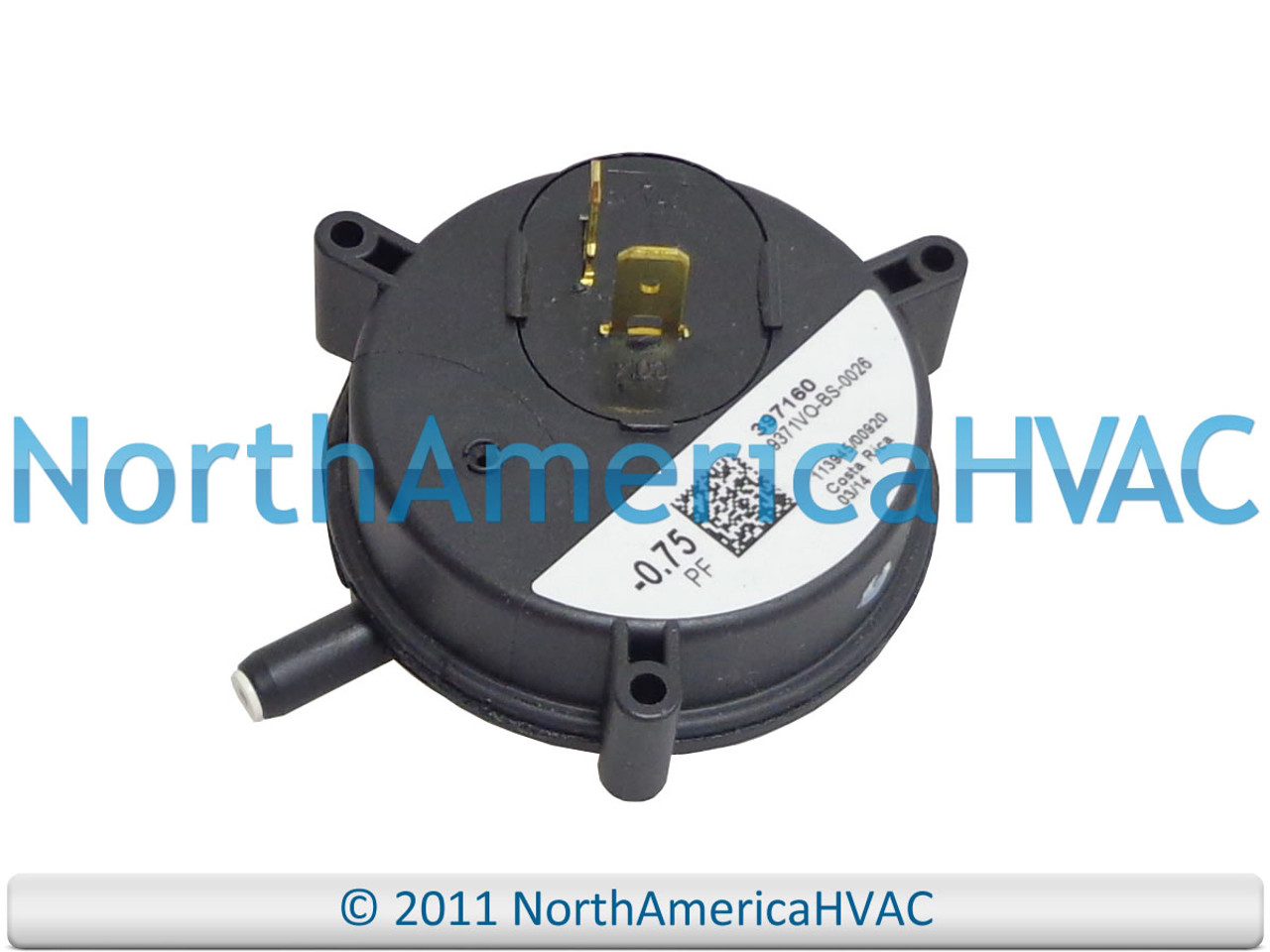
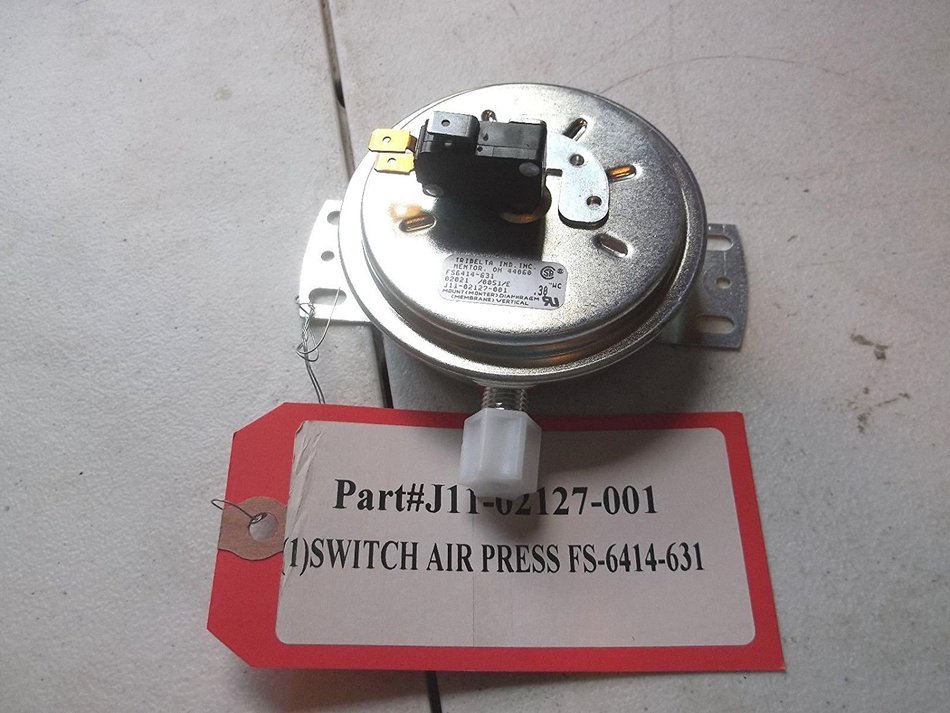
The furnace vacuum switch, often referred to as a pressure switch, is a crucial safety component in your home's heating system. It ensures that the inducer motor (also called a draft inducer) is working properly to vent harmful combustion gases outside your home before the main burner ignites. If this switch malfunctions, your furnace will likely shut down or fail to start.
What Does a Furnace Vacuum Switch Do?
The switch monitors the negative pressure created by the inducer motor. When the inducer motor is running correctly, it creates a vacuum that closes the switch's contacts. This sends a signal to the furnace control board, allowing the ignition sequence to continue. If the vacuum is insufficient, the switch remains open, preventing the furnace from firing up, thus preventing the dangerous buildup of carbon monoxide inside your home.
Identifying the Vacuum Switch
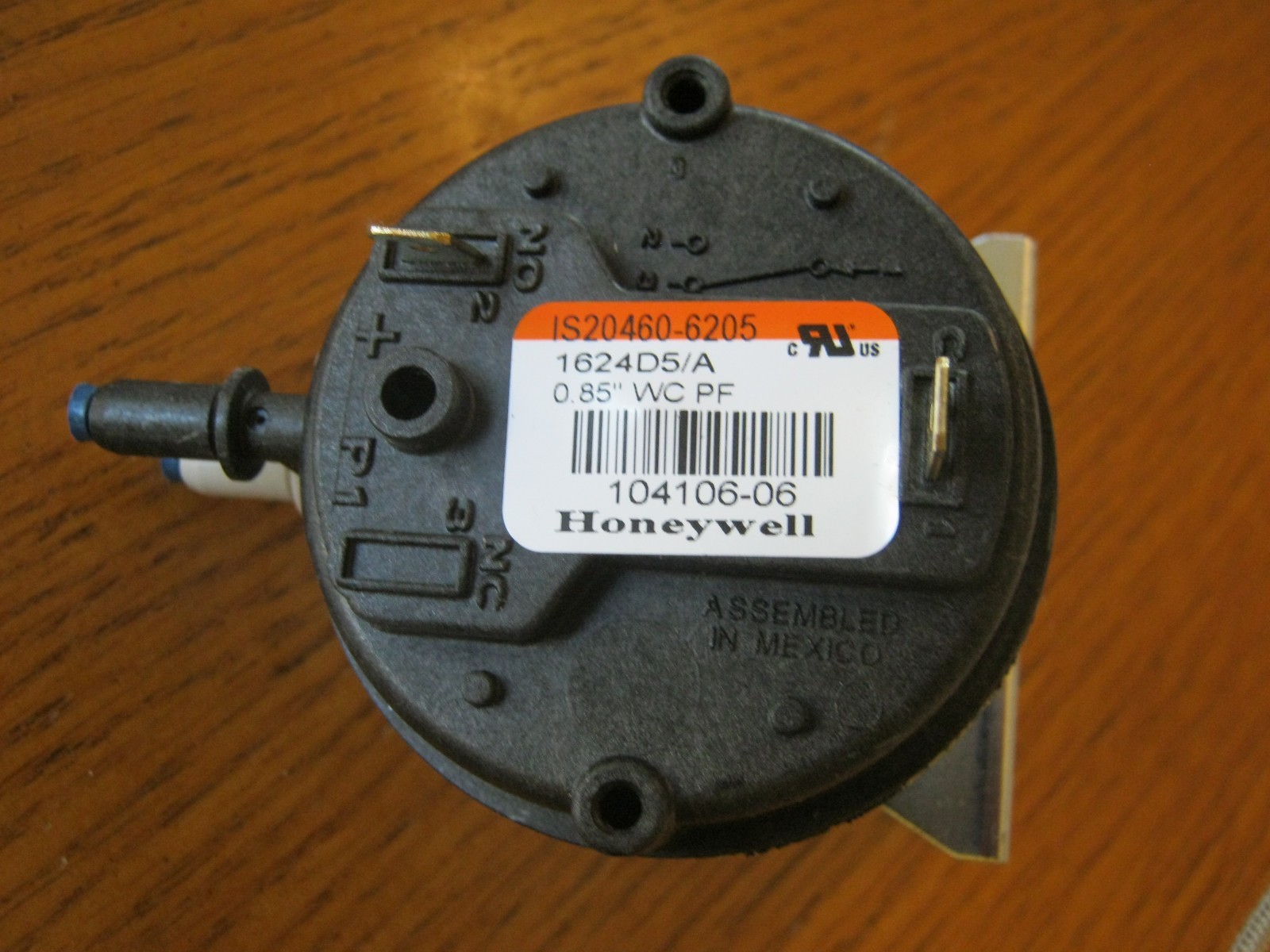
The vacuum switch is usually a small, round or rectangular device with one or two small hoses connected to it. It's typically located near the inducer motor, often mounted on the blower housing or nearby panel. They are often clearly labeled by manufacturers.
Troubleshooting a Faulty Vacuum Switch
Before you begin any work on your furnace, always turn off the power at the breaker. This is a critical safety precaution.
Tools You'll Need:
- Screwdrivers (Phillips and flathead)
- Multimeter
- Small length of flexible tubing (same diameter as the existing vacuum hoses)
- Wet/Dry Vacuum
- Work gloves
- Safety glasses
Steps for Testing and Troubleshooting:
- Visual Inspection: Check the vacuum switch for any visible damage, such as cracks, corrosion, or loose wires. Examine the hoses for cracks, kinks, or disconnections.
- Hose Check: Disconnect the hoses from the vacuum switch and the inducer motor housing. Inspect them for obstructions. Use a small piece of wire or a pipe cleaner to clear any debris. A common issue is a clogged hose with dust and debris. Blow through the hose to ensure it is clear.
- Inducer Motor Inspection: Ensure the inducer motor is running smoothly and creating a noticeable draft. If the motor is making unusual noises or not running at all, it may be the root cause of the problem. Check the inducer motor vent for blockage.
- Testing the Switch with a Multimeter:
- Set your multimeter to the continuity setting (usually indicated by a sound wave symbol or a diode symbol).
- Disconnect the wires from the vacuum switch.
- Place the multimeter probes on the switch terminals.
- With the furnace off (and inducer motor not running), the switch should read open (no continuity or infinite resistance).
- Turn on the furnace power and observe the inducer motor. Once it starts, the multimeter should read closed (continuity or very low resistance).
- If the switch does not change state when the inducer motor is running, it is likely faulty and needs replacement.
- Jumper Test (Temporary Diagnostic ONLY): As a temporary diagnostic step, you can bypass the vacuum switch by using a jumper wire to connect the two wires that normally connect to the switch. Important: This is only for testing purposes and should NEVER be a permanent solution. If the furnace starts and runs with the jumper in place, it confirms the vacuum switch is the problem. Immediately order a replacement switch. Do not run the furnace unattended with the switch bypassed. This could lead to a dangerous situation if the inducer motor fails to vent properly.
Common Vacuum Switch Problems
- Clogged Hoses: As mentioned earlier, this is a frequent cause of vacuum switch failure. Dust, debris, and even insect nests can block the hoses.
- Faulty Switch: The switch itself can fail due to age, wear, or electrical problems.
- Weak Inducer Motor: If the inducer motor is not producing sufficient vacuum, the switch will not close, even if the switch itself is working.
- Blocked Vent: A blocked vent pipe can prevent the inducer motor from creating proper draft, affecting the vacuum switch. Check the vent termination point outside for any obstructions (snow, ice, debris).
- Cracked Heat Exchanger: In rare cases, a cracked heat exchanger can disrupt the vacuum pressure. This is a serious safety concern, and you should call a qualified HVAC technician immediately.
Replacing a Furnace Vacuum Switch
If you've determined that the vacuum switch is faulty, replacing it is a relatively straightforward process for a reasonably skilled DIYer.
Parts You'll Need:
- Replacement Vacuum Switch (ensure it's the correct model for your furnace)
- Optional: New vacuum hoses
Replacement Steps:
- Turn off the power to the furnace at the breaker.
- Take a picture of the existing wiring connections to the vacuum switch before disconnecting anything. This will help you reconnect the wires correctly later.
- Disconnect the wires from the old switch.
- Carefully disconnect the vacuum hoses from the old switch.
- Remove the old switch from its mounting bracket.
- Install the new switch onto the bracket.
- Reconnect the vacuum hoses to the new switch, ensuring they are securely attached.
- Reconnect the wires to the new switch, using the picture you took earlier as a guide.
- Turn the power back on to the furnace at the breaker.
- Test the furnace to ensure it is operating correctly.
When to Call a Professional
While troubleshooting and replacing a vacuum switch can be a DIY project, there are situations where you should always call a qualified HVAC technician:
- If you are uncomfortable working with electricity or gas appliances.
- If you suspect a cracked heat exchanger.
- If you cannot identify the problem or are unsure of the correct repair procedure.
- If you experience persistent furnace problems after replacing the vacuum switch.
- If your furnace is still under warranty.
Cost Considerations
The cost of a vacuum switch can range from $20 to $80, depending on the brand and model. If you hire a professional to replace the switch, you can expect to pay between $100 and $300, including parts and labor. The price will depend on the complexity of the repair and the technician's hourly rate. If a cracked heat exchanger is the issue, the repair cost can increase dramatically, and replacement of the entire furnace is often recommended due to safety and economic factors.
Preventative Maintenance
Regular furnace maintenance can help prevent vacuum switch problems and other issues. Here are a few tips:
- Schedule annual furnace inspections and cleaning by a qualified HVAC technician.
- Replace your furnace filter regularly (every 1-3 months).
- Keep the area around your furnace clean and free of debris.
- Ensure your furnace vents are clear of obstructions.
By understanding the function of your furnace vacuum switch and performing basic troubleshooting, you can potentially save money on repairs and ensure the safe and efficient operation of your home's heating system. Always prioritize safety, and don't hesitate to call a professional when needed. A properly functioning furnace is crucial for your family's comfort and safety during the cold winter months.