Furnace Vent Pipe Cap

The unsung hero of a properly functioning furnace system, the vent pipe cap, often gets overlooked. But this simple component plays a crucial role in safety, efficiency, and the longevity of your heating equipment. For HVAC students, seasoned technicians, and employers alike, understanding the intricacies of furnace vent pipe caps is essential for success in this dynamic industry. This article delves into the world of vent pipe caps, covering their function, types, installation best practices, code compliance, and the career opportunities connected to this critical area of HVAC.
The Vital Role of a Furnace Vent Pipe Cap
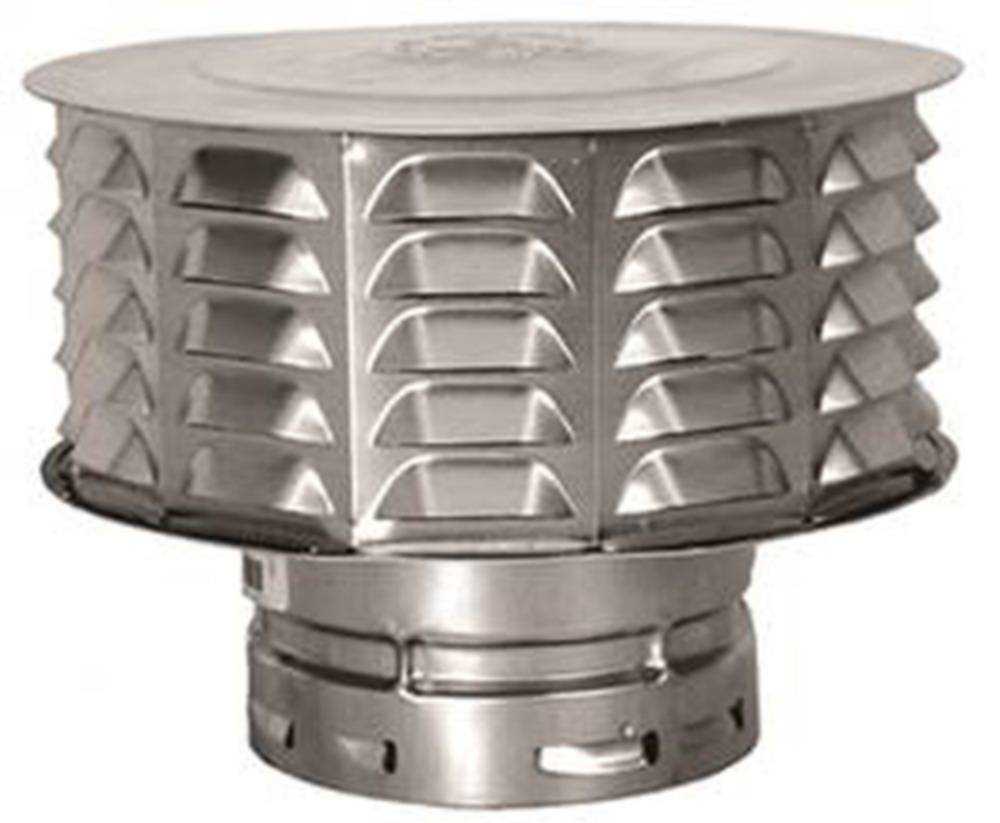
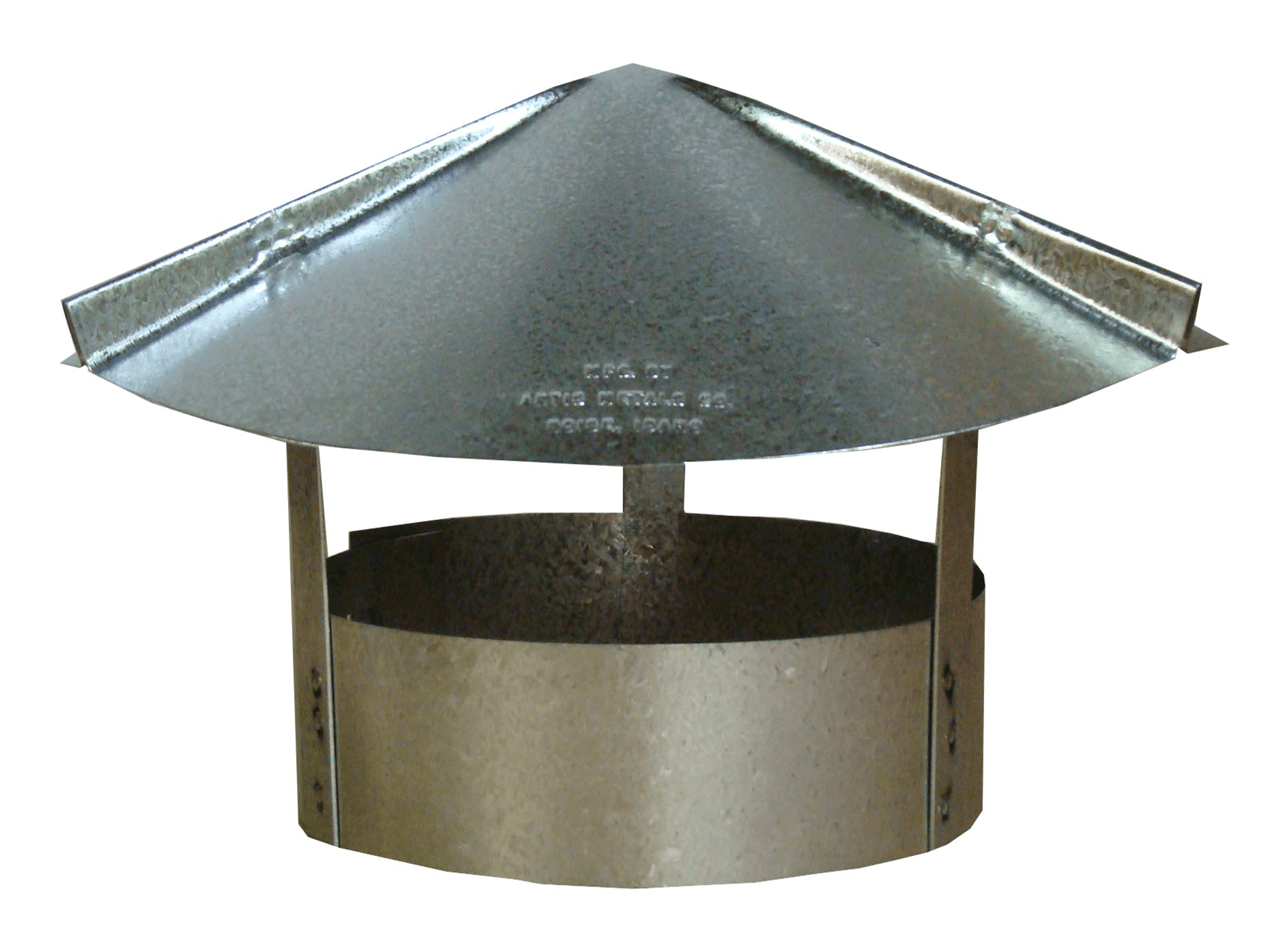
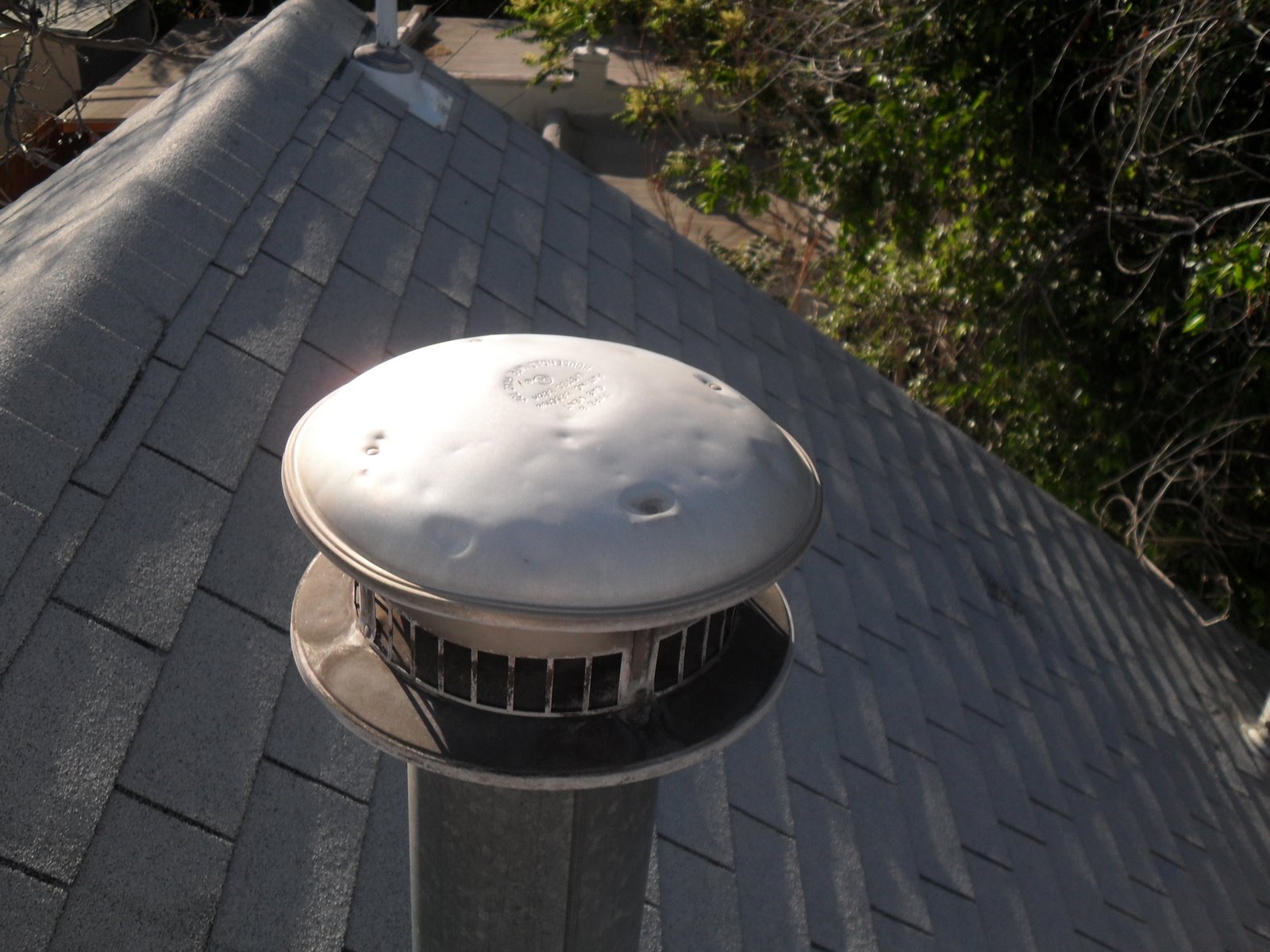
A furnace vent pipe cap sits atop the vent pipe, also known as the flue, and serves several key functions:
- Preventing Backdrafting: The cap shields the flue from wind, which can force exhaust gases back into the home, creating a dangerous carbon monoxide situation.
- Protecting Against Weather: Rain, snow, and debris can enter the flue and damage the furnace, reduce efficiency, and even cause corrosion. The cap acts as a barrier.
- Maintaining Proper Draft: A properly designed cap helps maintain a consistent draft, ensuring efficient combustion and proper venting of exhaust gases.
- Preventing Animal Intrusion: Birds, squirrels, and other small animals can build nests in flues, blocking airflow and creating a fire hazard. The cap deters these unwanted guests.
Without a functioning vent pipe cap, furnaces become susceptible to a range of problems, potentially leading to costly repairs, safety hazards, and even system failure. Understanding this importance is the first step towards a successful career in HVAC.
Types of Furnace Vent Pipe Caps
Vent pipe caps come in a variety of designs, each suited for different applications and fuel types. The primary distinctions are based on the fuel used by the furnace:
Natural Gas and Propane Furnaces
These furnaces typically utilize high-efficiency condensing furnaces that vent through PVC or CPVC piping. The caps are designed to withstand the acidic condensate produced by these furnaces.
- Bird Screen Caps: These are simple caps with a mesh screen to prevent birds and debris from entering. They are often used on PVC vents.
- 90-Degree Elbow Caps: These caps redirect the exhaust downward, minimizing the impact of wind. They are common in areas with high winds.
- Concentric Vent Kits: While not strictly a "cap," concentric vent kits are a modern venting solution that draws combustion air from outside through one pipe and exhausts gases through another, often ending in a specialized terminal on the exterior wall.
Oil Furnaces
Oil furnaces require metal vent pipes and caps due to the higher temperatures and corrosive nature of the exhaust gases. Common materials include stainless steel and galvanized steel.
- Barometric Draft Regulator: While not technically a cap, it is an integral part of the venting system for oil furnaces. It helps maintain a consistent draft and prevents excessive heat loss.
- Chimney Caps: Traditional chimney caps are often used with oil furnaces that vent into a masonry chimney.
Considerations for Selecting the Right Cap
Choosing the appropriate vent pipe cap depends on several factors:
- Fuel Type: Natural gas, propane, and oil require different materials and designs.
- Vent Pipe Material: PVC, CPVC, stainless steel, and galvanized steel each have specific cap requirements.
- Local Climate: Areas with high winds or heavy snowfall may require specialized caps.
- Building Codes: Compliance with local and national building codes is crucial.
Installation Best Practices and Code Compliance
Proper installation of a furnace vent pipe cap is critical for safety and efficiency. Here are some best practices:
- Consult Local Codes: Always refer to local and national building codes for specific requirements regarding venting and cap installation.
- Use the Correct Materials: Ensure that the cap material is compatible with the vent pipe material and the fuel type.
- Proper Sealing: Use appropriate sealants to prevent leaks around the cap and vent pipe connection.
- Secure Attachment: Securely attach the cap to the vent pipe to prevent it from being dislodged by wind or weather.
- Regular Inspection: Periodically inspect the cap for damage, corrosion, or blockage and replace it as needed.
Ignoring code compliance can lead to serious consequences, including fines, red-tagged systems, and, most importantly, dangerous carbon monoxide leaks. Familiarity with codes like the International Fuel Gas Code (IFGC) is a must for any HVAC professional.
Certifications and Career Advancement
A solid understanding of furnace venting systems, including vent pipe caps, can significantly enhance your career prospects in HVAC. Consider pursuing these certifications to demonstrate your expertise:
- NATE (North American Technician Excellence): NATE offers certifications in various HVAC specialties, including gas heating and oil heating. Achieving NATE certification demonstrates a high level of technical competence. Learn more at natex.org
- EPA 608 Certification: While primarily focused on refrigerant handling, EPA 608 certification is often required for technicians working on any HVAC system, including furnaces.
- HVAC Excellence: HVAC Excellence offers a range of certifications for HVAC technicians, covering various aspects of installation, maintenance, and repair. Learn more at hvacexcellence.org
Career Path Example: John, an HVAC apprentice, started by assisting senior technicians with furnace installations and repairs. He focused on understanding venting systems and code requirements. After obtaining his NATE certification in gas heating, John was able to take on more complex projects and eventually became a lead installer. He now earns a salary in the range of $60,000 to $80,000 per year.
Industry Trends and the Future of Venting
The HVAC industry is constantly evolving, and advancements in technology and building codes are shaping the future of furnace venting. Here are some key trends to watch:
- High-Efficiency Furnaces: The increasing popularity of high-efficiency condensing furnaces is driving demand for PVC and CPVC venting systems.
- Smart Venting Systems: Emerging technologies are incorporating sensors and controls into venting systems to optimize performance and improve safety.
- Stricter Building Codes: Building codes are becoming increasingly stringent regarding venting requirements to improve energy efficiency and reduce emissions.
According to the U.S. Bureau of Labor Statistics, the job outlook for HVAC mechanics and installers is projected to grow 6 percent from 2022 to 2032, about as fast as the average for all occupations. Approximately 38,000 openings for HVAC mechanics and installers are projected each year, on average, over the decade. The median annual wage for HVAC mechanics and installers was $59,690 in May 2023. (Source: BLS.gov)
Employer Perspective: "We actively seek HVAC technicians with a strong understanding of venting systems and code compliance," says Sarah, the owner of a leading HVAC company. "Proper venting is crucial for safety and efficiency, and we invest in training our technicians to stay up-to-date with the latest technologies and best practices."
Troubleshooting Venting Problems
Diagnosing and resolving venting issues is a common task for HVAC technicians. Some common problems include:
- Blocked Vent Pipe: Obstructions from debris, nests, or collapsed liners can restrict airflow and cause the furnace to malfunction.
- Corrosion: Corrosion of the vent pipe can lead to leaks and reduced draft.
- Improper Sizing: Undersized or oversized vent pipes can affect furnace performance and efficiency.
- Backdrafting: Backdrafting occurs when exhaust gases are drawn back into the home, posing a serious health risk.
Technicians use various tools and techniques to troubleshoot venting problems, including:
- Visual Inspection: A thorough visual inspection can often reveal obvious problems, such as blockages or corrosion.
- Draft Testing: Draft gauges are used to measure the draft in the vent pipe.
- Combustion Analysis: Combustion analyzers measure the levels of carbon monoxide, oxygen, and other gases in the exhaust to assess furnace efficiency and safety.
Understanding these common issues and diagnostic techniques is essential for providing effective service and ensuring customer safety.
Conclusion
The furnace vent pipe cap, while seemingly simple, is a vital component of a safe and efficient heating system. For HVAC students, technicians, and employers, a comprehensive understanding of vent pipe caps, their function, types, installation, and code compliance is essential for success in this rewarding industry. By staying informed about industry trends, pursuing relevant certifications, and prioritizing safety, you can build a fulfilling and prosperous career in HVAC. Remember to prioritize safety, stay informed, and continue to develop your skills in this ever-evolving field.