Furnace Vent Rain Cap And Storm Collar
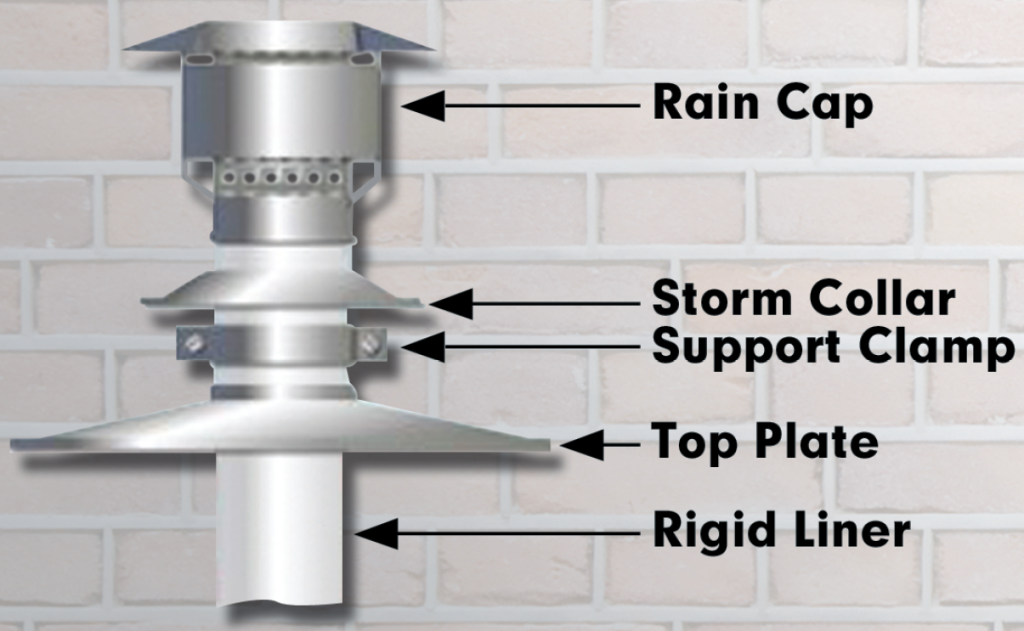
Maintaining a properly functioning furnace venting system is crucial for the safety and efficiency of your home's heating. Two essential components of this system are the rain cap and the storm collar. While they might seem like minor details, they play a significant role in preventing damage and ensuring your furnace operates as intended.
What is a Furnace Vent?
Before diving into rain caps and storm collars, let's briefly discuss what a furnace vent is. A furnace vent, also known as a flue, is a pipe or duct that carries exhaust gases produced by your furnace out of your home. These gases contain potentially dangerous substances like carbon monoxide, so it's vital that they are safely expelled outside. The vent is typically made of metal, either single-wall or double-wall, and extends from the furnace, through the roof (or sometimes a side wall), to the exterior.
The Role of the Rain Cap
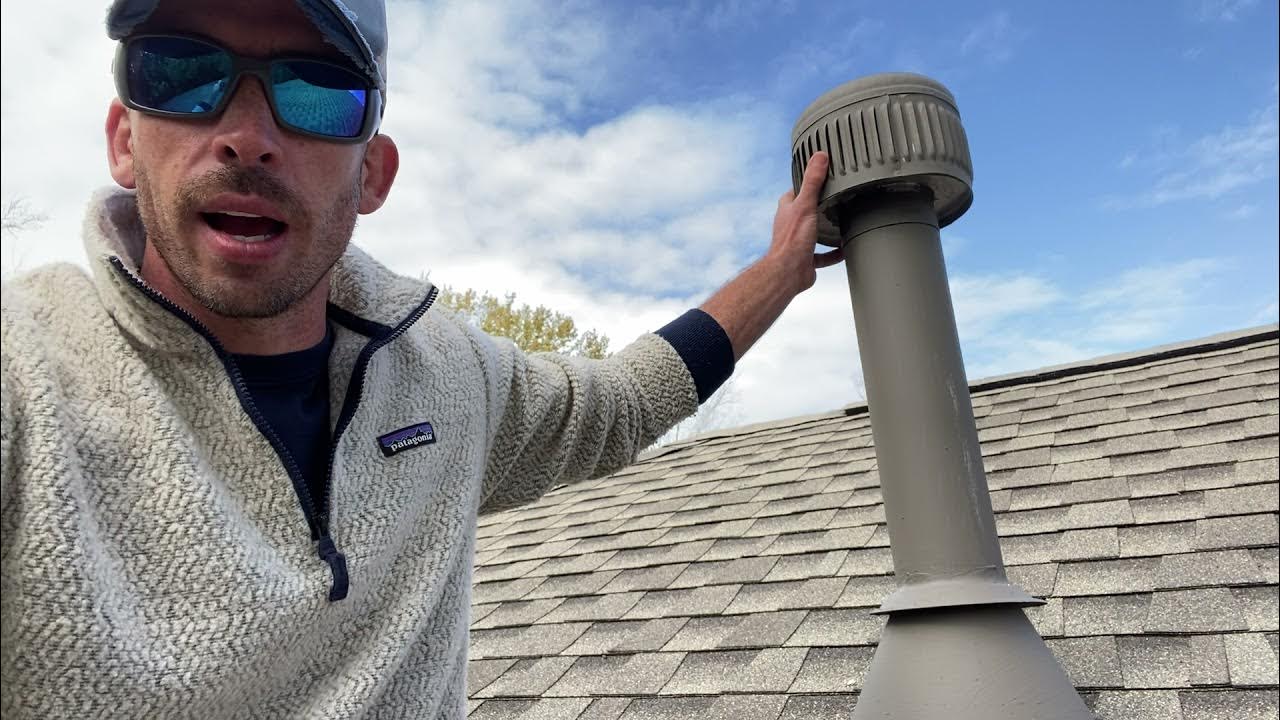
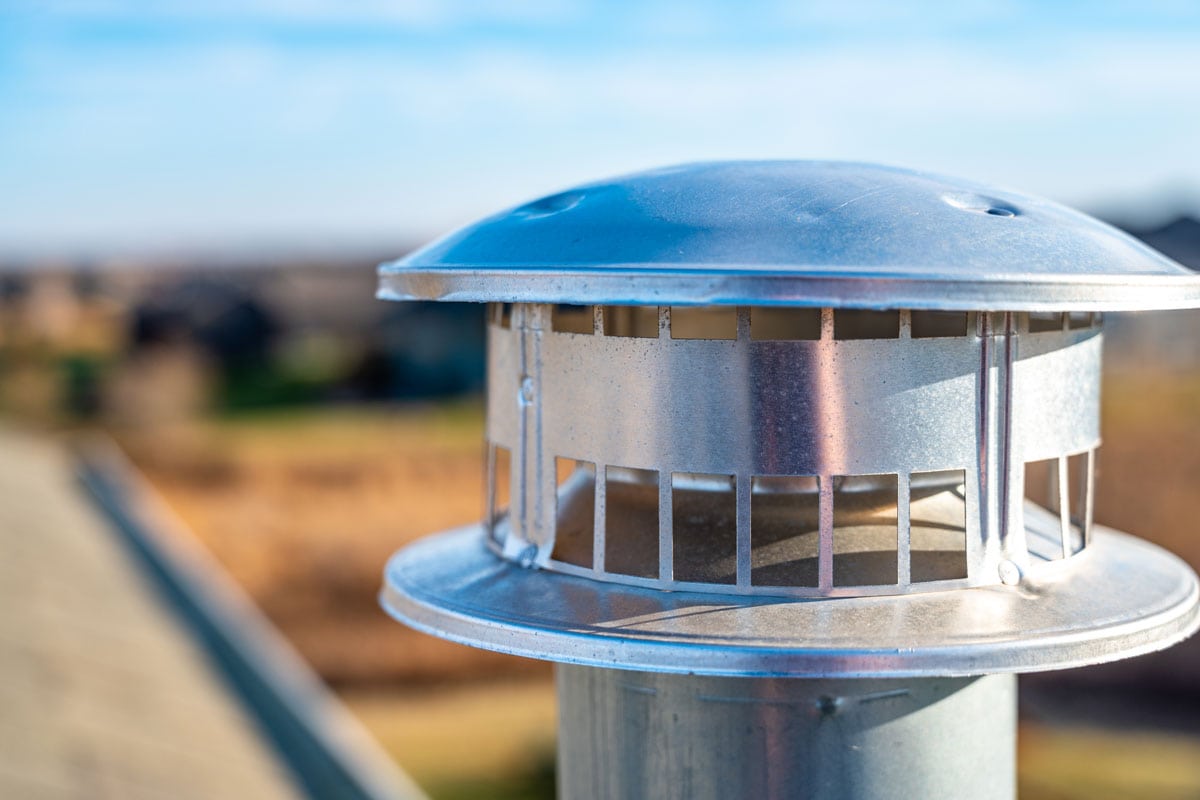
The rain cap, sometimes called a vent cap or flue cap, is a protective covering placed at the very top of the furnace vent. Its primary purpose is to prevent rain, snow, leaves, debris, and even animals from entering the vent pipe. Think of it like an umbrella for your furnace vent. Without a rain cap, water could potentially enter the vent, leading to several problems.
Why is a Rain Cap Important?
- Prevents Water Damage: Water entering the vent can corrode the furnace itself, leading to rust and eventual failure. The water can also damage the chimney lining (if applicable), causing costly repairs.
- Prevents Blockages: Leaves, twigs, and other debris can accumulate inside the vent pipe, blocking the flow of exhaust gases. This can cause the furnace to operate inefficiently and, in severe cases, trigger a dangerous carbon monoxide buildup inside your home.
- Deters Animals: Birds, squirrels, and other small animals sometimes find shelter inside vent pipes. A rain cap acts as a barrier, preventing them from nesting and causing obstructions.
- Reduces Downdraft: Certain rain cap designs can help reduce downdraft, which is when wind pushes air down the vent pipe. Downdraft can interfere with the proper exhausting of furnace gases.
Types of Rain Caps
Rain caps come in various designs and materials. The most common types include:
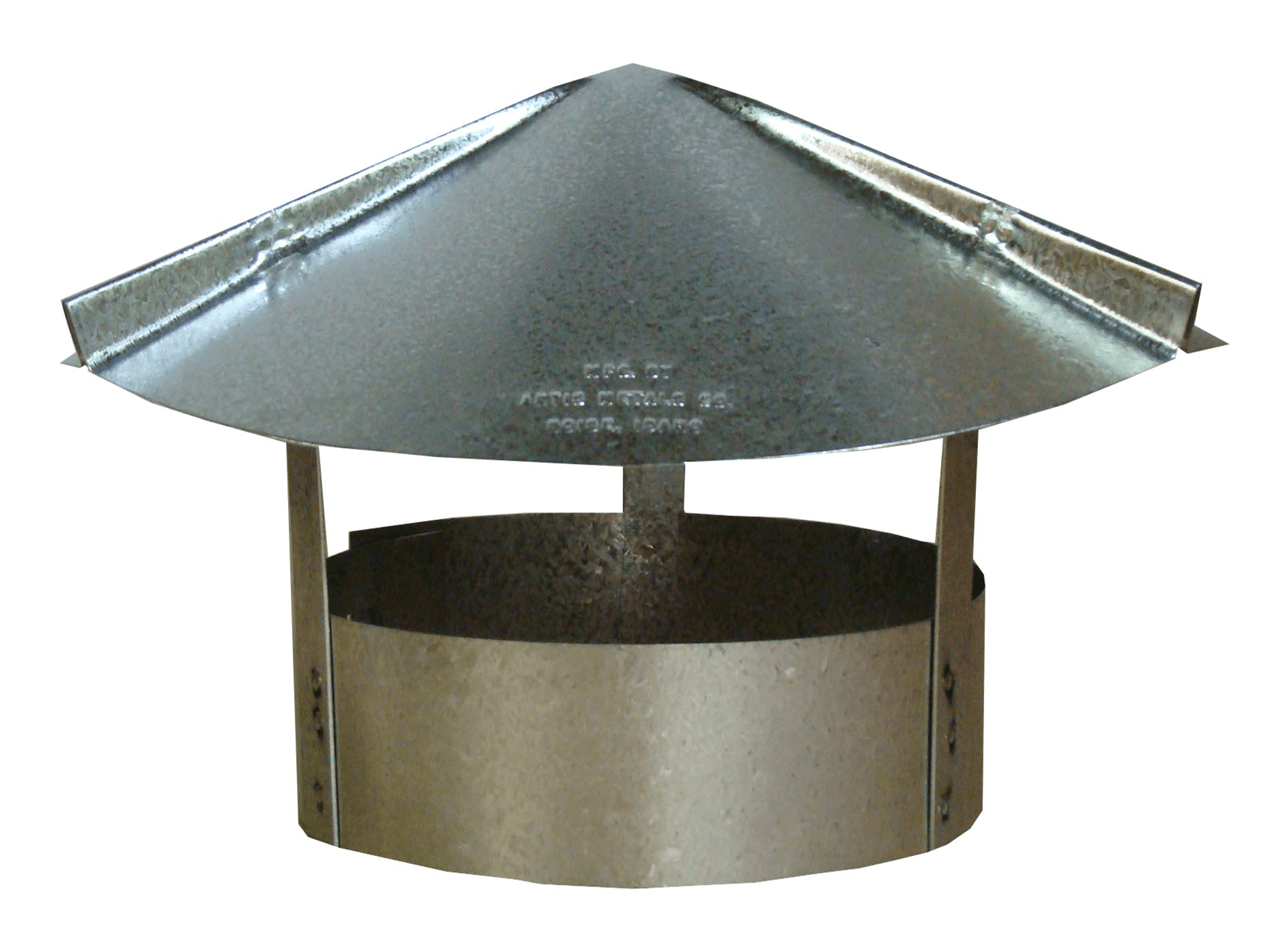
- Conical Rain Cap: This is the most basic type, featuring a cone-shaped cover that deflects rain and debris.
- H-Style Rain Cap: Shaped like the letter "H," this type offers good protection against wind-driven rain and snow.
- Wind-Resistant Rain Cap: Designed to minimize downdraft, these caps are particularly useful in areas with strong winds.
- Spark Arrestor Rain Cap: These caps have a mesh screen that prevents sparks from escaping the vent, making them suitable for wood-burning furnaces or stoves.
Choosing the Right Rain Cap
Selecting the right rain cap depends on several factors, including the type of furnace, the climate, and the vent pipe size. Consult with a qualified HVAC technician to determine the best option for your specific situation. Consider the material as well. Common materials include galvanized steel, stainless steel, and aluminum. Stainless steel is generally the most durable and resistant to corrosion, but it is also the most expensive.
The Role of the Storm Collar
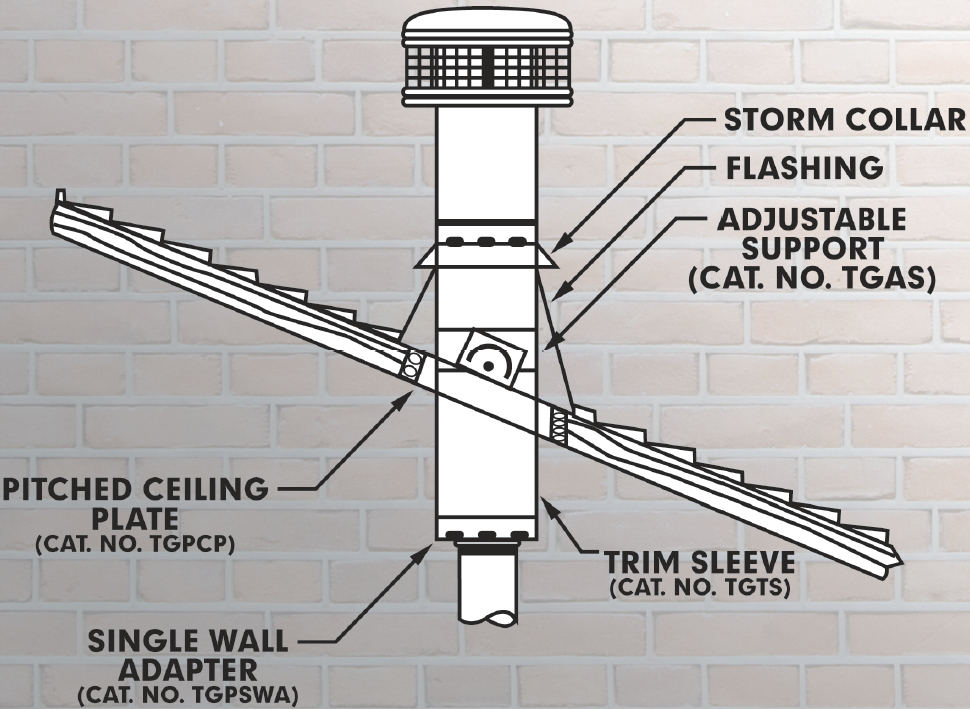
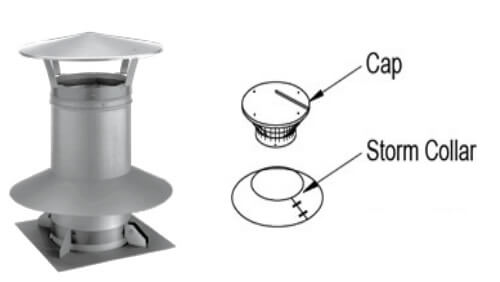
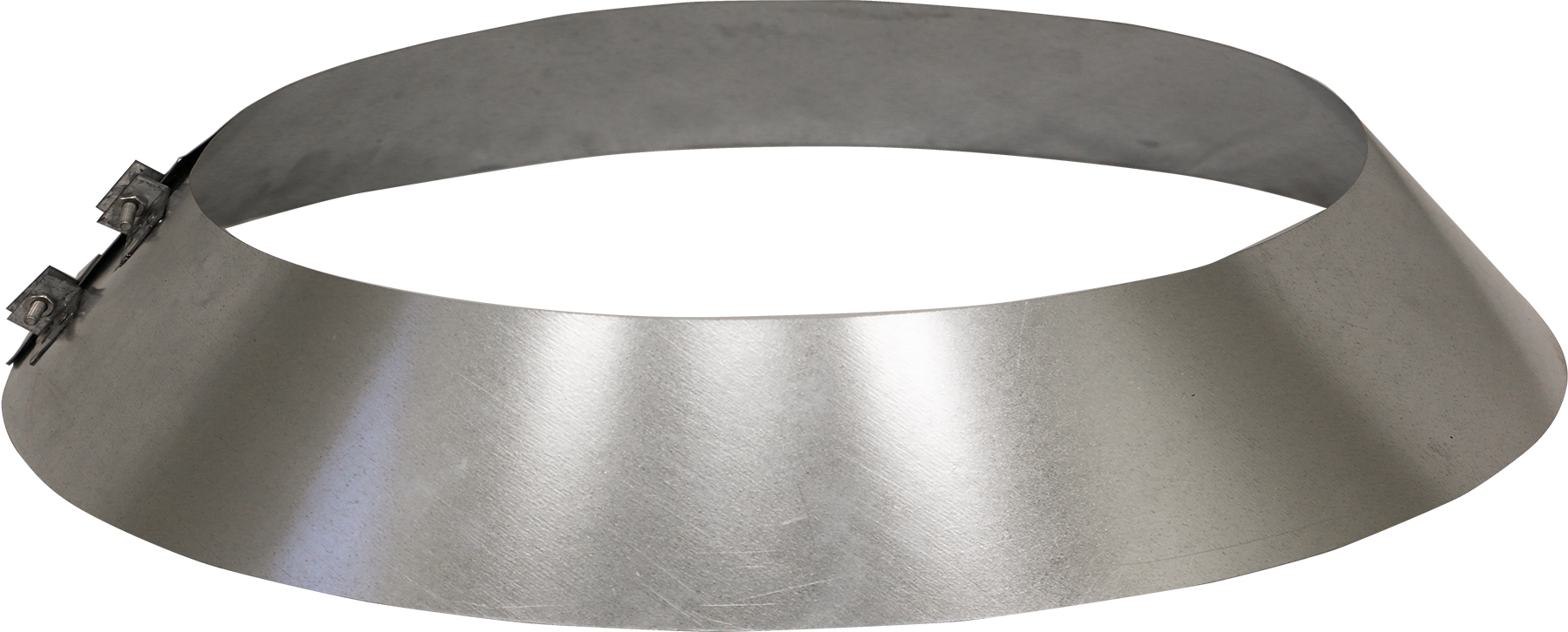
The storm collar is a metal flashing that sits below the rain cap, where the vent pipe passes through the roof. It's a critical component in preventing water from leaking into your home around the vent pipe. Think of it as a waterproof seal that bridges the gap between the vent pipe and the roofing material.
Why is a Storm Collar Important?
- Prevents Roof Leaks: The primary function of the storm collar is to prevent water from seeping through the roof penetration created by the vent pipe. Without a properly installed storm collar, rainwater can run down the vent pipe and enter your attic or living space, causing significant water damage.
- Protects the Roof Structure: Prolonged water leaks can rot the wood framing and sheathing around the vent pipe, compromising the structural integrity of your roof.
- Prevents Mold Growth: Moisture intrusion can create a breeding ground for mold and mildew, which can pose health risks and require costly remediation.
How a Storm Collar Works
The storm collar is typically made of two pieces that wrap around the vent pipe. It's positioned above the roof flashing (a wider piece of metal that surrounds the base of the vent pipe where it meets the roof). The storm collar is then sealed to the vent pipe using a high-quality sealant, creating a watertight barrier. The angle of the collar sheds water away from the pipe, preventing it from running down into the house. Proper sealing is absolutely critical.
Materials and Installation
Storm collars are usually made of galvanized steel, aluminum, or stainless steel. The material should be compatible with the vent pipe and the roof flashing to prevent galvanic corrosion (a chemical reaction that can occur when dissimilar metals are in contact). Installation should always be performed by a qualified professional. They will ensure the storm collar is properly sized, positioned, and sealed to prevent leaks.
The Relationship Between Rain Cap and Storm Collar
The rain cap and storm collar work together to protect your furnace vent system and your home. The rain cap prevents water and debris from entering the vent pipe itself, while the storm collar prevents water from leaking into your home around the vent pipe's roof penetration. They are both essential components of a complete and effective venting system. One protects the inside of the vent; the other protects the inside of your house.
Maintenance and Inspection
Regular inspection and maintenance of your rain cap and storm collar are crucial to ensure they are functioning properly.
Rain Cap Maintenance:
- Inspect Regularly: Check the rain cap at least once a year, preferably before the heating season begins. Look for signs of damage, such as rust, cracks, or missing pieces.
- Clean Debris: Remove any leaves, twigs, or other debris that have accumulated on the rain cap.
- Check for Proper Fit: Ensure the rain cap is securely attached to the vent pipe.
Storm Collar Maintenance:
- Inspect for Leaks: Check for water stains around the vent pipe inside your attic or living space, especially after heavy rain or snowfall.
- Examine the Sealant: Inspect the sealant around the storm collar for cracks, gaps, or deterioration. If necessary, re-apply a high-quality sealant.
- Check for Corrosion: Look for signs of rust or corrosion on the storm collar itself.
When to Replace a Rain Cap or Storm Collar
If you notice any of the following signs, it's time to replace your rain cap or storm collar:
- Visible Damage: Cracks, rust, or missing pieces indicate that the rain cap or storm collar is no longer providing adequate protection.
- Leaks: Water stains around the vent pipe inside your home are a clear sign that the storm collar is failing.
- Inefficient Furnace Operation: If your furnace is running inefficiently or experiencing frequent problems, a blocked or damaged rain cap could be to blame.
- Older Age: Even without visible damage, rain caps and storm collars can deteriorate over time due to weather exposure. Consider replacing them after 15-20 years.
Professional Assistance
While some homeowners may be comfortable performing basic maintenance on their rain cap and storm collar, replacement or major repairs should always be handled by a qualified HVAC technician or roofing professional. Working on roofs can be dangerous, and improper installation can lead to serious problems.
An HVAC technician can properly diagnose the issue, recommend the appropriate replacement parts, and ensure that the installation is done correctly and safely. They can also assess the overall condition of your furnace venting system and identify any other potential problems.
Cost Considerations
The cost of a rain cap or storm collar replacement can vary depending on the material, size, and complexity of the installation. Expect to pay for both the cost of the materials and the labor involved.
While it may be tempting to save money by attempting a DIY installation, it's important to weigh the risks and benefits carefully. Improper installation can lead to costly repairs and potentially dangerous situations. Investing in professional installation is often the best way to ensure that the job is done right and that your home is protected.
Conclusion
The rain cap and storm collar are essential components of a safe and efficient furnace venting system. By understanding their function, importance, and maintenance requirements, you can help protect your home from water damage, prevent costly repairs, and ensure the reliable operation of your furnace. Regular inspection and prompt attention to any issues will contribute to a safe and comfortable home environment for years to come. Remember to consult with a qualified professional for any repairs or replacements to ensure the job is done safely and effectively. Taking care of these small components can prevent big problems down the line.