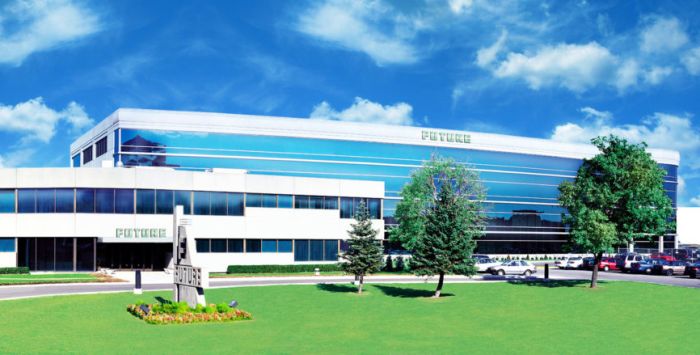
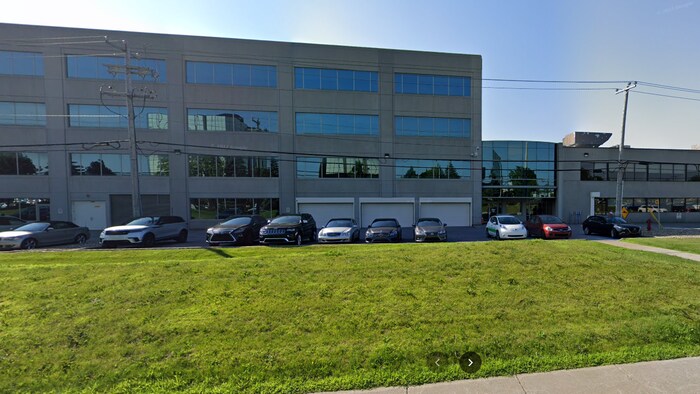
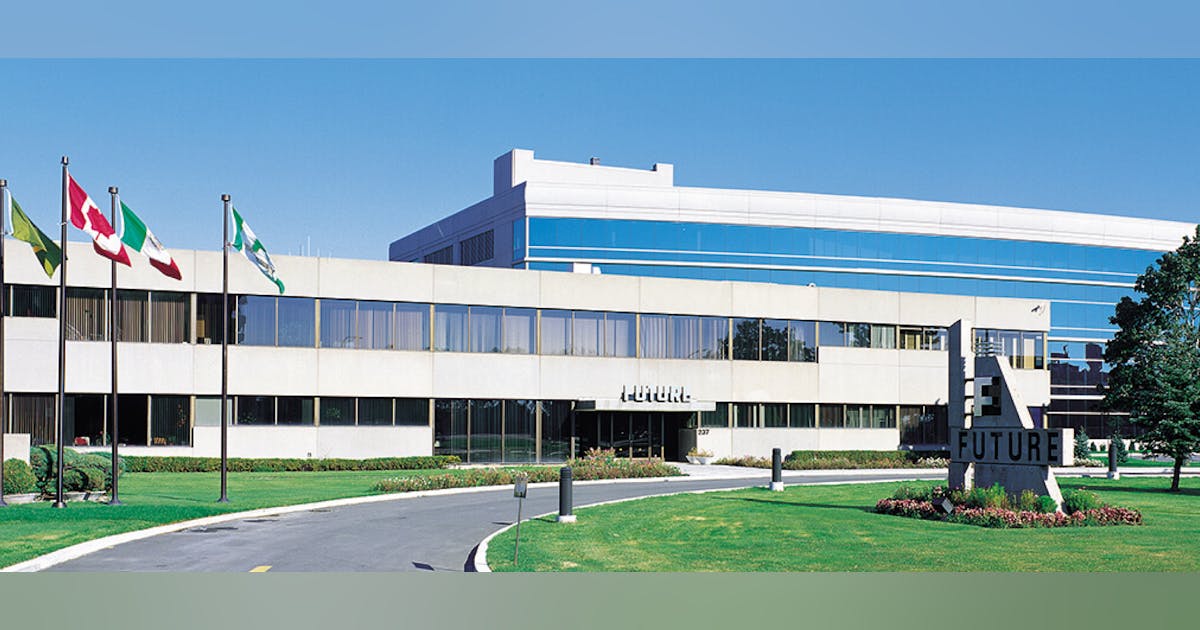
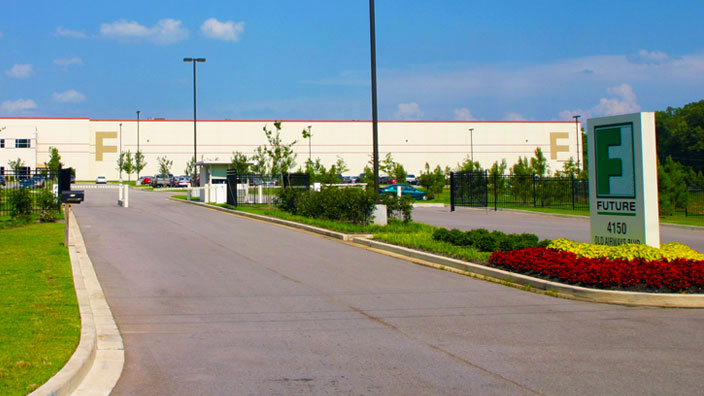
Future Electronics Memphis Area Distribution Center
The humming of HVAC systems often fades into background noise, but for homeowners and businesses in the Memphis area, those systems represent a significant portion of energy bills. And for HVAC contractors, they are the key to providing long-term savings and comfort for customers. This article explores ways to improve energy efficiency, focusing on upgrades, smart technology integration, and strategies that can cut costs without sacrificing comfort.
Understanding Your Energy Consumption in Memphis
Memphis summers are notorious for their heat and humidity, placing a heavy burden on cooling systems. According to the Energy Information Administration (EIA), the South consistently ranks high in residential energy consumption for cooling. This reality underscores the need for efficient HVAC solutions. Before investing in upgrades, understanding your current energy usage is crucial. Reviewing your past energy bills can reveal peak consumption periods and allow you to estimate potential savings from improvements.
Home energy audits provide a more in-depth assessment. These audits identify areas of energy loss, such as inadequate insulation, leaky windows, and inefficient appliances. Many utility companies in the Memphis area, like Memphis Light, Gas and Water (MLGW), offer energy audit programs and even rebates for implementing recommended improvements.
Upgrading to Energy-Efficient HVAC Systems
The heart of any energy-efficient home or business is an efficient HVAC system. Older systems, even those well-maintained, often operate at lower efficiency levels compared to modern counterparts. When considering an upgrade, pay close attention to two key ratings: SEER (Seasonal Energy Efficiency Ratio) for cooling and HSPF (Heating Seasonal Performance Factor) for heating. These ratings indicate the system's efficiency; the higher the number, the more efficient the unit.
Energy Star certified HVAC systems are a great place to start your search. These models meet strict efficiency guidelines set by the Environmental Protection Agency (EPA) and can significantly reduce energy consumption. Replacing a 10-SEER air conditioner with a 16-SEER Energy Star model, for example, can reduce cooling energy usage by 20-30%. The exact savings will depend on your home's size, insulation, and climate.
Types of Efficient HVAC Systems
- High-Efficiency Air Conditioners: Look for SEER ratings of 16 or higher. Some models even reach SEER 20 or beyond.
- Heat Pumps: These systems provide both heating and cooling and can be particularly efficient in Memphis's moderate winters. Pay attention to both SEER and HSPF ratings.
- Ductless Mini-Split Systems: Ideal for homes without ductwork or for targeting specific zones. These systems offer high efficiency and individual temperature control.
- Geothermal Heat Pumps: While a larger initial investment, geothermal systems offer exceptional efficiency by utilizing the earth's stable temperature. These systems can provide significant long-term savings and are becoming increasingly popular in the region.
Leveraging Smart Technology for Enhanced Control
Smart thermostats are more than just a trendy gadget; they're a powerful tool for managing energy consumption. These devices allow you to remotely control your HVAC system, set custom schedules, and even learn your habits to optimize energy use automatically. Features like geofencing, which adjusts the temperature based on your location, can prevent wasted energy when you're away from home.
Integrating smart thermostats with other smart home devices, such as sensors and smart vents, can further enhance efficiency. Sensors can detect room occupancy and adjust the temperature accordingly, while smart vents allow you to control airflow to different zones, ensuring that only occupied areas are heated or cooled. Companies like Ecobee and Nest offer a range of smart thermostats and accessories that are compatible with various HVAC systems.
Benefits of Smart HVAC Integration:
- Remote Control: Adjust your thermostat from anywhere using your smartphone or tablet.
- Customized Scheduling: Set schedules that align with your lifestyle and energy consumption patterns.
- Geofencing: Automatically adjust the temperature based on your location.
- Zoning Control: Target specific areas for heating or cooling, reducing wasted energy.
- Energy Monitoring: Track your energy consumption and identify areas for improvement.
- Voice Control: Integrate with voice assistants like Amazon Alexa or Google Assistant for hands-free control.
The Importance of Proper Insulation and Sealing
Even the most efficient HVAC system will struggle to maintain a comfortable temperature if your home is poorly insulated. Insulation acts as a barrier, preventing heat from escaping in the winter and entering in the summer. Common areas for insulation upgrades include attics, walls, and crawl spaces. The Department of Energy (DOE) provides recommendations for insulation levels based on climate zone. Memphis falls into climate zone 3, which has specific R-value recommendations for various areas of the home.
Air leaks can also significantly impact energy efficiency. Sealing cracks and gaps around windows, doors, and pipes can prevent drafts and reduce energy waste. Weatherstripping, caulking, and expanding foam are effective tools for sealing air leaks. Addressing insulation and air leaks before upgrading your HVAC system can maximize the impact of your investment.
HVAC Maintenance: A Key to Long-Term Efficiency
Regular maintenance is essential for maintaining the efficiency and lifespan of your HVAC system. Neglecting maintenance can lead to reduced performance, increased energy consumption, and costly repairs. Simple tasks like changing air filters regularly can significantly improve airflow and prevent the system from overworking. The American Society of Heating, Refrigerating and Air-Conditioning Engineers (ASHRAE) recommends specific maintenance schedules for various HVAC components.
Professional HVAC tune-ups are also crucial. A qualified technician can inspect and clean coils, check refrigerant levels, and identify any potential problems before they escalate. Many HVAC contractors in the Memphis area offer maintenance plans that include regular tune-ups and priority service.
Essential HVAC Maintenance Tasks:
- Change air filters regularly (every 1-3 months).
- Clean outdoor condenser coils.
- Check refrigerant levels.
- Inspect ductwork for leaks and damage.
- Lubricate moving parts.
- Calibrate thermostat.
- Schedule professional tune-ups annually.
Understanding Rebates and Incentives in the Memphis Area
Investing in energy-efficient upgrades can be costly, but various rebates and incentives can help offset the initial expense. MLGW offers rebates for installing Energy Star certified HVAC systems, insulation upgrades, and smart thermostats. The Tennessee Valley Authority (TVA) also provides energy efficiency programs that may be available to residents and businesses in the Memphis area.
In addition to local programs, federal tax credits may also be available for certain energy-efficient upgrades. The Inflation Reduction Act of 2022 includes tax credits for energy-efficient home improvements, such as installing qualified heat pumps and insulation. Consult with a tax professional to determine your eligibility for these credits.
HVAC contractors in the Memphis area can often provide information on available rebates and incentives. Some contractors even handle the application process on behalf of their clients, making it easier to access these savings.
Real-World ROI Examples in Memphis
Let's consider some real-world examples of how homeowners and businesses in the Memphis area have achieved significant energy savings through HVAC upgrades and energy-efficiency improvements.
Case Study 1: Residential Homeowner
A homeowner in Germantown replaced a 15-year-old, 8-SEER air conditioner with a new 18-SEER Energy Star model. After also adding insulation to the attic, their energy bills decreased by an average of 25% during the summer months. They also received a rebate from MLGW, further reducing their overall costs.
Case Study 2: Small Business Owner
A small business owner in downtown Memphis installed a ductless mini-split system in their office space and implemented a smart thermostat with zoning control. This allowed them to heat and cool only the occupied areas, resulting in a 30% reduction in energy consumption. They also qualified for a TVA energy efficiency incentive.
These examples demonstrate the potential for significant cost savings through strategic HVAC upgrades and energy-efficiency improvements. The key is to conduct a thorough energy audit, choose the right equipment, and take advantage of available rebates and incentives.
Choosing the Right HVAC Contractor in Memphis
Selecting a qualified and reputable HVAC contractor is crucial for a successful installation or upgrade. Look for contractors who are licensed, insured, and experienced in installing energy-efficient systems. Ask for references and check online reviews to assess their reputation. A good contractor will also provide a detailed estimate and explain the benefits of different HVAC options.
Consider asking potential contractors about their knowledge of energy-efficient technologies, their experience with rebate programs, and their commitment to providing ongoing maintenance and support. A proactive and knowledgeable contractor can help you maximize your energy savings and ensure the long-term performance of your HVAC system.
Conclusion
Improving energy efficiency is a win-win for homeowners, businesses, and the environment. By upgrading to efficient HVAC systems, embracing smart technology, and implementing simple energy-saving measures, you can significantly reduce your energy bills, improve your comfort, and contribute to a more sustainable future in the Memphis area. Don't let your HVAC system be a drain on your wallet – take control and start saving energy today.