Garbage Disposal Lower Than Drain Pipe
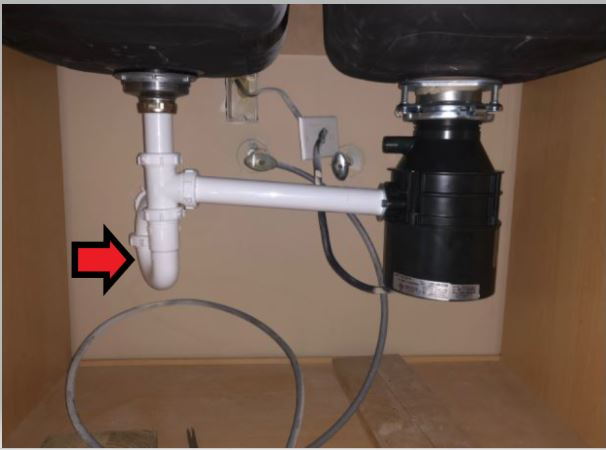
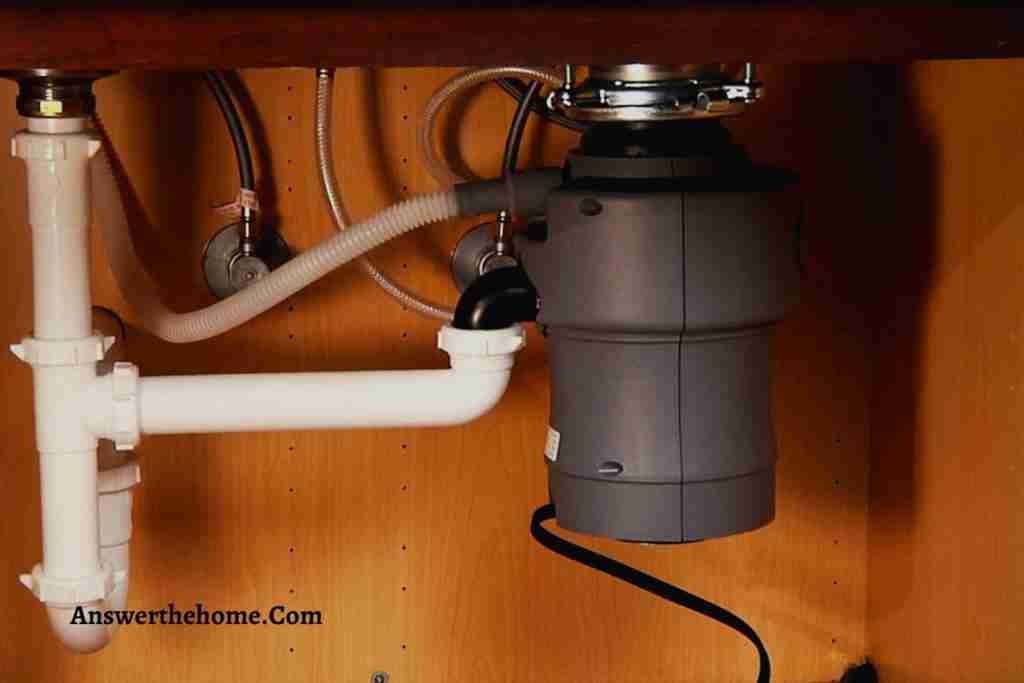
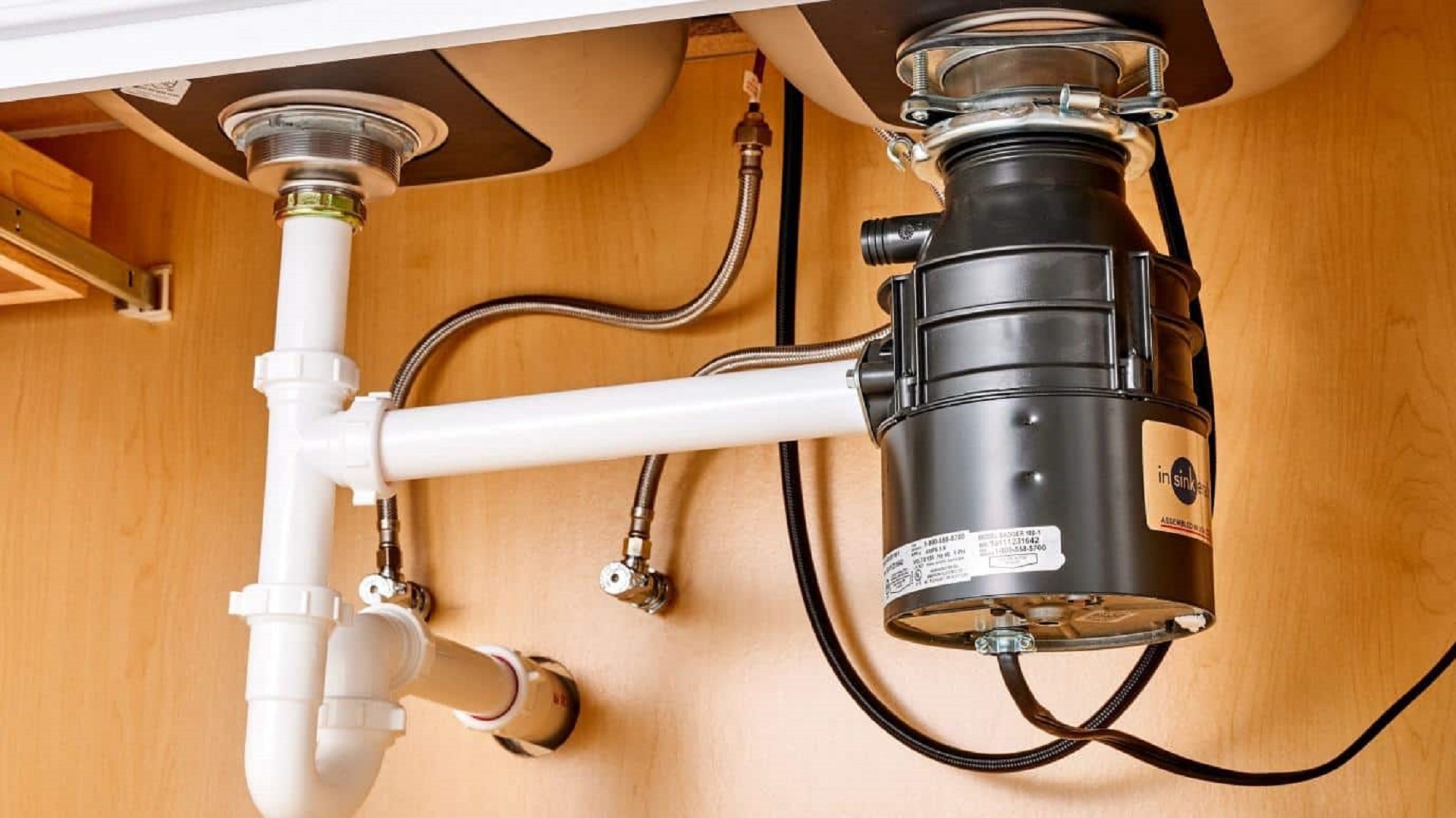
One of the most common plumbing frustrations homeowners face is a malfunctioning garbage disposal. A particularly tricky scenario arises when the garbage disposal is positioned lower than the drain pipe. This setup can lead to standing water in the disposal, slow draining, and an unpleasant odor. While professional plumbing assistance is often the best solution, there are several troubleshooting steps you can take to diagnose and potentially resolve the issue yourself. This guide will provide a step-by-step approach to tackle this problem, emphasizing safety and knowing when to call in the experts.
Understanding the Problem: Why Lower Matters
The garbage disposal relies on gravity to effectively drain. When it's situated lower than the connecting drain pipe, the motor has to work harder to force waste and water upwards. This often results in:
- Slow draining: Water accumulates in the disposal basin.
- Standing water: Water remains in the disposal even after it's been turned off.
- Foul odors: Decaying food particles sit in the stagnant water.
- Increased wear and tear: The motor strains to pump waste uphill.
Before diving into troubleshooting, it's crucial to prioritize safety. Always disconnect the power to the disposal before performing any maintenance or repairs. Locate the circuit breaker that controls the disposal and switch it off. If you're unsure which breaker to use, consult your home's electrical panel directory or test each breaker until the disposal no longer functions.
Step 1: Ensuring Power Supply
While the positioning is the primary concern, it's essential to verify the basics. A lack of power can mimic the symptoms of a drain issue.
Checking the Outlet:
First, confirm the disposal is receiving power. Use a simple appliance (like a lamp) known to work and plug it into the disposal's outlet to test. If the lamp doesn't light up, the outlet is the problem.
Possible solutions:
- Reset the GFCI outlet: If the outlet is a GFCI (Ground Fault Circuit Interrupter), it may have tripped. Look for "Test" and "Reset" buttons on the outlet and press the "Reset" button.
- Check the circuit breaker: Go back to your electrical panel and ensure the breaker for the disposal hasn't tripped. If it has, flip it to the "Off" position and then back to the "On" position.
- Call an electrician: If the outlet still isn't working after trying these steps, you'll need to contact a qualified electrician. Never attempt to repair electrical wiring yourself unless you're a licensed electrician.
Reset Button Check:
Most disposals have a reset button located on the bottom of the unit. It's usually a small, red button.
Instructions:
- Turn off the disposal's power at the breaker.
- Locate the reset button on the bottom of the disposal.
- Press the reset button firmly. You should feel or hear a click.
- Restore power at the breaker and try running the disposal.
Step 2: Addressing Simple Clogs
Even with the height issue, a clog can exacerbate draining problems. Clogs typically consist of food debris or other materials that shouldn't be in the disposal.
Manual Removal:
Before using any tools, always disconnect the power!
Instructions:
- Turn off the disposal's power at the breaker.
- Using tongs or pliers, carefully remove any visible debris from the disposal chamber. Never put your hand inside the disposal.
- Inspect the rubber splash guard for any lodged debris.
Using Tongs and Pliers:
- Use long-handled tongs to reach deep into the disposal without putting your hands at risk.
- Pliers can be helpful for grasping smaller, stubborn pieces of debris.
- Proper lighting is essential for clear visibility. Use a flashlight to illuminate the disposal chamber.
The Broom Handle Method:
This can help dislodge larger obstructions:
- Turn off the disposal's power at the breaker.
- Insert the wooden end of a broom handle into the disposal chamber.
- Gently push and rotate the broom handle to try to dislodge any obstructions.
- Remove the broom handle and check for any loosened debris. Remove the debris with tongs.
- Restore power and run the disposal briefly with cold water to flush out any remaining debris.
Baking Soda and Vinegar Solution:
This natural solution can help dissolve grease and break down some clogs:
- Pour one cup of baking soda down the drain into the disposal.
- Follow with one cup of white vinegar.
- Let the mixture fizz for 30 minutes.
- Flush with hot water for several minutes.
Step 3: Inspecting the Drain Lines
Even if the disposal itself is clear, a clog further down the drain line can prevent proper draining, especially given the disposal's lower position.
Checking the P-Trap:
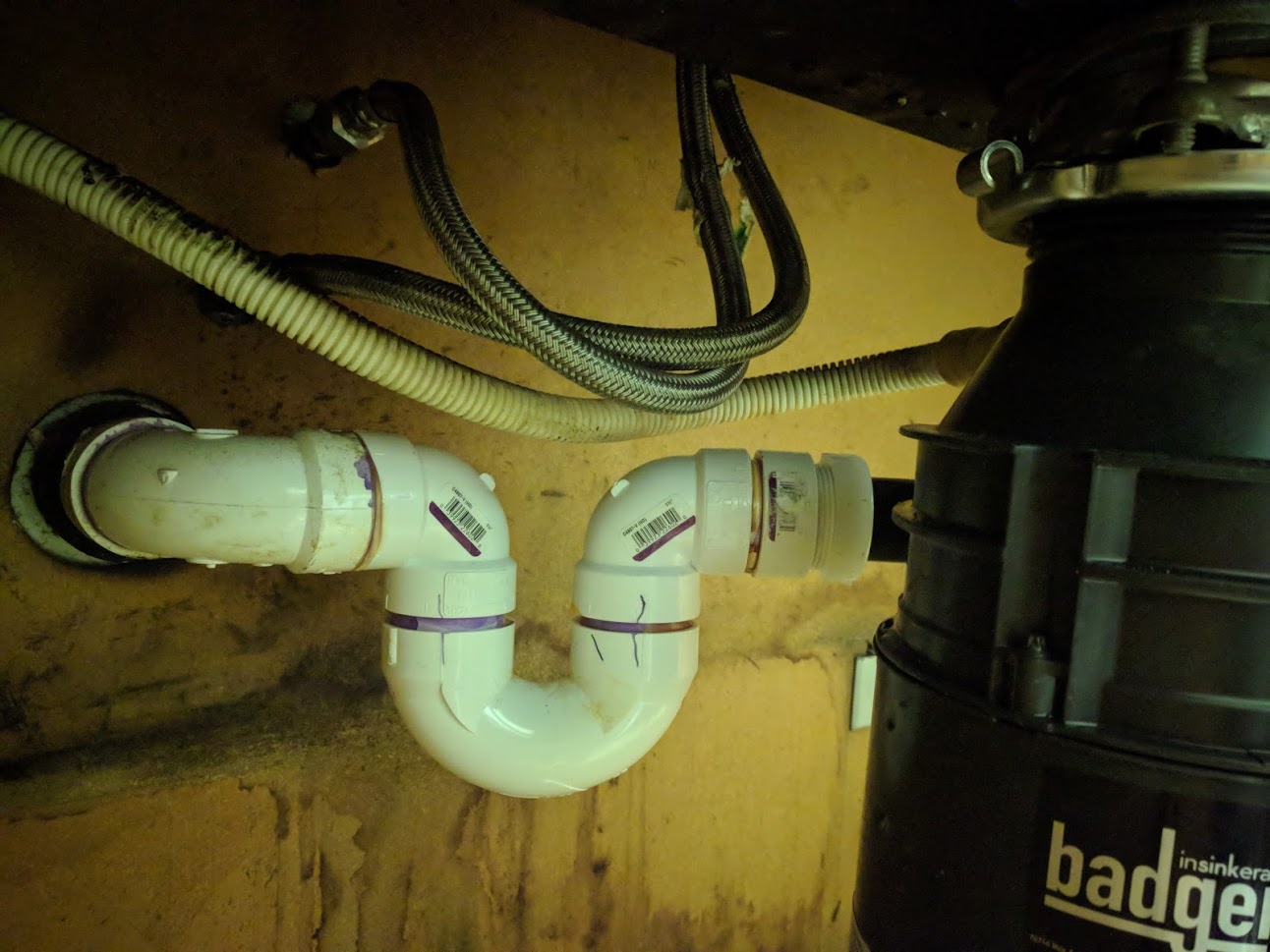
The P-trap is the curved pipe under your sink. It's designed to trap debris and prevent sewer gases from entering your home. However, it's also a common spot for clogs.
Instructions:
- Place a bucket under the P-trap to catch any water.
- Loosen the slip nuts on either side of the P-trap. You may need pliers, but be careful not to overtighten or damage the nuts.
- Carefully remove the P-trap.
- Clean out any debris from the P-trap.
- Flush the P-trap with water to ensure it's clear.
- Reassemble the P-trap, ensuring the slip nuts are snug but not overtightened.
- Run water to check for leaks. Tighten the slip nuts if necessary.
Inspecting the Drain Pipe:
After cleaning the P-trap, check the drain pipe that connects to it. Look for any obvious signs of blockage.
Instructions:
- Use a flashlight to inspect the inside of the drain pipe.
- If you see any debris, try to remove it with a flexible tool like a bent coat hanger or a plumber's snake. Be careful not to damage the pipe.
- If you suspect a clog deeper in the drain line, consider using a longer plumber's snake or calling a professional plumber.
Step 4: Addressing the Height Issue (Limited DIY Options)
Unfortunately, directly fixing the height disparity between the disposal and the drain pipe is usually beyond the scope of a simple DIY project. However, there are a few things you can consider (with the understanding that professional help is often required):
Is the Sink Basket Assembly Correct?
Sometimes, the problem isn't the height of the drain pipe itself, but how the garbage disposal is mounted to the sink. Ensure the sink flange is properly seated and tightened. A loose or misaligned flange can cause the disposal to sit lower than it should.
Instructions:
- Examine the sink flange where the disposal connects to the sink.
- Make sure the flange is flush with the sink basin and securely tightened.
- If the flange is loose, tighten the mounting screws or retaining ring.
- If the flange is damaged, it may need to be replaced. This is a relatively simple replacement, but consult a plumber if you're unsure.
Possible (But Unlikely) Shimming
This is not generally recommended as a long-term solution, but in very limited circumstances, a small shim could provide a slight lift. However, this is generally unstable and can lead to leaks. Only consider this *if* the difference is extremely small (less than 1/4 inch) and the disposal is otherwise properly supported. A more reliable solution is to contact a plumber.
Why this is usually not a good idea:
- Compromises stability: Shims can create an unstable base for the disposal, leading to vibrations and potential leaks.
- Increases stress on connections: Lifting the disposal can put undue stress on the drain connections, causing them to loosen or break over time.
- Not a permanent solution: Shimming is a temporary fix and doesn't address the underlying issue of improper drain pipe placement.
When to Call a Professional
While many of these steps are within the realm of DIY, there are situations where a professional plumber is necessary:
- Electrical problems: If you suspect any electrical issues beyond a tripped breaker or GFCI outlet, do not attempt to fix it yourself. Call a qualified electrician.
- Persistent clogs: If you've tried all the methods above and the drain is still clogged, there may be a more serious obstruction deeper in the plumbing system.
- Leaking pipes: If you notice any leaks around the disposal, drain lines, or P-trap, it's best to have a professional assess the situation and make the necessary repairs.
- Disposal replacement: Replacing a garbage disposal can be a DIY project for some, but if you're not comfortable working with plumbing and electrical connections, it's best to leave it to a professional.
- Structural plumbing changes: The most common professional fix involves altering the plumbing to raise the drain pipe's connection point. This requires expertise and may involve cutting and re-piping. This is definitely a job for a licensed plumber.
Preventative Measures
Once you've resolved the immediate problem, consider these preventative measures to minimize future issues:
- Run cold water: Always run cold water when operating the disposal. This helps solidify grease and allows it to be flushed down the drain more easily.
- Avoid certain foods: Avoid putting starchy foods (like pasta and rice), fibrous vegetables (like celery and corn husks), and coffee grounds down the disposal. These can cause clogs.
- Cut food into smaller pieces: Cutting food into smaller pieces before putting it in the disposal makes it easier for the disposal to grind and prevents large chunks from clogging the drain.
- Regular cleaning: Clean the disposal regularly by grinding ice cubes and citrus peels. This helps sharpen the blades and freshen the disposal.
- Don't overload: Avoid overloading the disposal with too much food at once.
By following these troubleshooting steps and preventative measures, you can effectively manage garbage disposal issues and potentially avoid costly repairs. Remember to always prioritize safety and call a professional when the situation requires it.