Gas Burner Doesn't Light
A malfunctioning gas burner in your furnace or boiler can be more than just an inconvenience; it's a potential drain on your wallet and a safety hazard. Addressing a gas burner that won't light promptly is crucial for maintaining a comfortable indoor environment and optimizing energy efficiency. This article explores the common causes, troubleshooting steps, and preventative measures to ensure your gas burner ignites reliably, saving you money and contributing to a greener footprint.
Understanding the Gas Burner System
Before diving into troubleshooting, it's essential to understand the basics of a gas burner system. The system involves several key components:
- Gas Valve: Controls the flow of gas to the burner.
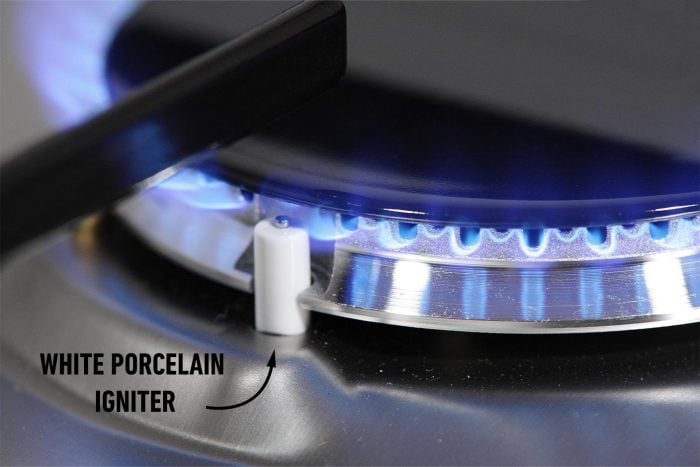
- Igniter/Pilot Light: Provides the spark or flame to ignite the gas. Older systems often use a standing pilot light, while newer, more energy-efficient models employ electronic ignition.
- Flame Sensor/Thermocouple: Detects the presence of a flame and ensures the gas valve remains open.
- Burner Assembly: The component where the gas and air mix and combustion occurs.
- Ventilation System: Safely exhausts combustion byproducts outside your home.
A failure in any of these components can prevent the burner from lighting, leading to a cold house and increased energy bills. According to the Energy Star program, a properly functioning and well-maintained heating system can reduce energy consumption by up to 20%. Addressing a faulty burner is a key step in achieving this efficiency.
Common Causes of a Gas Burner Not Lighting
Several factors can contribute to a gas burner's failure to ignite. Here are some of the most common culprits:
1. Pilot Light Issues (Older Systems)
In older furnaces and boilers with a standing pilot light, the pilot light itself may be extinguished. This could be due to a draft, a clogged pilot tube, or a faulty thermocouple. A dirty pilot light assembly can also cause issues. Cleaning the pilot light assembly, including the orifice, with a small wire brush can often resolve the problem. Remember to always shut off the gas supply before performing any maintenance.
2. Electronic Ignition Problems (Newer Systems)
Newer systems use electronic ignition, which is generally more reliable but can still fail. Common issues include:
- Faulty Igniter: The igniter might be weak or broken, failing to generate a sufficient spark. Inspect the igniter for cracks or damage. A multimeter can be used to test its resistance.
- Flame Sensor Malfunction: The flame sensor may not be detecting the flame, even if the igniter is working. Clean the flame sensor with fine steel wool to remove any buildup.
- Ignition Control Module Failure: The ignition control module is the brain of the ignition system. If it fails, the igniter won't work, and the gas valve won't open.
3. Gas Supply Issues
A lack of gas supply is an obvious but often overlooked cause. Check the following:
- Gas Valve Position: Ensure the gas valve to the furnace or boiler is fully open.
- Gas Meter: Verify that the gas meter is on and functioning correctly. If you suspect a problem with the gas meter, contact your gas company immediately.
- Air in the Gas Line: If the gas supply has been interrupted recently (e.g., due to maintenance), air may be trapped in the gas line. This can be purged by cycling the furnace a few times.
4. Clogged Burners
Over time, dirt, dust, and debris can accumulate in the burner assembly, clogging the burner ports and preventing proper gas flow. Clean the burners with a wire brush and vacuum cleaner to remove any obstructions.
5. Faulty Gas Valve
A malfunctioning gas valve may not open properly, preventing gas from reaching the burner. This can be a serious safety issue and should be addressed by a qualified HVAC technician.
6. Condensate Drain Issues
High-efficiency furnaces produce condensate, which must be drained away. A clogged condensate drain can cause the furnace to shut down as a safety measure. Check the drain line and clear any blockages.
7. Airflow Obstructions
Restricted airflow can also cause burner problems. A dirty air filter, blocked vents, or closed registers can reduce airflow, leading to overheating and burner shutdown. Replace your air filter regularly (every 1-3 months) and ensure that all vents and registers are open and unobstructed.
Troubleshooting Steps
Before attempting any troubleshooting, always turn off the gas supply to the furnace or boiler. If you are not comfortable working with gas appliances, contact a qualified HVAC technician.
- Check the Thermostat: Ensure the thermostat is set to heat and that the temperature is set above the current room temperature.
- Inspect the Pilot Light (Older Systems): If the pilot light is out, follow the manufacturer's instructions to relight it. If it won't stay lit, clean the pilot light assembly and check the thermocouple.
- Examine the Igniter (Newer Systems): Inspect the igniter for cracks or damage. Use a multimeter to test its resistance. If the igniter is faulty, replace it.
- Clean the Flame Sensor: Clean the flame sensor with fine steel wool to remove any buildup.
- Check the Gas Valve: Ensure the gas valve to the furnace or boiler is fully open.
- Clean the Burners: Clean the burners with a wire brush and vacuum cleaner to remove any obstructions.
- Check the Condensate Drain: Ensure the condensate drain is clear of any blockages.
- Replace the Air Filter: Replace the air filter if it is dirty.
- Reset the Furnace: Some furnaces have a reset button. Press the reset button and see if the furnace starts.
Preventative Maintenance for a Reliable Gas Burner
Regular preventative maintenance is key to ensuring your gas burner operates reliably and efficiently. Consider these steps:
- Annual Inspection and Cleaning: Schedule an annual inspection and cleaning by a qualified HVAC technician. This will help identify and address potential problems before they escalate.
- Air Filter Replacement: Replace your air filter regularly (every 1-3 months) to maintain proper airflow and prevent dust and debris from clogging the burner assembly.
- Burner Cleaning: Periodically clean the burner assembly with a wire brush and vacuum cleaner to remove any buildup.
- Pilot Light Maintenance (Older Systems): Regularly inspect and clean the pilot light assembly to ensure proper operation.
- Carbon Monoxide Detector: Install and maintain a carbon monoxide detector to protect your family from the dangers of carbon monoxide poisoning.
According to the U.S. Department of Energy, regular HVAC maintenance can reduce energy consumption by 15% and extend the lifespan of your equipment. This translates directly to lower energy bills and reduced environmental impact.
Smart HVAC Integration for Enhanced Efficiency
Integrating your HVAC system with smart home technology can provide even greater energy savings and control. Consider these options:
- Smart Thermostats: Smart thermostats learn your heating and cooling preferences and automatically adjust the temperature to optimize energy efficiency. They can also be controlled remotely via a smartphone app. Models from Nest, Ecobee, and Honeywell are popular choices.
- Smart Sensors: Smart sensors can monitor temperature and humidity levels in different rooms and adjust the heating and cooling accordingly. This allows for zone-based heating and cooling, ensuring that only the rooms that are occupied are heated or cooled.
- Energy Monitoring Systems: Energy monitoring systems can track your energy consumption in real-time, providing valuable insights into your energy usage patterns. This can help you identify areas where you can save energy.
By using smart HVAC technology, you can gain greater control over your energy consumption and reduce your carbon footprint. Smart thermostats, for example, can learn your schedule and automatically lower the temperature when you're away from home, saving you money on your energy bills. Many utility companies also offer rebates for installing smart thermostats, further increasing the ROI.
ROI and Energy Savings
Addressing a malfunctioning gas burner and implementing preventative maintenance measures can lead to significant ROI and energy savings. A properly functioning gas burner ensures efficient combustion, minimizing energy waste and lowering your heating bills. Investing in a high-efficiency furnace or boiler can further increase your savings.
Consider these points:
- Reduced Energy Bills: A well-maintained heating system operates more efficiently, reducing your energy consumption and lowering your monthly bills.
- Extended Equipment Lifespan: Regular maintenance can extend the lifespan of your furnace or boiler, saving you money on replacement costs.
- Improved Indoor Comfort: A properly functioning heating system provides consistent and comfortable indoor temperatures.
- Increased Home Value: A well-maintained and energy-efficient home is more attractive to potential buyers.
Many utility companies offer rebates and incentives for upgrading to energy-efficient heating equipment. Check with your local utility company to see what rebates are available in your area. These rebates can significantly reduce the upfront cost of upgrading your heating system, making it an even more attractive investment. Furthermore, energy-efficient upgrades often qualify for federal tax credits, adding to the overall savings.
In conclusion, a gas burner that won't light can be a symptom of various underlying issues. By understanding the common causes, following the troubleshooting steps, and implementing preventative maintenance measures, you can ensure your gas burner operates reliably and efficiently, saving you money and contributing to a more sustainable future. Remember, when in doubt, always consult a qualified HVAC technician.