Gas Fireplace How Does It Work
Understanding Gas Fireplaces: How They Work and What You Need to Know
Gas fireplaces offer a convenient and aesthetically pleasing alternative to traditional wood-burning fireplaces. They provide warmth and ambiance with the flick of a switch, eliminating the need for wood chopping, hauling, and ash cleanup. But how exactly do these appliances work? This article delves into the inner workings of gas fireplaces, covering different types, components, efficiency, safety considerations, and maintenance tips, aimed at homeowners, HVAC technicians, and facility managers alike.
Types of Gas Fireplaces
Gas fireplaces are broadly classified into two main categories: vented and vent-free (also known as ventless). Understanding the difference is crucial for choosing the right type for your needs and ensuring safe operation.
Vented Gas Fireplaces
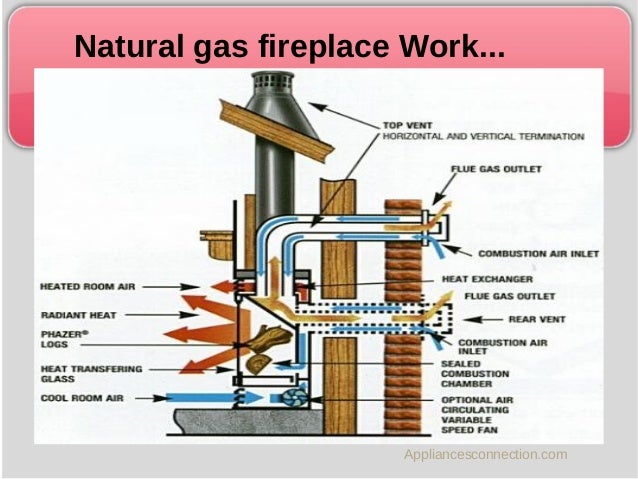
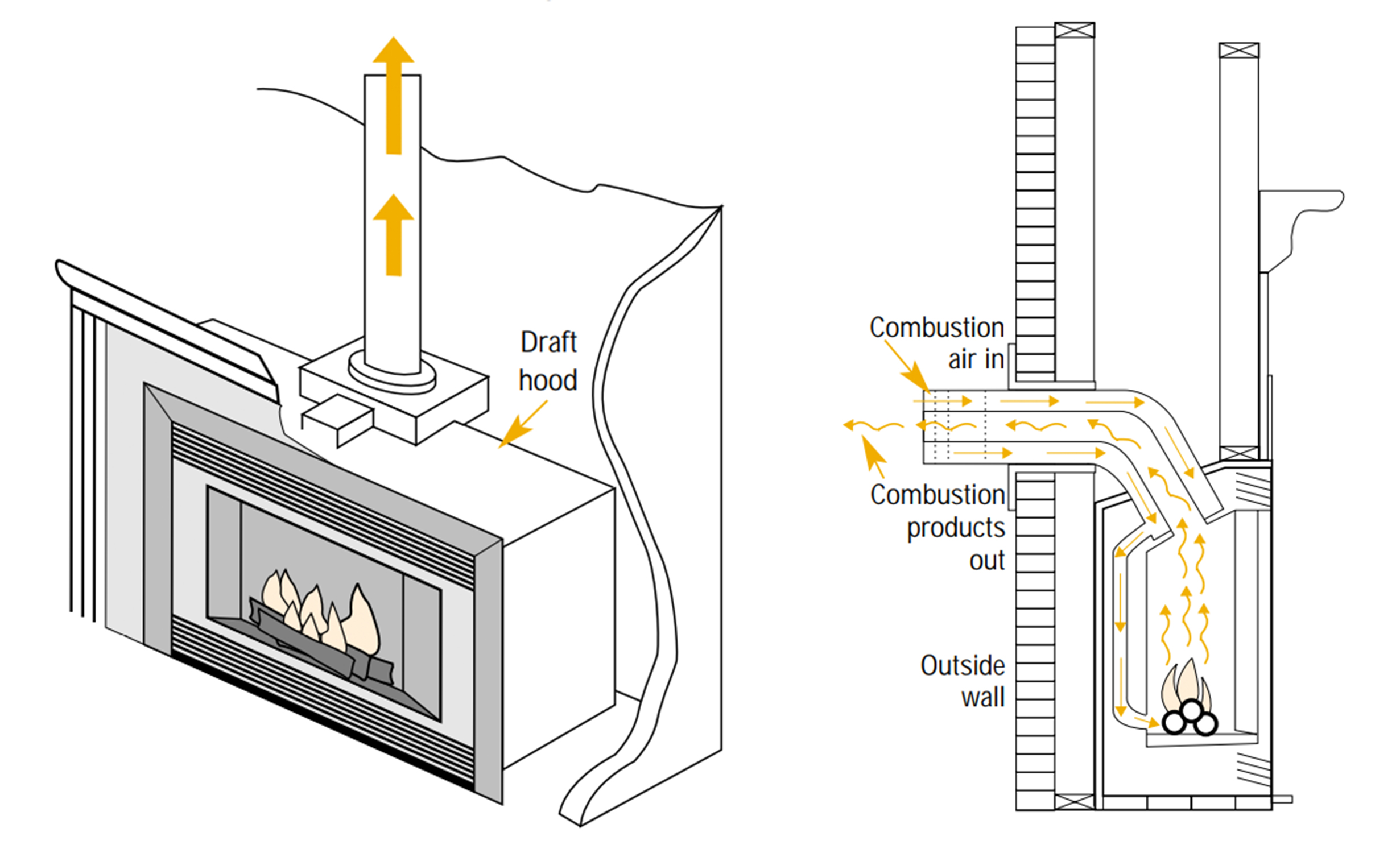
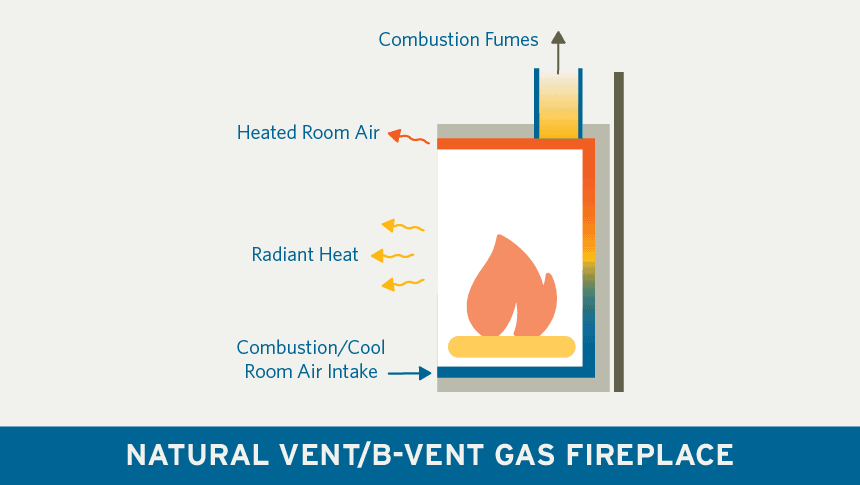
Vented gas fireplaces, as the name suggests, require a flue or vent to exhaust combustion byproducts (carbon dioxide, water vapor, and trace amounts of carbon monoxide) outside. They are typically designed to mimic the look and feel of a traditional wood-burning fireplace. Here's how they work:
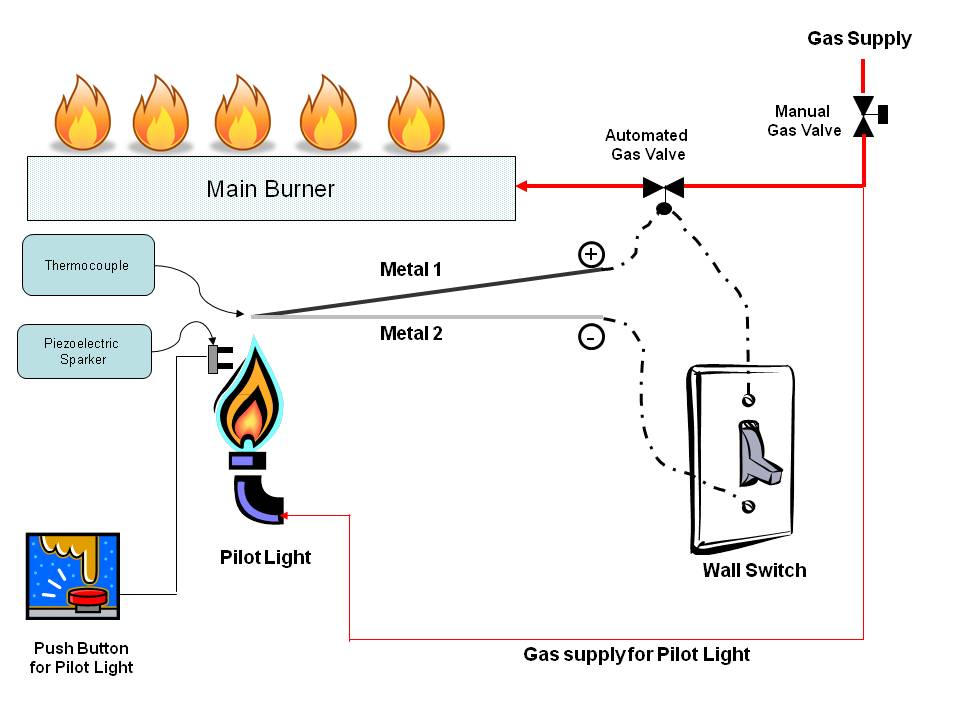
- Gas Supply: Natural gas or propane is supplied to the fireplace through a gas line. A shut-off valve is typically located near the fireplace for safety.
- Gas Valve: The gas valve controls the flow of gas to the burner. It's usually controlled by a switch, remote control, or thermostat.
- Burner: The burner is where the gas mixes with air and combusts, creating flames. Vented fireplaces often use ceramic logs, glass beads, or other decorative media to enhance the visual appeal of the flames.
- Venting System: The venting system, typically a chimney or vent pipe, safely removes combustion gases from the house. The venting system must be properly sized and installed to ensure proper draft and prevent backdrafting.
- Oxygen Depletion Sensor (ODS): While technically found in vent-free units, the role of the ODS is critical in any gas-burning appliance. It continuously monitors the oxygen levels in the room. If the oxygen level drops below a safe threshold, indicating incomplete combustion and potential carbon monoxide buildup, the ODS shuts off the gas supply to the burner.
Pros of Vented Gas Fireplaces:
- Realistic flame appearance
- Reduced risk of indoor air pollution
- Lower humidity levels compared to vent-free models
Cons of Vented Gas Fireplaces:
- Higher installation costs due to venting requirements
- May require modifications to existing chimney or construction of a new vent
- Typically less energy efficient than vent-free models due to heat loss through the vent. The AFUE (Annual Fuel Utilization Efficiency) rating can range from 60% to 80%. This means that for every dollar spent on gas, only 60 to 80 cents worth of heat is delivered to the room.
Vent-Free (Ventless) Gas Fireplaces
Vent-free gas fireplaces are designed to operate without a chimney or vent. They burn gas more efficiently and completely, producing minimal combustion byproducts. These fireplaces are equipped with sophisticated safety features to prevent carbon monoxide buildup.
- Gas Supply: Similar to vented fireplaces, vent-free models use natural gas or propane.
- Gas Valve: The gas valve regulates the gas flow to the burner.
- Burner: Vent-free burners are designed for very clean combustion. They often use a special burner design and catalytic converter to minimize emissions.
- Oxygen Depletion Sensor (ODS): This is a crucial safety feature. As mentioned above, it constantly monitors oxygen levels and shuts off the gas if they drop too low.
Pros of Vent-Free Gas Fireplaces:
- Lower installation costs as no venting is required.
- Higher energy efficiency. Vent-free models can have AFUE ratings of 99% or higher, meaning almost all the heat generated is released into the room.
- Easier to install in existing homes without a chimney.
Cons of Vent-Free Gas Fireplaces:
- May increase humidity levels in the room, which can be a concern in damp climates.
- Requires proper room ventilation to ensure adequate oxygen supply.
- Some people may be sensitive to the combustion byproducts, even in small amounts.
- May not be permitted in all jurisdictions due to safety concerns. Always check local building codes before installing a vent-free fireplace.
Components of a Gas Fireplace
Regardless of whether a gas fireplace is vented or vent-free, several key components work together to ensure safe and efficient operation:
- Gas Valve: Controls the flow of gas to the burner. Can be manual, electric, or thermostatic.
- Burner: The device where gas and air mix and combust to produce flames.
- Pilot Light: A small, continuous flame that ignites the main burner. Some newer models use electronic ignition instead of a pilot light.
- Thermocouple or Thermopile: A safety device that senses the pilot light flame and keeps the gas valve open. If the pilot light goes out, the thermocouple shuts off the gas supply.
- Oxygen Depletion Sensor (ODS): Monitors oxygen levels and shuts off the gas if levels are too low (primarily in vent-free models, but conceptually relevant to vented models).
- Ignition System: Ignites the gas to start the fire. Can be a manual spark igniter, a standing pilot light, or an electronic ignition system.
- Decorative Media: Ceramic logs, glass beads, or other materials that enhance the appearance of the flames.
- Control System: Switch, remote control, or thermostat that controls the fireplace operation.
- Venting System (for vented models): Chimney or vent pipe that removes combustion gases from the house.
Safety Considerations
Gas fireplaces are generally safe when properly installed and maintained. However, it's crucial to follow these safety guidelines:
- Professional Installation: Always have a qualified HVAC technician or gas fitter install your gas fireplace. Proper installation is essential for safe operation.
- Regular Maintenance: Schedule annual maintenance to inspect the burner, gas valve, venting system (if applicable), and ODS.
- Carbon Monoxide Detectors: Install carbon monoxide detectors near the fireplace and in other areas of your home. Test the detectors regularly.
- Proper Ventilation: Ensure adequate ventilation in the room where the fireplace is located, especially for vent-free models.
- Clearances: Maintain proper clearances around the fireplace to prevent combustible materials from catching fire.
- Never Block Vents: Do not block or obstruct the vents of a vented fireplace.
- Follow Manufacturer's Instructions: Always follow the manufacturer's instructions for operation and maintenance.
Efficiency and Cost
The efficiency of a gas fireplace is measured by its Annual Fuel Utilization Efficiency (AFUE) rating. As mentioned earlier, vented fireplaces typically have AFUE ratings between 60% and 80%, while vent-free models can reach 99% or higher. This means that vent-free fireplaces are generally more energy-efficient and will cost less to operate.
The cost of operating a gas fireplace depends on several factors, including:
- Gas prices: Natural gas and propane prices fluctuate.
- Fireplace efficiency: A more efficient fireplace will use less gas.
- Usage: The more you use the fireplace, the higher your gas bill will be.
As an example, consider two fireplaces. One is vented with an AFUE of 70% and the other is vent-free with an AFUE of 99%. If both fireplaces are used for 100 hours during the heating season and gas costs $1.00 per therm, the vented fireplace could cost $43 more to operate. (Calculations provided upon request.)
In addition to operating costs, consider the initial cost of the fireplace and installation. Vent-free models typically have lower installation costs but may have higher upfront costs compared to some vented models. Vented units can range from $500 to several thousands, plus install. Vent-free units can range from a few hundred dollars to a few thousand, but often install is minimal if a gas line is already in place.
Maintenance Tips
Regular maintenance is essential for keeping your gas fireplace running safely and efficiently. Here are some tips:
- Annual Inspection: Have a qualified HVAC technician inspect the fireplace annually.
- Clean the Burner: Clean the burner regularly to remove dust, debris, and soot.
- Inspect the Venting System (if applicable): Check the venting system for blockages, corrosion, and leaks.
- Check the Pilot Light: Ensure the pilot light is burning cleanly and steadily.
- Replace Batteries: Replace the batteries in the remote control and electronic ignition system regularly.
- Dust the Decorative Media: Dust the ceramic logs, glass beads, or other decorative media to keep them looking their best.
Choosing the Right Gas Fireplace
Selecting the right gas fireplace involves considering several factors, including:
- Budget: Determine how much you are willing to spend on the fireplace and installation.
- Heating Needs: Assess the size of the room you want to heat and choose a fireplace with adequate heating capacity.
- Aesthetics: Select a fireplace with a style and design that complements your home décor.
- Venting Options: Decide whether you prefer a vented or vent-free model based on your venting options and preferences.
- Local Codes: Check local building codes to ensure that the fireplace you choose is permitted in your area.
Real-World Example: Consider a homeowner in a cold climate who wants to supplement their central heating system with a gas fireplace. They might choose a vent-free model with a high AFUE rating to maximize energy savings. In contrast, a homeowner who prioritizes the aesthetics of a traditional fireplace might opt for a vented model, even if it's less energy-efficient.
Conclusion
Gas fireplaces provide a convenient and efficient way to add warmth and ambiance to your home. By understanding how they work, their different types, safety considerations, and maintenance requirements, you can make an informed decision about which type is best for you and ensure its safe and reliable operation for years to come. Always consult with a qualified HVAC professional for installation and maintenance to ensure the longevity and safe operation of your gas fireplace system. Investing in regular checkups is an investment in your home’s comfort and your family’s well-being.
:no_upscale()/cdn.vox-cdn.com/uploads/chorus_asset/file/19586282/illustration01.jpg)