Gas Fireplace Key Sizes

Gas fireplaces offer a convenient and aesthetically pleasing heating solution for homes and businesses. A critical component of many gas fireplace systems is the gas fireplace key, which controls the gas flow to the burner. While seemingly simple, understanding the different key sizes is crucial for ensuring proper operation, safety, and compatibility. This article will delve into the various aspects of gas fireplace key sizes, addressing the needs of homeowners, HVAC technicians, and facility managers.
Understanding Gas Fireplace Key Valves and Keys
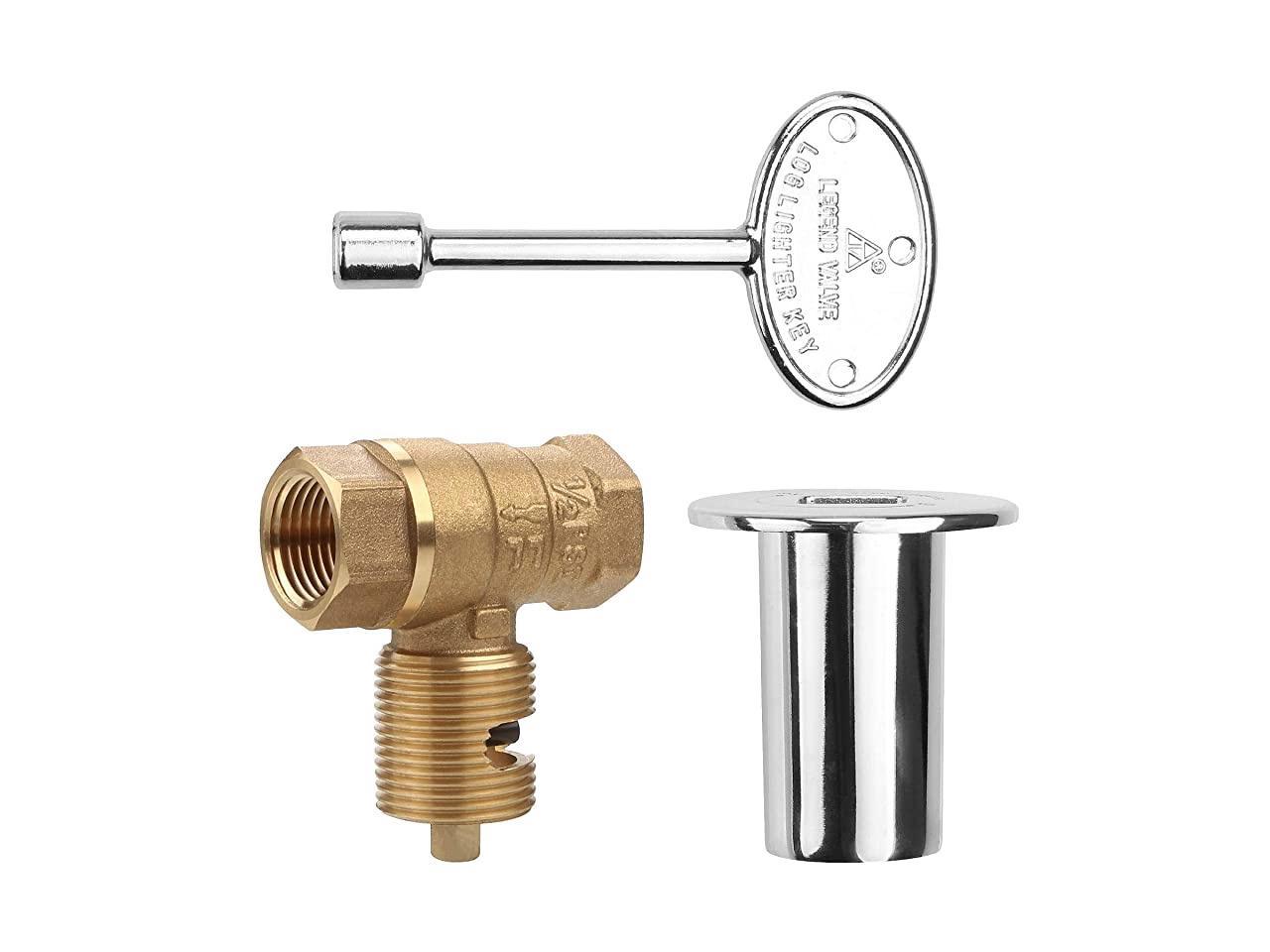
Before discussing key sizes, it's essential to understand the function of the key valve and how the key interacts with it. The gas key valve is a manually operated shut-off valve that controls the flow of natural gas or propane to the fireplace burner. It's typically located near the fireplace, often concealed behind a decorative escutcheon plate.
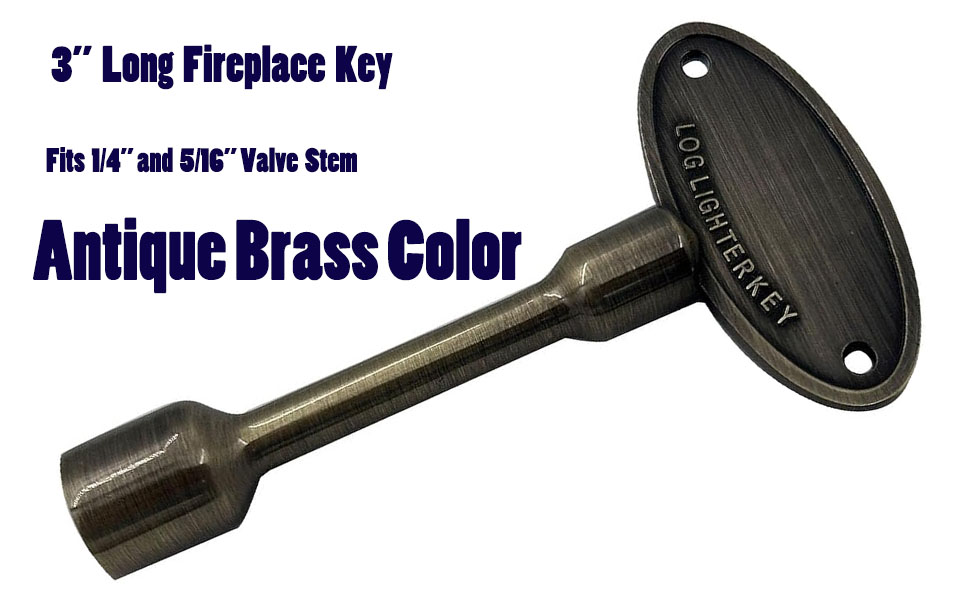
The gas fireplace key, also known as a valve key or control key, is a small, often decorative, tool inserted into the valve stem to turn the gas on or off. This manual operation provides a safety mechanism, preventing unauthorized or accidental gas flow. Turning the key 90 degrees typically opens or closes the valve, depending on the design.
The key valve assembly consists of several components: the valve body, a valve stem with a slot or hole for the key, a packing nut to prevent gas leaks around the stem, and the escutcheon plate. The key itself is usually made of metal (brass, steel, or chrome are common) and has a specific tip designed to fit securely into the valve stem.
Common Gas Fireplace Key Sizes
While there isn't a universally standardized sizing system for gas fireplace keys, certain sizes are much more common than others. The size refers to the diameter or the dimensions of the key tip that engages with the valve stem. Using the wrong size key can damage the valve stem, lead to gas leaks, or prevent the valve from operating correctly.
The 1/4-Inch Key
The 1/4-inch key is arguably the most prevalent size found in residential gas fireplaces. This measurement usually refers to the square dimension of the key tip. Many manufacturers utilize this size for their key valves, making it a widely compatible option.
Pros:
- Readily available at most hardware stores and fireplace retailers.
- Compatible with a wide range of gas fireplace models.
- Generally less expensive than less common sizes.
Cons:
- Can sometimes be too small for older or industrial-sized valves.
- May feel loose or wobbly in valves designed for larger keys.
The 5/16-Inch Key
The 5/16-inch key is another common size, particularly in older fireplaces or those with heavier-duty valve systems. This key size offers a slightly larger and more robust connection to the valve stem.
Pros:
- Provides a more secure and stable connection in some valves.
- Often found in older or commercially installed fireplaces.
- May offer better leverage for stiffer valve stems.
Cons:
- Less common than the 1/4-inch key, making it potentially harder to find.
- Could damage valve stems designed for smaller keys.
- Might be unnecessary for modern residential fireplaces.
Other Less Common Sizes
While 1/4-inch and 5/16-inch keys are the most common, other sizes do exist, though they are less frequently encountered:
- 3/16-inch key: A smaller key often found in some older or specialty fireplace models.
- Square vs. Round: Some keys have a square tip, while others have a round or slightly beveled tip. The shape should match the corresponding opening in the valve stem.
It's always recommended to consult the fireplace manufacturer's specifications or consult with a qualified HVAC technician to determine the correct key size for your specific fireplace model.
Determining the Correct Key Size
If you're unsure about the correct key size for your gas fireplace, here are several methods for determining the right fit:
- Consult the Fireplace Manual: The manufacturer's manual should specify the recommended key size and any other relevant valve specifications.
- Check the Existing Key (if available): If you have the original key, measure the dimensions of the tip using calipers or a ruler. This is the most reliable way to determine the correct size.
- Inspect the Valve Stem: Carefully examine the valve stem to determine the shape and size of the opening. If possible, try to measure the opening with calipers.
- Trial and Error (with Caution): Purchase both a 1/4-inch and 5/16-inch key. Gently try each key in the valve stem. The correct key should fit snugly without excessive force. Avoid forcing any key into the valve, as this can damage the stem and cause gas leaks.
- Consult a Professional: If you're unsure or uncomfortable attempting any of these methods, contact a qualified HVAC technician or fireplace specialist. They can accurately identify the correct key size and ensure proper operation.
Consequences of Using the Wrong Key Size
Using the incorrect gas fireplace key size can have serious consequences, including:
- Damage to the Valve Stem: Forcing an incorrect key into the valve stem can strip the threads, bend the metal, or otherwise damage the valve, leading to costly repairs.
- Gas Leaks: A damaged valve stem or loose connection can result in gas leaks, which are a significant safety hazard. Gas leaks can cause explosions, fires, and carbon monoxide poisoning.
- Difficulty Operating the Valve: An improperly sized key may not engage the valve stem correctly, making it difficult or impossible to turn the gas on or off.
- Reduced Lifespan of the Valve: Continued use of an incorrect key can accelerate wear and tear on the valve, shortening its lifespan and requiring premature replacement.
Safety Considerations
Gas fireplaces are inherently safe when properly installed and maintained. However, it's crucial to adhere to safety guidelines to prevent accidents and ensure optimal performance:
- Regular Inspections: Schedule regular inspections by a qualified HVAC technician to check for gas leaks, proper ventilation, and overall system integrity.
- Carbon Monoxide Detectors: Install and maintain functioning carbon monoxide detectors in your home or building. These detectors will alert you to the presence of dangerous levels of carbon monoxide.
- Proper Ventilation: Ensure that the fireplace flue or vent is properly installed and unobstructed. This allows for the safe exhaust of combustion gases.
- Never Leave Fireplace Unattended: Never leave a gas fireplace unattended, especially when children or pets are present.
- Know the Smell of Gas: Familiarize yourself with the distinct odor of natural gas or propane. If you suspect a gas leak, evacuate the premises immediately and contact your gas company or fire department.
Maintenance Tips for Gas Fireplace Keys and Valves
Proper maintenance can extend the lifespan of your gas fireplace key valve and ensure reliable operation:
- Lubricate the Valve Stem: Periodically lubricate the valve stem with a small amount of silicone-based lubricant. This will help prevent corrosion and ensure smooth operation. Do not use petroleum-based lubricants, as they can damage the valve components.
- Inspect for Leaks: Regularly inspect the valve for any signs of gas leaks, such as a sulfurous odor or bubbling when soapy water is applied to the connections.
- Replace Worn Components: If you notice any signs of wear or damage to the key, valve stem, or escutcheon plate, replace the affected components promptly.
- Store the Key Safely: Store the gas fireplace key in a safe and accessible location, away from children and pets.
Cost Considerations
The cost of a gas fireplace key is relatively low compared to other components of the fireplace system. A standard 1/4-inch or 5/16-inch key typically costs between $5 and $20. However, decorative or custom-designed keys may cost more.
The cost of replacing a damaged key valve can range from $50 to $200, depending on the valve type and the complexity of the installation. It's generally recommended to hire a qualified HVAC technician to replace a key valve to ensure proper installation and prevent gas leaks.
Conclusion
Understanding gas fireplace key sizes is essential for ensuring the safe and efficient operation of your fireplace. By selecting the correct key size, adhering to safety guidelines, and performing regular maintenance, you can enjoy the warmth and ambiance of your gas fireplace for years to come. Whether you're a homeowner, HVAC technician, or facility manager, remember to prioritize safety and consult with qualified professionals when in doubt. Always prioritize safety over convenience when dealing with gas appliances. Ignoring potential hazards can lead to dangerous situations and costly repairs. By understanding these core principles, you can ensure the long-term, safe, and efficient operation of gas fireplace systems.