Gas Fireplace Mantels With Tv Above

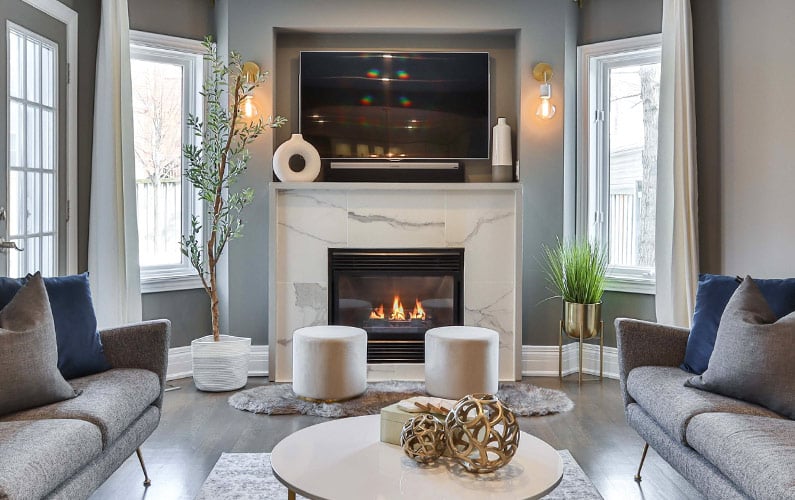
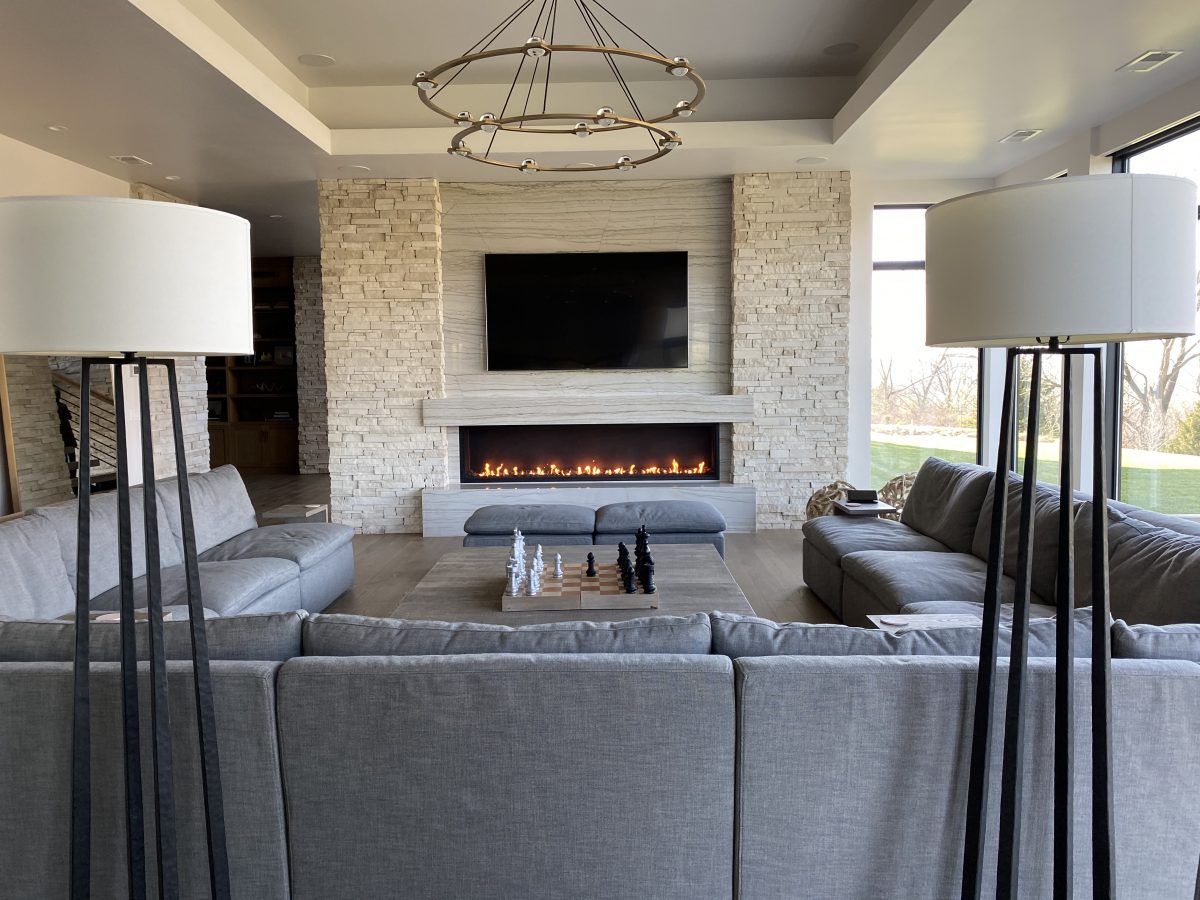
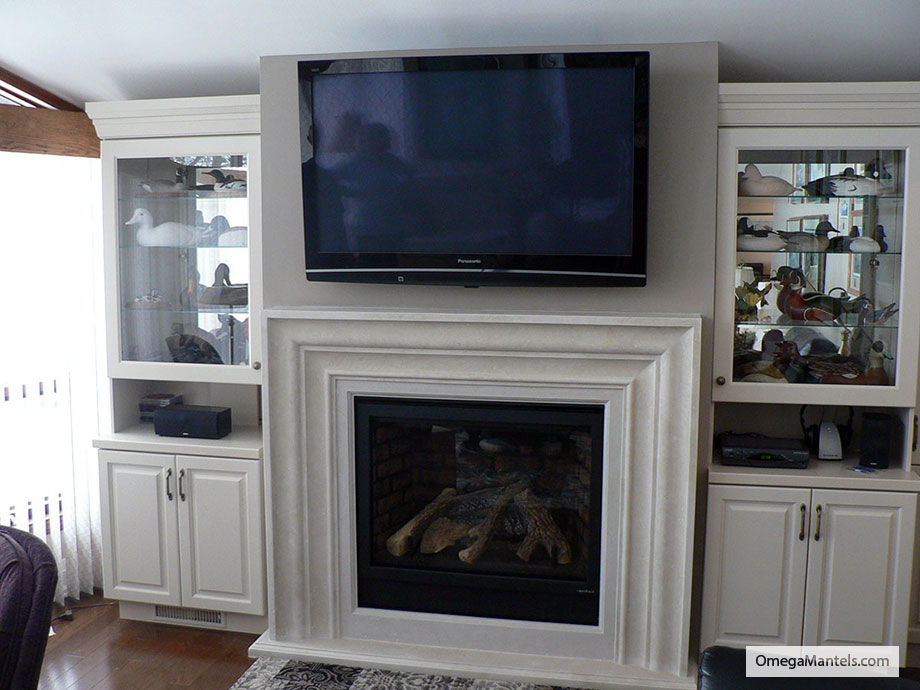
Combining a gas fireplace with a television above it is a popular design choice, offering both warmth and entertainment in a single focal point. However, it's crucial to approach this setup carefully to ensure safety and prevent damage to your electronics. This guide provides a comprehensive overview of gas fireplace mantels with TVs above, covering everything from heat management to installation considerations.
Understanding the Heat Factor
The primary concern with placing a TV above a gas fireplace is the heat produced. TVs are designed to operate within a specific temperature range, and excessive heat can damage their internal components, shorten their lifespan, and even void the warranty.
How Gas Fireplaces Generate Heat
Gas fireplaces work by burning natural gas or propane. This combustion process generates significant heat, which radiates outwards. The amount of heat produced depends on the fireplace's BTU (British Thermal Unit) rating. A higher BTU rating means more heat output.
Why Heat Rises
A fundamental principle of physics is that hot air rises. This means the heat from your gas fireplace will naturally flow upwards towards the TV mounted above it. If adequate measures aren't taken, the TV can be exposed to temperatures exceeding its operational limits.
Essential Considerations for Safe Installation
To safely install a TV above a gas fireplace, several factors must be carefully considered:
Mantel Depth and Height
The mantel plays a crucial role in deflecting heat away from the TV. A deeper mantel provides more protection, acting as a barrier to the rising heat. Consider the following:
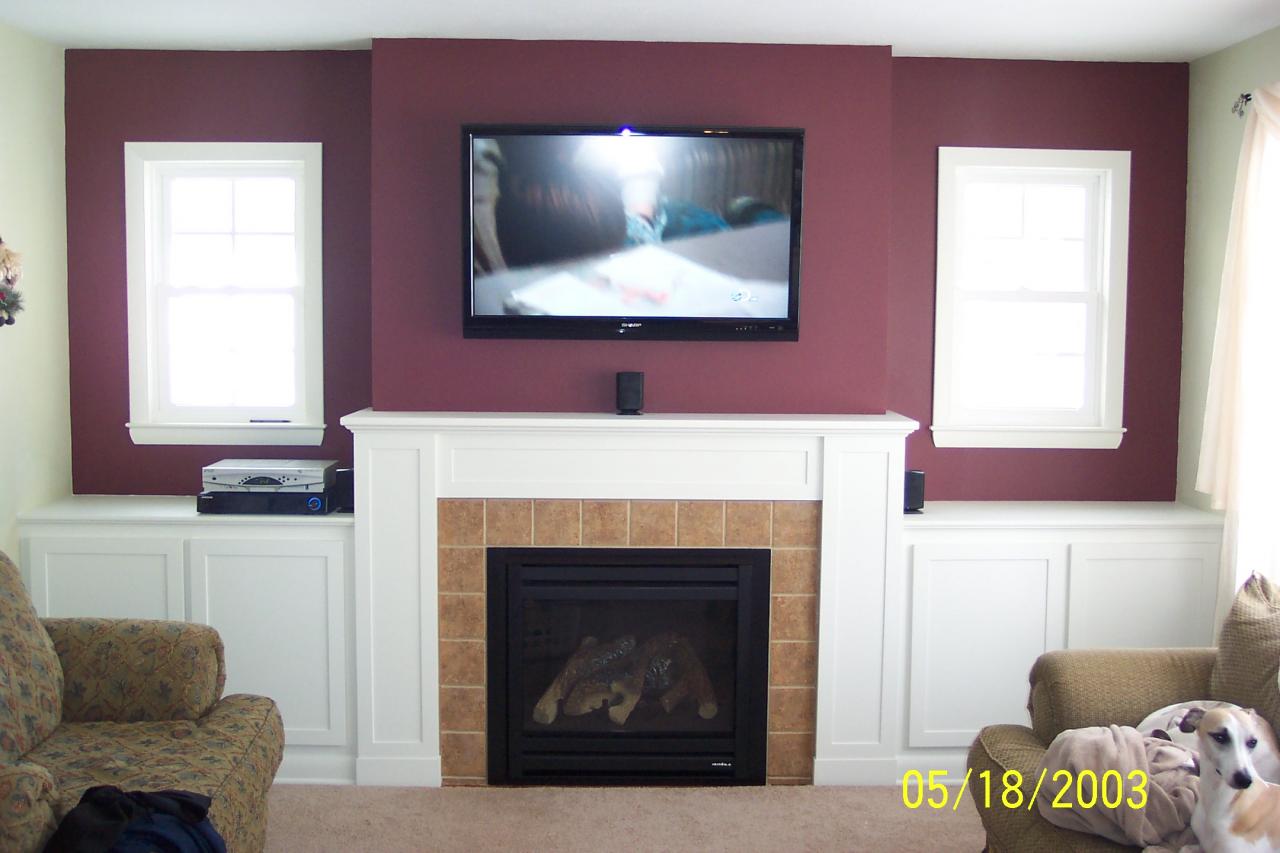
- Depth: A minimum mantel depth of 8 inches is generally recommended, but deeper is better. For fireplaces with high BTU ratings, a depth of 10-12 inches or more might be necessary.
- Height: The distance between the top of the fireplace opening and the bottom of the mantel is also important. A greater distance allows more heat to dissipate before reaching the mantel. Aim for at least 12 inches, and preferably more, especially for high-BTU fireplaces.
BTU Rating of the Fireplace
The BTU rating of your fireplace is a key factor in determining the safety of placing a TV above it. Lower BTU fireplaces produce less heat, making it easier to manage the temperature around the TV. If you're purchasing a new fireplace, consider choosing a model with a lower BTU rating if you plan to mount a TV above it.
TV's Heat Tolerance
Check the manufacturer's specifications for your TV to determine its operating temperature range. This information is usually found in the owner's manual or on the manufacturer's website. Make sure the temperature above the mantel, where the TV will be mounted, stays within this range during fireplace operation.
Professional Installation
For optimal safety and performance, it's highly recommended to have a qualified professional install both the gas fireplace and the TV. A professional can assess your specific situation, taking into account the fireplace's BTU rating, the mantel's dimensions, and the TV's heat tolerance, and recommend the best installation practices.
Testing and Monitoring
After installation, it's essential to test and monitor the temperature above the mantel while the fireplace is in operation. This will help you ensure that the TV is not being exposed to excessive heat.
Using a Thermometer
Place a thermometer on the wall where the TV will be mounted and operate the fireplace at its highest setting for a few hours. Monitor the temperature regularly to ensure it stays within the TV's safe operating range. A remote thermometer with a sensor that can be placed near the TV is a useful tool.
Temperature Monitoring Systems
Consider installing a temperature monitoring system with alarms. These systems can continuously monitor the temperature above the mantel and alert you if it exceeds a pre-set threshold. This provides an extra layer of protection for your TV.
Alternative Solutions
If you're concerned about the heat from your gas fireplace damaging your TV, several alternative solutions can help mitigate the risk:
Electric Fireplaces
Electric fireplaces are a safer alternative to gas fireplaces when it comes to mounting a TV above them. Electric fireplaces produce heat using electricity, and many models allow you to turn off the heating function while still enjoying the visual effect of the flames. This eliminates the risk of heat damage to your TV.
Full Recess Gas Fireplace
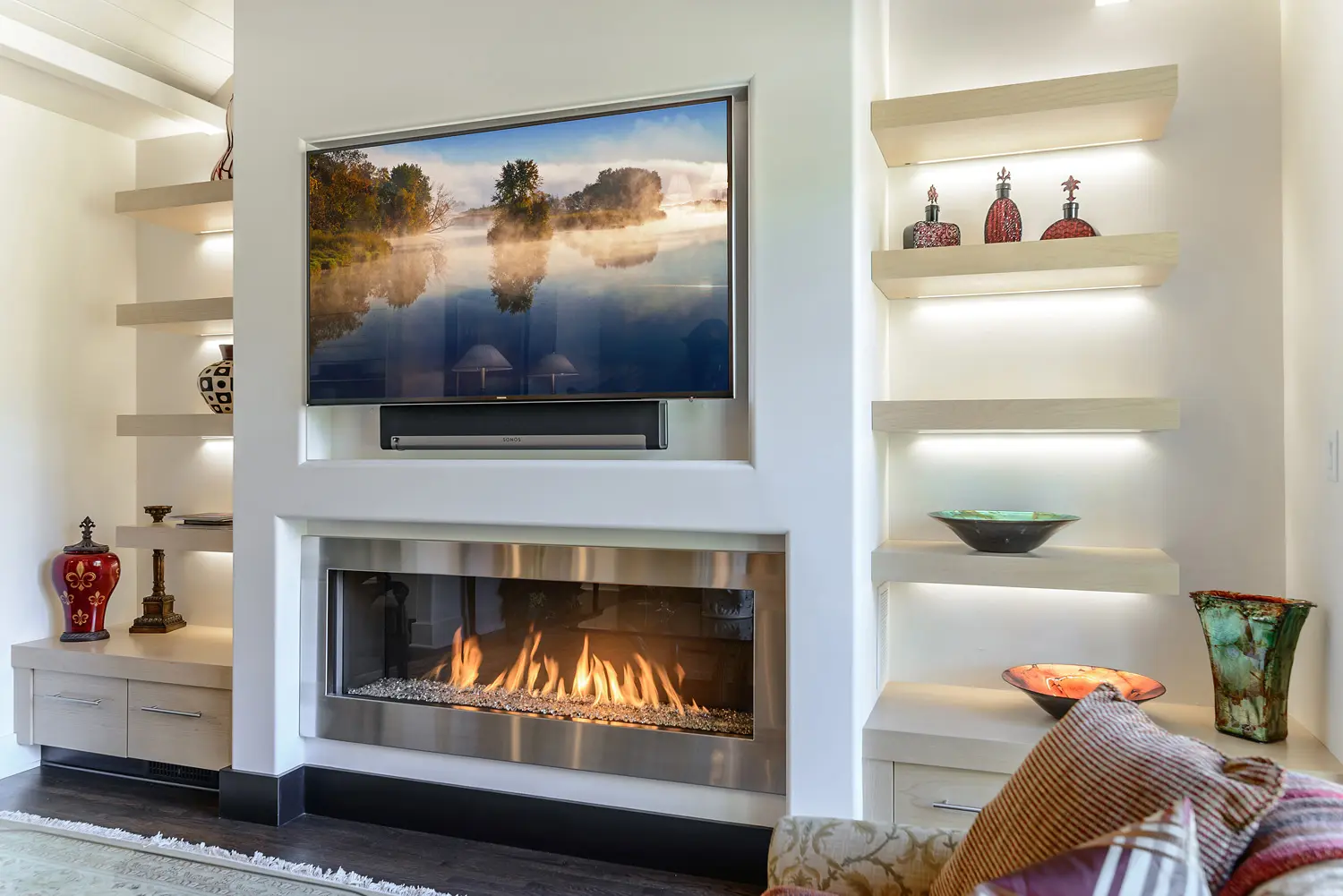
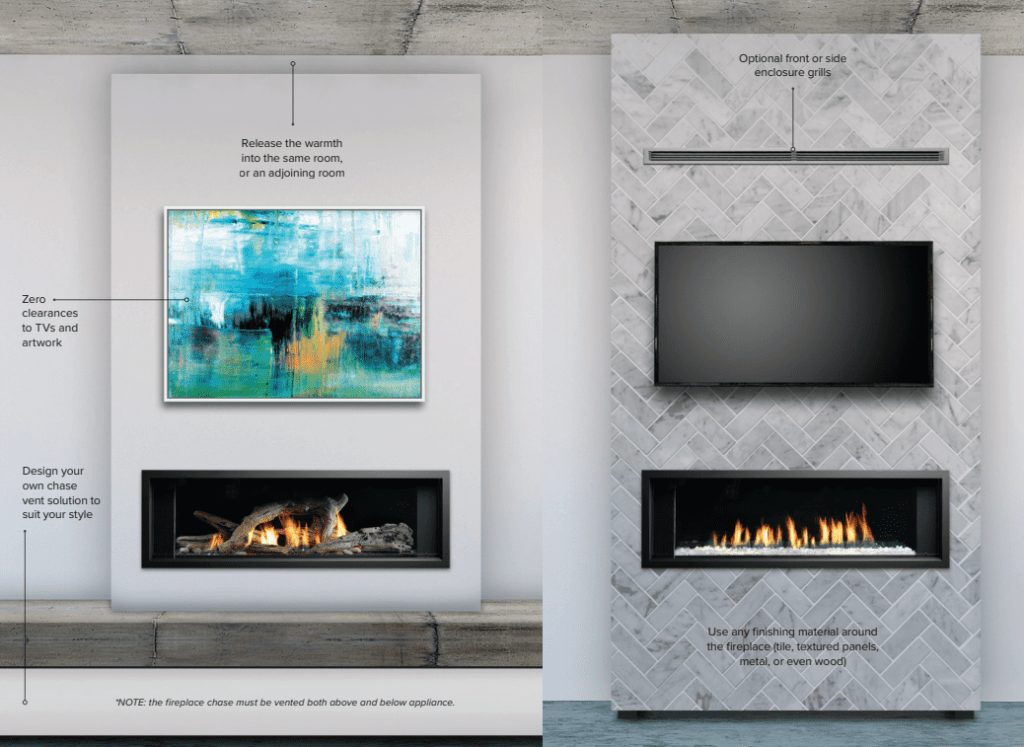
A full recess gas fireplace is a gas fireplace where the body of the appliance is fully set in the wall, with only the decorative surround protruding. The benefit here is that the entire body of the appliance does not sit close to the wall. The hot air is also typically channeled outwards rather than upwards.
Moving the TV
The simplest solution is to move the TV to a different location in the room, away from the fireplace. This eliminates the risk of heat damage altogether. Consider mounting the TV on a different wall or placing it on a stand.
Adjustable TV Mounts
Consider an adjustable TV mount that allows you to move the TV away from the wall when the fireplace is in use. This can help reduce the TV's exposure to heat. There are mounts that swivel, tilt, or extend, giving you flexibility in positioning the TV.
Heat Deflectors
Heat deflectors are devices designed to redirect heat away from the TV. They can be installed above the fireplace opening to prevent heat from rising directly towards the TV. Heat deflectors are available in various styles and materials.
Ventilation
Improving ventilation in the area above the fireplace can help dissipate heat. Consider installing a vent in the ceiling or wall above the fireplace to allow hot air to escape. A ceiling fan can also help circulate air and reduce the temperature around the TV.
Mantel Materials and Design
The material and design of your mantel can also affect its ability to protect the TV from heat.
Non-Combustible Materials
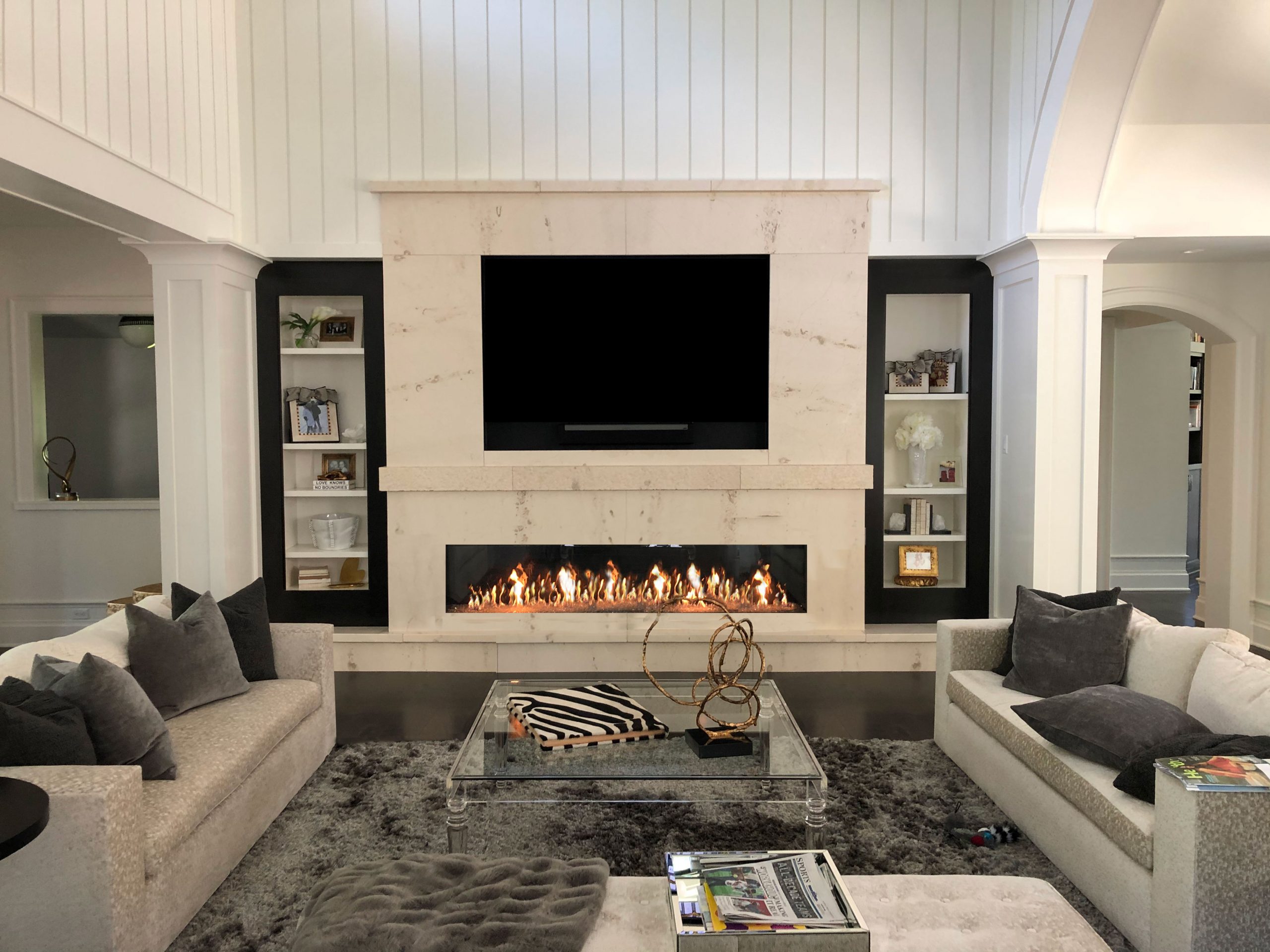
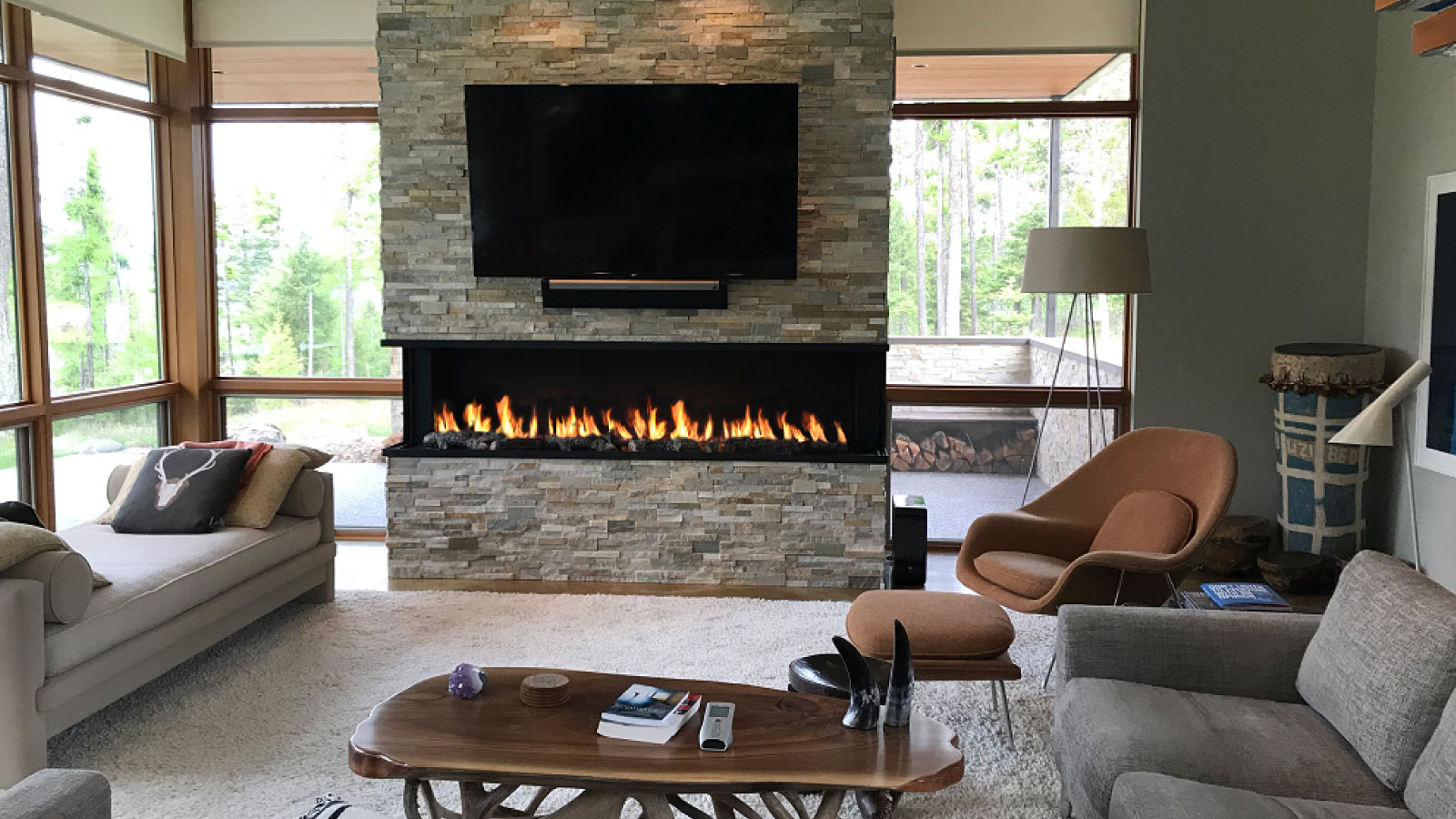
Choose a mantel made from non-combustible materials such as stone, concrete, or metal. These materials are less likely to absorb and radiate heat compared to wood or other combustible materials.
Airflow
Design the mantel with airflow in mind. A mantel with an open design allows more air to circulate, helping to dissipate heat. Avoid mantels that are completely enclosed, as they can trap heat and increase the temperature around the TV.
Aesthetic Considerations
While safety is paramount, it's also important to consider the aesthetic appeal of your gas fireplace and TV setup.
TV Size and Placement
Choose a TV size that is proportionate to the fireplace and the room. A TV that is too large or too small can look out of place. The placement of the TV is also important. Center the TV above the fireplace for a balanced look.
Cable Management
Cable management is essential for a clean and organized look. Conceal the cables behind the wall or use cable management systems to keep them out of sight.
Decor
Accessorize the mantel with decor that complements the fireplace and the TV. Choose items that are fire-resistant and won't be damaged by heat. Avoid placing flammable items such as candles or paper near the fireplace.
Specific Fireplace Types
Different types of gas fireplaces have varying heat outputs and installation requirements. Here are a few examples:
Direct Vent Fireplaces
Direct vent fireplaces are generally considered safer for TV placement because they draw combustion air from outside and vent exhaust gases directly outside. This reduces the amount of heat that enters the room.
Vent-Free Fireplaces
Vent-free fireplaces vent directly into the room, which can increase the risk of heat damage to the TV. These fireplaces require careful monitoring and may not be suitable for TV placement unless specific installation guidelines are followed.
Checking Local Regulations
Always check your local building codes and regulations before installing a gas fireplace and TV. Some areas may have specific requirements for mantel height, distance from combustible materials, and ventilation.
Conclusion
Mounting a TV above a gas fireplace can create a cozy and inviting space, but it's crucial to prioritize safety. By carefully considering the fireplace's BTU rating, the mantel's dimensions, the TV's heat tolerance, and following best practices for installation and monitoring, you can enjoy the benefits of both a gas fireplace and a TV without compromising safety or damaging your electronics. When in doubt, consult with qualified professionals to ensure a safe and aesthetically pleasing installation.
Remember to prioritize safety and make informed decisions to create a comfortable and visually appealing space for years to come.