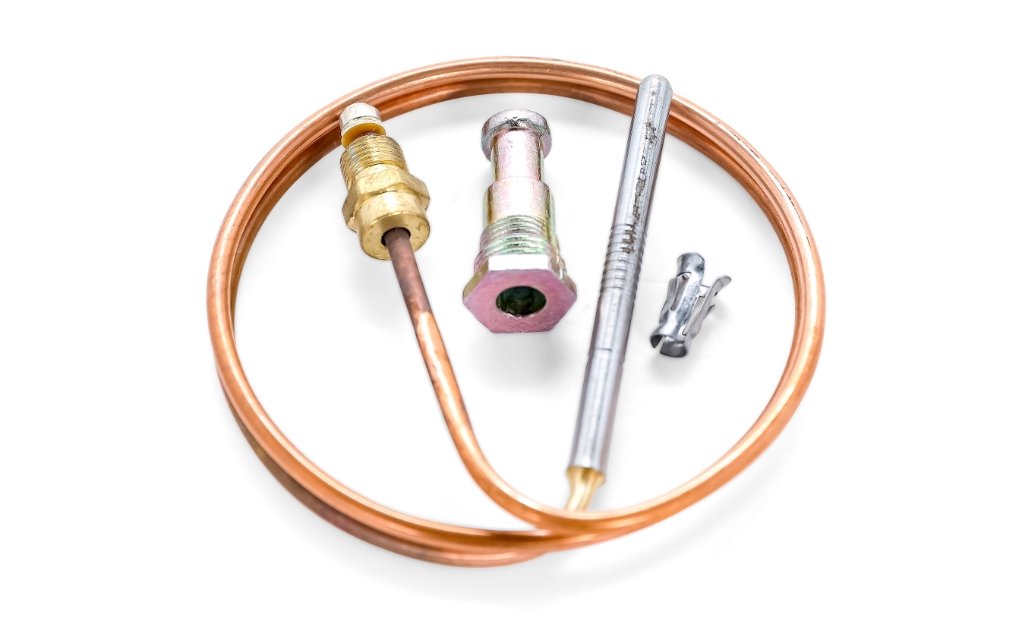
Gas Fireplace Thermocouple Vs Thermopile

Gas Fireplace Thermocouple vs. Thermopile: Choosing the Right Pilot Safety System
When considering a gas fireplace for supplemental heating or aesthetic appeal, understanding the safety mechanisms that govern its operation is crucial. Two primary components responsible for ensuring safe and efficient operation are the thermocouple and the thermopile. While both devices perform the fundamental function of preventing gas leaks by shutting off the gas supply if the pilot light is extinguished, they operate on different principles and have distinct advantages and disadvantages. This guide will delve into the intricacies of these two vital components, helping you make an informed decision when selecting a gas fireplace.
What is a Thermocouple?
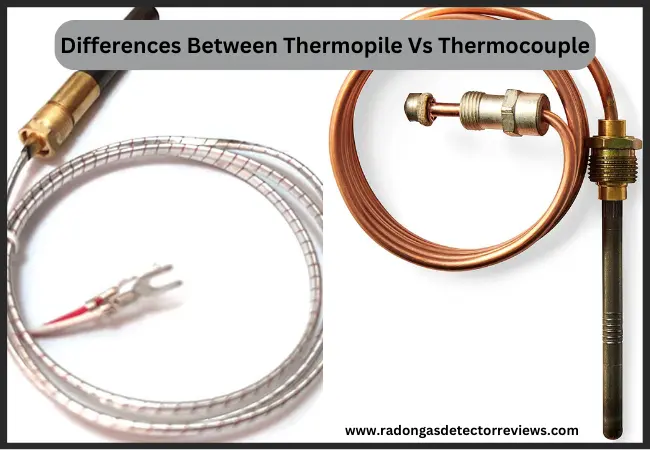
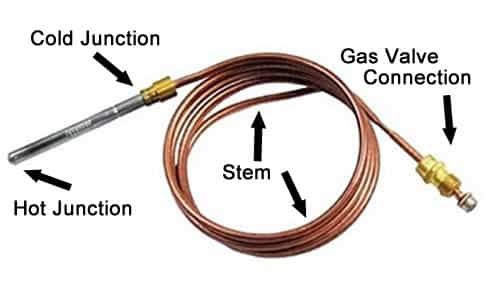
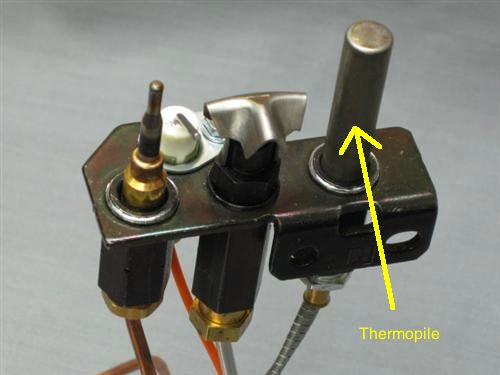
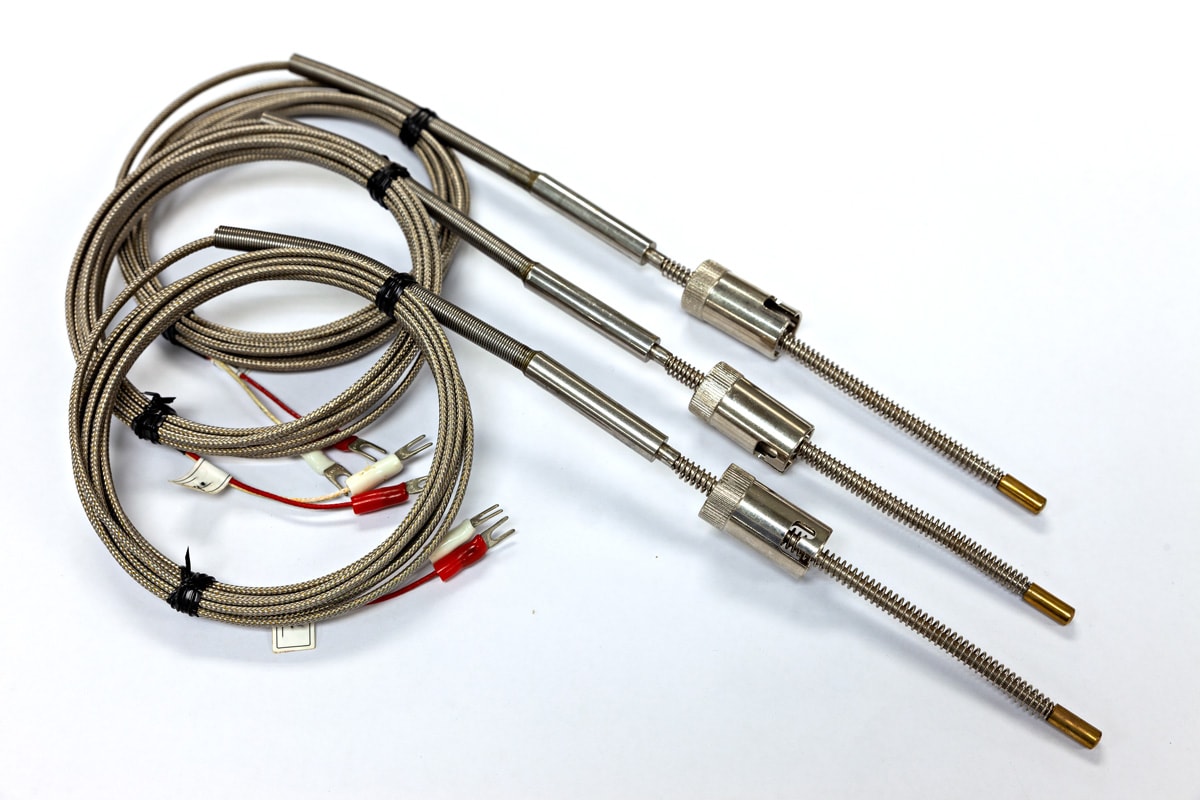
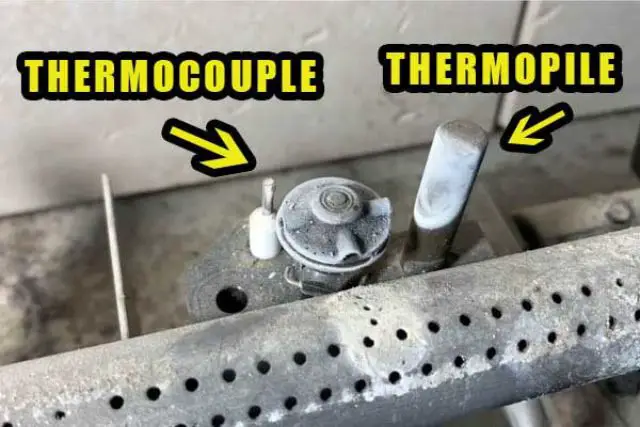
A thermocouple is a simple thermoelectric device used to sense temperature. In a gas fireplace, it's positioned near the pilot light. The principle behind its operation is the Seebeck effect: when two dissimilar metals are joined at two junctions and those junctions are held at different temperatures, a voltage is produced. In the context of a gas fireplace, the heat from the pilot light generates a small voltage (typically around 30 millivolts) that keeps the main gas valve open.
Pros of Thermocouples:
- Simple Design: Thermocouples are relatively inexpensive and easy to replace. Their simplicity translates to fewer potential points of failure.
- Low Cost: Replacement thermocouples are readily available and affordable.
- Fast Response Time: They respond quickly to changes in temperature, shutting off the gas supply rapidly if the pilot light goes out.
Cons of Thermocouples:
- Limited Power Output: Thermocouples generate a very small voltage, insufficient to power more complex gas fireplace systems or electronic ignition systems.
- Mechanical Gas Valve Dependency: They rely on a direct connection to a mechanical gas valve, limiting design flexibility.
What is a Thermopile?
A thermopile is essentially a collection of thermocouples connected in series. This configuration amplifies the voltage output compared to a single thermocouple. While a single thermocouple might produce 30 millivolts, a thermopile can generate 750 millivolts (0.75 volts) or more. This higher voltage is sufficient to power more sophisticated gas fireplace systems, including those with electronic ignition and remote control capabilities.
Pros of Thermopiles:
- Higher Power Output: The increased voltage allows for the operation of features like electronic ignition, remote controls, and more complex gas valves.
- Wider Range of Applications: Suitable for fireplaces with advanced features and larger BTU outputs.
- More Design Flexibility: Can power electronic controls and safety features, allowing for more versatile fireplace designs.
Cons of Thermopiles:
- Higher Cost: Thermopiles are generally more expensive than thermocouples, both in terms of the initial fireplace purchase price and replacement costs.
- Slower Response Time: Due to their more complex construction, thermopiles may have a slightly slower response time than thermocouples.
- More Complex System: A more complex system means more things that can potentially go wrong.
Thermocouple vs. Thermopile: A Head-to-Head Comparison
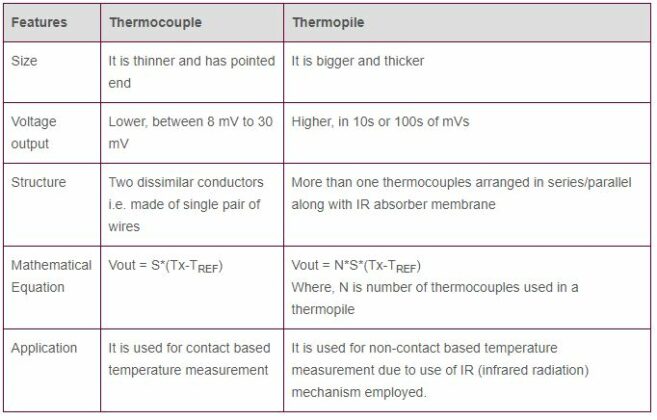
The following table summarizes the key differences between thermocouples and thermopiles:
| Feature | Thermocouple | Thermopile |
|---|---|---|
| Power Output | Low (approx. 30 mV) | High (approx. 750 mV+) |
| Application | Basic gas fireplaces with manual ignition | Fireplaces with electronic ignition, remote controls, and advanced features |
| Cost | Lower | Higher |
| Response Time | Faster | Slower |
| Complexity | Simpler | More Complex |
Choosing the Right System for Your Needs
The best choice between a thermocouple and a thermopile depends on your specific needs and preferences. Consider the following factors:
- Features: If you desire features like electronic ignition, remote control, or a variable flame height, a thermopile is necessary.
- Budget: If cost is a primary concern, a fireplace with a thermocouple will be more affordable.
- Ease of Maintenance: Thermocouples are simpler to replace, making maintenance potentially easier and cheaper.
- BTU Output: Larger fireplaces with higher BTU outputs often require the higher power output of a thermopile.
Popular Gas Fireplace Brands and Models
Several reputable manufacturers offer gas fireplaces with both thermocouple and thermopile systems. Here are a few examples:
- Napoleon: Known for their stylish designs and efficient heating capabilities. Models like the Napoleon Ascent Series often utilize thermopiles for advanced features.
- Heat & Glo: Offers a wide range of gas fireplaces, from basic models with thermocouples to high-end models with thermopiles and electronic ignition. Their Mezzo series is popular.
- Majestic: Provides a balance of affordability and performance. Some Majestic models offer both thermocouple and thermopile options depending on the desired features.
- Valor: Renowned for radiant heating and energy efficiency. Valor fireplaces typically employ thermopiles to power their advanced control systems.
When researching specific models, pay attention to the product specifications to determine whether it uses a thermocouple or a thermopile. Look for keywords like "electronic ignition," "remote control," or "standing pilot" (which usually indicates a thermocouple system) in the product descriptions.
AFUE Ratings and Energy Efficiency
While gas fireplaces primarily serve as supplemental heating sources, their energy efficiency is still a relevant consideration. The AFUE (Annual Fuel Utilization Efficiency) rating indicates how efficiently a gas fireplace converts fuel into usable heat. A higher AFUE rating signifies greater efficiency. Keep in mind that gas fireplaces generally have lower AFUE ratings compared to furnaces, typically ranging from 60% to 85%. Look for models with sealed combustion chambers and intermittent ignition systems to maximize energy efficiency.
Warranties and Maintenance
Gas fireplace warranties vary depending on the manufacturer and model. Typically, warranties cover defects in materials and workmanship for a specific period (e.g., one year for parts and labor, longer for the firebox). It's essential to read the warranty carefully to understand its terms and conditions. Regular maintenance, including cleaning the burner assembly, checking the gas connections, and inspecting the vent system, is crucial for ensuring safe and efficient operation. Consult the manufacturer's recommendations for specific maintenance procedures.
Common maintenance tasks include:
- Annual inspection by a qualified technician.
- Cleaning the glass front with a non-abrasive cleaner.
- Vacuuming dust and debris from the burner area.
- Checking the pilot light and thermocouple/thermopile for proper operation.
- Inspecting the vent system for blockages or leaks.
Troubleshooting Common Issues
If your gas fireplace is not functioning correctly, here are some common issues and potential solutions:
- Pilot Light Won't Stay Lit: This could be due to a faulty thermocouple or thermopile, a dirty pilot orifice, or a problem with the gas supply.
- Main Burner Won't Ignite: Check the ignition system, the gas valve, and the thermopile (if applicable).
- Flame is Yellow or Smoky: This indicates incomplete combustion, which could be caused by a dirty burner, insufficient air supply, or a blocked vent.
- Unusual Noises: Clicking or popping sounds may indicate issues with the gas valve or ignition system.
Always consult a qualified HVAC technician or gas fireplace specialist for diagnosis and repair of complex issues. Never attempt to repair gas appliances unless you are properly trained and certified.
Conclusion
Choosing between a gas fireplace with a thermocouple or a thermopile involves considering your desired features, budget, and maintenance preferences. While thermocouples offer simplicity and affordability, thermopiles provide the power needed for advanced features and larger fireplaces. By understanding the differences between these two systems, you can make an informed decision and select the gas fireplace that best suits your needs and enhances your home.