Gas Fireplace With Blower
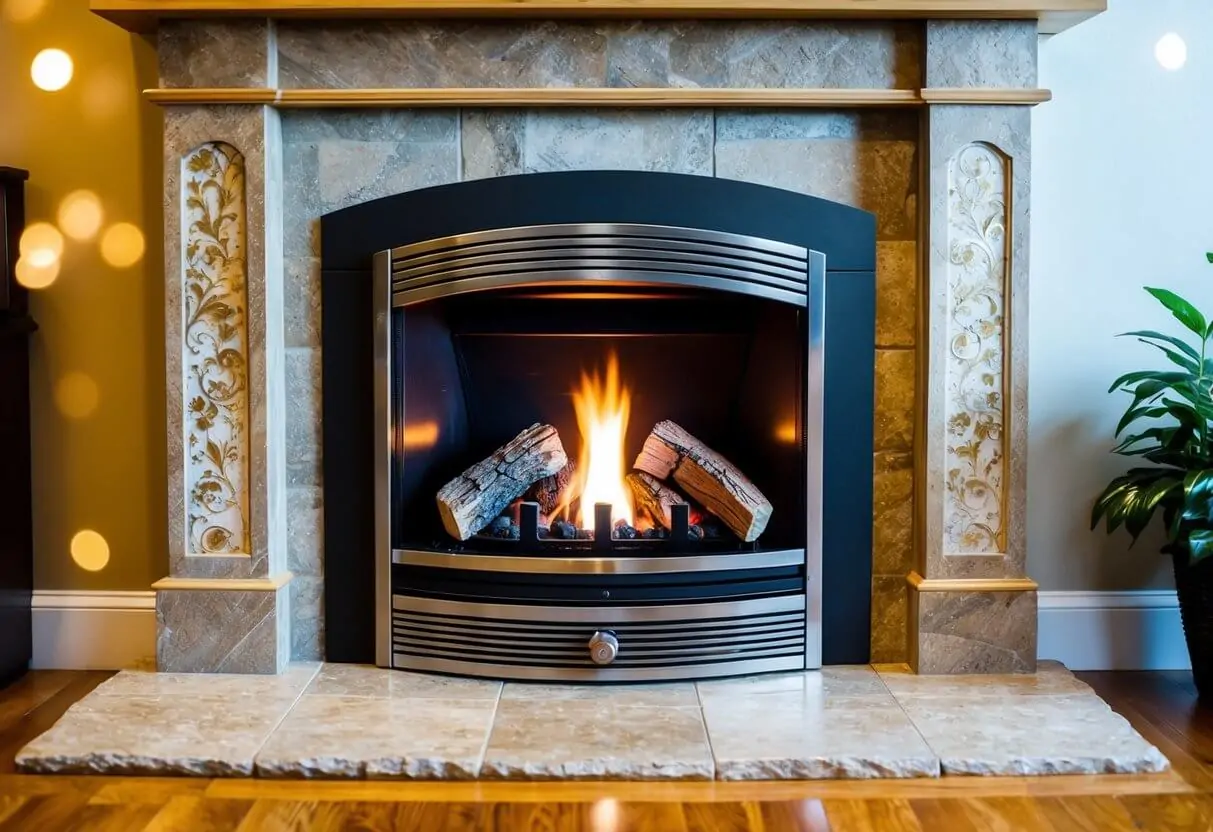
Gas fireplaces offer warmth and ambiance, and models equipped with blowers efficiently distribute heat throughout your living space. However, like any appliance, they can experience issues. One common problem homeowners face is a blower that isn't working, works intermittently, or produces insufficient airflow. Don't despair! Often, the fix is simple and something you can handle yourself. This guide will walk you through a methodical troubleshooting process.
Safety First!
Before you begin any troubleshooting, always prioritize safety. Follow these precautions:
- Turn off the gas supply: Locate the gas shut-off valve (usually near the fireplace) and turn it to the "off" position.
- Unplug the fireplace: Disconnect the fireplace from the electrical outlet.
- Allow the fireplace to cool completely: Never work on a hot fireplace. Wait until all surfaces are cool to the touch.
- Wear appropriate safety gear: Consider wearing gloves, especially when dealing with potentially dusty components.
Step 1: Initial Inspection and Basic Checks
Begin with a visual inspection and some basic checks. This can often reveal obvious issues.
Check the Power Supply
It sounds obvious, but it's often overlooked. Verify that the fireplace is properly plugged into a working electrical outlet. Try plugging another device into the outlet to confirm that it's providing power. If the outlet is controlled by a switch, make sure the switch is in the "on" position. Also, check the breaker to ensure it has not been tripped and is in the “on” position.
Inspect the Power Cord
Carefully examine the power cord for any signs of damage, such as cuts, frayed wires, or exposed conductors. A damaged power cord is a serious safety hazard and should be replaced immediately (ideally by a professional).
Listen for the Blower
After restoring power (but *without* igniting the fireplace), turn the blower on (if it has a separate switch or control). Listen closely. Do you hear any humming or buzzing sounds coming from the blower motor? If you hear a hum, the motor is likely receiving power but may be stuck. If you hear nothing, it suggests a problem with the motor, the switch, or the wiring.
Step 2: Examining the Blower Components
Now, let's move on to examining the blower itself. This may require removing a panel or accessing the blower compartment (refer to your fireplace's owner's manual for specific instructions).
Accessing the Blower
Consult your owner's manual for instructions on how to access the blower assembly. Typically, this involves removing screws or clips from a panel located beneath or behind the firebox. Be careful when removing panels, as some may have sharp edges.
Cleaning the Blower
Over time, the blower motor and fan blades can accumulate dust, lint, and debris. This can impede airflow and cause the motor to overheat. Use a vacuum cleaner with a brush attachment to carefully clean the blower motor, fan blades, and surrounding area. For stubborn debris, you can use a soft brush or compressed air.
Checking for Obstructions
Inspect the fan blades for any obstructions that may be preventing them from spinning freely. Common culprits include small objects that have fallen into the blower compartment or accumulated dust bunnies. Manually rotate the fan blades to ensure they move smoothly and without resistance. If you find an object, carefully remove it.
Lubricating the Blower Motor (If Applicable)
Some blower motors have lubrication ports. If your blower has these, apply a few drops of light machine oil (such as 3-in-1 oil) to the ports. This can help to reduce friction and improve the motor's performance. Do not over-lubricate, as excess oil can attract dust and debris.
Step 3: Inspecting the Wiring and Connections
Faulty wiring and loose connections can also cause blower problems. Before proceeding, ensure the power is still OFF and the fireplace is unplugged!
Visual Inspection of Wiring
Carefully examine the wiring connecting the blower motor to the power source and the control switch. Look for any signs of damage, such as frayed wires, cracked insulation, or burnt connectors. If you find any damaged wiring, it should be repaired or replaced by a qualified technician.
Checking Connections
Inspect all electrical connections to the blower motor, switch, and power source. Ensure that all connections are secure and tight. Loose connections can cause intermittent operation or complete failure. You may need to use a screwdriver to tighten screw terminals or pliers to crimp loose connectors. If you are not comfortable working with electrical wiring, it's best to consult a professional.
Testing the Switch (If Possible)
If your blower has a separate on/off switch, you can try testing it with a multimeter. With the power OFF, disconnect the wires from the switch and use the multimeter to check for continuity when the switch is in the "on" position. If the multimeter shows no continuity, the switch may be faulty and need to be replaced. *This requires knowledge of using a multimeter and basic electrical safety! If you are unsure, skip this step and consult a professional.*
Step 4: Examining the Thermostat or Speed Control (If Applicable)
Some gas fireplaces have thermostats that automatically control the blower speed based on the firebox temperature. Others have manual speed controls.
Thermostat Function
If your fireplace has a thermostat, ensure it is properly set. Sometimes, the thermostat is set too low, preventing the blower from turning on. Increase the thermostat setting and see if the blower starts to function. Also, check that the thermostat sensor is properly positioned and not obstructed by anything. This sensor is crucial for accurate temperature readings.
Speed Control Adjustment
If your fireplace has a manual speed control, experiment with different speed settings. Sometimes, the control knob can become loose or the internal components can wear out, causing intermittent operation. If the speed control seems unresponsive or erratic, it may need to be replaced.
Step 5: Reassembly and Testing
After completing the inspection and any necessary repairs, carefully reassemble the fireplace components. Double-check that all connections are secure and that all panels are properly installed.
Initial Test
Plug the fireplace back into the electrical outlet and turn on the gas supply. Start the fireplace and observe the blower's operation. Does it turn on automatically after the firebox reaches a certain temperature (if equipped with a thermostat)? Does it operate smoothly and quietly? Is the airflow noticeably improved?
Monitoring Performance
Allow the fireplace to run for a while and monitor the blower's performance. Check for any unusual noises, vibrations, or overheating. If you notice any problems, immediately turn off the fireplace and investigate further.
When to Call a Professional
While many blower problems can be resolved with simple DIY fixes, there are certain situations where it's best to call a qualified technician. Do not attempt repairs beyond your skill level.
Suspected Gas Leaks
If you suspect a gas leak, immediately turn off the gas supply and evacuate the area. Contact your local gas company or a qualified HVAC technician to inspect and repair the leak. *Gas leaks are extremely dangerous and should never be taken lightly.*
Electrical Issues You Can't Identify
If you find damaged wiring, burnt connectors, or other electrical issues that you are not comfortable repairing, consult a qualified electrician. *Working with electricity can be hazardous, and it's important to ensure that all repairs are done safely and correctly.*
Blower Motor Failure
If you have thoroughly inspected the blower motor and its wiring, and it still doesn't work, the motor itself may be faulty. Replacing the blower motor can be a complex task, and it's often best left to a professional. A technician can properly diagnose the problem and install a new motor that is compatible with your fireplace.
Complex Control System Issues
If your fireplace has a complex control system or electronic ignition, troubleshooting blower problems can be more challenging. A qualified technician will have the necessary tools and expertise to diagnose and repair these systems.
Warranty Concerns
If your fireplace is still under warranty, attempting DIY repairs may void the warranty. Consult the warranty documentation or contact the manufacturer before performing any repairs.
Preventative Maintenance
To help prevent blower problems and extend the life of your gas fireplace, follow these preventative maintenance tips:
- Regular cleaning: Vacuum the blower motor and fan blades regularly to remove dust and debris.
- Annual inspection: Have your fireplace inspected annually by a qualified technician to ensure that all components are in good working order.
- Proper ventilation: Ensure that the fireplace has adequate ventilation to prevent overheating.
- Follow manufacturer's instructions: Always follow the manufacturer's instructions for operation and maintenance.
By following these troubleshooting steps and preventative maintenance tips, you can keep your gas fireplace blower running smoothly and efficiently for years to come. Remember, safety is always the top priority. When in doubt, consult a qualified professional.