Gas Furnace Ignitor Troubleshooting
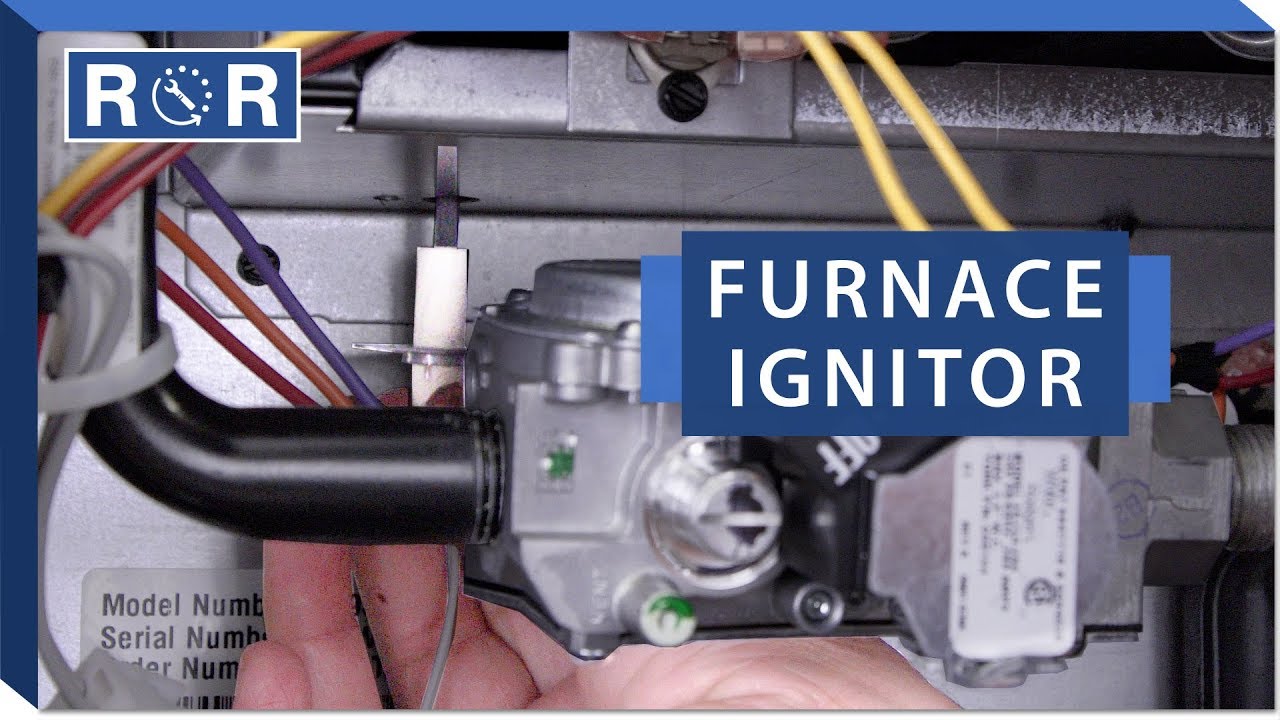
A malfunctioning gas furnace can be a homeowner's nightmare, especially during the cold winter months. One of the most common culprits behind a furnace refusing to ignite is a faulty ignitor. This crucial component is responsible for creating the spark or heat needed to ignite the gas and start the heating process. Understanding how to troubleshoot a gas furnace ignitor can save you time, money, and potentially prevent a chilly household. This article will guide homeowners, HVAC technicians, and facility managers through the process of diagnosing and addressing ignitor problems.
Understanding Gas Furnace Ignitors
Before diving into troubleshooting, it's important to understand the different types of ignitors commonly found in gas furnaces. The two main types are:
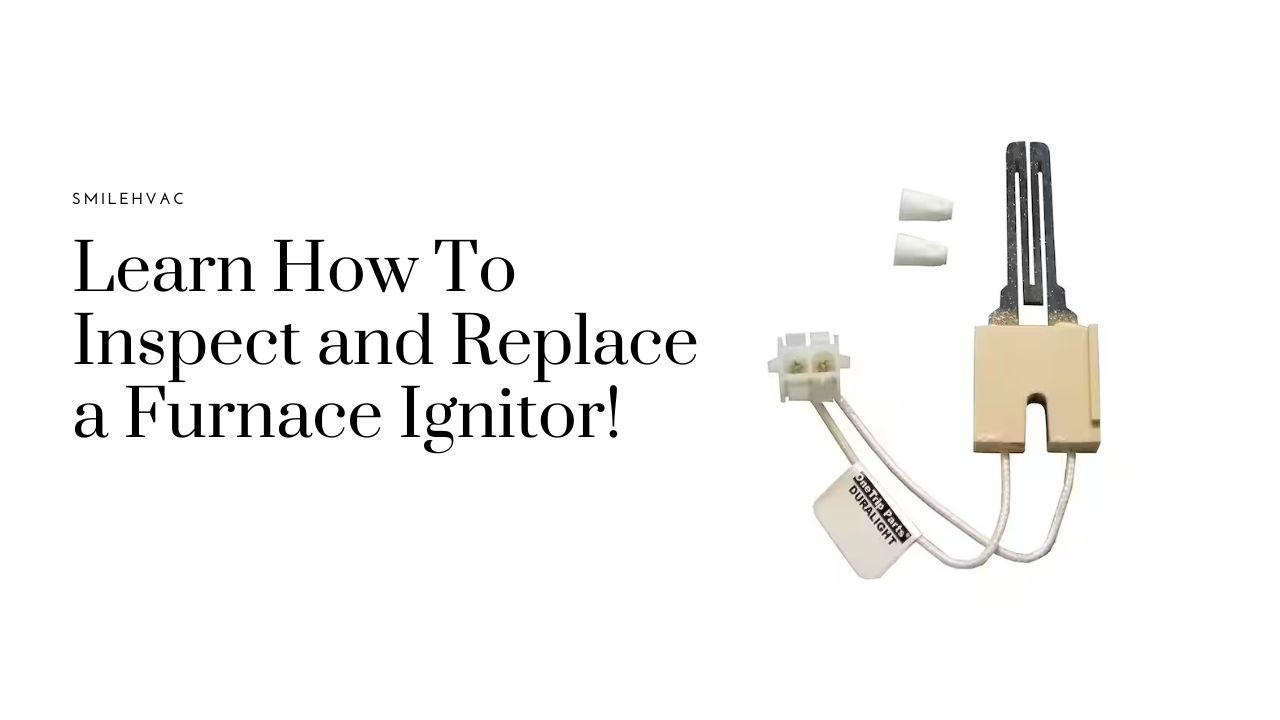
- Hot Surface Ignitors (HSI): These ignitors are made of silicon carbide or silicon nitride. They heat up to a very high temperature (glowing red or orange) within seconds, providing enough heat to ignite the gas. HSIs are more common in newer, high-efficiency furnaces.
- Spark Ignitors: These ignitors use a high-voltage spark, similar to a spark plug in a car, to ignite the gas. They typically consist of a spark module and an electrode. Spark ignitors are often found in older furnace models.
Understanding which type of ignitor your furnace uses is the first step in effective troubleshooting.
Safety First!
Working with gas and electricity can be dangerous. Always turn off the power to the furnace at the breaker box before attempting any troubleshooting or repairs. Also, turn off the gas supply to the furnace. If you are not comfortable working with electricity or gas, call a qualified HVAC technician. Safety should always be your top priority.
Troubleshooting Steps: A Systematic Approach
Follow these steps to systematically diagnose an ignitor problem:
1. Preliminary Checks
Before focusing on the ignitor, perform these basic checks:
- Check the thermostat: Ensure the thermostat is set to "heat" and the temperature is set higher than the current room temperature. A simple setting error is a common oversight.
- Check the gas supply: Make sure the gas valve is open and that there are no issues with the gas supply to your home. Check other gas appliances to confirm.
- Check the furnace filter: A dirty air filter can restrict airflow, causing the furnace to overheat and shut down. Replace the filter if it's dirty.
- Check the blower motor: Listen for the blower motor starting. If the blower isn't running or starts then stops, it could indicate a problem with the blower motor itself or its associated controls.
2. Visual Inspection
Carefully examine the ignitor for any visible signs of damage. This includes:
- Cracks or breaks: HSIs are fragile and prone to cracking. Even a small crack can prevent them from heating properly.
- Burn marks or discoloration: These can indicate overheating or electrical issues.
- Loose connections: Check the wiring connections to the ignitor to ensure they are secure and free from corrosion.
- Broken or corroded electrodes (Spark Ignitors): For spark ignitors, check the electrodes for damage or corrosion that could prevent a strong spark.
3. Testing the Ignitor (Hot Surface Ignitor - HSI)
Testing an HSI requires a multimeter. Here's how:
- Turn off the power to the furnace.
- Disconnect the wires from the ignitor.
- Set the multimeter to the ohms setting (resistance). A setting of 200 ohms is usually appropriate.
- Place the multimeter probes on the two terminals of the ignitor.
- Check the resistance reading. A typical HSI will have a resistance between 40 and 75 ohms. If the reading is significantly higher or reads "OL" (open loop), the ignitor is likely faulty and needs replacement.
Important Note: Resistance values can vary depending on the ignitor model. Consult the furnace manufacturer's specifications or the ignitor's packaging for the correct resistance range.
4. Testing the Ignitor (Spark Ignitor)
Testing a spark ignitor is more difficult and often requires observing the spark during operation. With the power OFF, carefully inspect the spark gap for debris or corrosion. If there is nothing obvious, you can attempt a live test, but use EXTREME caution:
- Turn the power back on to the furnace.
- Observe the ignitor during the furnace's start-up sequence. You should see a visible spark jumping across the electrodes.
- If no spark is present, the spark module or the electrodes themselves may be faulty. Testing the spark module typically requires specialized equipment and is best left to a qualified technician.
Warning: Working with high voltage can be extremely dangerous. If you are not comfortable performing this test, call a qualified HVAC technician.
5. Checking the Flame Sensor
While technically not the ignitor, the flame sensor plays a crucial role in the ignition process. The flame sensor detects the presence of a flame and signals the control board to keep the gas valve open. If the flame sensor is dirty or faulty, it can cause the furnace to shut down shortly after ignition.
To clean the flame sensor:
- Turn off the power to the furnace.
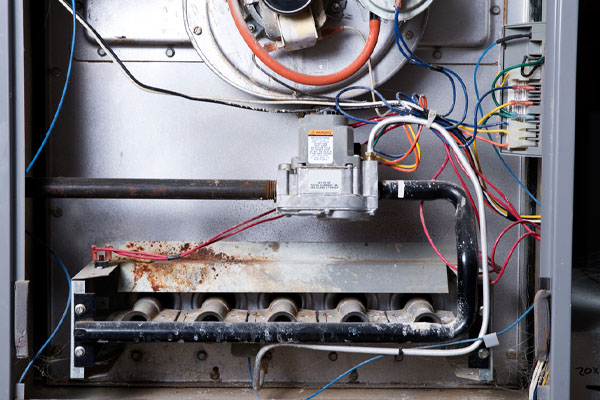
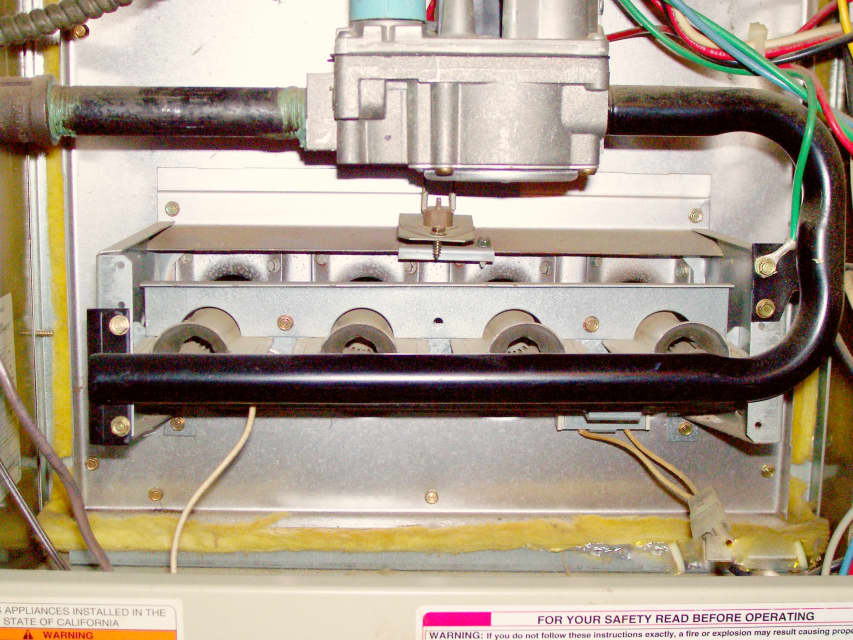
- Locate the flame sensor. It's usually a small metal rod located near the burner.
- Remove the flame sensor. It's typically held in place by a single screw.
- Clean the sensor with fine steel wool or a dollar bill. Remove any carbon buildup or corrosion.
- Reinstall the flame sensor and reconnect the wiring.
- Turn the power back on to the furnace and test its operation.
6. Control Board Issues
In some cases, the problem may not be the ignitor itself, but rather a faulty control board. The control board is the "brain" of the furnace and controls the ignition sequence. If the control board is not sending the proper voltage to the ignitor, it will not function. Diagnosing control board issues requires specialized knowledge and equipment and is best left to a qualified HVAC technician.
Replacing the Ignitor
If you've determined that the ignitor is faulty, replacing it is usually a straightforward process. However, it's crucial to use the correct replacement ignitor for your furnace model. Check your furnace's manual or consult with an HVAC professional to ensure you purchase the correct part.
Here's a general outline of the replacement process:
- Turn off the power to the furnace.
- Locate the ignitor.
- Disconnect the wires from the old ignitor. Note the wiring configuration before disconnecting. Take a picture if necessary.
- Remove the old ignitor. It's usually held in place by screws or a mounting bracket.
- Install the new ignitor.
- Reconnect the wires to the new ignitor, ensuring they are securely connected.
- Turn the power back on to the furnace and test its operation.
Preventative Maintenance
Regular maintenance can help prevent ignitor failures and extend the life of your furnace. Here are some tips:
- Replace the air filter regularly. A dirty air filter restricts airflow and can cause the furnace to overheat, putting stress on the ignitor.
- Schedule annual furnace inspections with a qualified HVAC technician. A technician can identify potential problems before they become major issues.
- Keep the area around the furnace clean and free of debris.
Cost Considerations
The cost of a replacement ignitor can vary depending on the type of ignitor and the furnace model. HSIs typically cost between $20 and $100, while spark ignitors may be slightly less expensive. The cost of labor for professional installation can range from $100 to $300, depending on the complexity of the job and the technician's hourly rate.
Conclusion
Troubleshooting a gas furnace ignitor can be a manageable task for homeowners and facility managers with a basic understanding of HVAC systems and proper safety precautions. By following a systematic approach and performing thorough visual inspections and electrical tests, you can often identify and resolve ignitor problems. However, if you are not comfortable working with electricity or gas, or if the problem is complex, it's always best to call a qualified HVAC technician. Regular maintenance and preventative measures can help prevent ignitor failures and ensure your furnace operates safely and efficiently for years to come.