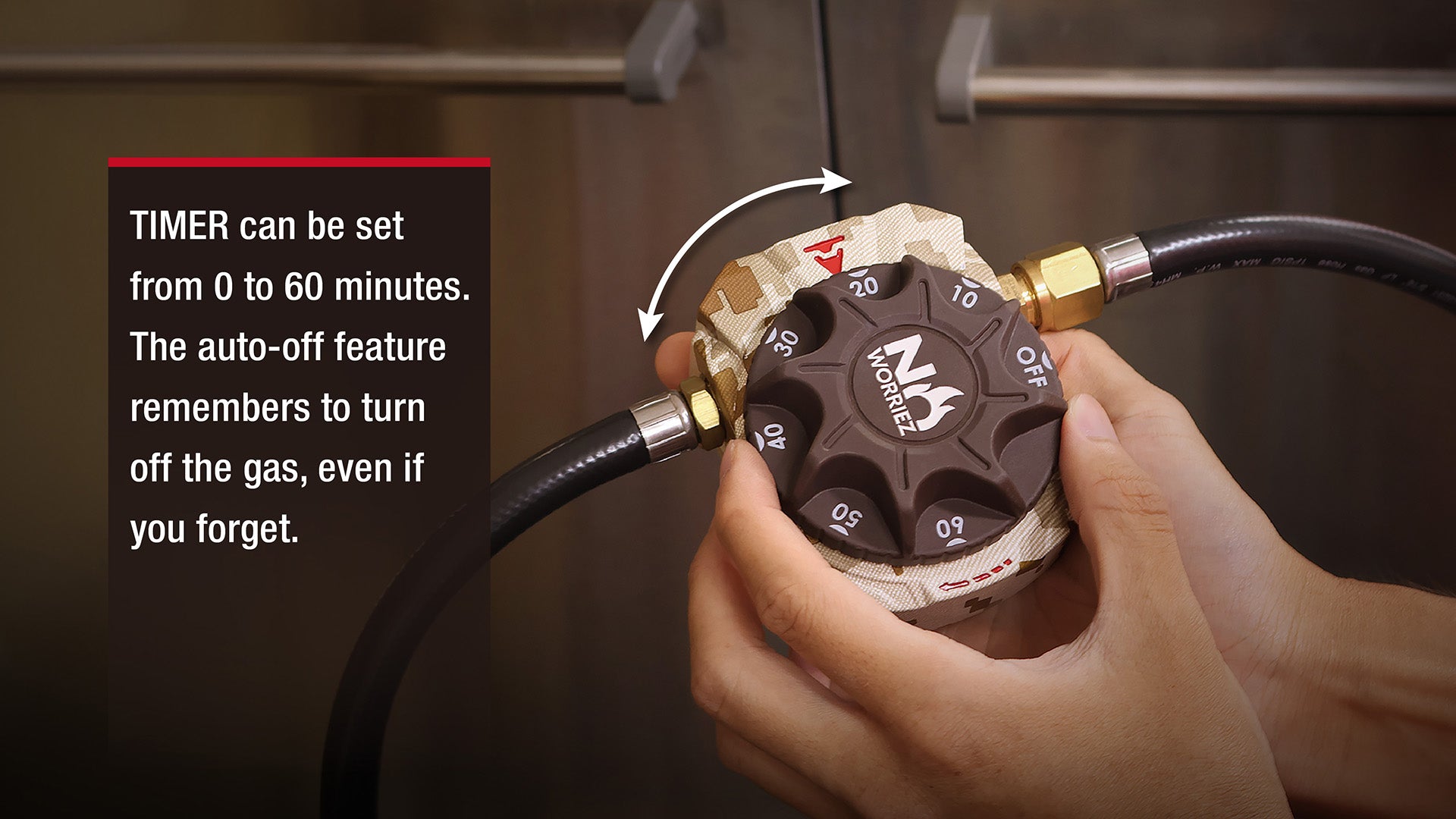
Gas Grill Shut Off Valve

Understanding your gas grill's shut-off valve is crucial for safe and efficient grilling. This guide provides a comprehensive overview of its purpose, operation, maintenance, and troubleshooting, helping you grill with confidence.
What is a Gas Grill Shut-Off Valve?
The shut-off valve, also known as the gas supply valve or propane tank valve (for propane grills), is a critical safety component on your gas grill. Its primary function is to control the flow of gas from the fuel source (typically a propane tank or a natural gas line) to the grill's burners.
Think of it like a faucet for gas. Just as you turn a faucet to control water flow, the shut-off valve controls the flow of gas. When closed, it completely stops the gas supply, preventing leaks and potential hazards. When open, it allows gas to flow, enabling you to ignite the burners and cook your food.
This valve is typically located at the point where the gas line connects to the propane tank or natural gas supply. It's usually a simple on/off valve that is easy to operate.
Types of Gas Grill Shut-Off Valves
There are two main types of shut-off valves you'll encounter on gas grills, depending on the fuel source:
Propane Tank Valves
Propane tank valves are designed to connect directly to a propane tank. They are typically integrated with a pressure regulator, which reduces the high pressure of the propane in the tank to a lower, more manageable pressure suitable for the grill's burners.
These valves usually feature a handwheel or knob that you turn to open or close the gas supply. Some newer propane tank valves also include an OPD (Overfill Protection Device), a safety feature that prevents the tank from being overfilled.
Natural Gas Line Valves
Natural gas grills connect to a fixed natural gas line. The shut-off valve for a natural gas grill is usually a separate valve installed on the gas line near the grill.
These valves are typically ball valves or gate valves, offering a reliable and durable shut-off mechanism. They often require a wrench or specialized tool to operate, although some may have a lever for easier use.
Unlike propane tanks, natural gas doesn't have the same overfill concern, so OPDs are not a factor.
Why is a Shut-Off Valve Important?
The shut-off valve is not just a convenience; it's a vital safety component. Here's why it's so important:
- Leak Prevention: The primary function is to prevent gas leaks. A leak can create a fire hazard or, in enclosed spaces, lead to a dangerous buildup of flammable gas.
- Emergency Shut-Off: In case of a fire or other emergency, the shut-off valve allows you to quickly stop the gas flow, potentially preventing further damage or injury.
- Maintenance and Repair: When performing maintenance or repairs on your grill, such as cleaning the burners or replacing a gas hose, you must shut off the gas supply to ensure your safety.
- Storage: When storing your grill for extended periods, especially during the off-season, closing the shut-off valve prevents slow leaks that could empty the propane tank or create a hazard.
Always treat the shut-off valve with respect and understand its importance.
How to Operate a Gas Grill Shut-Off Valve
Operating the shut-off valve is usually straightforward. However, it's essential to follow the correct procedure to ensure safety.
Propane Grill
- To Open: Turn the handwheel or knob on the propane tank valve counterclockwise. You should feel a slight resistance as the valve opens. Do not force it.
- To Close: Turn the handwheel or knob clockwise until it stops. Again, do not force it beyond its natural stopping point. Ensure the valve is fully closed before disconnecting the propane tank or leaving the grill unattended for an extended period.
Natural Gas Grill
- To Open: Depending on the type of valve, you may need a wrench or lever. For a ball valve, turn the handle so that it is aligned parallel with the gas pipe. For a gate valve, turn the wheel counterclockwise to open.
- To Close: For a ball valve, turn the handle perpendicular to the gas pipe. For a gate valve, turn the wheel clockwise to close.
Important Note: Always refer to your grill's owner's manual for specific instructions on operating the shut-off valve. Some grills may have slightly different valve designs or operating procedures.
Maintaining Your Gas Grill Shut-Off Valve
Proper maintenance of your gas grill shut-off valve is crucial for its longevity and reliable operation.
- Regular Inspection: Periodically inspect the valve for any signs of damage, corrosion, or leaks. Look for cracks, rust, or a smell of gas near the valve.
- Cleaning: Keep the valve clean and free of debris. Use a soft cloth to wipe away any dirt or grime. Avoid using harsh chemicals or abrasive cleaners, which could damage the valve.
- Lubrication (Propane Valves): Occasionally, you may need to lubricate the valve stem on a propane tank valve. Use a specialized lubricant designed for propane valves. Avoid using petroleum-based lubricants, as they can damage the rubber seals.
- Professional Inspection: If you suspect any problems with the shut-off valve, or if you are unsure about how to maintain it, consult a qualified gas appliance technician.
A well-maintained valve will operate smoothly and reliably, ensuring a safe and enjoyable grilling experience.
Troubleshooting Common Issues
Here are some common issues you might encounter with your gas grill shut-off valve and how to troubleshoot them:
- Gas Leak: If you smell gas near the shut-off valve, immediately turn off the gas supply at the valve. Use a soap-and-water solution (mix dish soap with water) to check for leaks. Apply the solution to the valve and connections. If bubbles form, there is a leak. Do not use the grill until the leak is repaired by a qualified technician.
- Valve Won't Open or Close: If the valve is difficult to open or close, it may be corroded or stuck. Try lubricating the valve stem (for propane valves) or gently wiggling the valve handle. If it still won't move, consult a professional. Forcing the valve can damage it.
- Low Gas Flow: If you are experiencing low gas flow to the burners, even with the valve fully open, the pressure regulator (on propane tanks) may be faulty. Have it inspected or replaced. Also, ensure the propane tank is not empty.
Warning: Never attempt to repair a gas leak yourself. Gas leaks are extremely dangerous and should only be handled by trained professionals.
Safety Precautions
Safety should always be your top priority when dealing with gas grills. Here are some essential safety precautions related to the shut-off valve:
- Read the Manual: Always read and understand your grill's owner's manual before operating the grill. The manual contains important safety information and specific instructions for your grill model.
- Check for Leaks: Regularly check for gas leaks, especially after connecting or disconnecting the propane tank.
- Keep Flammable Materials Away: Keep flammable materials, such as gasoline, paper, and rags, away from the grill and the propane tank.
- Never Store Propane Tanks Indoors: Propane tanks should never be stored indoors, in basements, or in garages. Store them in a well-ventilated area away from heat sources.
- Proper Ventilation: Always operate your gas grill in a well-ventilated area. Never use a gas grill indoors, as this can lead to carbon monoxide poisoning.
- Emergency Shut-Off: Know the location of the shut-off valve and how to operate it in case of an emergency.
Replacing a Gas Grill Shut-Off Valve
If your gas grill shut-off valve is damaged or malfunctioning, it may need to be replaced. This is a task best left to a qualified gas appliance technician. Replacing a gas valve involves working with gas lines and connections, which can be dangerous if not done correctly.
However, if you are experienced with gas appliance repair and feel comfortable performing the replacement yourself, follow these general steps (always consult your grill's service manual for specific instructions):
- Shut Off the Gas Supply: Before starting any work, completely shut off the gas supply at the main valve.
- Disconnect the Gas Line: Carefully disconnect the gas line from the valve. Use appropriate wrenches to avoid damaging the fittings.
- Remove the Old Valve: Unscrew or unbolt the old valve from its mounting bracket.
- Install the New Valve: Install the new valve, ensuring that all connections are tight and secure. Use pipe thread sealant on all threaded connections to prevent leaks.
- Reconnect the Gas Line: Carefully reconnect the gas line to the new valve.
- Check for Leaks: After completing the replacement, use a soap-and-water solution to check for gas leaks. If you find any leaks, tighten the connections or call a qualified technician.
Important: After replacing the shut-off valve, have a qualified gas appliance technician inspect the grill to ensure that it is operating safely and efficiently.
Conclusion
The gas grill shut-off valve is a vital safety component that requires your attention and care. By understanding its function, operation, maintenance, and troubleshooting, you can ensure a safe and enjoyable grilling experience. Remember to always prioritize safety and consult a qualified technician if you have any doubts or concerns.