Gas Line Shut Off Valve Position
Understanding your home's gas line shut-off valve position is crucial for safety and energy efficiency, regardless of whether you're a homeowner, business owner, or HVAC professional. It's a fundamental aspect of managing your gas-powered appliances and ensuring your heating system operates efficiently. This article will cover everything you need to know about gas line shut-off valves, from identifying their location to integrating them with smart home systems for enhanced control and energy savings.
Locating Your Gas Line Shut-Off Valve
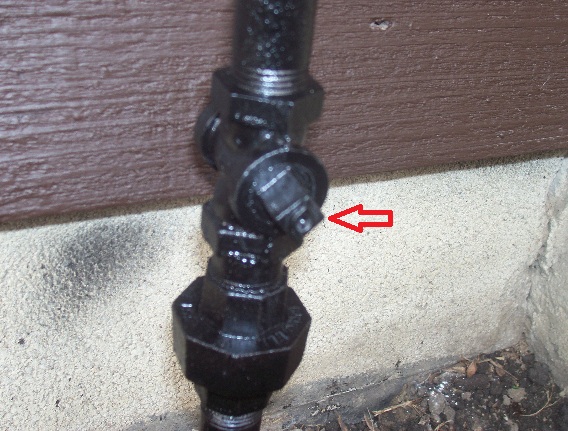
The first step is finding your gas meter and the shut-off valve connected to it. This is typically located outside your home or building, often near the foundation. In some cases, it might be inside, usually in a utility closet or basement. Look for a pipe coming out of the ground or wall that leads directly to the gas meter. The shut-off valve will be on this pipe, typically before the gas meter itself.
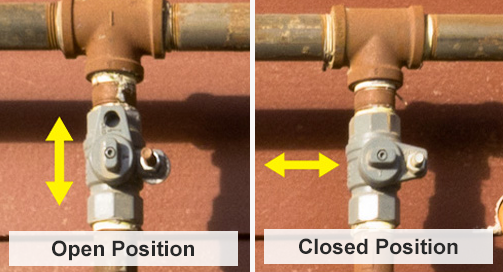
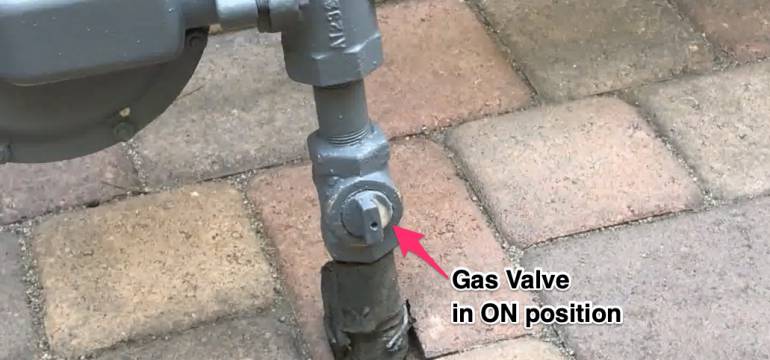
There are usually two types of shut-off valves: a lever-style valve and a round valve. The lever-style valve is the most common. The lever typically aligns with the gas pipe when open, and is perpendicular to the pipe when closed. For a round valve, you'll need a crescent wrench to turn it a quarter turn. This should be done cautiously.
Indoor Valves: Appliance Specific Shut-Offs
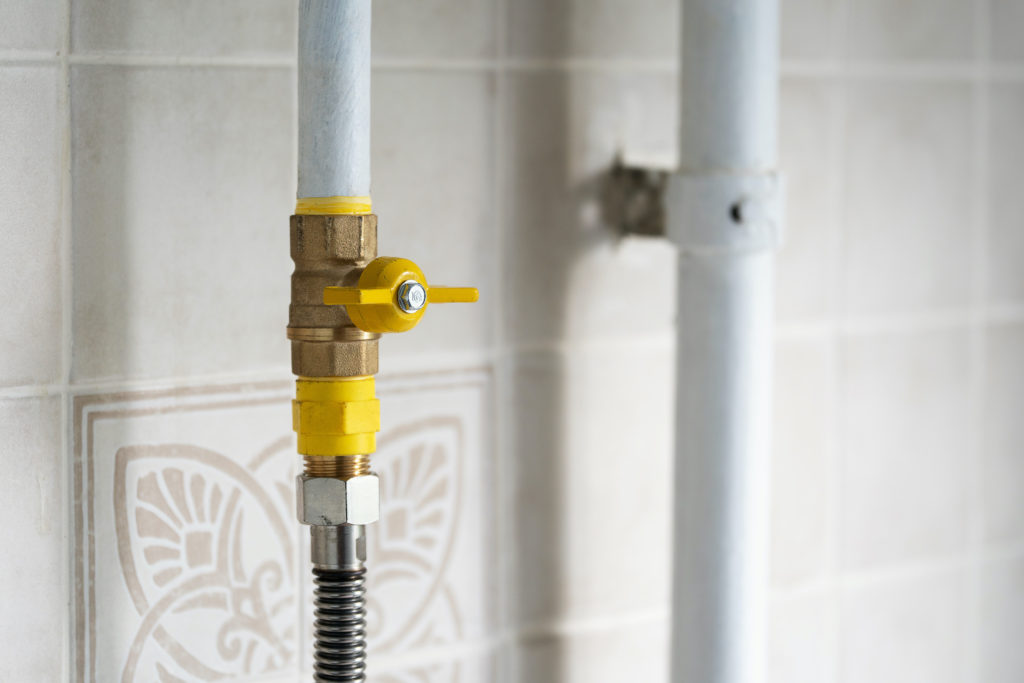
Beyond the main shut-off, you'll also find individual shut-off valves for each gas appliance, such as your furnace, water heater, and stove. These are usually located near the appliance itself. Familiarize yourself with their location for quick access during emergencies or maintenance.
Understanding Valve Positions: Open vs. Closed
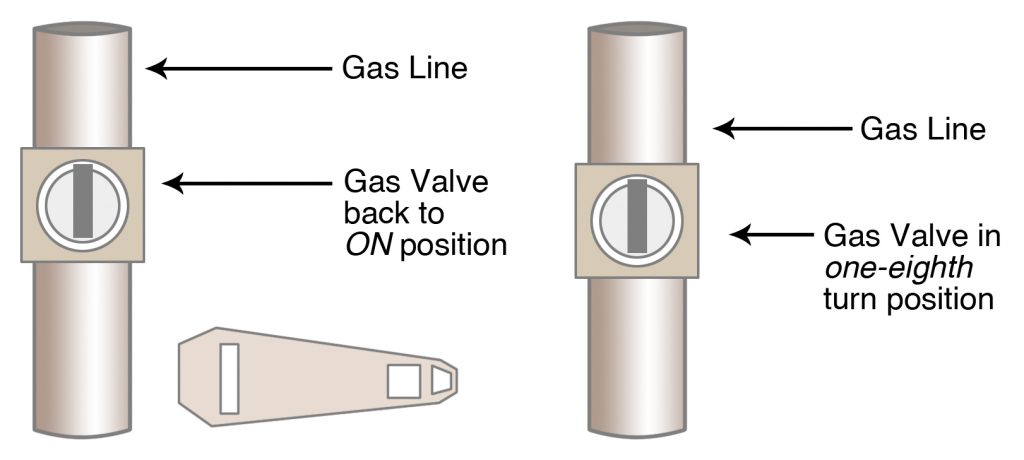
Knowing the position of your gas line shut-off valve is critical. When the lever on a lever-style valve is parallel to the gas pipe, the valve is open, allowing gas to flow. When the lever is perpendicular to the pipe, the valve is closed, stopping the gas flow. For round valves, a quarter turn is sufficient to switch between open and closed.
Important Safety Tip: If you smell gas, evacuate the premises immediately and call your gas company or the fire department from a safe location. Do not attempt to locate or shut off the gas valve yourself if you suspect a leak. Only qualified professionals should handle gas leaks.
Why You Need to Know This: Safety, Maintenance, and Energy Savings
Knowing the location and operation of your gas shut-off valve is essential for several reasons:
- Emergency Situations: In case of a gas leak, earthquake, or other emergencies, knowing how to quickly shut off the gas supply can prevent serious damage and protect lives.
- Maintenance and Repairs: Before performing any maintenance or repairs on gas-powered appliances, you should shut off the gas supply to that appliance. This ensures safety and prevents accidental gas leaks.
- Extended Absences: If you're going to be away from your home or business for an extended period, shutting off the main gas supply is a good precaution.
- Energy Savings: While simply shutting off the gas isn't a direct source of daily energy savings, it's a prerequisite for other energy-saving strategies, like upgrading to energy-efficient appliances or integrating with smart home systems.
Energy Efficiency and Your Gas System
Your gas system's efficiency significantly impacts your energy bills. Older, less efficient furnaces and water heaters waste a considerable amount of energy. Upgrading to Energy Star-certified models can dramatically reduce your gas consumption and lower your monthly expenses.
For example, replacing a 20-year-old furnace with a new Energy Star-certified model can save you up to 15% on your annual heating costs. This translates to potentially hundreds of dollars per year, depending on your location and usage. You should also consider government rebates and incentives available for energy-efficient upgrades. Check the Energy Star website and your local utility company for details on available programs.
Smart Thermostats and Gas Furnace Efficiency
Integrating a smart thermostat with your gas furnace is another effective way to improve energy efficiency. Smart thermostats learn your heating and cooling patterns and automatically adjust the temperature to optimize energy usage. They also allow you to control your furnace remotely via your smartphone or tablet.
A study by Nest found that its smart thermostat saved users an average of 10-12% on heating bills and 15% on cooling bills. These savings add up over time, making a smart thermostat a worthwhile investment. Furthermore, some smart thermostats can detect potential problems with your furnace, such as a faulty igniter or a clogged filter, and alert you before they become major issues.
Smart Home Integration and Automated Shut-Off Valves
Taking your gas safety and energy management to the next level involves integrating smart home technology with your gas system. Automated shut-off valves, controlled remotely via a smartphone app, offer an additional layer of safety and control.
These valves can be programmed to automatically shut off the gas supply in certain situations, such as detecting a gas leak or experiencing an earthquake. They can also be integrated with smart home security systems, providing a coordinated response to potential threats. While the initial investment for smart shut-off valves might be higher, the peace of mind and potential for preventing catastrophic damage make them a valuable addition to any smart home.
Benefits of Smart Shut-Off Valves:
- Remote Control: Shut off the gas supply from anywhere using your smartphone.
- Automatic Shut-Off: Program the valve to automatically shut off in case of a gas leak, earthquake, or other emergency.
- Integration with Smart Home Systems: Connect the valve to your smart home security system for a coordinated response to potential threats.
- Leak Detection: Some smart valves have built-in leak detectors that can alert you to potential gas leaks.
Working with HVAC Contractors
When it comes to installing or upgrading gas appliances, or integrating smart home technology with your gas system, it's crucial to work with a licensed and qualified HVAC contractor. A professional can ensure that all installations are done safely and correctly, and that your gas system is operating efficiently.
When choosing an HVAC contractor, ask for references and check their credentials. Make sure they are licensed and insured, and that they have experience working with gas appliances and smart home technology. Get multiple quotes and compare them carefully, considering not only the price but also the quality of the work and the reputation of the contractor.
Pro Tip: Ask your HVAC contractor about energy-efficient upgrades and available rebates. They can help you identify the best solutions for your home or business and guide you through the rebate application process.
Understanding Gas Meter Readings
Regularly monitoring your gas meter readings can help you track your gas consumption and identify potential problems. Most gas meters have a series of dials or a digital display that shows the amount of gas you've used. Learn how to read your gas meter and record your readings regularly. This will allow you to compare your usage month to month and year to year, and identify any significant increases that could indicate a leak or an inefficient appliance.
Your gas company typically provides information on how to read your specific meter type. Many utility companies now offer online portals where you can track your energy usage in real-time.
Troubleshooting Common Issues
While most gas systems operate reliably, occasional issues can arise. Here are some common problems and how to address them:
- Pilot Light Issues: A pilot light that frequently goes out could indicate a problem with the gas supply, the thermocouple, or the gas valve. Consult a qualified HVAC technician for diagnosis and repair.
- Gas Leaks: If you smell gas, evacuate the premises immediately and call your gas company or the fire department. Do not attempt to locate or repair the leak yourself.
- Inefficient Appliance Operation: If your gas appliances are not operating efficiently, they may need to be serviced or replaced. Consult with an HVAC contractor to determine the best course of action.
The Future of Gas Systems: Sustainability and Innovation
The future of gas systems is focused on sustainability and innovation. Manufacturers are developing more energy-efficient appliances that use less gas and produce fewer emissions. Smart home technology is playing an increasingly important role in managing gas consumption and improving safety. As we move towards a more sustainable future, expect to see even more innovative solutions for gas systems, including renewable natural gas (RNG) and hybrid systems that combine gas and electricity.
By understanding your gas line shut-off valve position, embracing energy-efficient technologies, and working with qualified professionals, you can save money on your energy bills, improve your home's safety, and contribute to a more sustainable future. The ROI of these efforts extends beyond mere financial gains, encompassing peace of mind and environmental responsibility.