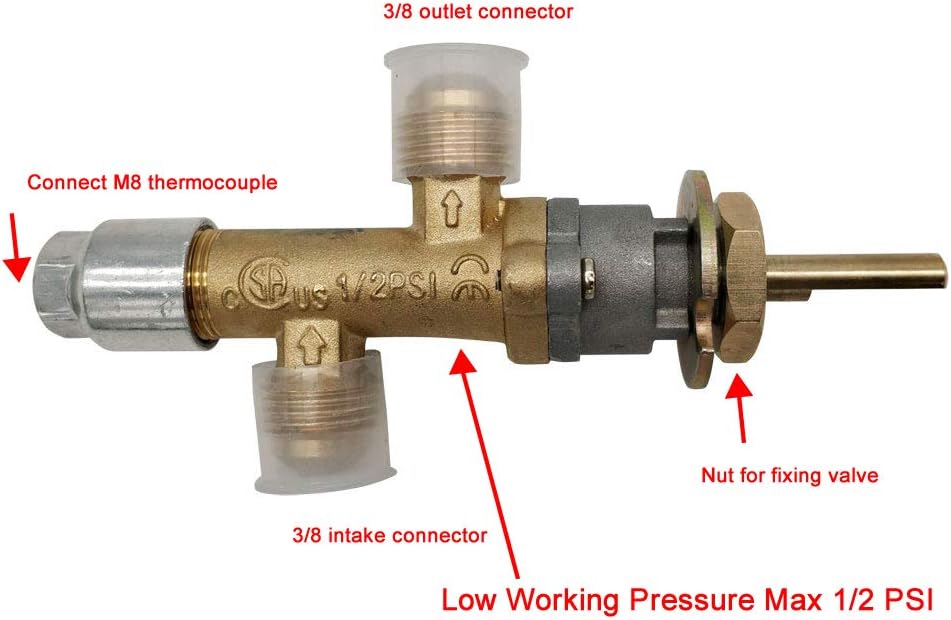
Gas Log Fireplace Control Valve
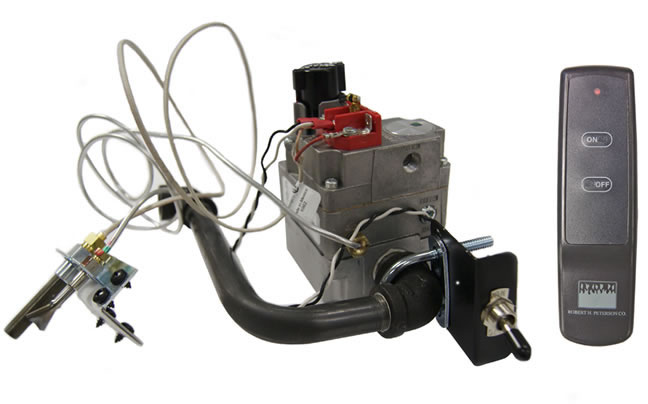
The gas log fireplace control valve is a critical component in any gas log fireplace system. For HVAC professionals – whether you're a student just starting out, a seasoned technician looking to expand your skillset, or an employer searching for qualified talent – understanding the function, troubleshooting, and maintenance of these valves is paramount. This article provides a comprehensive overview of gas log fireplace control valves, including their operation, common issues, repair strategies, and career implications for HVAC professionals.
Understanding Gas Log Fireplace Control Valves
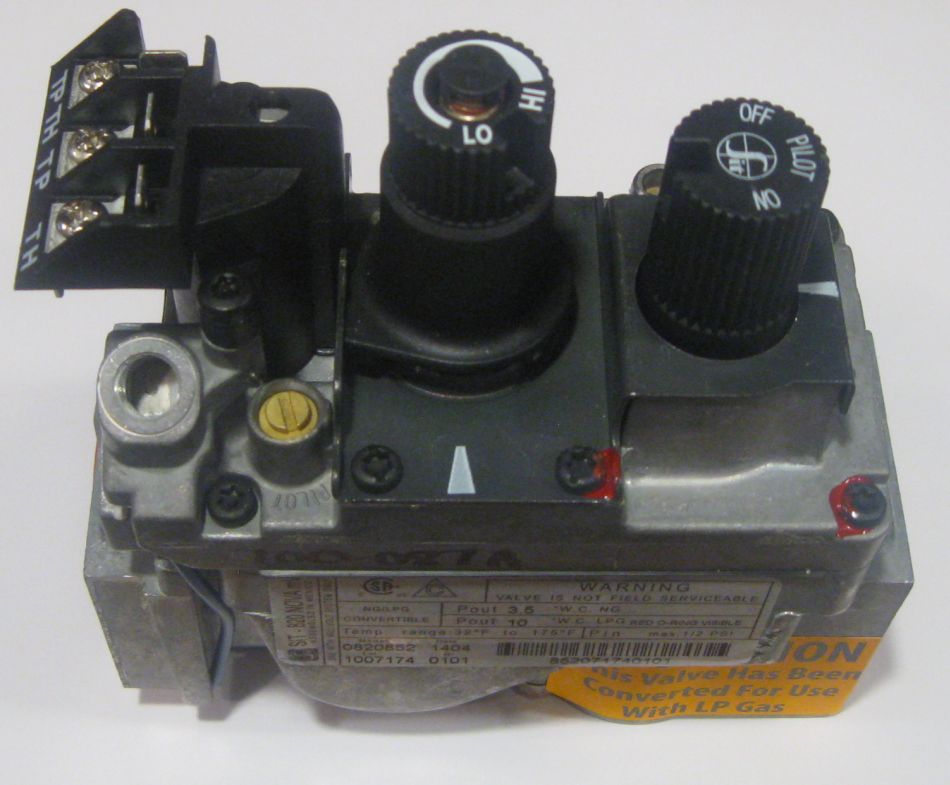
At its core, the gas log fireplace control valve regulates the flow of gas to the fireplace burner. These valves ensure safe and efficient operation. There are several types, each with unique characteristics:
- Manual Control Valves: These are the simplest type, requiring manual turning of a knob to control gas flow and flame height. They're commonly found in older or less expensive systems.
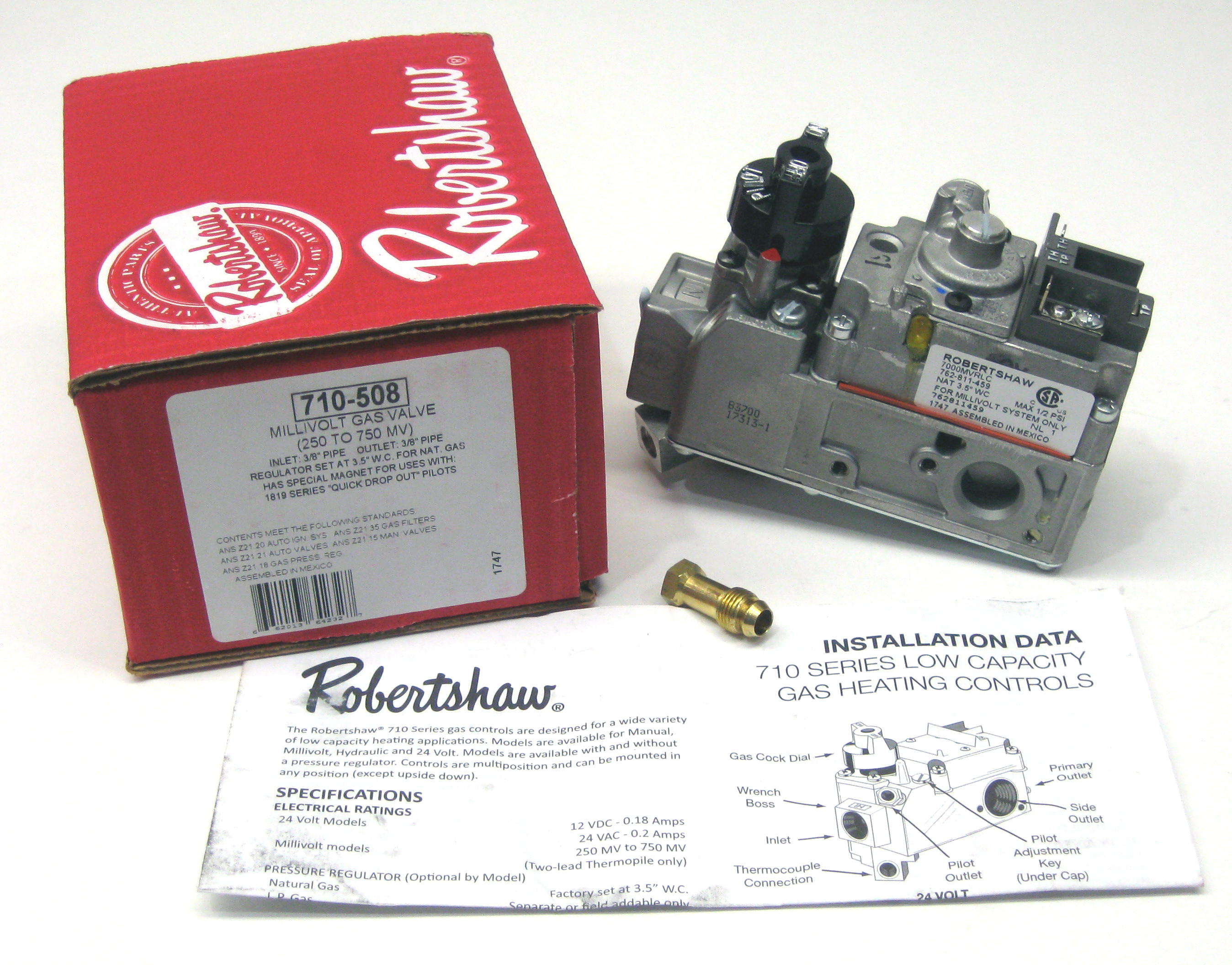
- Millivolt Valves: These valves use a thermocouple, heated by the pilot light, to generate a small electrical current (millivolt) that keeps the main gas valve open. If the pilot light goes out, the thermocouple cools, the millivolt signal stops, and the valve shuts off the gas. This is a common safety feature.
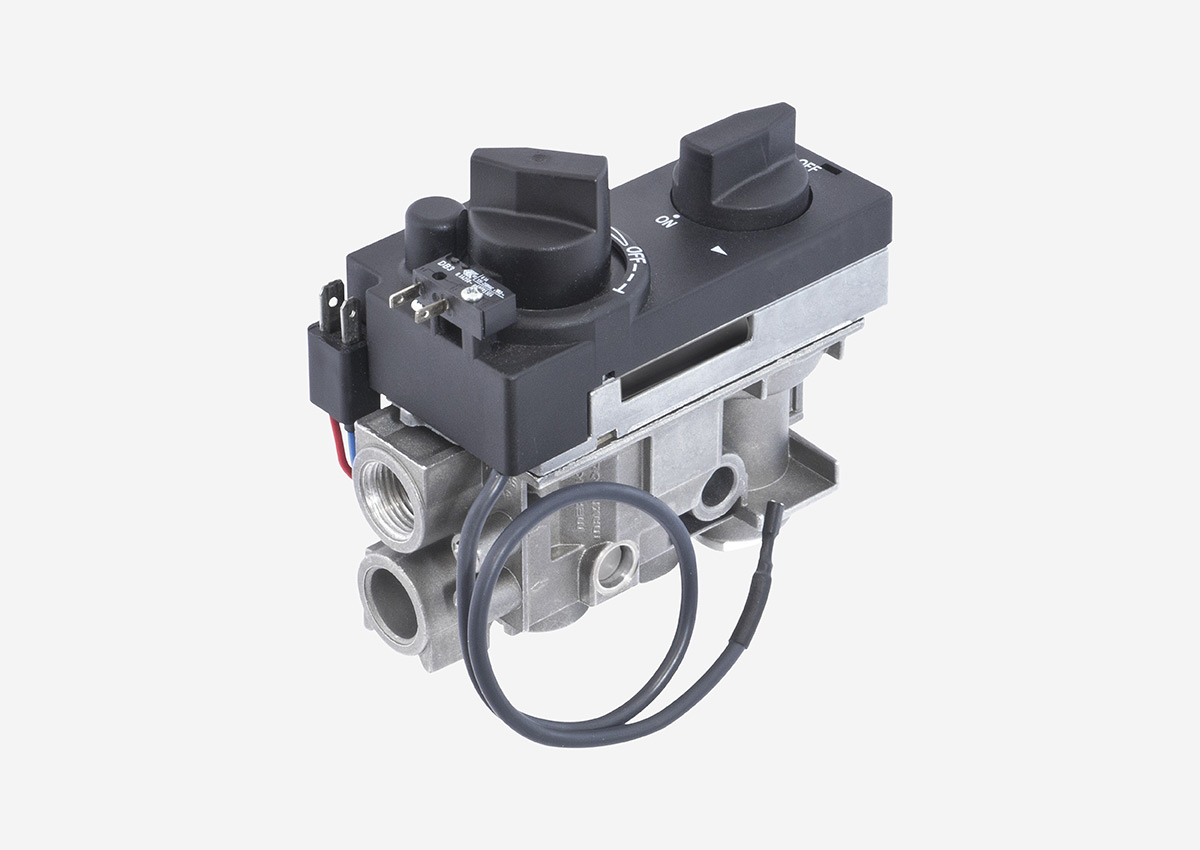
- Electronic Ignition Valves: These valves use an electronic spark to ignite the pilot light or main burner. They often incorporate features like remote control operation, timers, and thermostatic control.
- Standing Pilot Valves: Constantly lit, requiring the pilot to always burn. These are being phased out due to energy inefficiency but are still present in older homes.
- Intermittent Pilot Ignition (IPI) Valves: An electronic ignition system that only ignites the pilot when there is a call for heat, promoting energy efficiency.
Each type of valve presents unique challenges and opportunities for HVAC technicians. Understanding the differences is essential for accurate diagnosis and repair.
Common Issues and Troubleshooting
Several problems can arise with gas log fireplace control valves. Recognizing these issues early can prevent more significant damage and ensure safe operation. Here are some common issues:
- Pilot Light Issues: The pilot light may fail to light, stay lit, or produce a weak flame. This could be due to a dirty pilot orifice, a faulty thermocouple, or a problem with the gas supply.
- Main Burner Problems: The main burner may not light, may burn with an inconsistent flame, or may shut off prematurely. This could be caused by a malfunctioning gas valve, a clogged burner, or a lack of sufficient gas pressure.
- Valve Leakage: Gas leaks are a serious safety hazard and must be addressed immediately. Leakage can occur around the valve body, connections, or through the valve itself. Use a gas leak detector (sniffer) or soap and water solution to identify leaks.
- Thermocouple Failure: A weak or failed thermocouple will prevent the main gas valve from staying open, causing the fireplace to shut off after the pilot light is lit.
- Solenoid Malfunctions: Electronic valves often rely on solenoids. A faulty solenoid can prevent the valve from opening or closing properly.
Troubleshooting techniques involve:
- Visual Inspection: Check for obvious signs of damage, corrosion, or leaks.
- Gas Pressure Testing: Verify that the gas pressure is within the specified range for the valve and fireplace.
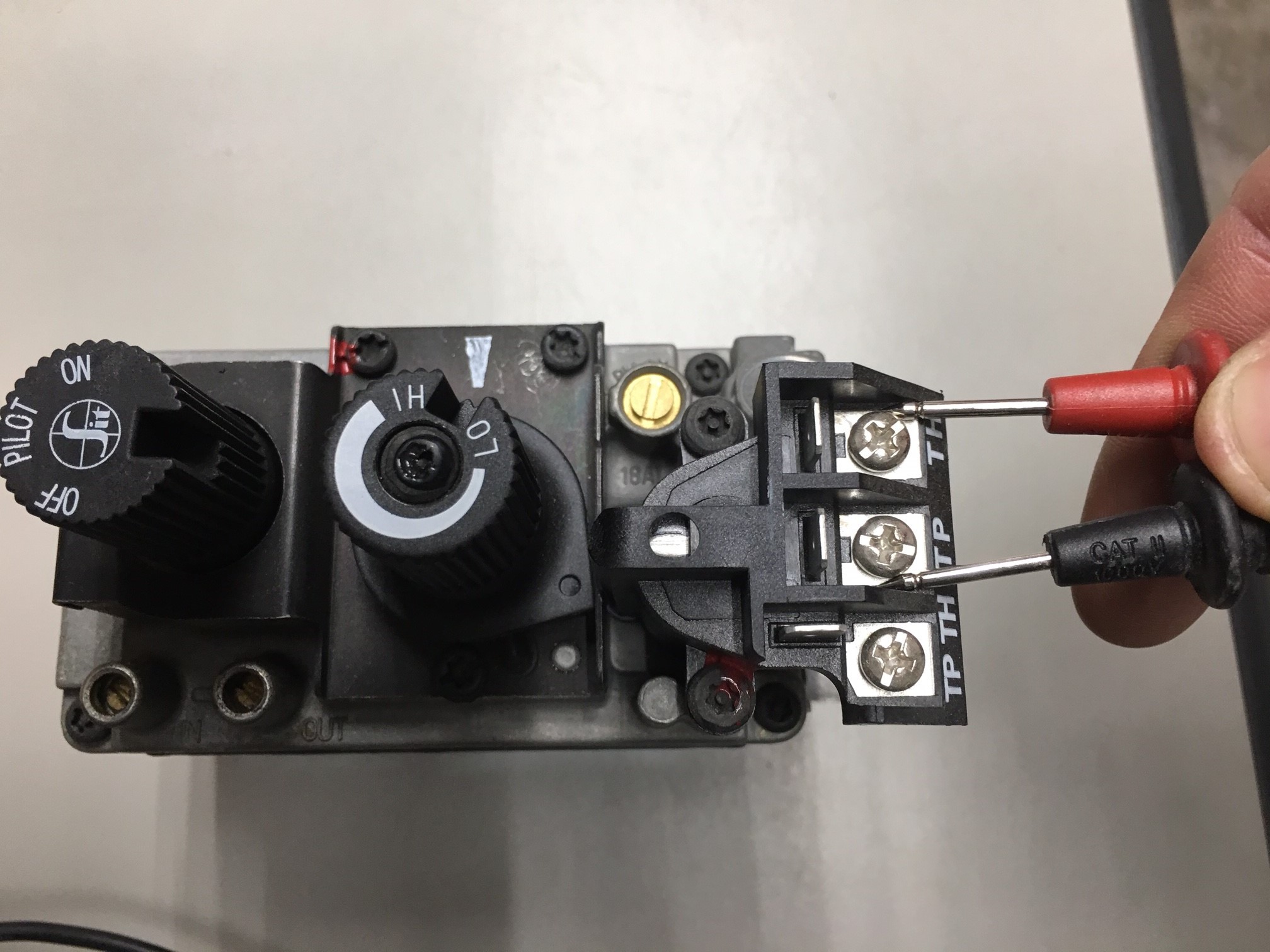
- Continuity Testing: Use a multimeter to test the continuity of electrical components like thermocouples and solenoids.
- Leak Detection: Employ a gas leak detector to identify and pinpoint gas leaks.
A systematic approach to troubleshooting, combined with a solid understanding of valve operation, is crucial for efficient and safe repairs.
Repair and Replacement Strategies
Depending on the nature of the problem, a gas log fireplace control valve may need to be repaired or replaced. Here's a breakdown of common repair and replacement strategies:
- Cleaning and Adjustment: A dirty pilot orifice or burner can often be cleaned with compressed air or a small brush. Adjusting the pilot flame may also resolve some issues.
- Thermocouple Replacement: Thermocouples are relatively inexpensive and easy to replace. Be sure to select a thermocouple that is compatible with the valve.
- Valve Replacement: If the valve is significantly damaged or malfunctioning, replacement is often the best option. Ensure you select a replacement valve that is the correct type and size for the fireplace. Always shut off the gas supply before attempting any repairs or replacements.
- Leak Repair: Tighten connections, apply pipe sealant, or replace fittings as needed. If the leak is coming from the valve body, replacement is necessary.
When working on gas appliances, it's crucial to follow all safety precautions and local codes. If you're not comfortable working with gas, it's best to call a qualified HVAC technician.
Career Implications for HVAC Professionals
Understanding gas log fireplace control valves is a valuable skill for HVAC professionals. Here's how this knowledge can impact your career:
- Increased Job Opportunities: Technicians with expertise in gas appliances, including fireplaces, are in high demand.
- Higher Earning Potential: Specialized skills often translate to higher hourly rates or salaries. According to the Bureau of Labor Statistics, the median annual wage for HVACR mechanics and installers was $51,910 in May 2022. The job outlook is projected to grow 6% from 2022 to 2032, about as fast as the average for all occupations. Fireplace expertise can place you at the higher end of that spectrum.
- Expanded Service Offerings: You can offer a wider range of services to your clients, including fireplace maintenance, repair, and installation.
- Enhanced Reputation: Providing expert service builds trust and enhances your reputation, leading to more referrals and repeat business.
Relevant Certifications
Several certifications can demonstrate your expertise in HVAC and gas appliances:
- NATE (North American Technician Excellence): NATE certification is a widely recognized credential that demonstrates competency in HVACR. While there isn't a specific NATE certification for fireplaces, earning a NATE certification in gas heating or HVAC service technology would be beneficial.
- EPA Section 608 Certification: While primarily focused on refrigerant handling, the EPA 608 certification demonstrates a commitment to environmental responsibility and safe practices.
- Gas Appliance Certifications: Some states or municipalities may offer specific certifications for gas appliance installation and repair. Check with your local authorities for requirements.
Real-World Career Paths
Here are some examples of how knowledge of gas log fireplace control valves can factor into career paths:
- HVAC Service Technician: Diagnose and repair a wide range of HVAC systems, including gas fireplaces.
- Gas Appliance Specialist: Focus specifically on the installation, repair, and maintenance of gas appliances, including fireplaces, stoves, and water heaters.
- HVAC Sales and Design: Design and sell HVAC systems, including fireplaces, to residential and commercial clients.
- HVAC Business Owner: Start your own HVAC business and offer specialized services, such as fireplace maintenance and repair.
The Future of Gas Fireplaces and HVAC
While electric fireplaces are gaining popularity, gas fireplaces remain a significant market segment, especially in regions with readily available natural gas or propane. The trend towards energy-efficient and smart home technology is also impacting the gas fireplace industry. Expect to see more electronic ignition valves with advanced control features, such as remote control, timers, and thermostatic control. Technicians who are proficient in these technologies will be in high demand.
Furthermore, there's an increasing focus on safety and environmental responsibility. Gas fireplace manufacturers are developing new technologies to reduce emissions and improve safety features. Staying up-to-date on these advancements is essential for HVAC professionals.
Continual learning is important for success in the HVAC industry. Attend training seminars, read industry publications, and network with other professionals to stay ahead of the curve.
Example: Consider Jane, a recent HVAC graduate. She took the initiative to learn about gas fireplace technology through online courses and on-the-job training. This specialized knowledge helped her land a job with a local HVAC company that specializes in gas appliance installation and repair. Within a year, she was promoted to a senior technician position and earned a significant increase in her salary.
Mastering the intricacies of gas log fireplace control valves provides a tangible advantage in the competitive HVAC landscape, paving the way for career advancement and financial success.


_Skytech_Battery_Operated_Split_Infinite_Flame_Spark-To-Pilot_Ignition_Valve_Kit.jpg?t=1564071964)