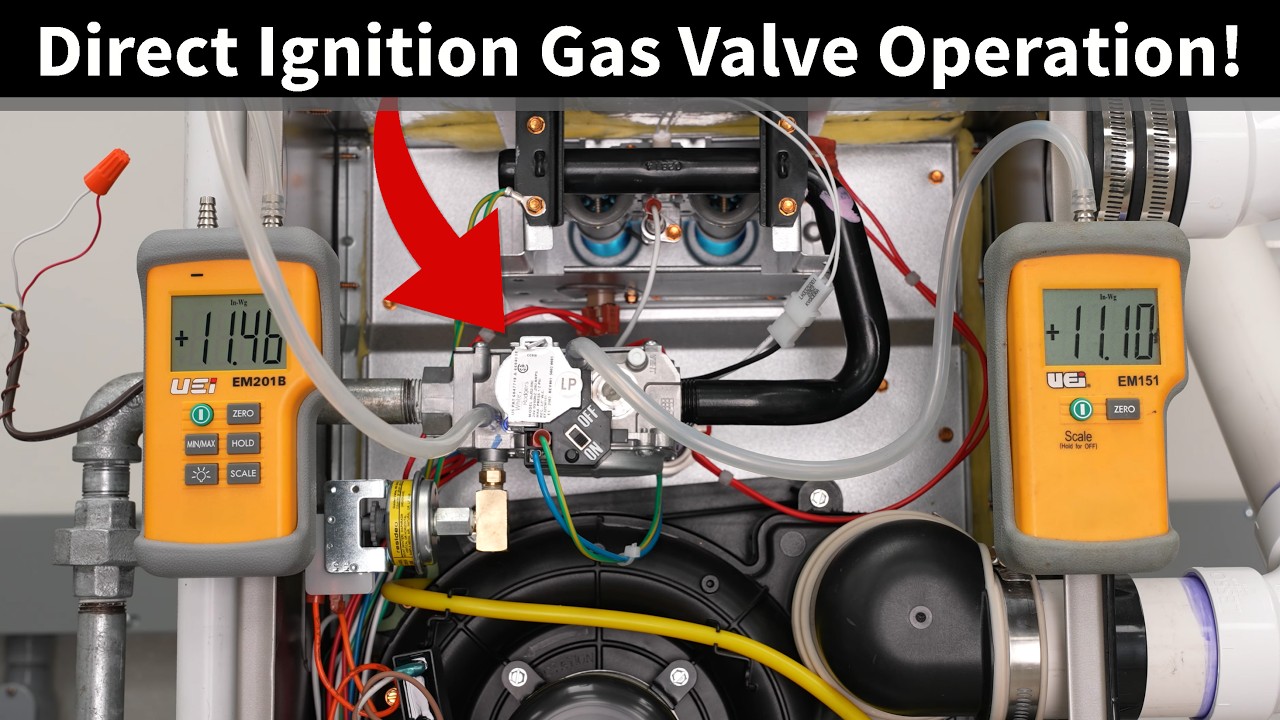
Gas Pressure For Natural Gas Furnace

A cold house during winter can be incredibly frustrating, especially when your natural gas furnace is supposed to be keeping you warm. One common culprit behind this discomfort is an issue with your furnace's gas pressure. Too little or too much gas can prevent your furnace from operating efficiently, or even cause it to shut down entirely. This article will guide you through diagnosing common gas pressure problems and offer some safe, simple DIY fixes. However, it's critical to know when to call in a qualified professional.
Understanding Gas Pressure in Your Furnace
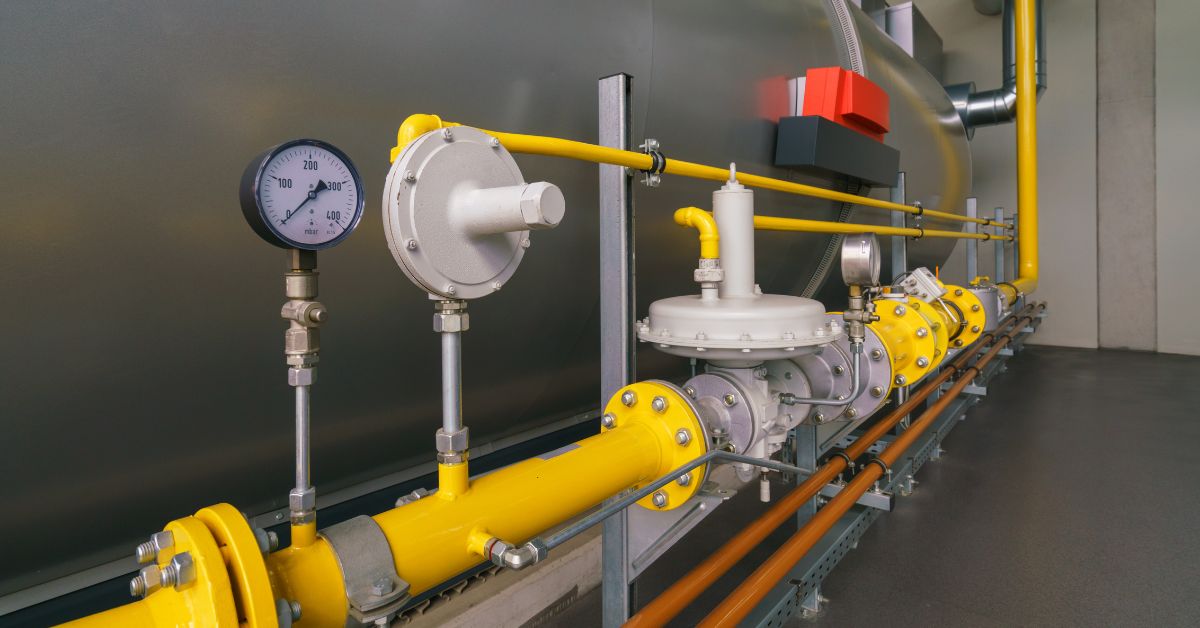
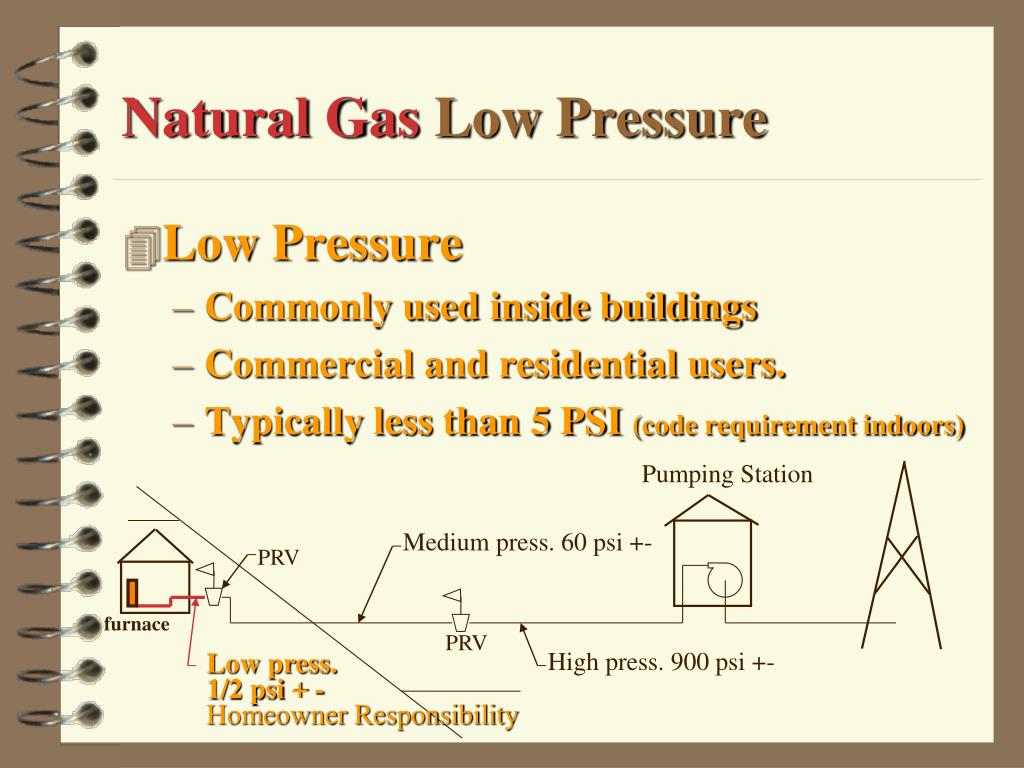
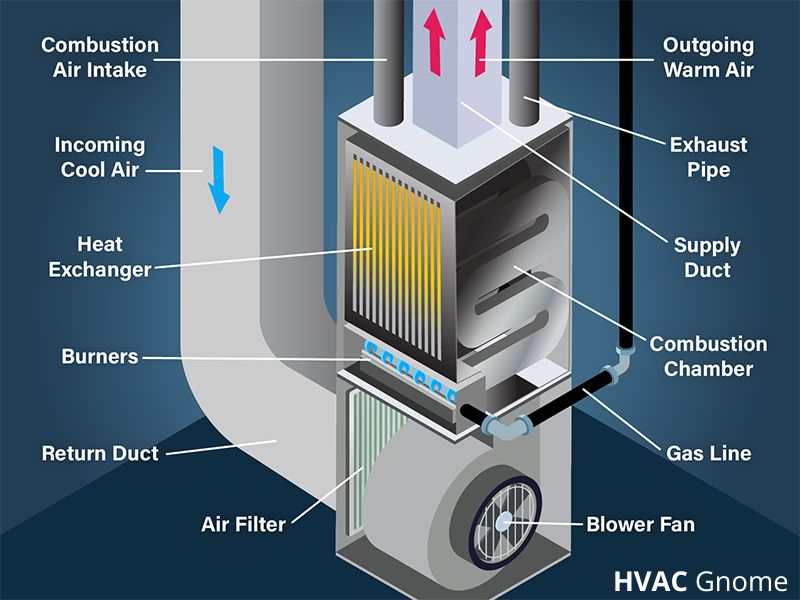
Before diving into troubleshooting, let's clarify what we mean by gas pressure. Natural gas enters your home through a service line. A gas meter measures the gas usage. From there, the gas line runs to your furnace. Inside the furnace, a gas valve regulates the flow of gas to the burners. The correct gas pressure is essential for proper combustion.
High gas pressure can lead to incomplete combustion, creating dangerous carbon monoxide. It can also damage the furnace components.
Low gas pressure will cause the burner flame to be weak, resulting in insufficient heat output. It may also lead to the furnace cycling on and off frequently (short cycling).
Common Symptoms of Gas Pressure Problems
Several telltale signs can indicate a gas pressure issue:
- The furnace doesn't ignite: You hear the inducer motor running, but the burners never light.
- The furnace ignites, but the flame is weak or yellow: A healthy flame should be blue.
- The furnace short cycles: It turns on and off frequently, never reaching the set temperature.
- You smell gas near the furnace: This is a serious safety concern and requires immediate action (see "Safety First!" below).
- The furnace displays an error code related to gas pressure: Consult your furnace's manual for specific error code interpretations.
- Soot accumulation: Excessive soot around the furnace or vent could point to incomplete combustion.
Safety First!
Working with natural gas can be dangerous. Before you begin any troubleshooting, follow these essential safety precautions:
- Turn off the gas supply to the furnace: Locate the gas shut-off valve near the furnace (usually a yellow handle) and turn it to the "off" position. The handle should be perpendicular to the gas pipe.
- Turn off the electrical power to the furnace: Locate the circuit breaker that controls the furnace and switch it off.
- Ventilate the area: Open windows and doors to ensure good ventilation.
- Never smoke or use open flames near the furnace: Natural gas is highly flammable.
- If you smell gas, immediately evacuate the premises and call your local gas company or 911 from a safe location. Do not attempt to locate the leak yourself.
Troubleshooting Gas Pressure Issues: A Step-by-Step Guide
Once you've taken the necessary safety precautions, you can begin troubleshooting. Remember, if at any point you feel uncomfortable or unsure, stop and call a qualified HVAC technician.
Step 1: Visual Inspection
Start with a thorough visual inspection of the furnace and the surrounding area:
- Check the gas line: Look for any signs of damage, such as kinks, dents, or corrosion.
- Inspect the gas valve: Make sure it's clean and free of debris.
- Examine the burner assembly: Look for any obstructions, such as dust, dirt, or spider webs.
- Check the vent pipe: Ensure it's properly connected and free of obstructions. A blocked vent can cause backdrafting and affect gas pressure.
DIY Fix: If you find any minor obstructions like spider webs or dust, carefully remove them with a brush or vacuum cleaner. Ensure the vent pipe is clear of any visible obstructions.
Step 2: Checking the Gas Meter and Main Supply Line
A problem with the main gas supply to your house can sometimes mimic a furnace-specific gas pressure issue.
- Check other gas appliances: Are other gas appliances in your home (e.g., stove, water heater) working correctly? If not, the problem might be with the main gas supply.
- Inspect the gas meter: Ensure the gas meter is not damaged or obstructed. Check for any unusual readings or error messages.
- Confirm the main gas valve is fully open: Locate the main gas shut-off valve near the gas meter and ensure it's fully open.
DIY Fix: If you find the main gas valve is partially closed, carefully open it fully. If other gas appliances aren't working, contact your gas company. This is not a DIY fix.
Step 3: Inspecting the Furnace's Air Filter
A clogged air filter can restrict airflow, causing the furnace to work harder and potentially affecting gas pressure. A dirty filter might cause the furnace to overheat and shut down, creating a false impression of a gas pressure issue.
- Remove the air filter: Locate the air filter compartment (usually near the blower motor) and remove the filter.
- Inspect the filter: Hold the filter up to a light source. If you can't see light through it, it's clogged.
DIY Fix: Replace the dirty air filter with a new one of the correct size and type. This is a simple and crucial maintenance task that can significantly improve your furnace's performance.
Step 4: Checking the Flame Sensor (for Furnaces That Attempt to Ignite)
The flame sensor is a safety device that detects the presence of a flame. If the sensor is dirty or malfunctioning, it may not detect the flame, causing the furnace to shut down even if the gas pressure is adequate. This is often mistaken for a gas pressure problem.
- Locate the flame sensor: It's usually a small metal rod located near the burners. Consult your furnace's manual for its exact location.
- Inspect the flame sensor: Look for any signs of dirt, soot, or corrosion.
DIY Fix: Carefully remove the flame sensor. Use a piece of fine-grit sandpaper or steel wool to gently clean the rod. Reinstall the sensor and try restarting the furnace. Be gentle, as these sensors are fragile.
Step 5: Listening for Gas Valve Operation
You may be able to tell if the gas valve is opening by listening closely. When the furnace attempts to ignite, you should hear a distinct "click" as the gas valve opens. If you don't hear this click, the valve may be faulty.
Important Note: This step requires you to be near the furnace while it attempts to ignite. Ensure you have followed all safety precautions and that you are comfortable with this procedure. If you are unsure, skip this step and call a professional.
DIY (Listen only) : Turn the power and gas back on. Set the thermostat to call for heat. Stand near the furnace and listen carefully when it attempts to ignite. Does the gas valve click open?
If you don't hear a click: Proceed to the "When to Call a Professional" section. Do not attempt to repair the gas valve yourself.
When to Call a Professional
While some gas pressure issues can be resolved with simple DIY fixes, others require the expertise of a qualified HVAC technician. It is crucial to know your limitations and when to seek professional help. Call a professional in the following situations:
- You smell gas: As mentioned earlier, this is a serious safety hazard.
- You suspect a gas leak: Even a small leak can be dangerous.
- You are uncomfortable working with gas or electricity: Safety is paramount.
- You suspect a problem with the gas valve: Gas valve repairs require specialized knowledge and tools. Do not attempt to repair or replace the gas valve yourself.
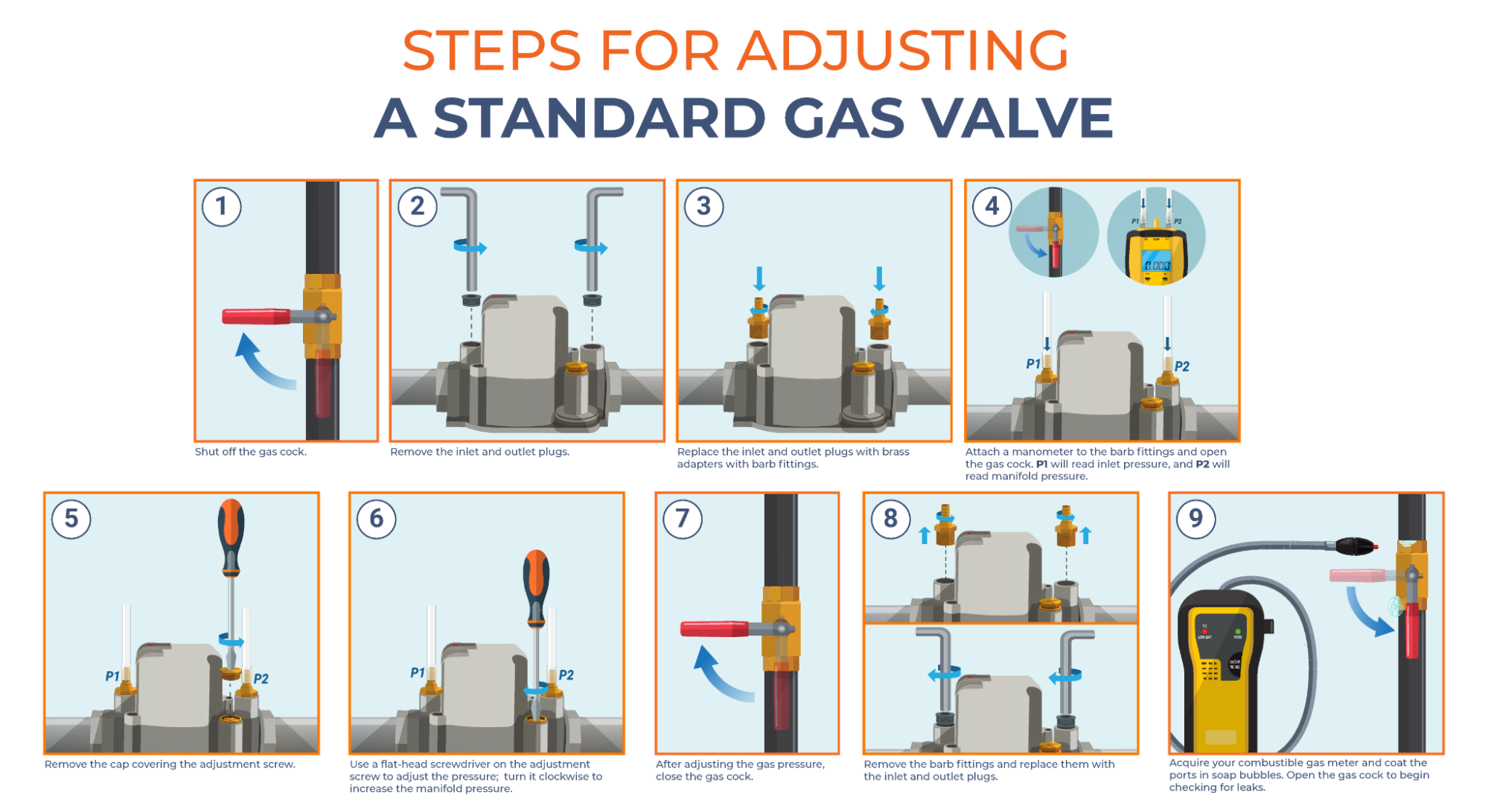
- You need to adjust the gas pressure regulator: The gas pressure regulator is a sensitive component that requires precise adjustments. Only a qualified technician should adjust it using a manometer.
- The furnace displays an error code related to gas pressure that you cannot resolve: Error codes often indicate a more complex problem that requires professional diagnosis.
- You have tried the DIY fixes and the furnace still isn't working properly: The problem may be more complex than you initially thought.
- You don't hear the gas valve click: Replacing a faulty gas valve is best left to the professionals.
- You aren't sure you have properly located the parts mentioned in the article: Incorrect repairs could be very dangerous.
- You do not know how to use a multi-meter or manometer: These are professional tools you are not required to use for the DIY repairs explained above.
Preventative Maintenance
Regular preventative maintenance can help prevent gas pressure problems and other furnace issues. Consider the following:
- Schedule annual furnace maintenance: A qualified HVAC technician can inspect and clean your furnace, check the gas pressure, and identify any potential problems before they become major issues.
- Change your air filter regularly: A clean air filter improves airflow and prevents the furnace from working harder than it needs to.
- Keep the area around the furnace clear: Ensure there's adequate ventilation around the furnace and that nothing is blocking the vents.
By understanding the basics of gas pressure and following these troubleshooting steps, you can address some common furnace problems yourself. However, always prioritize safety and call a qualified professional when needed. Regular maintenance will help keep your furnace running efficiently and safely for years to come.