Gas Sediment Trap For Water Heater

The Unsung Hero of Hot Water: Understanding Gas Sediment Traps for Water Heaters
When considering a new water heater, whether you're a homeowner replacing an aging unit, a real estate investor evaluating property systems, or a contractor advising clients, the focus often falls on tank size, energy efficiency, and brand reputation. However, one crucial component often overlooked is the gas sediment trap. This seemingly small device plays a vital role in the safe and efficient operation of your gas water heater. This guide will delve into the importance of gas sediment traps, their function, and why they're a non-negotiable part of any gas-powered water heating system.
What is a Gas Sediment Trap?
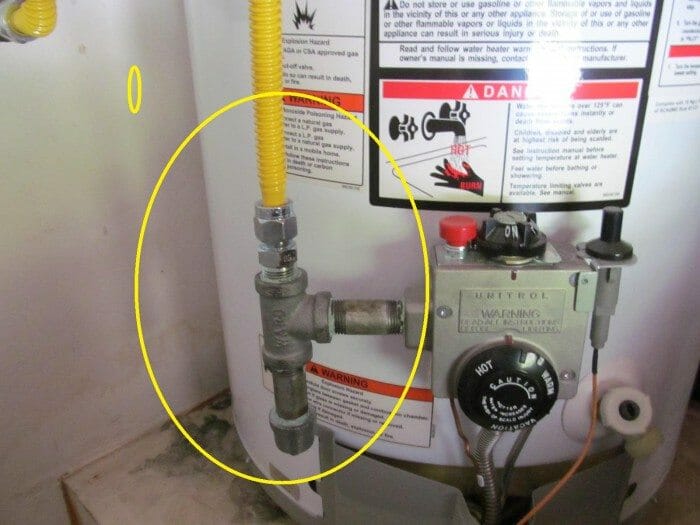
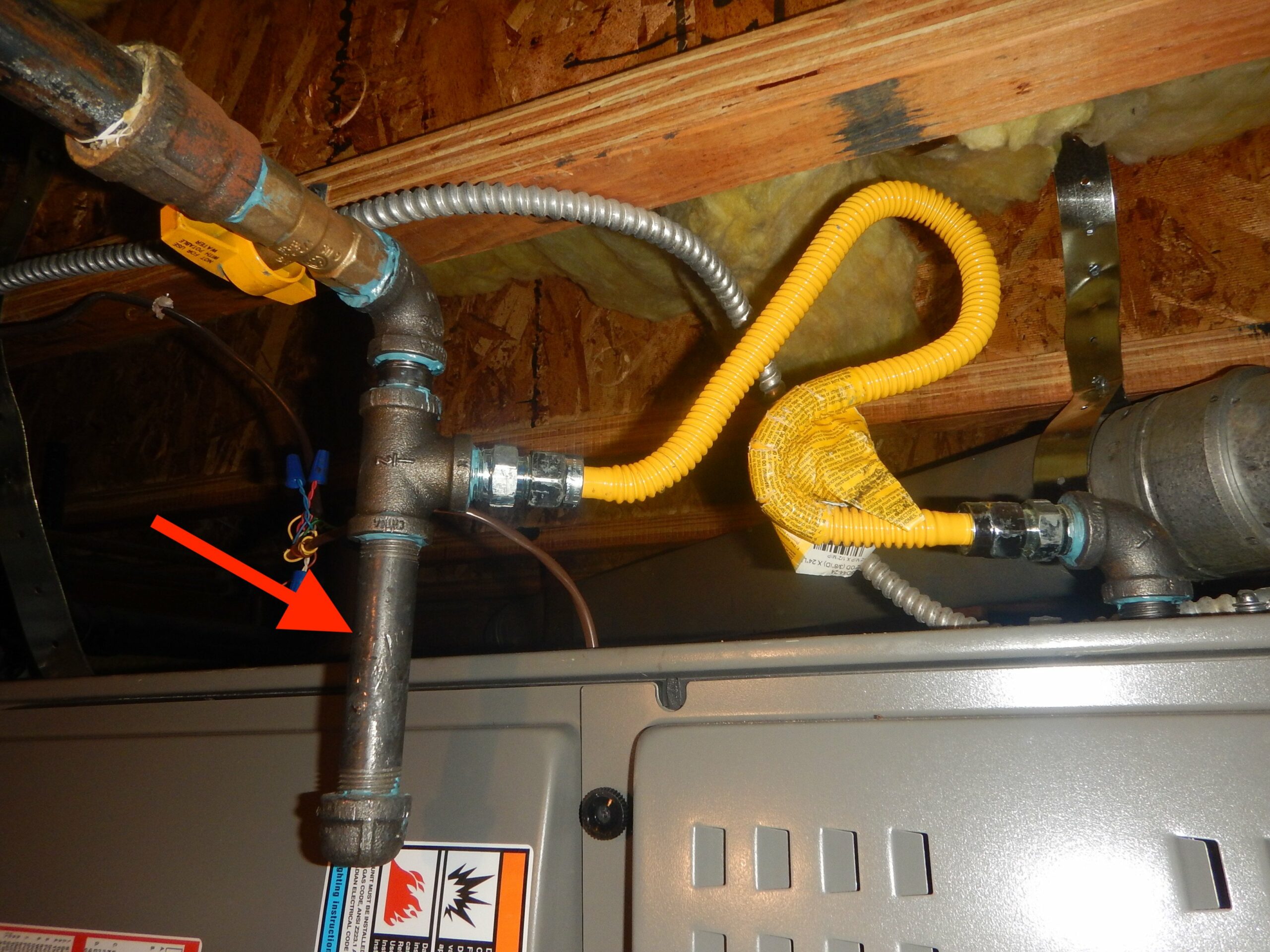
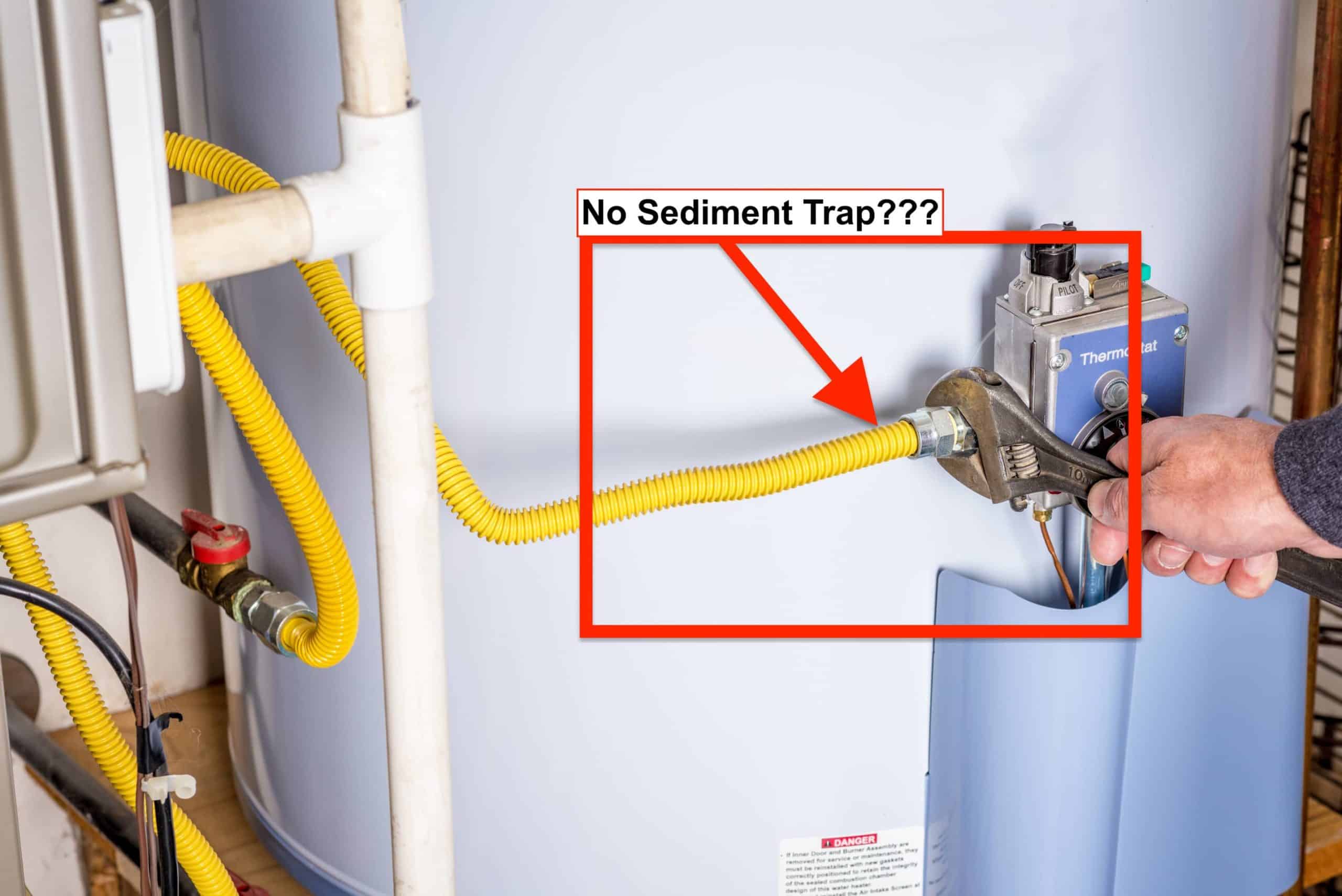
A gas sediment trap, also known as a drip leg, is a short section of piping installed on the gas supply line immediately before it connects to the water heater. Its primary purpose is to capture any debris, sediment, or moisture present in the gas line before it can enter the water heater's gas valve and burner assembly. These contaminants can wreak havoc on the sensitive components of the water heater, leading to reduced efficiency, malfunctions, and even safety hazards.
Why is a Gas Sediment Trap Necessary?
Natural gas, despite being a relatively clean fuel, can still carry impurities. These impurities can originate from various sources, including:
- Pipeline corrosion: Over time, the gas pipelines can corrode, releasing rust and other particulate matter.
- Construction debris: During pipeline construction or maintenance, debris can inadvertently enter the gas lines.
- Moisture: Condensation can form in the gas lines, especially during temperature fluctuations.
Without a sediment trap, these contaminants would flow directly into the water heater. This can lead to several problems:
- Clogged gas valve: Sediment can obstruct the gas valve, restricting gas flow and causing the water heater to operate inefficiently or even shut down completely.
- Damaged burner: Debris can interfere with the proper combustion process, leading to incomplete burning and increased carbon monoxide production.
- Reduced lifespan: The accumulation of sediment can accelerate the wear and tear on the water heater's components, shortening its lifespan.
- Safety hazards: A malfunctioning gas valve or burner can create a fire hazard or lead to gas leaks.
How Does a Gas Sediment Trap Work?
The design of a gas sediment trap is remarkably simple, yet highly effective. It typically consists of a vertical section of pipe, usually 3 inches long, capped at the bottom. The gas line enters the trap horizontally, allowing any sediment or moisture to fall into the capped section due to gravity. The clean gas then flows upward and into the water heater.
The trap acts as a reservoir, preventing the contaminants from reaching the water heater. Periodically, the trap needs to be cleaned to remove the accumulated debris. This is usually done by removing the cap at the bottom of the trap and flushing out the sediment.
Gas Sediment Trap: Installation and Maintenance
Installation:
Proper installation is crucial for the effective functioning of a gas sediment trap. It is always recommended to hire a licensed plumber or gas fitter for this task. The installation process typically involves the following steps:
- Shut off the gas supply: Before starting any work, the gas supply to the water heater must be completely shut off.
- Locate the gas line connection: Identify the point where the gas line connects to the water heater.
- Install the trap: The sediment trap is installed inline, immediately before the gas connection to the water heater. Ensure that the vertical section of the trap is oriented downwards.
- Check for leaks: After installation, use a gas leak detector or soapy water to check for any leaks around the connections.
Maintenance:
Regular maintenance is essential to ensure the sediment trap continues to function effectively. The frequency of cleaning depends on the quality of the gas supply and the amount of sediment present. As a general rule, it's recommended to clean the trap at least once a year. The cleaning process is relatively straightforward:
- Shut off the gas supply: As before, ensure the gas supply is completely shut off.
- Remove the cap: Carefully remove the cap at the bottom of the sediment trap.
- Flush out the sediment: Use a small brush or wire to dislodge any accumulated sediment. You can also use compressed air to blow out the debris.
- Reinstall the cap: Replace the cap tightly, ensuring a proper seal.
- Check for leaks: Use a gas leak detector or soapy water to check for any leaks around the cap.
- Turn on the gas supply: Slowly turn the gas supply back on.
Gas Sediment Trap: Cost and Where to Buy
Gas sediment traps are relatively inexpensive, typically costing between $10 and $30. They can be purchased at most hardware stores, plumbing supply stores, and online retailers like Amazon and Home Depot. When purchasing a sediment trap, ensure it is the correct size and type for your gas line. Most residential gas lines use a 1/2-inch or 3/4-inch pipe size.
Gas Sediment Trap: Legal Requirements
In many jurisdictions, the installation of a gas sediment trap is mandatory according to building codes and regulations. These codes are in place to ensure the safe and efficient operation of gas appliances. Failure to install a sediment trap where required can result in fines or even the denial of occupancy permits. Always check with your local building department to confirm the specific requirements in your area. You may also find code guidelines published by organizations like the International Code Council (ICC).
Choosing a Water Heater: Beyond the Sediment Trap
While the gas sediment trap is a vital safety component, it's essential to consider other factors when choosing a new water heater. Here's a brief overview of key considerations:
- Tank Size: Choose a tank size that meets your household's hot water demand. Consider the number of occupants and their typical hot water usage.
- Fuel Type: Decide between gas, electric, or propane. Gas water heaters generally offer lower operating costs, but electric models are often easier to install.
- Energy Efficiency: Look for water heaters with high energy factors (EF). A higher EF indicates greater energy efficiency and lower operating costs. Tankless water heaters, also known as on-demand water heaters, offer excellent energy efficiency as they only heat water when needed.
- Features: Consider features such as self-cleaning mechanisms, digital displays, and smart home integration.
- Warranty: Check the warranty offered by the manufacturer. A longer warranty provides greater peace of mind.
Popular Water Heater Brands and Models
Several reputable brands offer high-quality water heaters. Some popular brands include:
- Rheem: Known for their reliability and innovation, Rheem offers a wide range of gas and electric water heaters, including tankless models.
- Bradford White: Bradford White is a leading manufacturer of residential and commercial water heaters, known for their durability and performance.
- A.O. Smith: A.O. Smith offers a comprehensive range of water heaters, including gas, electric, and tankless options.
- Navien: Navien specializes in high-efficiency tankless water heaters, known for their advanced technology and energy savings.
When comparing models, pay attention to specifications such as BTU input (for gas models), recovery rate, and warranty terms. Look for models that are Energy Star certified to ensure optimal energy efficiency.
Common Water Heater Problems and Troubleshooting
Even with proper maintenance, water heaters can experience problems. Some common issues include:
- No hot water: This could be due to a tripped circuit breaker (for electric models), a faulty gas valve, or a broken heating element.
- Leaking tank: A leaking tank usually indicates corrosion and requires replacement.
- Rusty water: Rusty water can be caused by corrosion in the tank or pipes.
- Noisy operation: Banging or rumbling noises can indicate sediment buildup in the tank.
Before calling a plumber, try basic troubleshooting steps such as checking the circuit breaker, inspecting the gas valve, and flushing the tank. However, for complex repairs, it's always best to consult a qualified professional.
Conclusion: The Importance of a Gas Sediment Trap
In conclusion, the gas sediment trap is an essential component of any gas water heater system. It protects the water heater from harmful contaminants, ensuring its safe and efficient operation. By understanding the function of a sediment trap, homeowners, real estate investors, and contractors can make informed decisions about water heater installation and maintenance, ultimately prolonging the lifespan of the appliance and preventing costly repairs. Don't underestimate the importance of this small but mighty device – it's a crucial investment in the longevity and safety of your hot water system.