Gas Stove Flame Not Strong

Is Your Gas Stove Flame Weak? Troubleshooting & Saving Energy
A weak or inconsistent gas stove flame isn't just an inconvenience; it can significantly impact your cooking time and, more importantly, your energy bills. Whether you're a homeowner aiming to minimize utility costs, a business owner transitioning to sustainable practices, or an HVAC contractor offering energy-efficient solutions, understanding the causes and fixes for this common problem is crucial. This article will guide you through the troubleshooting process, highlighting energy-saving benefits and potential cost savings along the way.
Understanding the Energy Impact of a Weak Flame
A weak gas stove flame means it takes longer to heat pots and pans, leading to extended burner usage and increased gas consumption. This translates directly into higher energy bills. Consider this: a consistently weak flame on even just one burner can add up to several dollars each month. For businesses running multiple gas stoves throughout the day, the impact can be much more substantial.
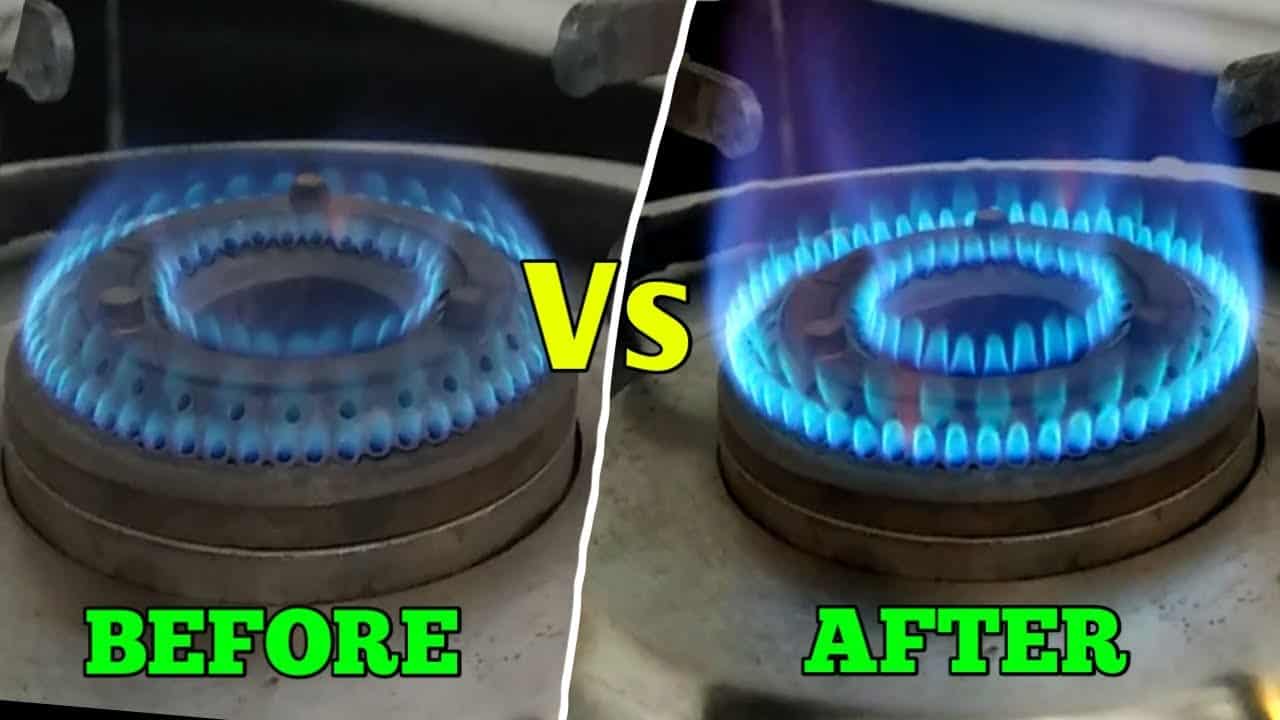
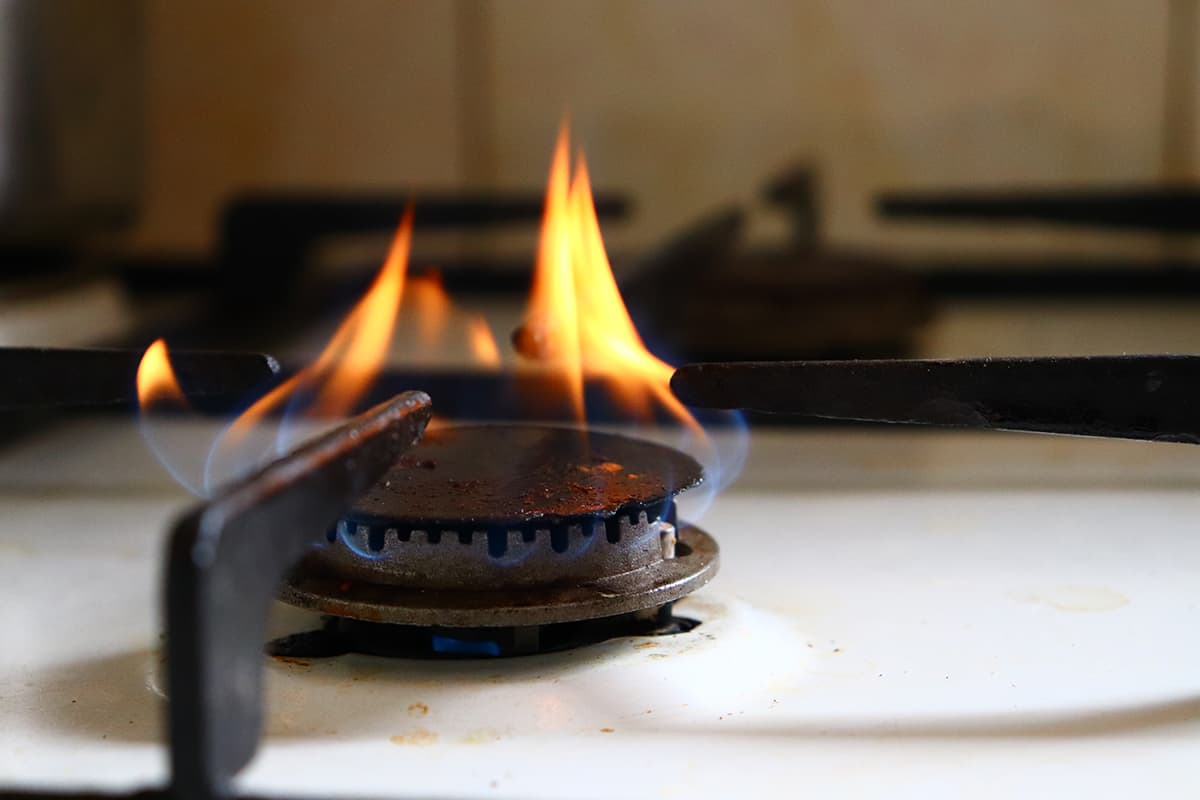
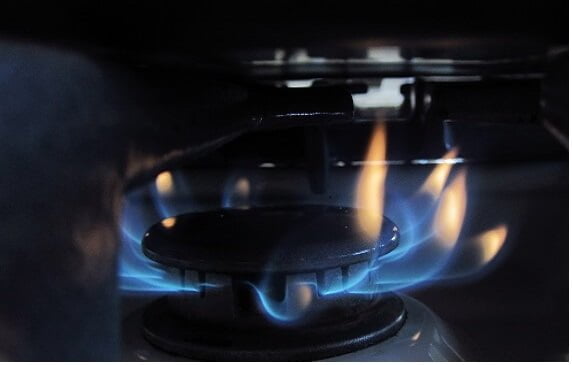
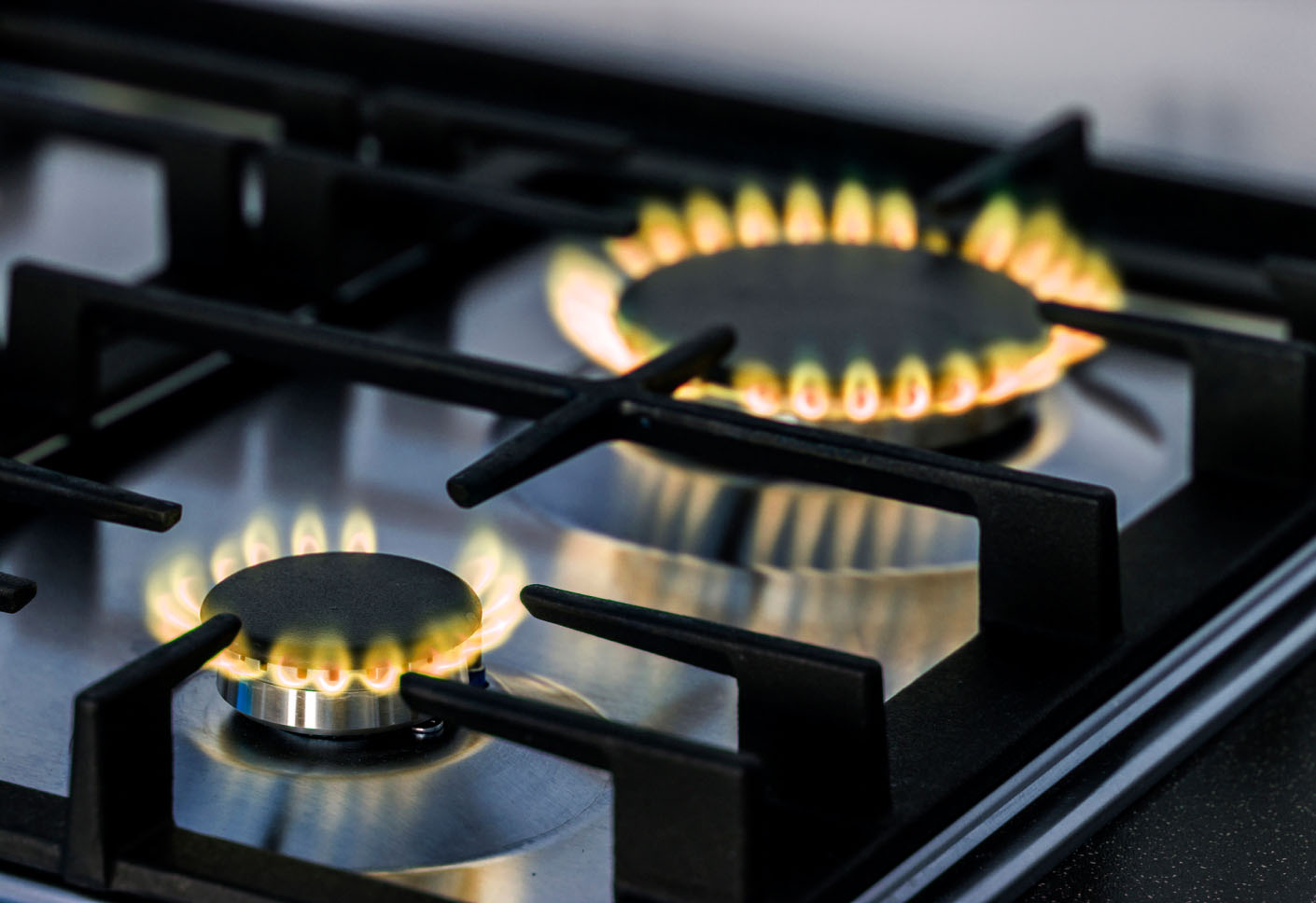
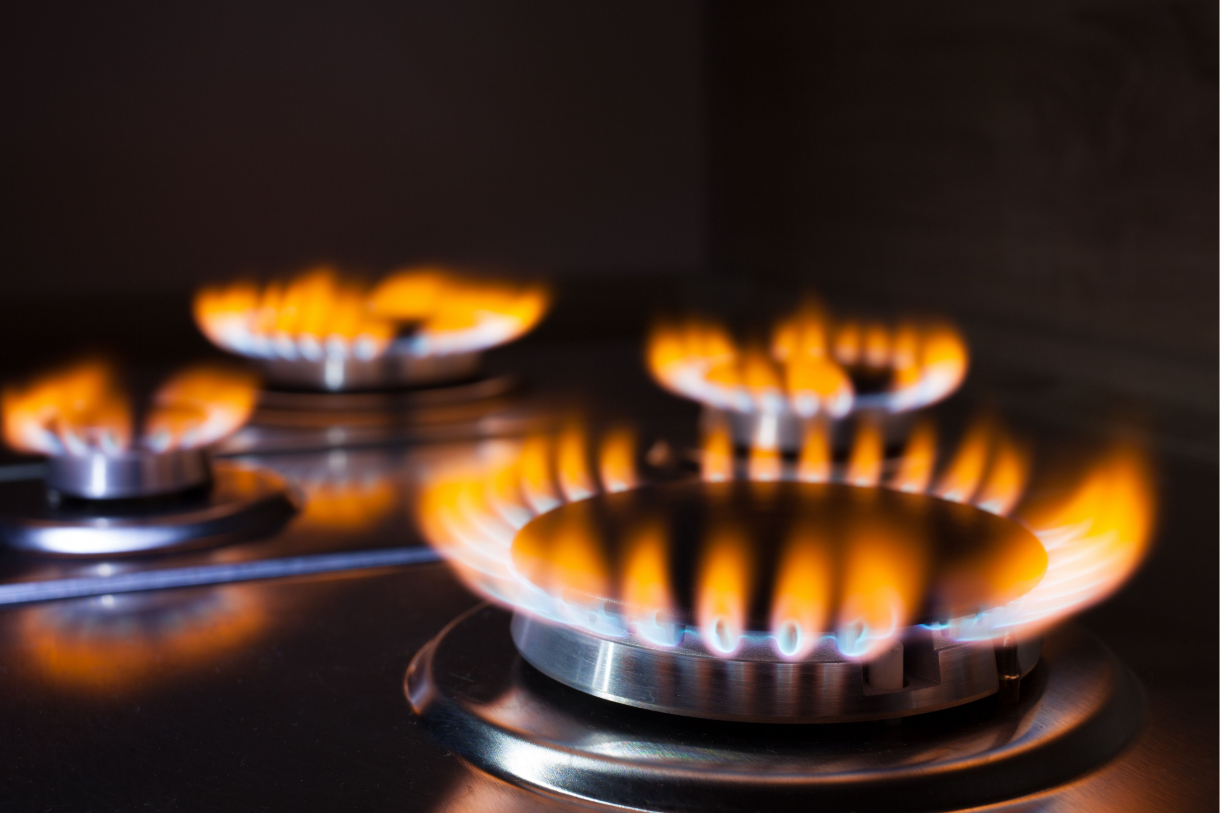
Beyond the financial aspect, inefficient gas combustion can also release more pollutants into your home. A properly adjusted flame burns with a clean blue color, indicating complete combustion. A yellow or orange flame, often associated with a weak flame, suggests incomplete combustion, releasing carbon monoxide and other potentially harmful substances.
Troubleshooting a Weak Gas Stove Flame
Before calling a technician, there are several steps you can take to diagnose and potentially resolve the issue yourself. Remember to always prioritize safety by turning off the gas supply to the stove before performing any maintenance.
1. Check the Burner Ports
Problem: Clogged burner ports are the most common culprit behind weak gas stove flames. Food debris, grease, and spills can accumulate and obstruct the flow of gas, resulting in an uneven and weak flame.
Solution:
- Cleaning: Turn off the gas and allow the stove to cool completely. Remove the burner grates and burner caps. Use a stiff brush (an old toothbrush works well) or a wire brush specifically designed for cleaning gas burners to scrub away any debris from the burner ports.
- Unclogging: Use a needle, a thin wire, or a sewing needle to carefully clear each individual port. Be gentle to avoid damaging the burner.
- Washing: Wash the burner caps with warm, soapy water. Rinse thoroughly and allow them to dry completely before reassembling.
2. Inspect the Burner Cap
Problem: The burner cap sits on top of the burner and helps distribute the gas evenly. If it's misaligned, damaged, or dirty, it can disrupt the flame.
Solution:
- Alignment: Ensure the burner cap is properly seated on the burner. Many caps have notches or markings that indicate the correct alignment.
- Cleaning: Clean the burner cap with warm, soapy water. Remove any grease or food particles that might be blocking the gas flow.
- Replacement: If the burner cap is cracked or warped, it needs to be replaced. You can typically find replacement burner caps online or at appliance parts stores.
3. Examine the Gas Supply
Problem: Low gas pressure can also cause a weak flame. This could be due to a problem with the gas supply line, the regulator, or even issues with your gas company.
Solution:
- Check Other Appliances: Are other gas appliances in your home, such as your water heater or furnace, also experiencing low gas pressure? If so, the problem may be with the main gas supply and requires professional attention.
- Gas Shut-Off Valve: Ensure the gas shut-off valve for the stove is fully open.
- Regulator Issues: If you suspect a problem with the gas regulator, do not attempt to fix it yourself. This is a dangerous task that should only be performed by a qualified gas technician.
4. Look at the Spark Igniter
Problem: While not directly responsible for a weak flame, a malfunctioning spark igniter can make it difficult to light the burner in the first place. You may have to hold the knob longer, releasing more gas than necessary, which can seem like a weak flame.
Solution:
- Cleaning: Clean the spark igniter with a dry cloth to remove any dirt or grease.
- Testing: If the igniter is not sparking at all, check the electrical connection. If the connection is good, the igniter may need to be replaced.
5. Address the Gas Regulator
Problem: A faulty gas regulator may be the reason for a flame that isn't strong enough. Located on the gas line where it enters the stove, it ensures consistent pressure.
Solution:
- Inspection: Examine the regulator for signs of damage such as rust or leaks. If visible signs are there, the regulator needs replacement.
- Professional Help: Regulator repairs should always be performed by a trained gas technician. If you are not comfortable working with gas lines, always hire professional help.
Energy Savings and ROI
Addressing a weak gas stove flame isn't just about convenience; it's about saving money and reducing your environmental impact. Here's a breakdown of the potential benefits:
- Reduced Gas Consumption: A properly functioning burner uses gas more efficiently, leading to lower monthly bills.
- Faster Cooking Times: A stronger flame means food cooks faster, saving you time and energy.
- Lower Carbon Footprint: Efficient combustion reduces the amount of greenhouse gases released into the atmosphere.
The ROI on fixing a weak gas stove flame can be surprisingly high. In many cases, the cost of cleaning the burner ports or replacing a burner cap is minimal compared to the long-term savings on gas bills. Furthermore, maintaining your gas stove in good working order can extend its lifespan, further reducing your overall appliance costs.
Smart Home Integration for Enhanced Energy Efficiency
While you can't directly connect your gas stove to a smart home system in the same way you can with electric appliances, smart home technologies can still play a role in maximizing energy efficiency in your kitchen. Consider the following:
- Smart Thermostats: Integrate your kitchen thermostat with a whole-home smart thermostat system. This allows you to automatically adjust the temperature when the stove is in use, preventing overheating and minimizing energy waste. Look for Energy Star certified smart thermostats for optimal performance.
- Smart Sensors: Install occupancy sensors in your kitchen to automatically turn off lights when the room is not in use. This can further reduce your energy consumption.
- Energy Monitoring: Use smart plugs and energy monitoring systems to track your overall energy usage and identify areas where you can save money.
HVAC Contractor Opportunities
For HVAC contractors, promoting energy-efficient gas stove maintenance and repair can be a valuable service offering. Here are some ways to leverage this opportunity:
- Offer Gas Stove Tune-Ups: Include gas stove cleaning and inspection as part of your routine HVAC maintenance packages.
- Promote Energy-Saving Tips: Educate your clients on the benefits of proper gas stove maintenance and how it can reduce their energy bills.
- Partner with Appliance Repair Companies: Collaborate with local appliance repair companies to offer comprehensive home energy audits and efficiency upgrades.
- Highlight Rebates and Incentives: Stay up-to-date on local and federal rebates and incentives for energy-efficient appliance upgrades and promote these opportunities to your clients. Many states offer programs to help homeowners finance energy-efficient appliance upgrades, often with attractive interest rates. These incentives can significantly reduce the upfront cost of upgrading to a more energy-efficient model.
When to Call a Professional
While many gas stove flame issues can be resolved with simple DIY troubleshooting, there are situations where it's best to call a qualified appliance repair technician or HVAC professional. These include:
- Suspected Gas Leak: If you smell gas, immediately evacuate your home and call your gas company or 911.
- Complex Repairs: If you're not comfortable working with gas lines or electrical components, it's best to leave the repairs to a professional.
- Persistent Problems: If you've tried the troubleshooting steps above and the problem persists, it's likely there's a more serious issue that requires professional diagnosis and repair.
Regular maintenance and timely repairs are crucial for ensuring the safe and efficient operation of your gas stove. By addressing a weak flame promptly, you can save money, reduce your environmental impact, and enjoy a more enjoyable cooking experience. Remember to prioritize safety and seek professional help when needed.