Gas Valve For A Goodman Furnace
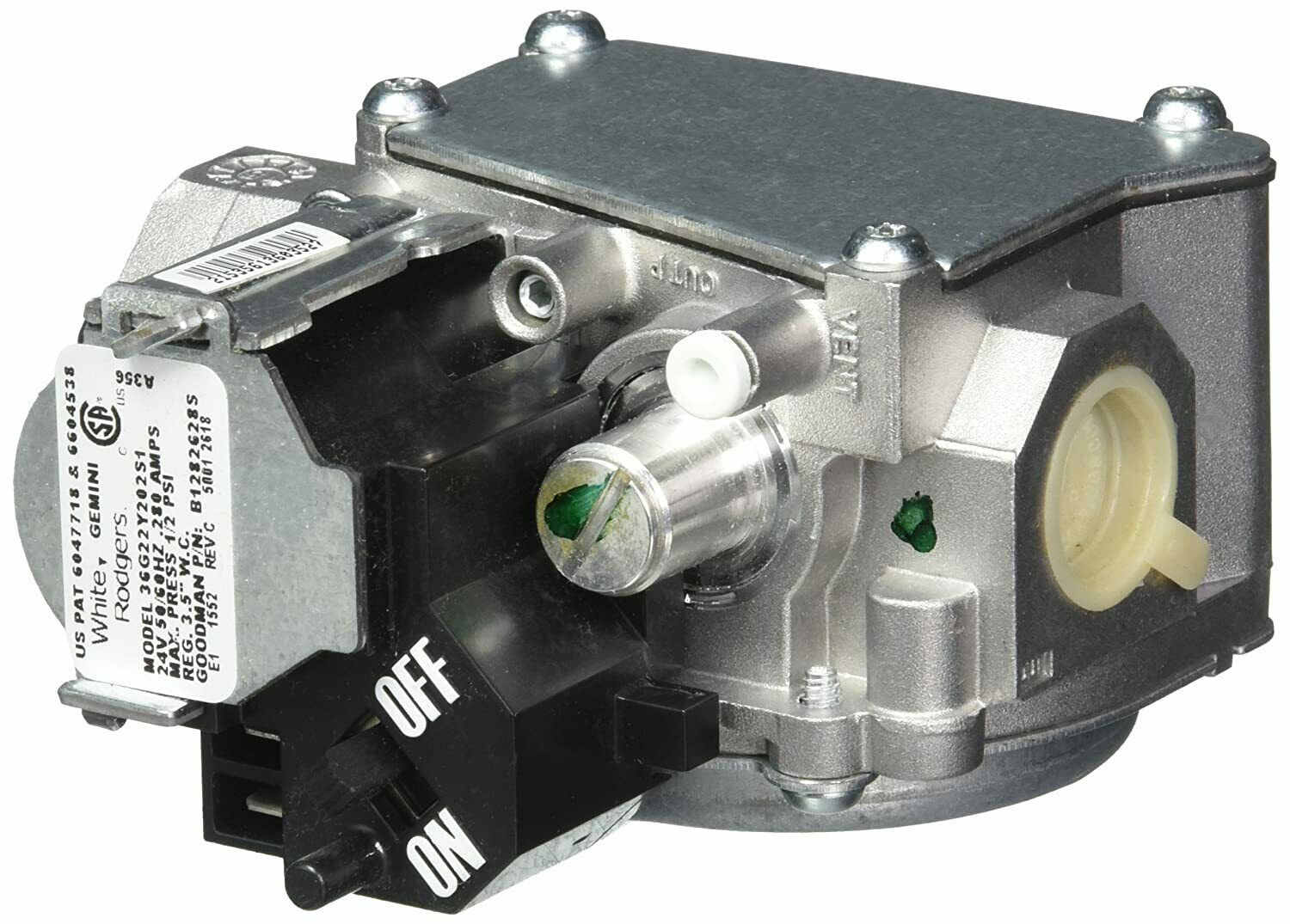
Imagine waking up on a chilly morning, expecting the comforting warmth of your Goodman furnace, only to find it's blowing cold air. A common culprit behind this discomfort is often a malfunctioning gas valve. This article provides a structured approach to troubleshooting your Goodman furnace gas valve, helping you identify potential issues and attempt basic DIY fixes safely. Remember, gas and electricity can be dangerous. If you're uncomfortable at any point, or the problem is beyond your skill level, immediately contact a qualified HVAC technician.
Understanding the Gas Valve's Role
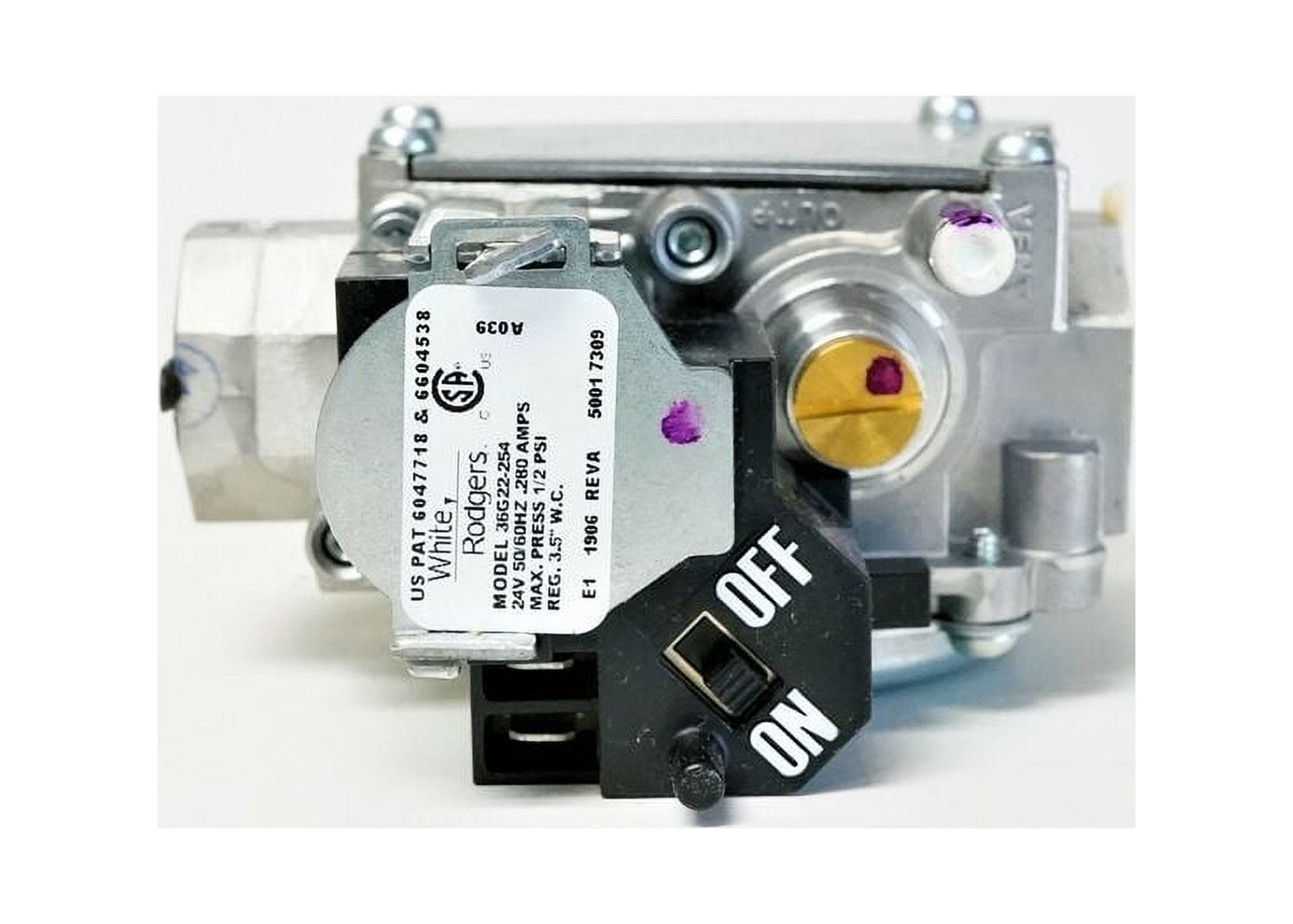
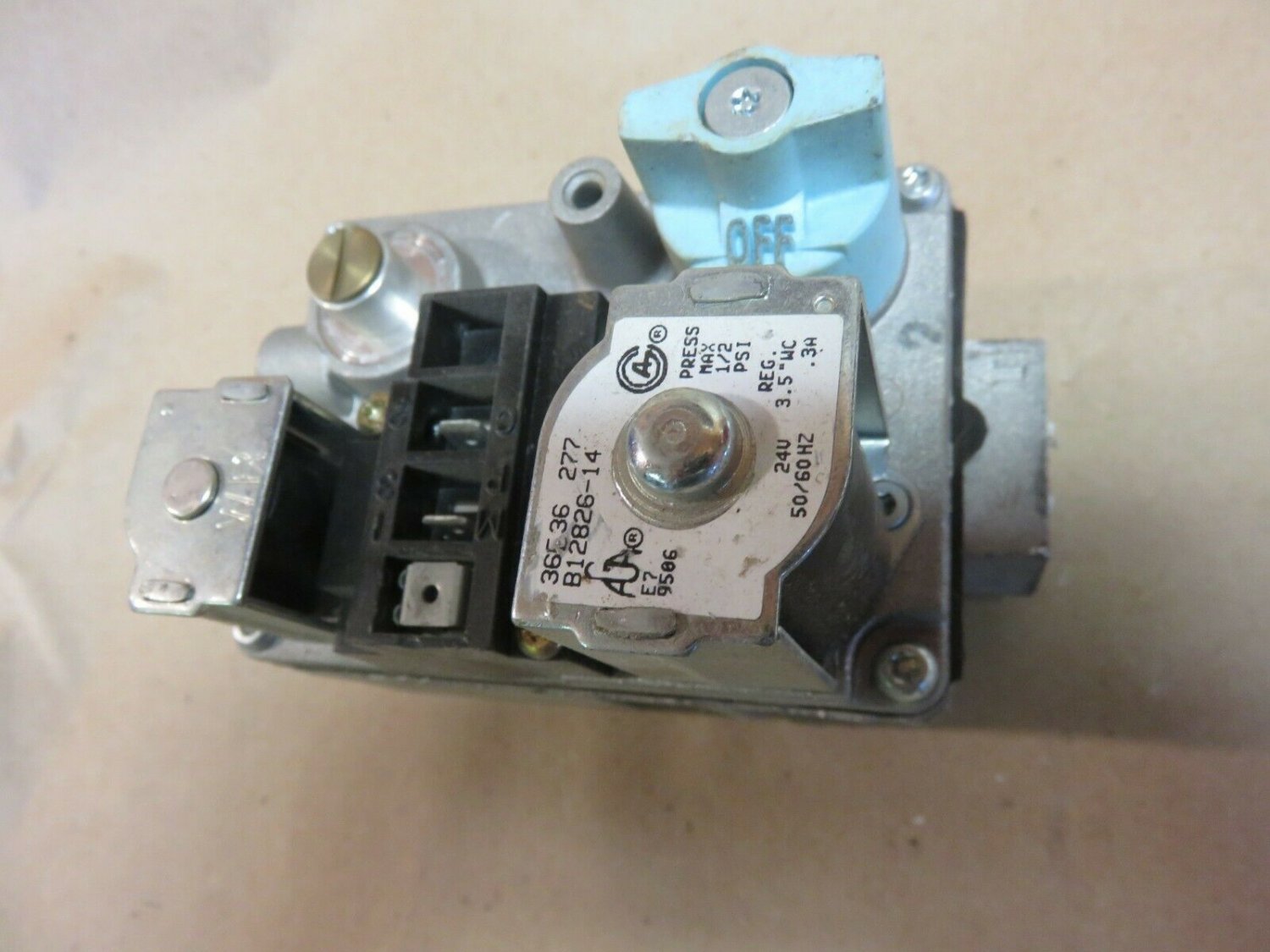
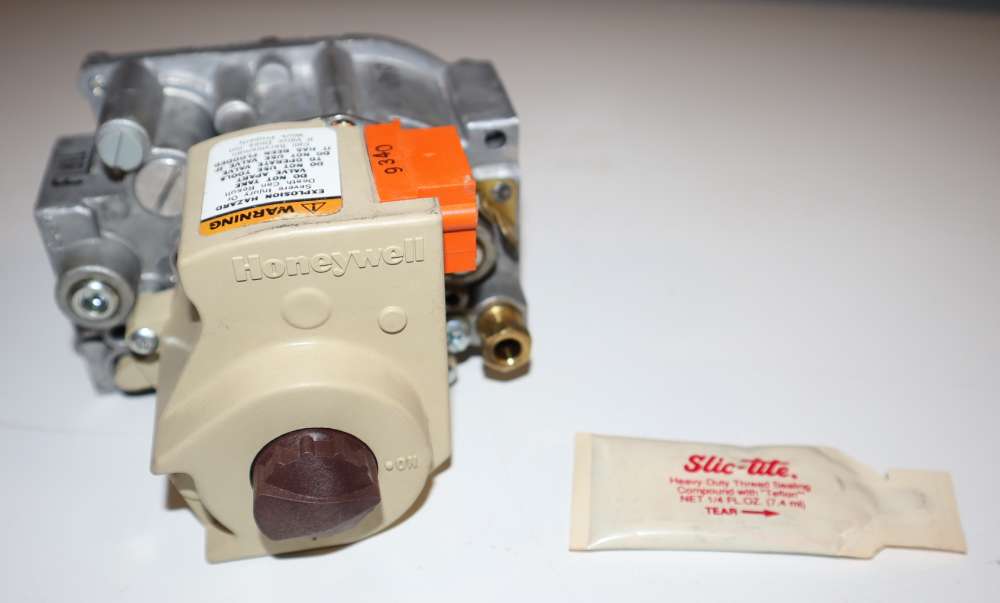
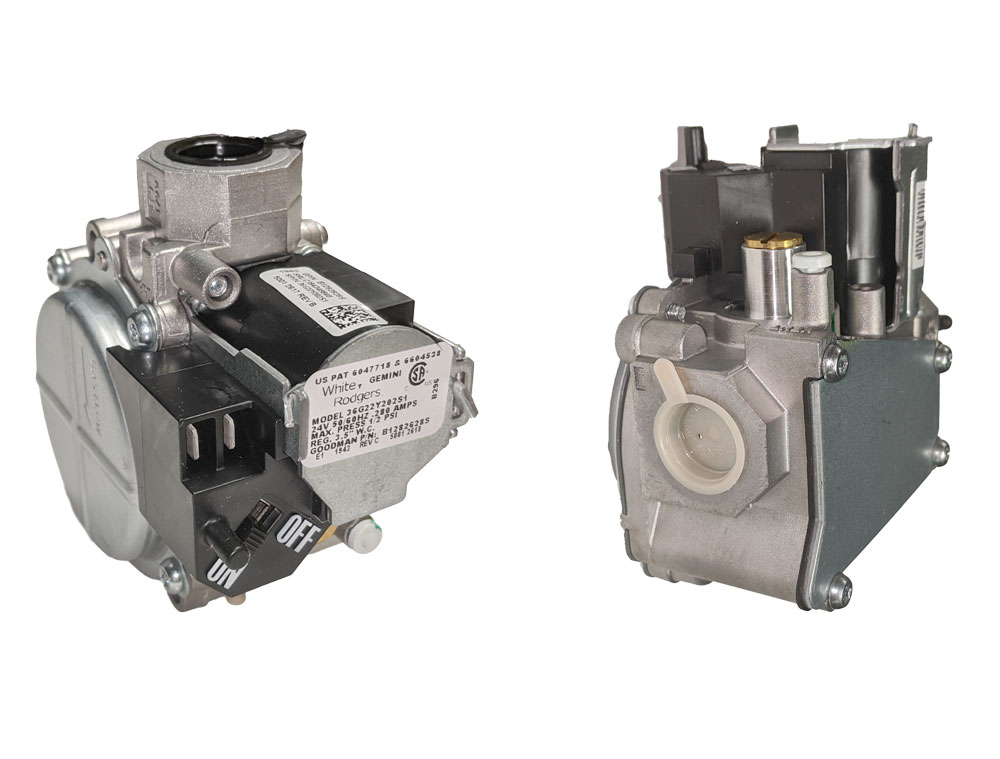
The gas valve is a critical component in your furnace. It's essentially a sophisticated on/off switch for the gas supply. When your thermostat calls for heat, the control board sends a signal to the gas valve to open, allowing gas to flow to the burners for combustion. If the valve fails to open or close properly, your furnace won't produce heat or might operate unsafely.
Safety First!
Before attempting any troubleshooting, prioritize safety:
- Turn off the furnace power: Locate the breaker switch in your electrical panel labeled "Furnace" or "HVAC" and switch it to the "off" position.
- Turn off the gas supply: Find the gas shut-off valve on the gas line leading to your furnace (usually a yellow handle). Turn it perpendicular to the pipe to shut off the gas supply.
- Ventilate the area: Open windows and doors to ensure good ventilation.
- No smoking or open flames: Ensure there are no ignition sources nearby.
- Carbon monoxide detector: Ensure your carbon monoxide detector is functioning correctly.
If you smell gas at any point, immediately evacuate the premises and call your gas company from a safe location.
Step-by-Step Troubleshooting Guide
1. Preliminary Checks: Is the Obvious Overlooked?
Sometimes, the issue isn't the gas valve itself but something simpler.
- Thermostat Settings: Ensure your thermostat is set to "heat" and the temperature is set high enough to trigger the furnace. Make sure the batteries are fresh, if your thermostat uses them.
- Power Supply: Double-check that the furnace breaker hasn't tripped. Reset it if necessary.
- Emergency Shut-Off Switch: Many furnaces have an emergency shut-off switch (often near the furnace or on a nearby wall). Ensure it's in the "on" position.
- Air Filter: A clogged air filter restricts airflow, which can cause the furnace to overheat and shut down, preventing the gas valve from opening. Replace the air filter if it's dirty.
2. Checking for Error Codes
Modern Goodman furnaces often have diagnostic LEDs or digital displays that show error codes. These codes can provide valuable clues about the problem.
- Locate the Control Board: This is usually a green circuit board inside the furnace cabinet. Refer to your furnace's manual to find its exact location.
- Identify the Error Code: Look for flashing LEDs or a digital display showing a code (e.g., "31," "flame rollout").
- Consult the Manual: Your furnace manual will list the meaning of each error code and potential solutions. Always refer to the specific manual for your Goodman furnace model. Common gas valve-related error codes might indicate issues with flame sensing, gas pressure, or valve operation.
- Resetting the Furnace: Some error codes can be cleared by turning off the furnace power for a few minutes and then turning it back on.
3. Visual Inspection of the Gas Valve and Surrounding Components
A careful visual inspection can sometimes reveal obvious problems.
- Look for Burn Marks or Damage: Check the gas valve, wires, and surrounding components for any signs of burning, melting, or physical damage.
- Check for Loose Connections: Inspect the electrical connections to the gas valve for any loose or corroded wires. Gently wiggle the wires to ensure they're securely attached. Before touching any wires, make sure the power is OFF.
- Check Gas Line for Leaks: Apply a soap and water solution to gas line connections. If bubbles appear, there's a leak. Do not attempt to repair gas line leaks yourself. Contact a qualified professional immediately.
- Pilot Light (if applicable): Some older Goodman furnaces have a pilot light. Ensure the pilot light is lit and burning steadily. If it's out, follow the manufacturer's instructions to relight it. If it won't stay lit, the thermocouple (a sensor that detects the pilot flame) may be faulty and need replacement – this is usually a professional task. Modern furnaces usually have electronic ignition and don't have a pilot light.
4. Testing Voltage to the Gas Valve (Advanced - Proceed with Caution!)
This step involves working with electricity and should only be attempted if you are comfortable and familiar with using a multimeter and understanding electrical safety. If not, call a professional.
The gas valve needs voltage to open. You can use a multimeter to check if it's receiving the correct voltage when the thermostat calls for heat.
- Turn the Furnace Power Back On: Carefully turn the furnace power back on at the breaker.
- Set Thermostat to Heat: Set your thermostat to a temperature higher than the current room temperature to call for heat.
- Locate the Gas Valve Terminals: Identify the terminals on the gas valve where the wires connect. Refer to your furnace's wiring diagram if needed.
- Set Multimeter to AC Voltage: Set your multimeter to measure AC voltage (usually around 24 VAC).
- Test Voltage: Carefully place the multimeter probes on the gas valve terminals. When the thermostat calls for heat, you should read approximately 24 VAC.
- No Voltage or Incorrect Voltage: If you don't read any voltage or the voltage is significantly lower than expected, the problem could be with the control board, wiring, or a safety switch. This likely requires professional diagnosis and repair.
- Voltage Present, But No Gas: If you are reading 24 VAC to the valve and it still doesn't open, it's possible the gas valve itself is faulty and needs to be replaced. Gas valve replacement is generally best left to a qualified technician.
- Turn off the Furnace Power: Once you've completed the test, turn off the furnace power again at the breaker.
5. Inspecting the Flame Sensor
The flame sensor is a thin metal rod located near the burner. It detects the presence of a flame and signals the control board to keep the gas valve open. A dirty flame sensor can cause the gas valve to shut off prematurely.
- Locate the Flame Sensor: It's usually a single metal rod positioned to be enveloped by the flame when the burners are lit.
- Remove the Flame Sensor: Carefully remove the flame sensor. It's usually held in place by a single screw.
- Clean the Flame Sensor: Use a piece of fine-grit sandpaper or steel wool to gently clean the rod, removing any carbon buildup.
- Reinstall the Flame Sensor: Reinstall the flame sensor securely.
- Test the Furnace: Turn the furnace power back on and test the furnace.
If the furnace still shuts down shortly after ignition, the flame sensor might be faulty and need replacement. Replacing a flame sensor is a relatively simple DIY task, but ensure you purchase the correct replacement part for your furnace model.
6. Checking Gas Pressure (Advanced - Leave to Professionals!)
Checking and adjusting gas pressure is a complex and potentially dangerous task that requires specialized tools and knowledge. It should only be performed by a qualified HVAC technician or gas fitter. Incorrect gas pressure can lead to inefficient furnace operation, safety hazards, and damage to the furnace.
Gas pressure testing involves connecting a manometer to the gas line and measuring the gas pressure while the furnace is operating. The pressure must be within the manufacturer's specified range. Adjustments to the gas pressure regulator may be necessary, which should only be done by a professional.
When to Call a Professional
While some basic troubleshooting steps can be performed by homeowners, certain repairs should always be left to qualified professionals:
- Gas Leaks: Any suspected gas leak requires immediate attention from your gas company.
- Gas Valve Replacement: Replacing a gas valve involves working with gas lines and electrical connections, making it a potentially dangerous task.
- Control Board Issues: Diagnosing and repairing control board problems often requires specialized knowledge and equipment.
- Gas Pressure Adjustments: As mentioned earlier, gas pressure adjustments should only be performed by a qualified technician.
- Complex Wiring Issues: Any complicated electrical wiring problems should be handled by a professional electrician or HVAC technician.
- If you are uncomfortable: If at any time you feel unsure or uncomfortable performing a task, call a professional. It's better to be safe than sorry.
Preventive Maintenance
Regular maintenance can help prevent gas valve and other furnace problems.
- Annual Furnace Tune-Up: Schedule an annual furnace tune-up with a qualified HVAC technician. This includes cleaning, inspection, and testing of all components, including the gas valve.
- Regular Air Filter Replacement: Replace your air filter every 1-3 months, depending on the type of filter and the amount of dust in your home.
- Keep Furnace Area Clean: Keep the area around your furnace free of debris and obstructions.
Final Thoughts
Troubleshooting a Goodman furnace gas valve can be a manageable task with a systematic approach. By following the steps outlined in this guide and prioritizing safety, you can potentially identify and resolve minor issues yourself. However, remember that gas and electricity are dangerous, and complex repairs should always be left to qualified professionals. Proper maintenance is key to ensuring the long life and safe operation of your furnace. Always consult your Goodman furnace's owner's manual for specific instructions and safety precautions related to your model.