Gas Valve On Or Off Fireplace
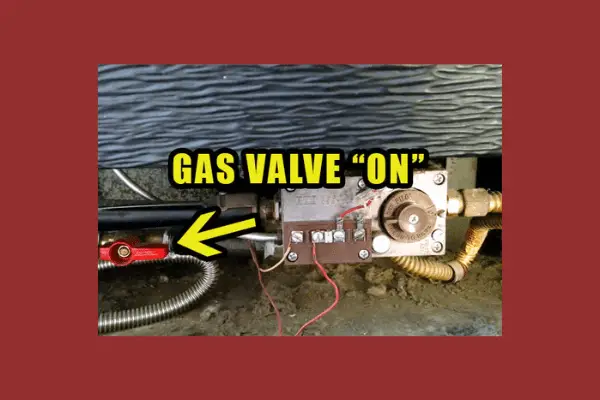
Many homeowners enjoy the warmth and ambiance of a gas fireplace. However, frustration can quickly arise when your fireplace refuses to ignite. A common culprit is the gas valve, and determining whether it's in the "on" or "off" position, and if it's functioning correctly, is a crucial first step in troubleshooting. This guide will walk you through diagnosing the issue and attempting some simple, safe DIY fixes. Remember, safety is paramount. If you're uncomfortable at any point, call a qualified technician.
Understanding Your Gas Valve
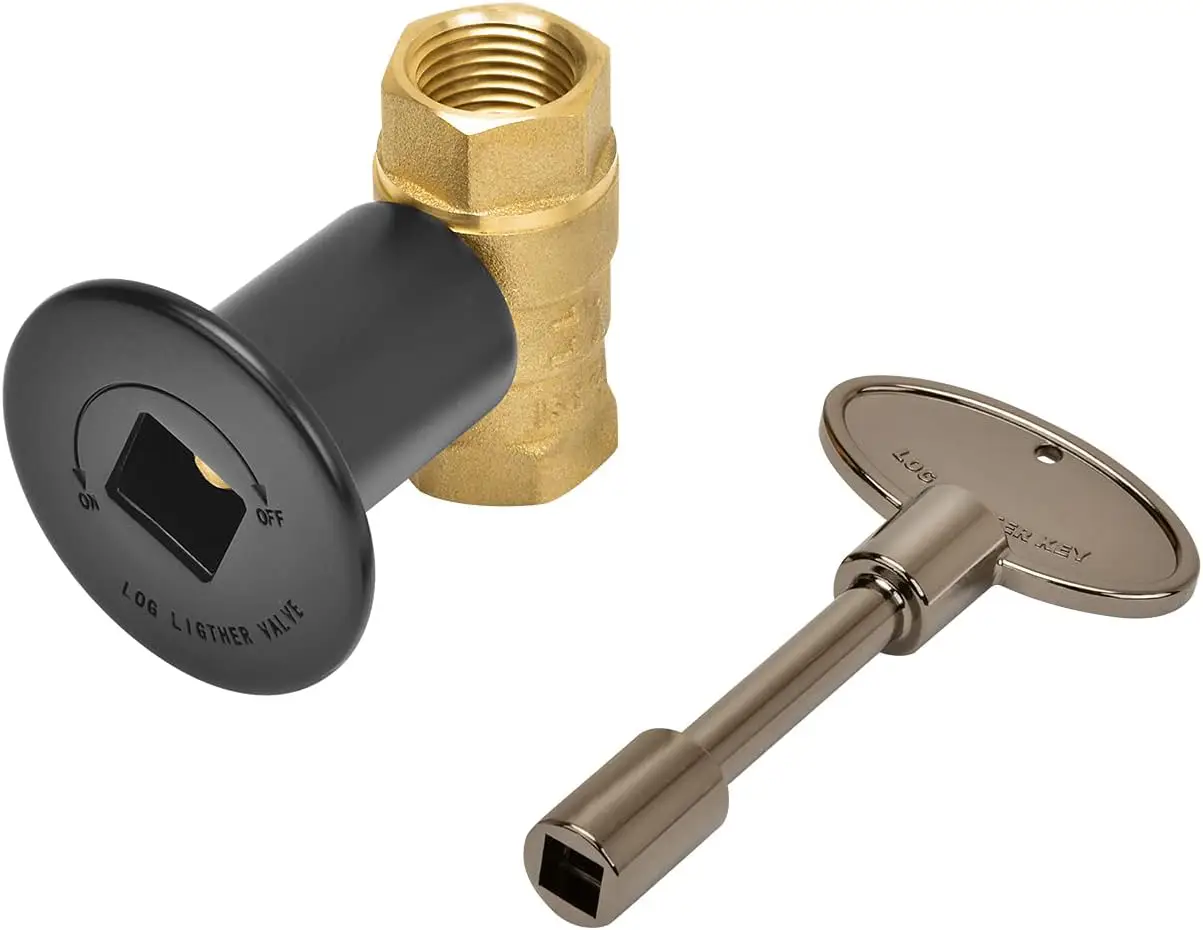
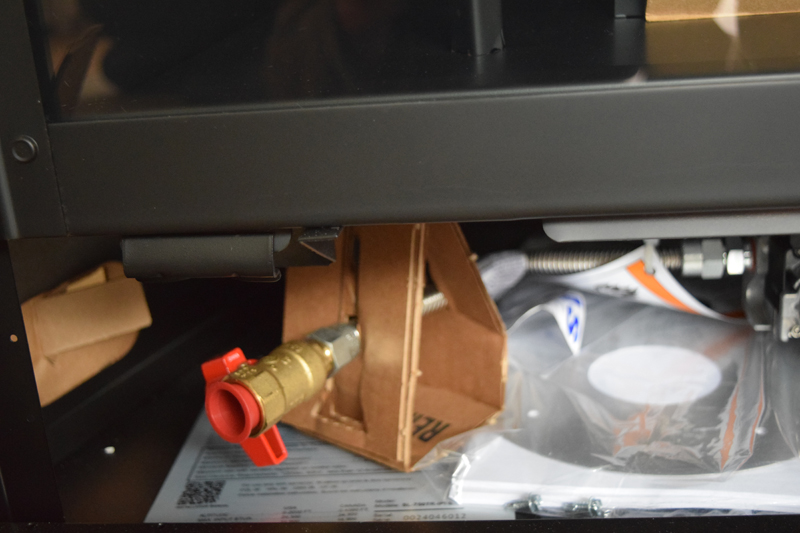
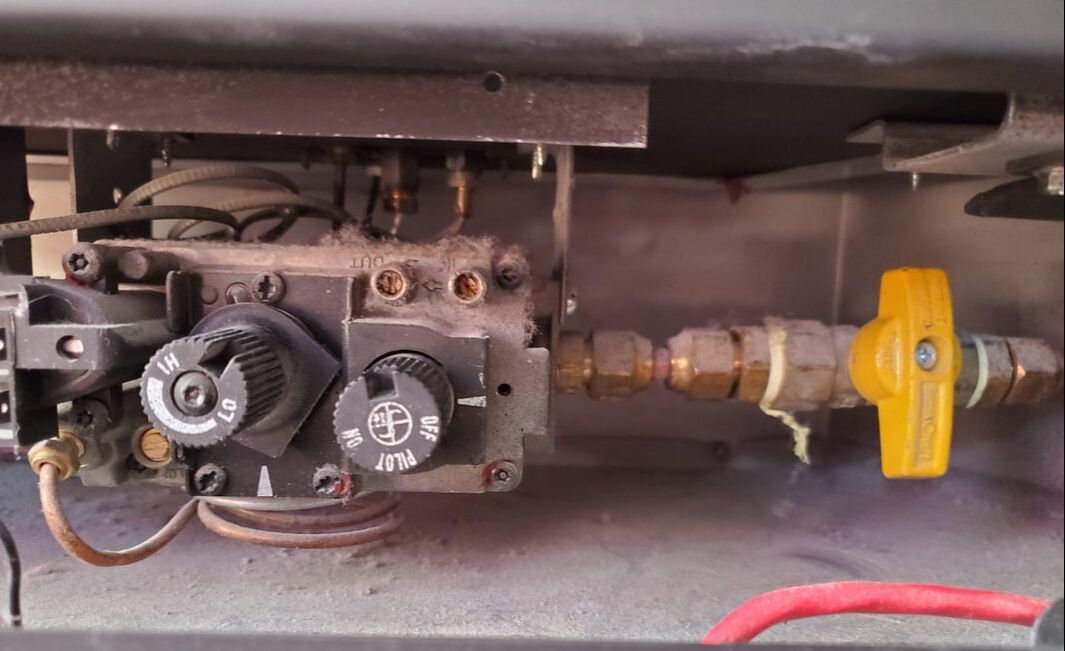
Before diving in, let's familiarize ourselves with the typical gas valve setup. Most gas fireplaces have a manual shut-off valve located near the fireplace itself, usually on the gas line. This valve is typically a quarter-turn valve, meaning it only rotates 90 degrees. When the handle is parallel to the gas line, the valve is open (on). When the handle is perpendicular to the gas line, the valve is closed (off).
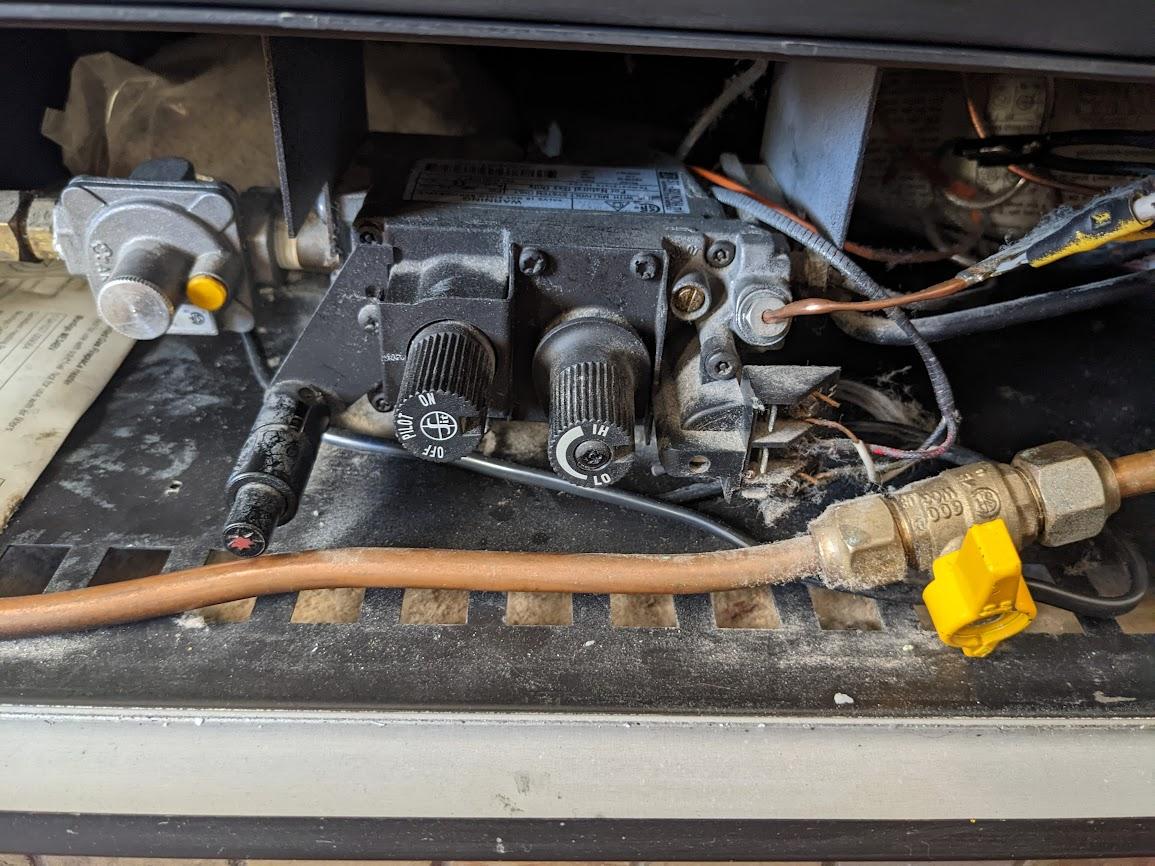
In addition to the manual shut-off, there's usually a control valve within the fireplace unit itself. This valve is often controlled by a knob or switch and is responsible for regulating the gas flow to the burner once the pilot light is lit (or, in newer units, initiating electronic ignition).
Common Problem: The Fireplace Won't Light
The most common scenario is that you attempt to light your gas fireplace, but nothing happens. The pilot light might not ignite, or the main burner might fail to engage after the pilot is lit.
Step-by-Step Troubleshooting: Gas Valve On Or Off?
Follow these steps to diagnose the issue:
Step 1: Verify the Main Gas Supply
Crucially, before you do anything else, ensure your main gas supply to the house is on. Check other gas appliances (like your stove or water heater) to see if they are functioning. If none of your gas appliances are working, the problem lies with your main gas supply, and you should contact your gas company immediately. Do not attempt any further troubleshooting on the fireplace itself.
Step 2: Check the Manual Shut-Off Valve
Locate the manual shut-off valve near your fireplace. Is the handle parallel or perpendicular to the gas line? If it's perpendicular, the valve is off. Turn it so that the handle is parallel to the gas line to turn it on.
Important: Turn the valve slowly and listen for any hissing sounds. If you smell gas, immediately turn the valve back off, evacuate the area, and call your gas company or a qualified technician. Do not use any electrical switches or devices as you leave, as they could create a spark.
Step 3: Check the Fireplace Control Valve
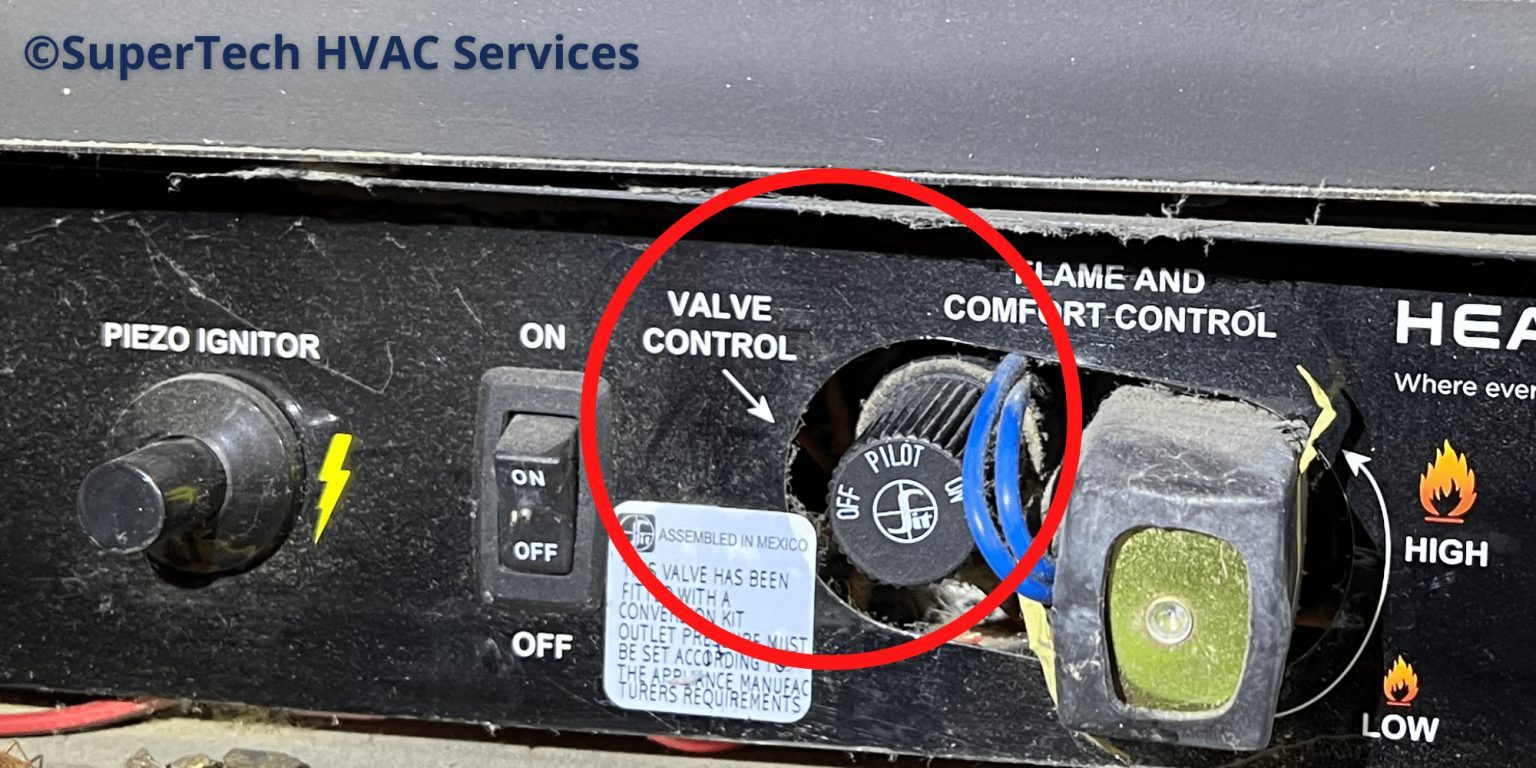
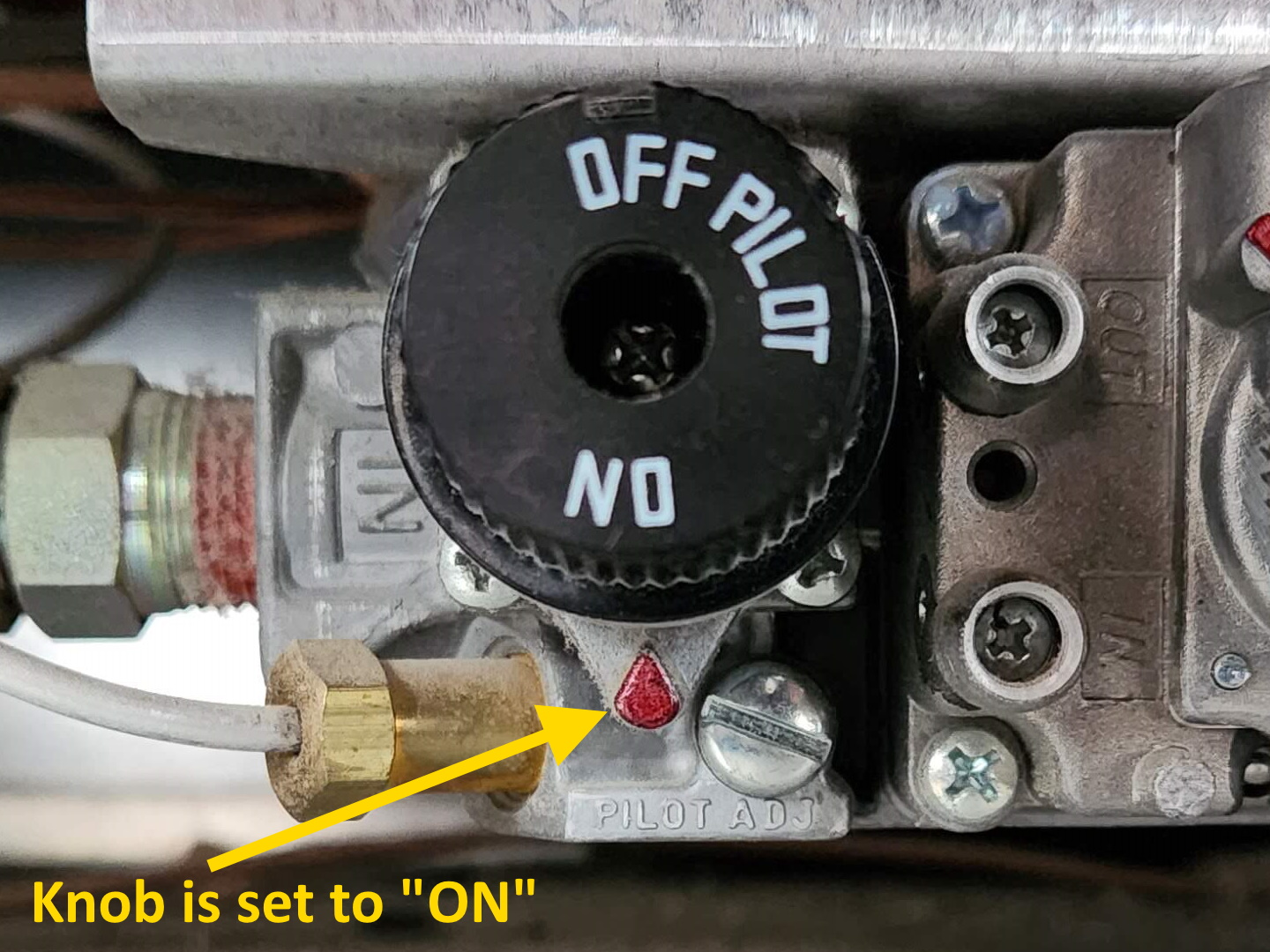
Examine the control valve on the fireplace unit itself. It will typically have markings indicating "On," "Off," and "Pilot." Make sure the valve is set to "On" (or "Pilot," if you're trying to light the pilot light).
Step 4: Attempt to Light the Pilot Light (If Applicable)
If your fireplace has a pilot light, follow the manufacturer's instructions to light it. This usually involves turning the control knob to the "Pilot" setting, pressing and holding the knob to release gas to the pilot, and then using a spark igniter or a long-handled lighter to ignite the pilot flame. Continue holding the knob for the recommended time (usually 20-30 seconds) to allow the thermocouple to heat up and keep the pilot light lit. If the pilot light repeatedly goes out after releasing the knob, there might be a problem with the thermocouple (we'll cover that later).
Important: If you smell gas while attempting to light the pilot, immediately stop, turn the control knob to "Off," ventilate the area, and wait for the gas to dissipate before attempting again. If the smell persists, call a qualified technician.
Step 5: Observe the Burner
Once the pilot light is lit (and stays lit), turn the control knob to the "On" position. The main burner should ignite. If it doesn't, proceed to the next steps.
Simple DIY Fixes
If the above steps haven't resolved the issue, here are a few simple DIY fixes you can try:
1. Clean the Pilot Light Assembly
A dirty pilot light assembly can prevent the pilot light from staying lit or from properly igniting the main burner. To clean it, first turn off the gas supply to the fireplace at the manual shut-off valve. Let the fireplace cool completely.
Carefully remove the pilot light assembly cover (consult your owner's manual for specific instructions). Use a can of compressed air to blow out any dust or debris from the pilot orifice. You can also use a small, soft brush (like an old toothbrush) to gently clean the area. Reassemble the pilot light assembly and turn the gas back on. Attempt to light the pilot light again.
2. Check the Thermocouple (If Applicable)
The thermocouple is a safety device that senses the heat from the pilot light. If the thermocouple is faulty, it won't send a signal to the gas valve to keep the gas flowing, causing the pilot light to go out.
Visually inspect the thermocouple. It's a small metal rod located near the pilot light flame. Look for any signs of damage, such as corrosion or bending. If you see any damage, the thermocouple needs to be replaced. You can purchase a replacement thermocouple at most hardware stores. Make sure to get the correct type for your fireplace model.
To replace the thermocouple, first turn off the gas supply to the fireplace. Disconnect the old thermocouple from the gas valve (usually by unscrewing a small fitting). Install the new thermocouple, making sure to tighten the fitting securely. Turn the gas back on and attempt to light the pilot light again.
3. Check the Igniter
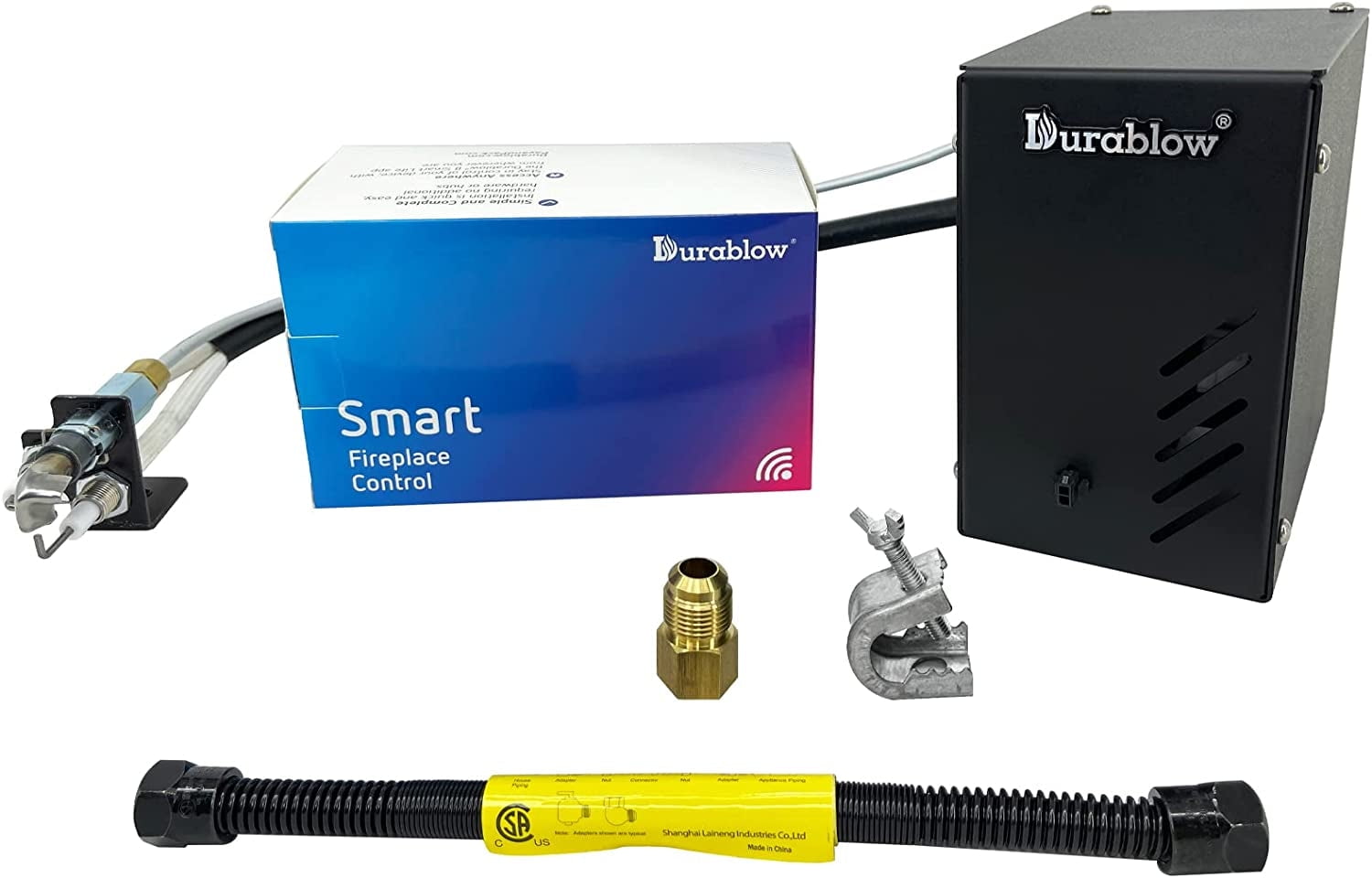
If your fireplace has an electronic igniter instead of a pilot light, ensure the igniter is sparking when you press the ignition button. If it's not sparking, the igniter might be faulty and need replacement. Replacing an igniter is similar to replacing a thermocouple, but ensure you disconnect the power supply to the fireplace before working on any electrical components.
4. Check the Batteries (If Applicable)
Some gas fireplaces, especially those with remote controls or electronic ignition, rely on batteries. Make sure the batteries are fresh and properly installed. Low batteries can cause the fireplace to malfunction or not ignite at all.
When to Call a Professional
While some gas fireplace issues can be resolved with simple DIY fixes, there are certain situations where you should immediately call a qualified technician:
- You smell gas: If you smell gas at any point during the troubleshooting process, stop immediately, evacuate the area, and call your gas company or a qualified technician.
- You suspect a gas leak: If you suspect a gas leak, even if you don't smell gas strongly, it's best to err on the side of caution and call a professional.
- The problem persists after trying the above steps: If you've tried the simple DIY fixes and the fireplace still won't light, there might be a more complex issue with the gas valve, the burner, or other components.
- You're uncomfortable working with gas: If you're not comfortable working with gas appliances, it's always best to leave the troubleshooting and repair to a qualified technician.
- You see corrosion or damage to the gas valve or gas lines: Any signs of corrosion or damage to the gas valve or gas lines indicate a potential safety hazard and require professional attention.
- Your fireplace is old or hasn't been serviced in a long time: Older fireplaces may have worn-out components that need to be replaced or repaired by a professional. Regular maintenance by a qualified technician can prevent problems and ensure your fireplace is operating safely.
Preventive Maintenance
To keep your gas fireplace operating safely and efficiently, it's recommended to have it serviced annually by a qualified technician. Regular maintenance can include:
- Cleaning the burner and pilot light assembly
- Inspecting the gas valve and gas lines for leaks
- Checking the thermocouple or igniter
- Inspecting the venting system
- Checking the overall operation of the fireplace
Safety First!
Working with gas appliances can be dangerous. Always prioritize safety and take the following precautions:
- Turn off the gas supply before attempting any repairs or maintenance.
- Never smoke or use open flames near gas appliances.
- Ventilate the area when working with gas.
- Use a gas leak detector to check for leaks after making any repairs.
- If you smell gas, evacuate the area immediately and call your gas company or a qualified technician.
By following these steps and tips, you can confidently troubleshoot common gas valve issues with your fireplace. Remember to prioritize safety and call a professional when needed. With a little knowledge and careful attention, you can keep your gas fireplace working reliably and enjoy its warmth and beauty for years to come.