Generac Generator Gas Pipe Sizing Chart
Imagine this: a winter storm knocks out the power. You rely on your Generac generator to keep your home warm and the lights on. But when the power goes out, your generator sputters, struggles, and fails to start reliably, or doesn't deliver the power you expect. One potential culprit, often overlooked, is incorrect gas pipe sizing.
This article will guide you through understanding and troubleshooting gas pipe sizing issues with your Generac generator. We'll cover basic checks you can perform yourself and help you determine when it's time to call in a qualified professional. Safety is paramount when dealing with gas, so always proceed with caution.
Understanding Gas Pipe Sizing for Generators
Before diving into troubleshooting, it’s essential to understand why proper gas pipe sizing is crucial. Your generator needs a consistent and adequate supply of gas to operate efficiently and deliver its rated power output. If the gas pipe is too small, it restricts the flow of gas, starving the generator and leading to:
- Reduced power output: Appliances may not run as expected, or the generator may struggle to handle the load.
- Starting problems: The generator might be difficult to start or may stall shortly after starting.
- Inefficient operation: The generator may run erratically and consume more fuel than necessary.
- Potential damage: In severe cases, gas starvation can damage the generator engine.
Preliminary Checks: Before You Blame the Gas Pipe
Before assuming the gas pipe is the issue, rule out other common problems. Here are a few things to check:
1. Fuel Supply
- Propane Tank Level: If you're using propane, make sure the tank is not empty or low. A low tank can cause pressure problems, mimicking the symptoms of an undersized gas pipe. Check the gauge on the tank. If it’s low, refill it.
- Natural Gas Service: For natural gas, check if other gas appliances in your home are working correctly. If not, there might be an issue with your gas service, not just the generator. Contact your gas company.
- Gas Shut-Off Valves: Ensure all gas shut-off valves are fully open between the gas source (propane tank or natural gas meter) and the generator. A partially closed valve can restrict gas flow.
2. Generator Settings and Maintenance
- Choke Position: If your generator has a manual choke, make sure it's in the correct position for starting.
- Air Filter: A dirty air filter can restrict airflow to the engine, causing starting problems. Check and clean or replace the air filter as needed.
- Spark Plug: A faulty spark plug can prevent the engine from starting. Inspect the spark plug and replace it if it's fouled or damaged.
- Oil Level: Low oil levels can prevent the generator from starting as a safety precaution. Check the oil level and add oil if needed.
3. Initial Visual Inspection of Gas Piping
- Visible Damage: Check the gas piping for any visible damage, such as dents, kinks, or corrosion. Damaged pipes can restrict gas flow. If you see any damage, contact a qualified professional immediately.
- Loose Connections: Check all gas pipe connections for leaks. Use a soap and water solution to check for bubbles indicating a leak. Never use a flame to check for gas leaks. If you detect a gas leak, shut off the gas supply and call a qualified professional immediately.
Understanding the Generac Generator Gas Pipe Sizing Chart
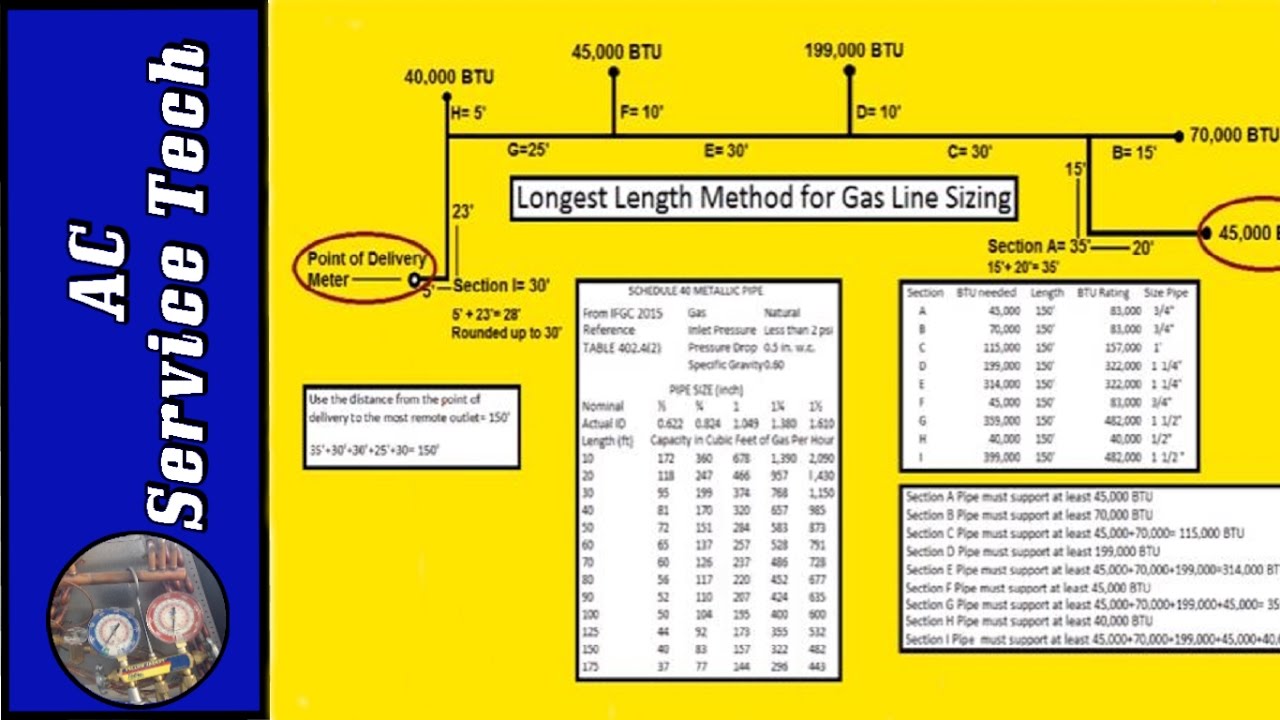
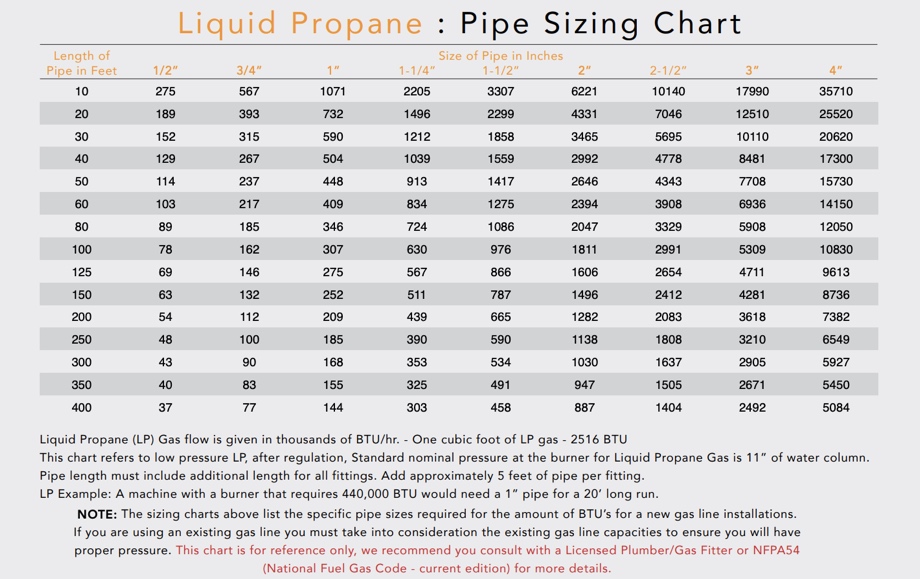
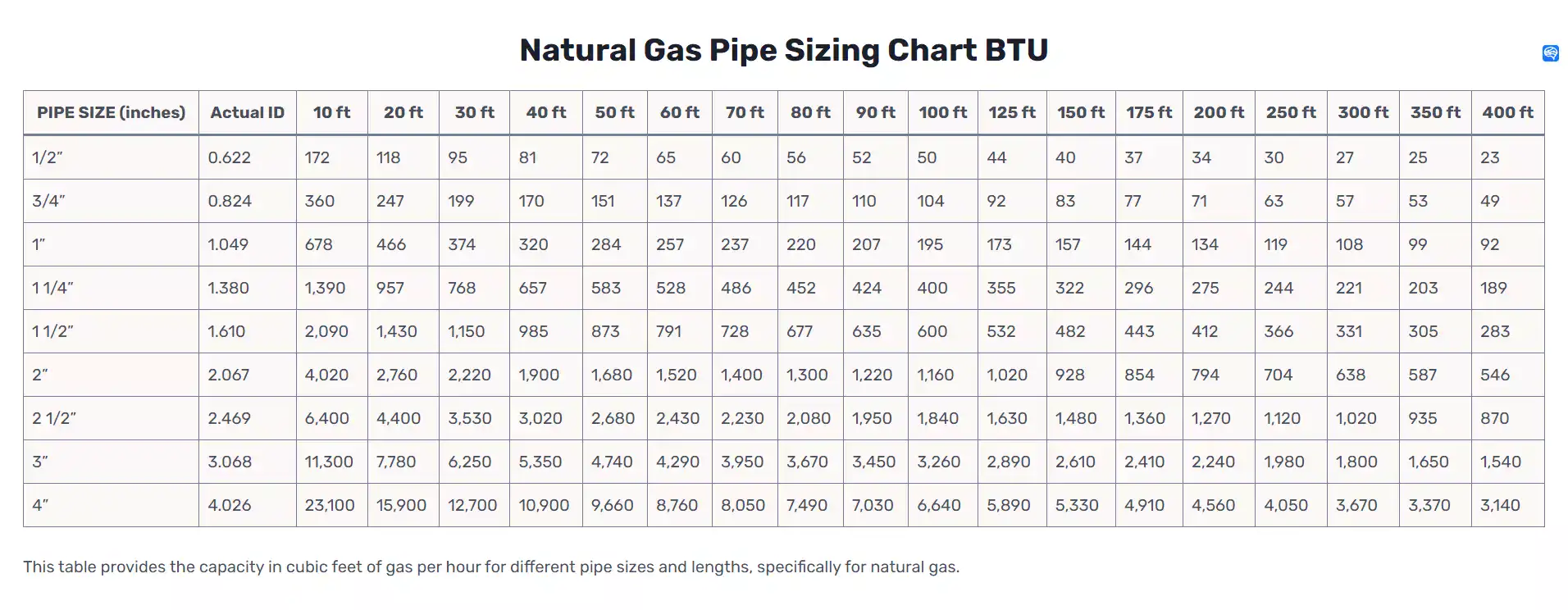
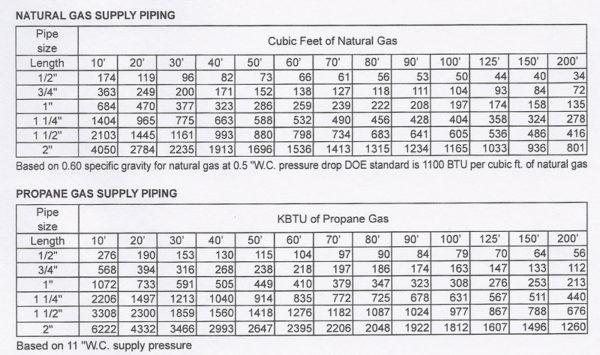
If the preliminary checks don't reveal the problem, you'll need to investigate the gas pipe sizing. Generac provides gas pipe sizing charts that specify the correct pipe size based on:
- Generator BTU (British Thermal Unit) consumption: This is the amount of gas the generator needs per hour to operate at full load. This information is found on the generator's nameplate or in the owner's manual.
- Pipe length: The longer the gas pipe, the greater the pressure drop.
- Gas type: Natural gas and propane have different pressure characteristics, so the chart will differ depending on the fuel type.
- Allowable pressure drop: This is the maximum amount of pressure loss that the generator can tolerate. This is usually specified in the Generac documentation.
- Number of fittings: Each elbow, tee, or other fitting adds resistance to the gas flow, which must be factored into the pipe sizing calculation.
Finding the Chart:
- Owner's Manual: The most reliable place to find the correct gas pipe sizing chart is in your Generac generator's owner's manual.
- Generac Website: You can often find the owner's manual and other technical documentation on the Generac website by searching for your generator's model number.
- Your Installer: The company that installed your generator should have used the correct chart and should have a copy for their records.
Important Considerations When Using the Chart:
- Units of Measurement: The chart will specify the units of measurement (e.g., feet for pipe length, BTU/hour for gas consumption). Ensure you're using the correct units.
- Straight Pipe Length: Use the actual length of the pipe run, plus an equivalent length for each fitting (elbows, tees, etc.). A general rule of thumb is to add 5 feet for each elbow and 10 feet for each tee, but consult a professional for precise calculations.
- Fittings: Account for all fittings in the gas line. Every bend and connection reduces flow.
- Pressure Drop: Make sure that your available gas pressure at the generator is sufficient for the generator's requirements, taking the pipe size into account.
- Safety Factors: Some installers add a safety factor to the pipe size to ensure adequate gas flow under all conditions.
Troubleshooting Gas Pipe Sizing Issues
Once you have the gas pipe sizing chart and have gathered the necessary information (generator BTU consumption, pipe length, gas type), you can start troubleshooting:
1. Measure the Gas Pipe Diameter
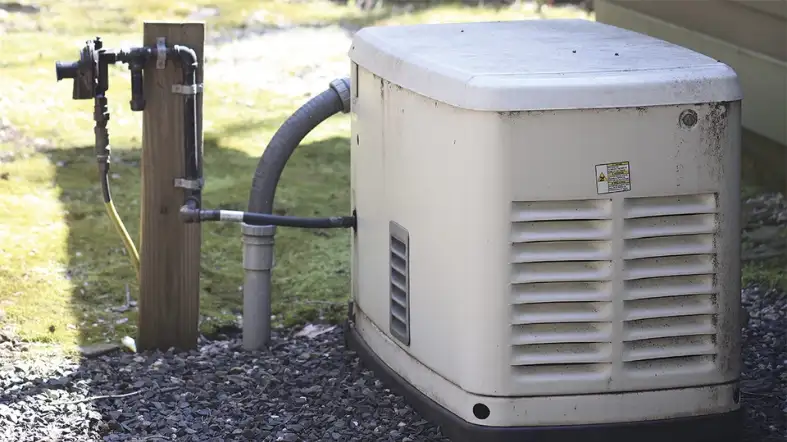
- Identify the Pipe Material: Determine if the gas pipe is black iron, copper, or flexible gas line. Note: Some flexible gas lines may not be approved for generator installations.
- Measure the Outside Diameter (OD): Use a caliper or measuring tape to measure the outside diameter of the pipe. Do not measure the inside diameter, as this is more difficult and less accurate.
- Determine the Nominal Pipe Size (NPS): Use a pipe size chart to convert the outside diameter to the nominal pipe size. Note: The nominal pipe size is not the same as the actual diameter. For example, a ½-inch black iron pipe has an outside diameter of 0.840 inches.
2. Compare Measured Size to the Chart
- Locate Your Generator's Requirements: Find the row in the gas pipe sizing chart that corresponds to your generator's BTU consumption, gas type, and allowable pressure drop.
- Determine the Required Pipe Size: Based on the pipe length, determine the minimum required pipe size from the chart. Remember to account for the equivalent length of fittings.
- Compare: Compare the measured pipe size to the required pipe size. If the measured pipe size is smaller than the required pipe size, the gas pipe is undersized.
3. Investigating Long Pipe Runs and Multiple Appliances
- Long Pipe Runs: If the gas pipe run is exceptionally long, even a properly sized pipe might experience excessive pressure drop. Consider increasing the pipe size or shortening the run.
- Multiple Appliances: If the gas pipe also serves other appliances, the generator's gas demand might be exceeding the pipe's capacity. Consult a professional to ensure the gas pipe is adequately sized for all appliances.
DIY Fixes You Can Attempt (With Caution!)
Safety is paramount when working with gas. If you are uncomfortable performing any of these tasks, contact a qualified professional.
1. Replacing Short Sections of Undersized Pipe (Minor Adjustments)
If you identify a short section of undersized pipe, you might be able to replace it with a larger size yourself. However, this should only be attempted if you are comfortable working with gas piping and have the necessary tools and experience.
- Shut Off the Gas Supply: Turn off the gas supply at the source (propane tank or natural gas meter).
- Use Approved Materials: Use only gas-rated pipe and fittings. Ensure they are compatible with the existing piping material.
- Apply Pipe Joint Compound: Apply gas-rated pipe joint compound to the threads of all fittings.
- Tighten Connections Properly: Tighten all connections securely, but do not overtighten.
- Leak Test: After completing the repair, use a soap and water solution to check for leaks.
When to Call a Professional:
- Large-Scale Piping Changes: If you need to replace a significant portion of the gas piping, it's best to leave it to a professional.
- Complex Piping Systems: If the gas piping system is complex or you're unsure about any aspect of the repair, contact a professional.
- Code Compliance: Ensure any gas piping modifications comply with local codes and regulations. A professional will be familiar with these requirements.
2. Adding a Dedicated Gas Line (Advanced DIY with Caution)
In some cases, the existing gas line might be inadequate to supply the generator and other appliances. A better solution might be to install a dedicated gas line solely for the generator. This is a more complex project that typically requires professional installation, but homeowners with extensive plumbing experience might consider it.
- Planning and Permitting: Plan the route of the new gas line and obtain any necessary permits from your local building department.
- Sizing the New Line: Use the gas pipe sizing chart to determine the correct pipe size for the generator's BTU consumption and the length of the new gas line.
- Professional Connection: The connection to the main gas line should almost always be done by a qualified plumber or gas fitter. Working on the main gas line can be dangerous, and requires specialized tools and knowledge.
- Pressure Testing: After installing the new gas line, it must be pressure tested to ensure there are no leaks. A professional will have the necessary equipment and expertise to perform this test.
When to Always Call a Professional:
- Any Uncertainty: If you are uncomfortable with any aspect of the project, contact a qualified professional.
- Gas Leaks: If you detect a gas leak at any time, shut off the gas supply and call a qualified professional immediately.
- Code Violations: If you are unsure whether your gas piping complies with local codes, consult a professional.
- Working on Main Gas Lines: Never attempt to work on the main gas line yourself. This is extremely dangerous and should only be done by a qualified professional.
Safety First!
Remember, gas is dangerous. Always prioritize safety when working with gas piping.
- Never Smoke or Use Open Flames: Do not smoke or use open flames near gas piping.
- Ventilate the Area: Ensure the area is well-ventilated when working with gas piping.
- Use Gas-Rated Materials: Use only gas-rated pipe, fittings, and pipe joint compound.
- Leak Test Thoroughly: Always leak test after making any gas piping connections.
- If in Doubt, Call a Pro: If you are unsure about any aspect of the repair, contact a qualified professional.
Conclusion
Troubleshooting gas pipe sizing issues for your Generac generator requires a systematic approach. By following the steps outlined in this article, you can identify potential problems and determine whether you can attempt a DIY fix or need to call in a qualified professional. Remember, safety is always the top priority when working with gas. When in doubt, consult a professional to ensure your generator operates safely and reliably.