Geothermal Open Loop Vs Closed Loop
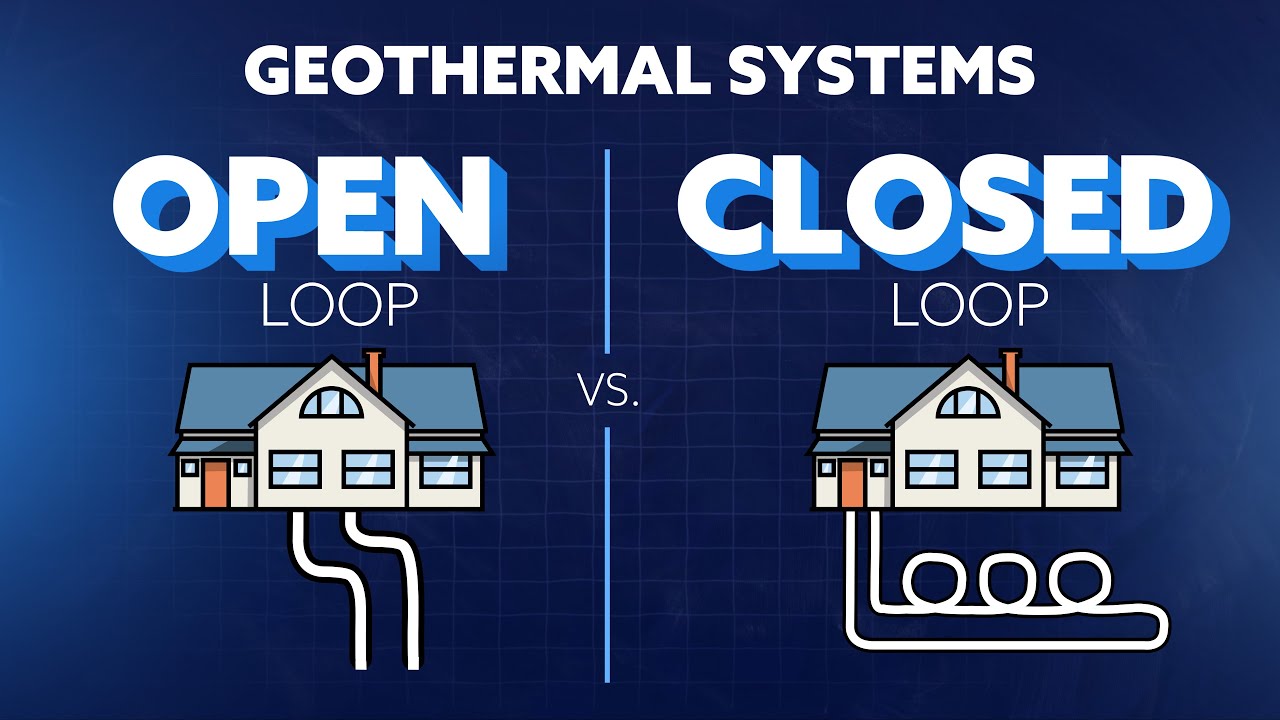
Geothermal energy offers an environmentally friendly and cost-effective way to heat and cool your home. Unlike traditional systems that rely on fluctuating air temperatures, geothermal systems tap into the earth's relatively stable underground temperatures. These systems come in two primary configurations: open-loop and closed-loop. Understanding the differences between these options is crucial to selecting the system best suited for your property and needs.
Understanding Geothermal Basics
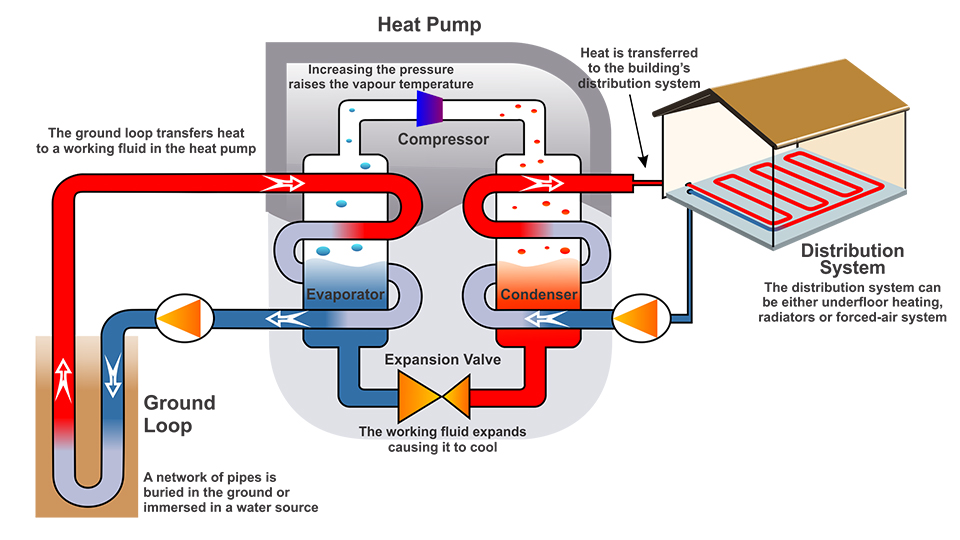
Before diving into the specifics of open and closed-loop systems, let's establish a basic understanding of how geothermal heating and cooling works. Geothermal systems leverage the consistent temperature of the earth a few feet below the surface. In most climates, this temperature ranges between 45°F and 75°F year-round. This stable temperature provides a reliable source of heat in the winter and a heat sink in the summer.
The core of a geothermal system is the heat pump. This device doesn't generate heat; instead, it transfers heat. In the winter, the heat pump extracts heat from the earth and transfers it into your home. In the summer, the process is reversed – the heat pump removes heat from your home and transfers it back into the earth. Think of the heat pump as a highly efficient air conditioner that uses the earth instead of the outside air as its heat exchange medium. The efficiency of a geothermal system is measured by its Coefficient of Performance (COP). A higher COP indicates a more efficient system.
Open-Loop Geothermal Systems (Direct Exchange)
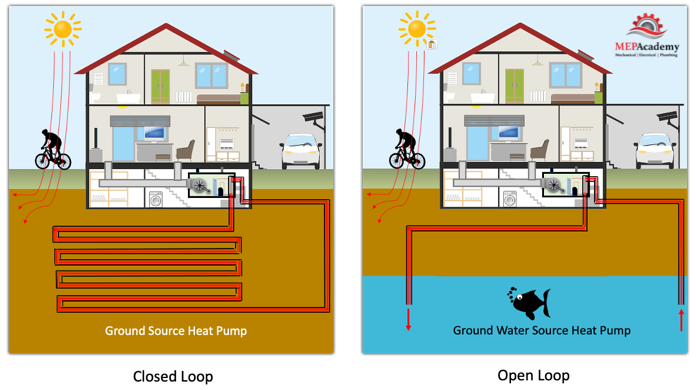
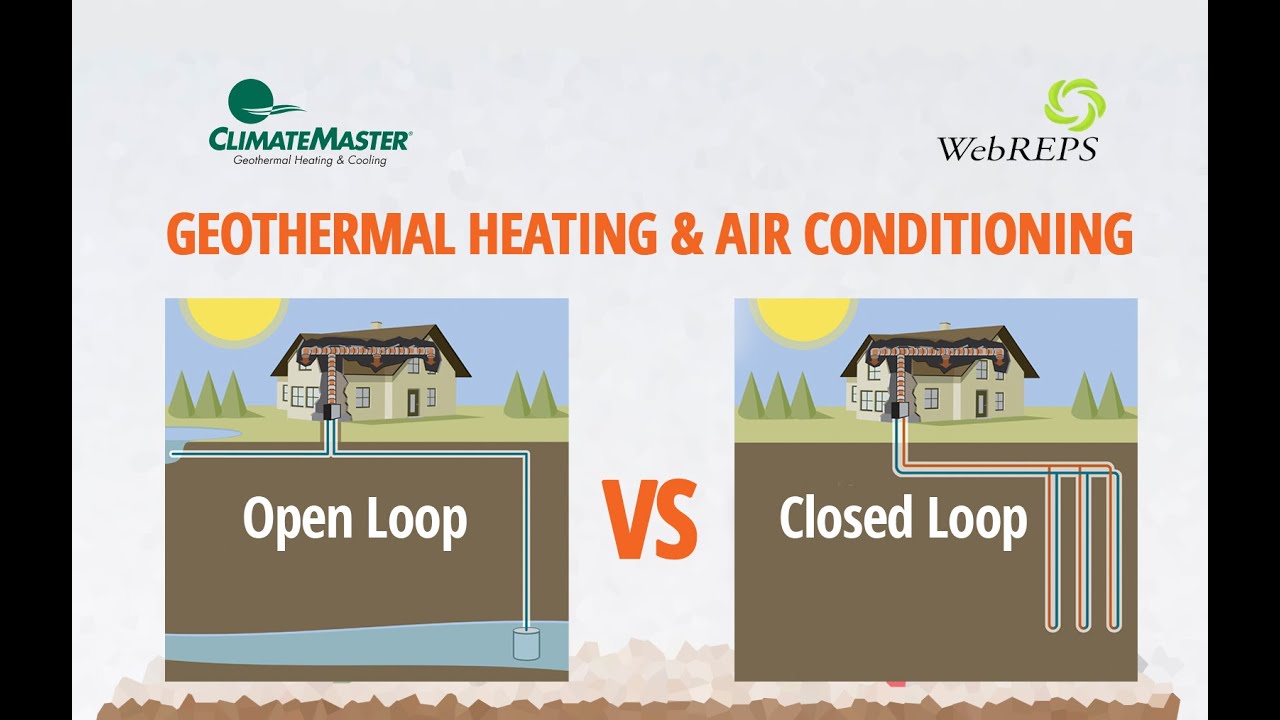
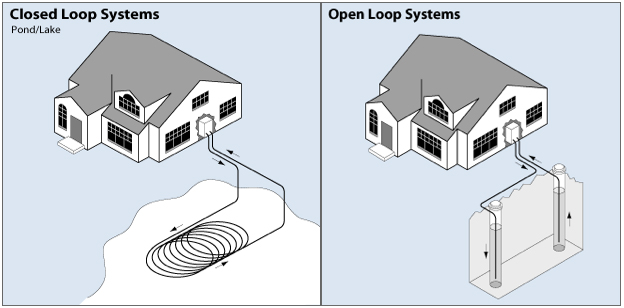
An open-loop geothermal system, also known as a direct exchange system, uses a naturally occurring water source, such as a well, pond, or lake, as the heat exchange medium. Water is drawn from the source, circulated through the heat pump, and then discharged back into the same source or a different location. This is generally the most efficient and lowest cost up front option if suitable water and discharge options are available.
How Open-Loop Systems Work
- Water Extraction: Water is pumped from the water source (well, pond, or lake) using a submersible pump.
- Heat Exchange: The extracted water is circulated through the heat pump. In winter, heat is extracted from the water. In summer, heat is rejected into the water.
- Water Discharge: The water, now slightly cooler (in winter) or warmer (in summer), is discharged. This is usually done through a separate injection well, back into the original source, or potentially to a surface drain after meeting local regulations.
Advantages of Open-Loop Systems
- High Efficiency: Open-loop systems are generally more efficient than closed-loop systems. This is because the heat pump directly utilizes the water's temperature, resulting in better heat transfer.
- Lower Initial Cost: The installation cost can be lower than a closed-loop system, especially if a suitable water source is already available. The cost savings can be significant if a well is already in place.
Disadvantages of Open-Loop Systems
- Water Quality Concerns: Water quality is a critical factor. The water must be relatively clean and free of minerals and contaminants that could damage the heat pump. Hard water can lead to scale buildup, reducing efficiency and potentially damaging the equipment. An analysis of the water must be done prior to installation.
- Water Availability: A sufficient and consistent water supply is essential. Fluctuations in the water table or seasonal variations in water flow can impact system performance. Drought conditions could render the system unusable.
- Discharge Regulations: Local regulations may restrict or prohibit the discharge of water. Permits may be required, and environmental concerns must be addressed.
- Maintenance: Requires regular maintenance, especially regarding water quality and pump upkeep.
- Potential for Corrosion: The direct contact of the heat pump with the water can lead to corrosion over time, depending on the water's chemical composition.
Closed-Loop Geothermal Systems (Indirect Exchange)
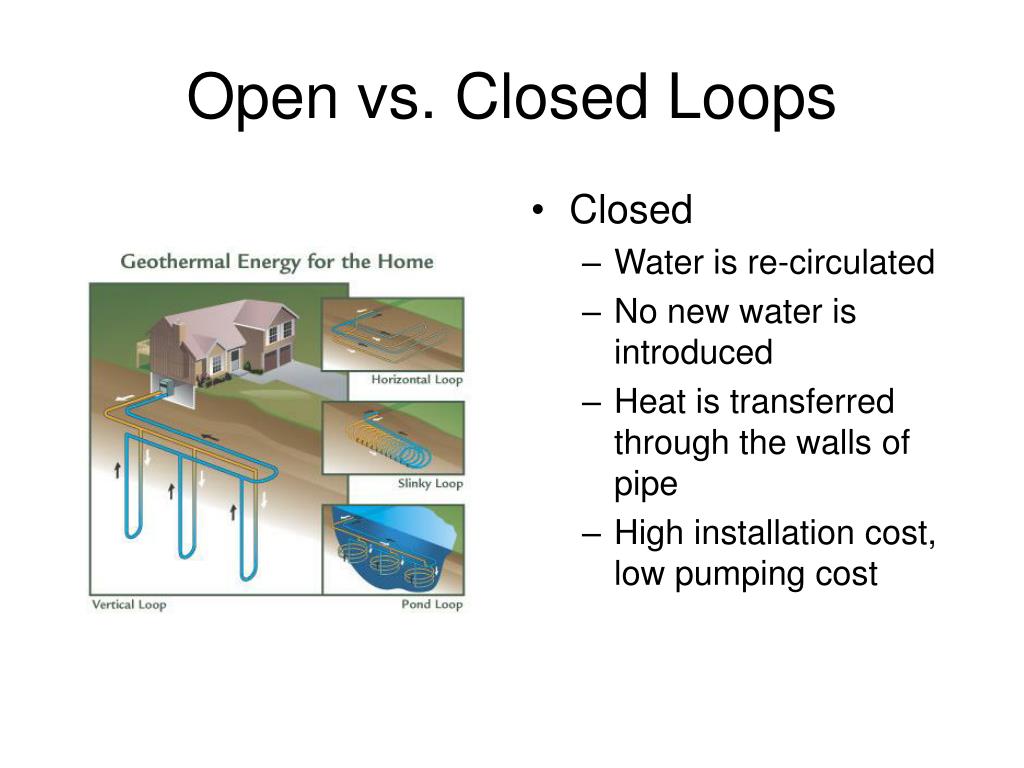
A closed-loop geothermal system, also known as an indirect exchange system, uses a sealed loop of piping buried underground. This loop is filled with a heat-transfer fluid, typically a mixture of water and antifreeze. The fluid circulates through the loop, absorbing or releasing heat to the surrounding earth. There is no direct contact between the heat pump and the earth itself. Closed loop systems are more widely used due to the flexibility in design and fewer restrictions associated with permits.
Types of Closed-Loop Systems
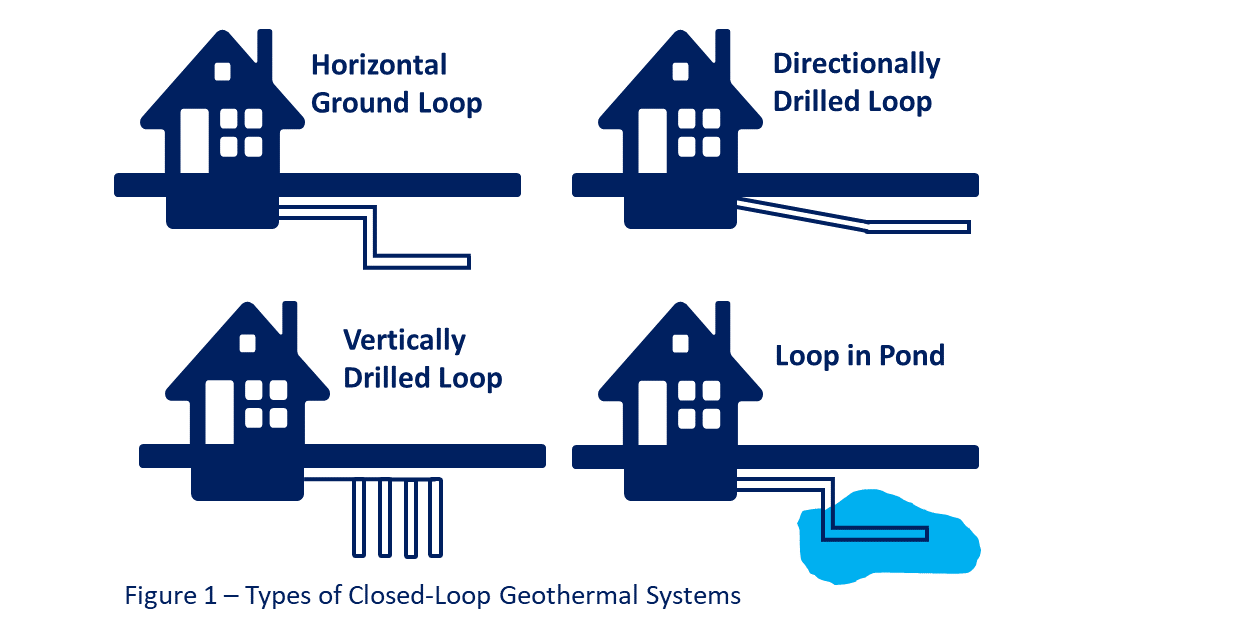
Closed-loop systems come in several configurations, each suited to different site conditions:
- Horizontal Loops: Pipes are buried horizontally in trenches, typically 4 to 6 feet deep. This is a common and relatively affordable option for properties with sufficient land area.
- Vertical Loops: Pipes are inserted vertically into boreholes, typically 100 to 400 feet deep. This option is ideal for properties with limited land space.
- Pond/Lake Loops: Coils of pipe are submerged in a pond or lake. This is a cost-effective solution if a suitable body of water is available. The pond/lake must be of adequate depth to prevent freezing near the loop.
How Closed-Loop Systems Work
- Fluid Circulation: A pump circulates the heat-transfer fluid (water and antifreeze) through the buried loop of piping.
- Heat Exchange: As the fluid circulates, it absorbs heat from the earth in the winter and releases heat into the earth in the summer.
- Heat Pump Transfer: The heat-transfer fluid then passes through the heat pump, where the heat is either extracted (in winter) or rejected (in summer).
Advantages of Closed-Loop Systems
- Reduced Water Quality Concerns: Since the heat pump does not directly contact the ground water, water quality is not a factor.
- Wide Applicability: Closed-loop systems can be installed on a wide range of properties, regardless of water availability or water quality.
- Minimal Environmental Impact: There is no water discharge, eliminating concerns about water pollution or regulations.
- Less Maintenance: Generally requires less maintenance than open-loop systems.
Disadvantages of Closed-Loop Systems
- Lower Efficiency: Closed-loop systems are typically less efficient than open-loop systems. The intermediate heat-transfer fluid introduces an additional layer of heat exchange, reducing overall efficiency.
- Higher Initial Cost: The installation cost can be higher, especially for vertical loops, which require drilling. Horizontal loops, while cheaper, require significant land area.
- Loop Field Design is Critical: Proper design of the loop field is essential for optimal performance. An undersized loop field will result in reduced efficiency and may lead to freezing issues.
Open-Loop vs. Closed-Loop: A Head-to-Head Comparison
Here's a table summarizing the key differences between open-loop and closed-loop geothermal systems:
| Feature | Open-Loop | Closed-Loop |
|---|---|---|
| Heat Source | Groundwater (well, pond, lake) | Sealed loop with heat-transfer fluid |
| Efficiency | Higher | Lower |
| Initial Cost | Lower (potentially) | Higher (potentially) |
| Water Quality Concerns | Significant | Minimal |
| Water Availability | Required | Not required |
| Environmental Impact | Potential discharge concerns | Minimal |
| Maintenance | Higher | Lower |
| Applicability | Limited by water availability and quality | Wide range of properties |
Making the Right Choice
Choosing between an open-loop and closed-loop geothermal system depends on your specific circumstances. Consider the following factors:
- Water Source: Do you have a reliable, clean water source available? If so, an open-loop system might be a viable option.
- Water Quality: Has the water been tested? Is it free of minerals and contaminants that could damage the heat pump?
- Land Availability: Do you have enough land for a horizontal closed-loop system? If not, a vertical closed-loop system might be necessary.
- Local Regulations: Are there any restrictions on water discharge in your area?
- Budget: What is your budget for the initial installation? While open-loop systems can be cheaper upfront, closed-loop systems may offer lower long-term maintenance costs.
- Energy Efficiency Goals: Are you prioritizing energy efficiency above all else? Open-loop systems generally offer higher efficiency.
It is highly recommended to consult with a qualified geothermal installer. They can assess your property, evaluate your needs, and recommend the best system for your situation. A thorough site assessment and careful planning are essential for ensuring optimal performance and longevity of your geothermal system.
The Importance of Professional Installation
Regardless of whether you choose an open-loop or closed-loop system, professional installation is crucial. A properly installed system will operate efficiently and reliably for many years. A poorly installed system, on the other hand, can lead to reduced performance, increased maintenance costs, and even system failure. Ensure the installer is certified and experienced in geothermal system design and installation.
Long-Term Cost Considerations
While the initial installation cost is an important factor, it's equally important to consider the long-term cost of ownership. Geothermal systems typically have lower operating costs than traditional heating and cooling systems. This is due to their higher efficiency. Additionally, geothermal systems tend to have a longer lifespan than conventional systems, reducing replacement costs. Carefully analyze the payback period and lifetime cost savings before making a decision. It is important to factor in any potential water treatment needs for an open-loop system, along with potential pump replacement.
Conclusion
Geothermal energy offers a sustainable and cost-effective way to heat and cool your home. Understanding the differences between open-loop and closed-loop systems is essential for making an informed decision. By carefully considering your property's characteristics, budget, and energy efficiency goals, you can choose the system that best meets your needs. Always consult with a qualified geothermal installer to ensure a successful installation and long-term performance.