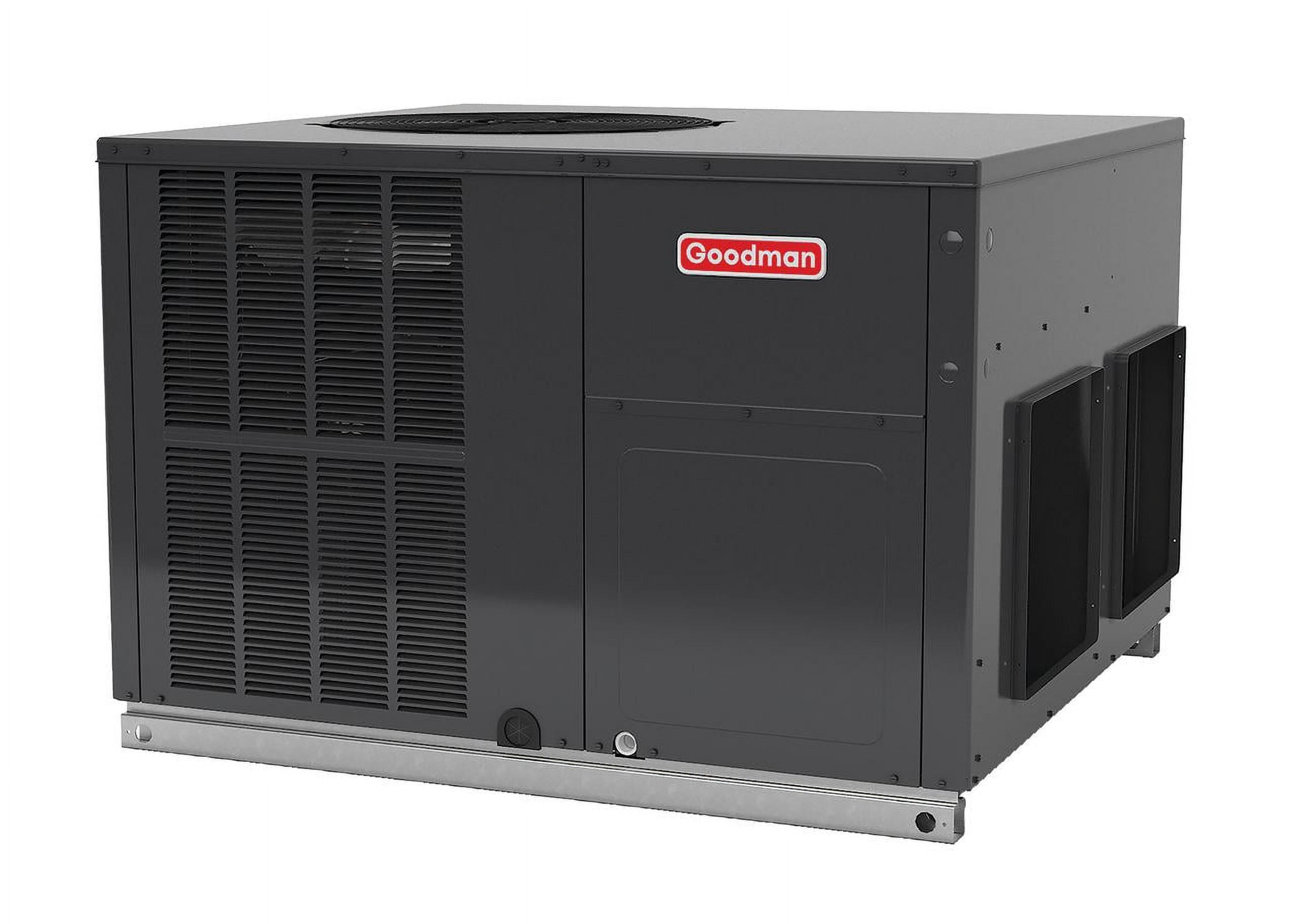
Goodman 3.5 Ton Air Conditioning System

In the dynamic world of Heating, Ventilation, and Air Conditioning (HVAC), understanding the specifics of various systems is crucial for success. This article delves into the Goodman 3.5 Ton Air Conditioning System, providing a comprehensive overview for HVAC students, seasoned technicians, and employers seeking skilled professionals. We’ll cover technical aspects, career implications, and industry trends relevant to this popular system.
Understanding the Goodman 3.5 Ton AC System
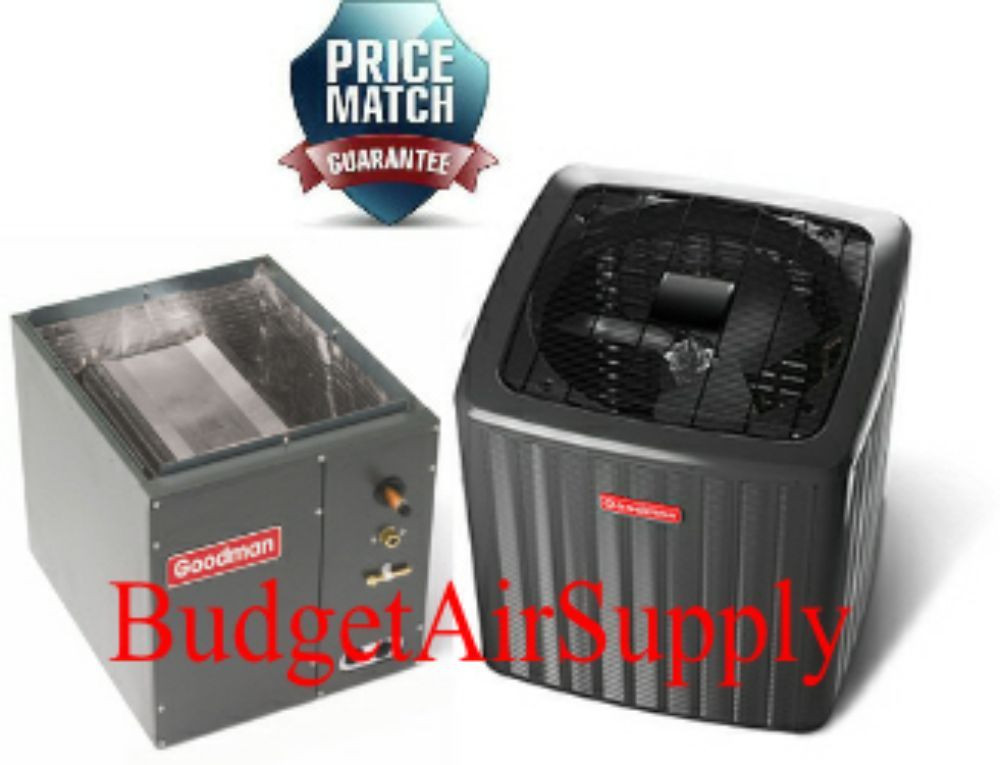
A 3.5 ton air conditioning system, or 42,000 BTU (British Thermal Units), is commonly used in residential and small commercial settings. Goodman is a well-known brand recognized for its affordability and reliability. These systems typically consist of an outdoor condenser unit and an indoor evaporator coil, connected by refrigerant lines.
Key Components and Functionality
The condenser unit houses the compressor, condenser coil, and fan. The compressor is the heart of the system, circulating refrigerant throughout the cooling cycle. The condenser coil dissipates heat extracted from the indoor air. The fan helps to expel this heat into the outside environment.
The evaporator coil is located inside the air handler or furnace. It absorbs heat from the indoor air, causing the refrigerant to evaporate. This process cools the air, which is then circulated through the ductwork.
Refrigerant type is a crucial factor. Older systems often used R-22, which is now being phased out due to environmental concerns. Modern Goodman systems utilize R-410A refrigerant, which is more environmentally friendly. Understanding the nuances of different refrigerants and their handling procedures is paramount for any HVAC technician.
Technical Specifications and Efficiency
When evaluating a Goodman 3.5 ton AC system, several specifications are important:
- SEER (Seasonal Energy Efficiency Ratio): This measures the cooling efficiency of the system. Higher SEER ratings indicate greater energy savings. Goodman offers systems with SEER ratings ranging from 13 to 19+. Technicians should be able to explain the SEER rating to customers and advise them on the best option based on their needs and budget.
- HSPF (Heating Seasonal Performance Factor): For heat pumps, HSPF measures heating efficiency. While this is important for heat pump systems, it is not relevant for a stand-alone AC unit.
- BTU (British Thermal Units): As mentioned earlier, a 3.5-ton system equals 42,000 BTU.
- Airflow (CFM - Cubic Feet per Minute): Proper airflow is essential for optimal performance. A 3.5-ton system typically requires around 1400 CFM.
Career Opportunities and the Goodman 3.5 Ton AC System
Proficiency in installing, maintaining, and repairing Goodman 3.5 ton AC systems can open doors to various career paths in the HVAC industry.
Entry-Level Positions
For HVAC students and apprentices, hands-on experience with systems like the Goodman 3.5 ton unit is invaluable. Common entry-level positions include:
- HVAC Installer: Assisting with the installation of new AC systems. This role involves learning about ductwork, refrigerant lines, and electrical connections.
- HVAC Technician Apprentice: Working under the supervision of a licensed technician, gaining experience in troubleshooting and repairing AC systems.
According to the Bureau of Labor Statistics, the median annual wage for HVAC mechanics and installers was $59,620 in May 2023. The job outlook is projected to grow 6 percent from 2022 to 2032, about as fast as the average for all occupations. This growth is driven by the increasing demand for energy-efficient HVAC systems and the need to replace aging equipment.
Advanced Career Paths
With experience and certifications, technicians can advance to more specialized roles:
- HVAC Service Technician: Diagnosing and repairing AC systems, conducting routine maintenance, and providing customer service.
- HVAC Project Manager: Overseeing the installation of large-scale HVAC projects, managing budgets, and coordinating with other contractors.
- HVAC Sales Engineer: Designing and selling HVAC systems to commercial and industrial clients.
Real-World Example: Sarah, a recent HVAC graduate, started as an installer's assistant. After gaining experience with Goodman systems and obtaining her EPA 608 certification, she transitioned to a service technician role. Within five years, she became a lead technician, specializing in troubleshooting complex system issues. Her salary increased substantially, reflecting her expertise and value to the company.
Certifications and Training
Obtaining relevant certifications is crucial for career advancement and demonstrating competence to employers.
EPA 608 Certification
The EPA 608 certification is mandatory for technicians who handle refrigerants. It covers the proper handling, recovery, and disposal of refrigerants to prevent environmental damage. There are four types of EPA 608 certifications: Type I (small appliances), Type II (high-pressure appliances), Type III (low-pressure appliances), and Universal (covers all appliance types).
NATE Certification
The North American Technician Excellence (NATE) certification is a voluntary but highly respected credential. NATE-certified technicians have demonstrated their knowledge and skills through rigorous testing. NATE offers certifications in various specialties, including air conditioning, heat pumps, and gas heating. Employers often prefer to hire NATE-certified technicians, as it indicates a higher level of competence.
Manufacturer-Specific Training
Many manufacturers, including Goodman, offer training programs on their specific equipment. These programs provide in-depth knowledge of the system's design, operation, and troubleshooting procedures. Completing manufacturer-specific training can enhance a technician's skills and increase their value to employers.
Continuing Education
The HVAC industry is constantly evolving, with new technologies and regulations emerging regularly. Technicians should engage in continuing education to stay up-to-date on the latest trends and best practices. This can include attending workshops, seminars, and online courses.
Industry Trends and the Future of HVAC
The HVAC industry is undergoing significant changes, driven by factors such as energy efficiency, environmental concerns, and technological advancements.
Energy Efficiency and Sustainability
There is a growing emphasis on energy-efficient and sustainable HVAC systems. Consumers are increasingly looking for systems that can reduce their energy bills and minimize their environmental impact. This trend is driving the development of more efficient compressors, better insulation materials, and smart thermostats.
Smart Technology and IoT
Smart thermostats and other Internet of Things (IoT) devices are becoming increasingly common in HVAC systems. These devices allow homeowners to remotely control their thermostats, monitor energy consumption, and receive alerts about potential problems. Technicians need to be familiar with the installation, configuration, and troubleshooting of these smart devices.
Refrigerant Regulations
The phase-out of R-22 refrigerant and the ongoing debate about alternative refrigerants are shaping the future of the HVAC industry. Technicians need to stay informed about refrigerant regulations and be trained on the proper handling of alternative refrigerants, such as R-410A and emerging low-GWP (Global Warming Potential) refrigerants.
The Importance of Soft Skills
While technical skills are essential, soft skills are also crucial for success in the HVAC industry. Communication, customer service, and problem-solving skills are highly valued by employers. Technicians who can effectively communicate with customers, diagnose problems efficiently, and provide excellent service are more likely to advance in their careers.
Employers are actively seeking candidates who possess a strong understanding of systems like the Goodman 3.5 Ton AC system, coupled with relevant certifications and excellent communication abilities. By investing in training, certifications, and the development of soft skills, HVAC professionals can position themselves for long-term success in this growing and rewarding field.