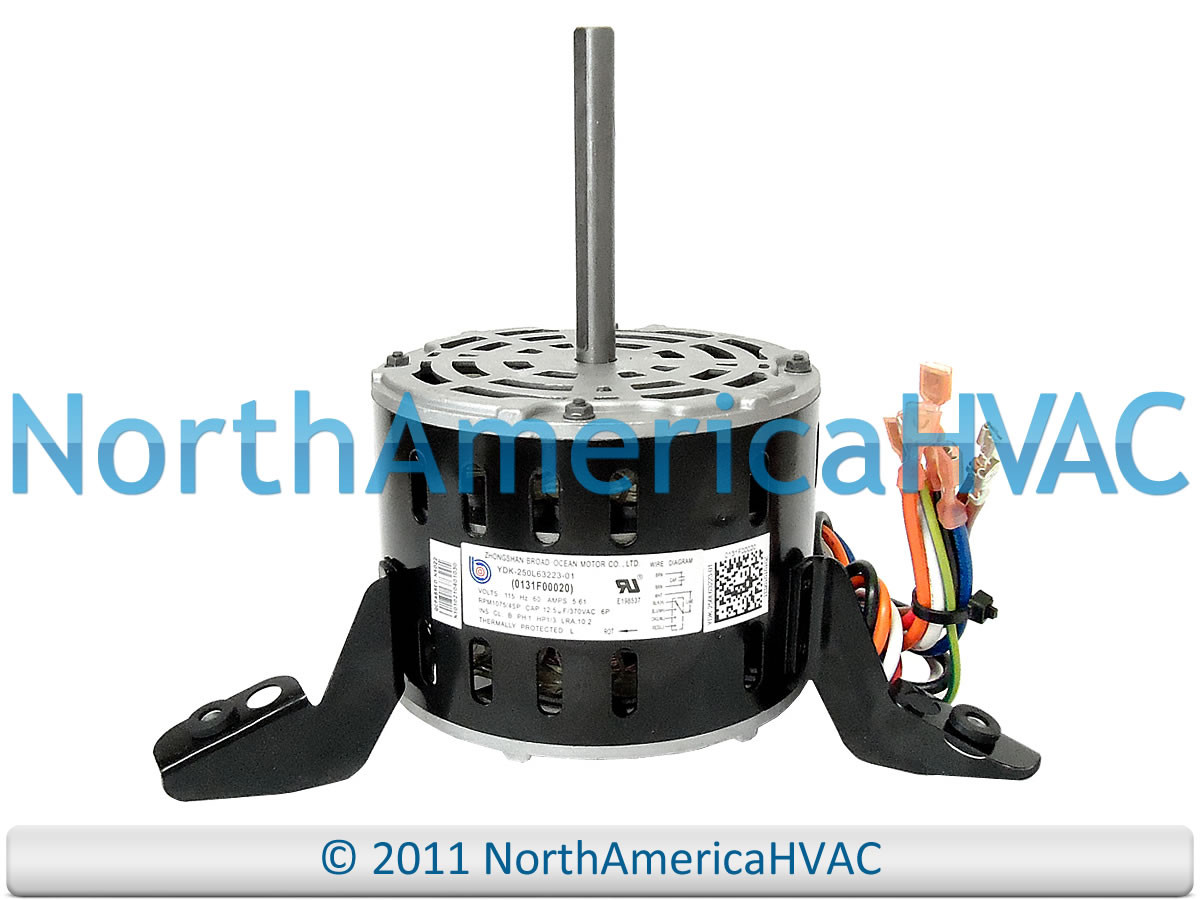
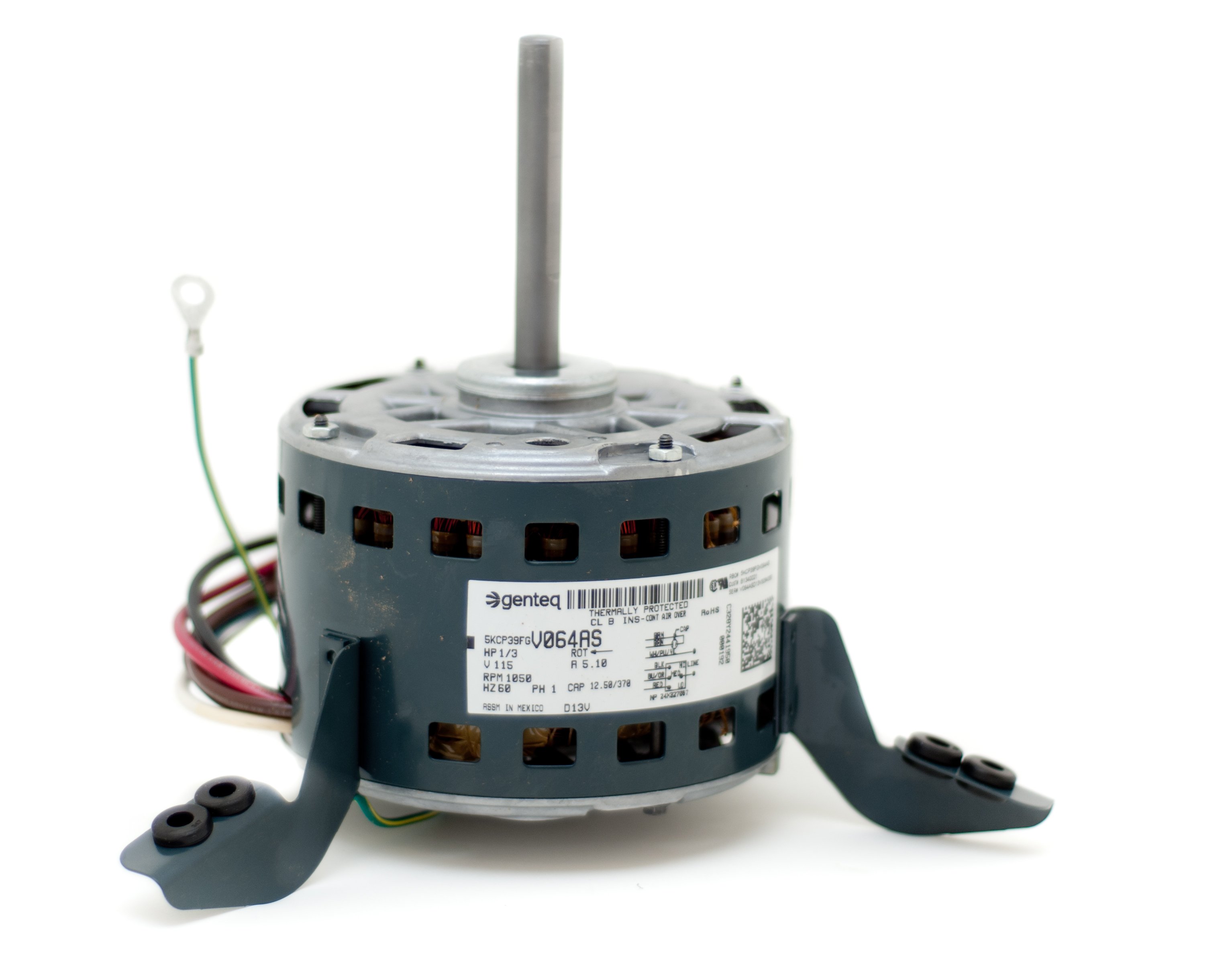
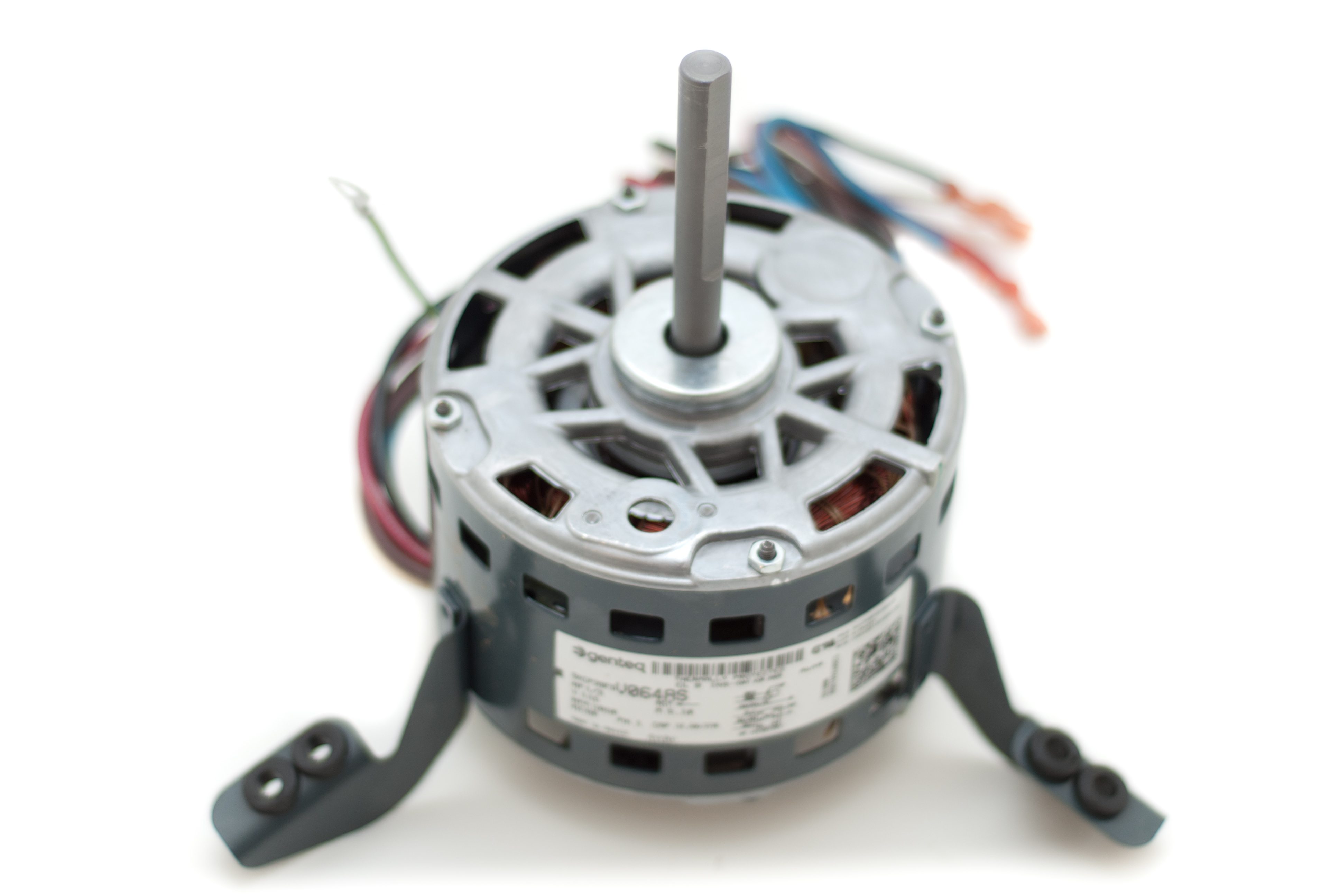
Goodman Air Handler Blower Motor
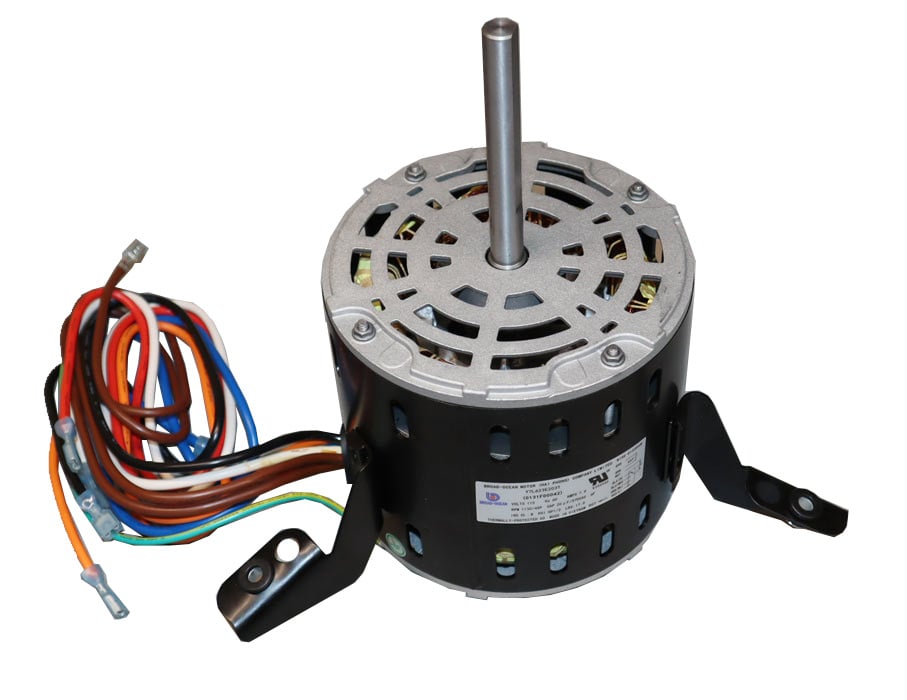
The air handler is the unsung hero of many HVAC systems, quietly circulating conditioned air throughout a building. At the heart of that air handler lies the blower motor, and when it comes to reliability and affordability, Goodman air handlers are a popular choice. Understanding the intricacies of a Goodman air handler blower motor, its operation, troubleshooting, and the skills needed to service it, is crucial for anyone seeking a career in HVAC.
Understanding Goodman Air Handler Blower Motors
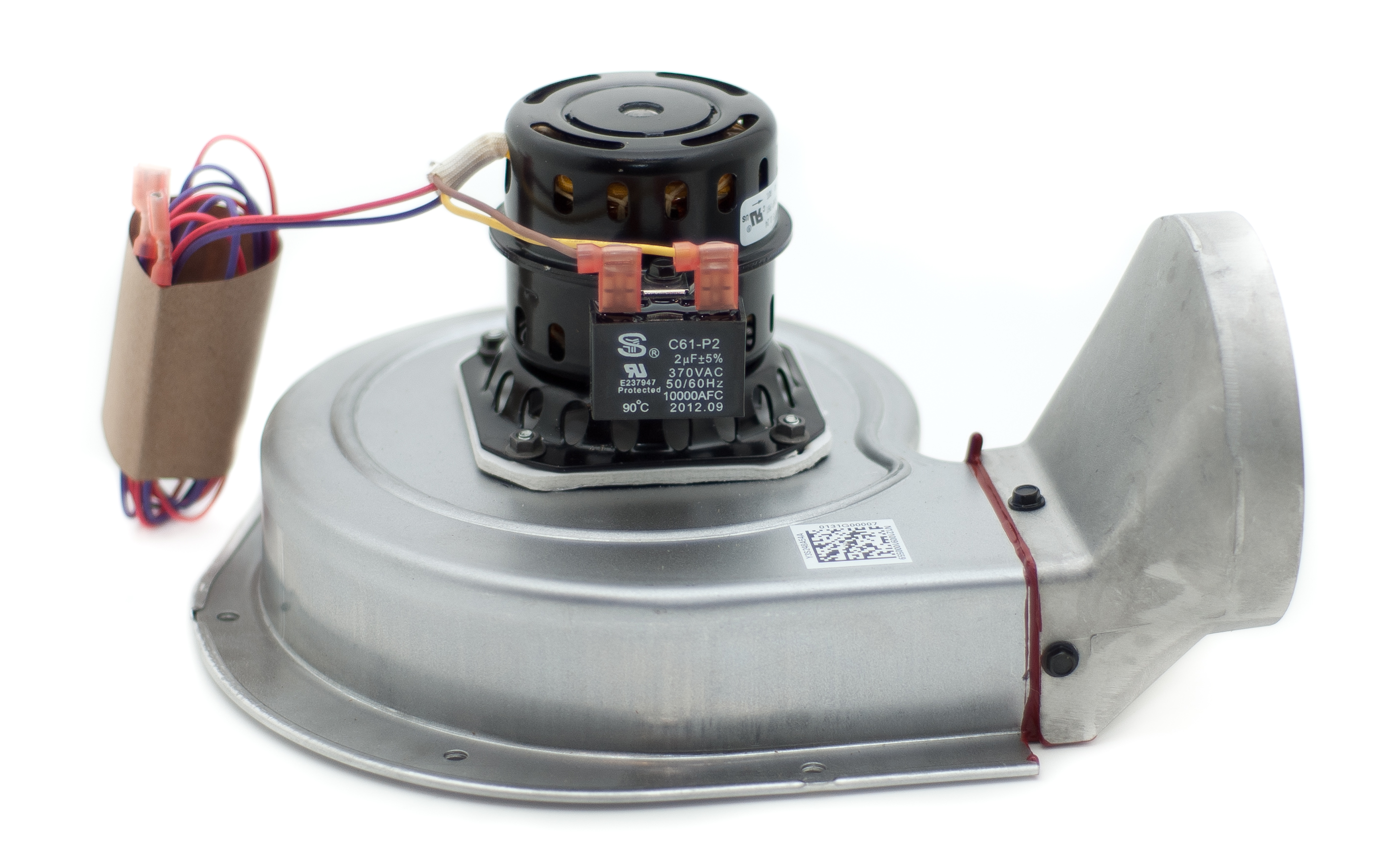
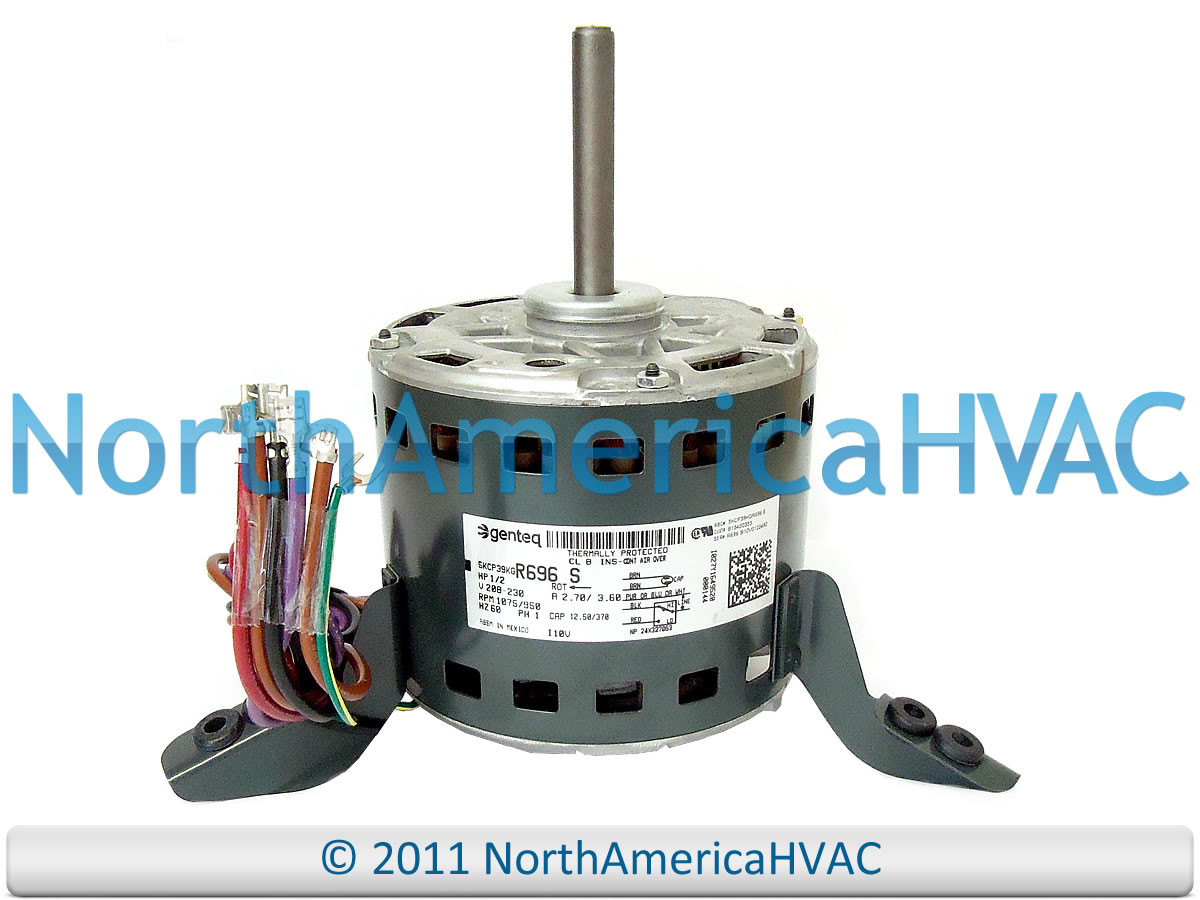
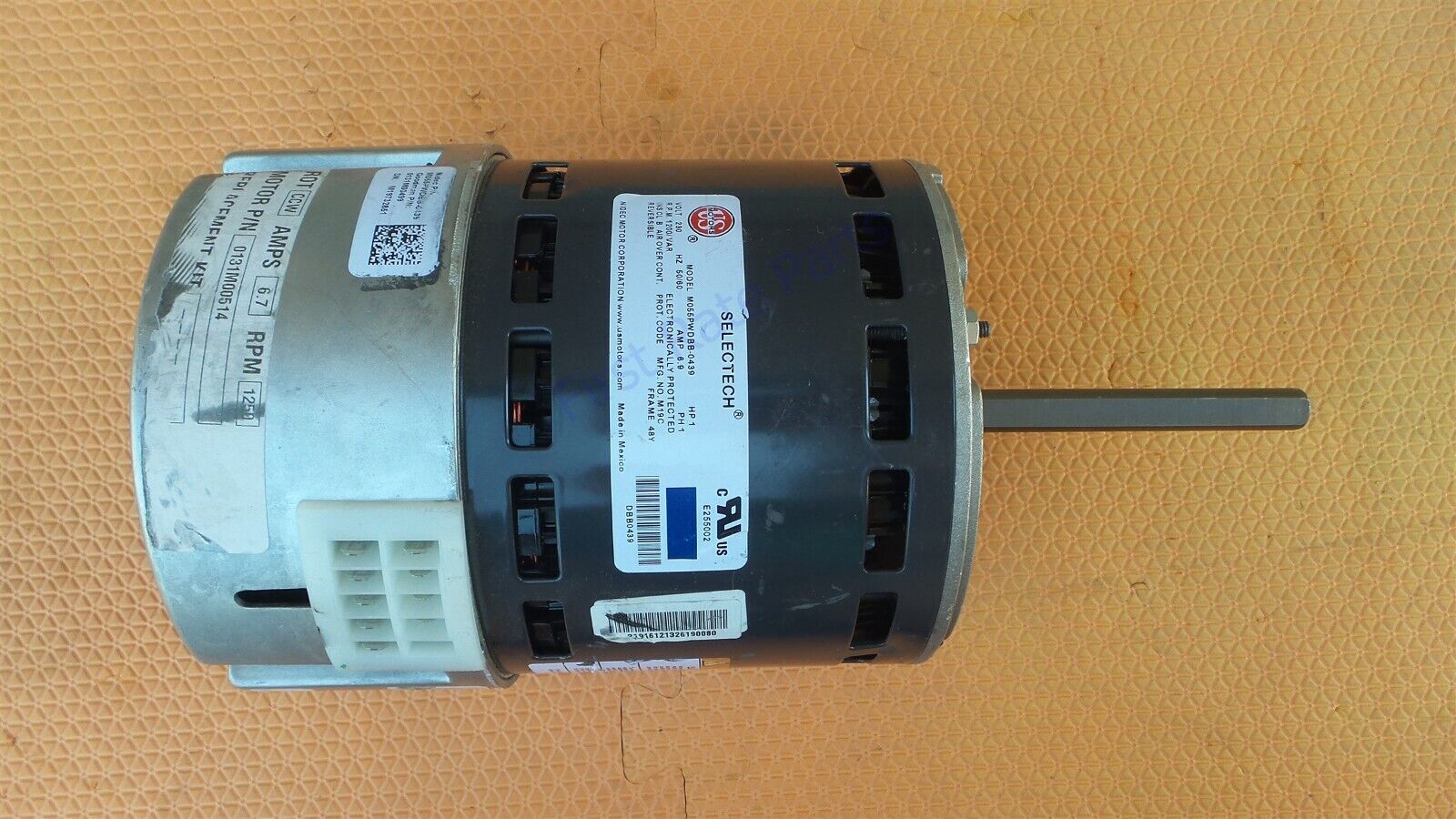
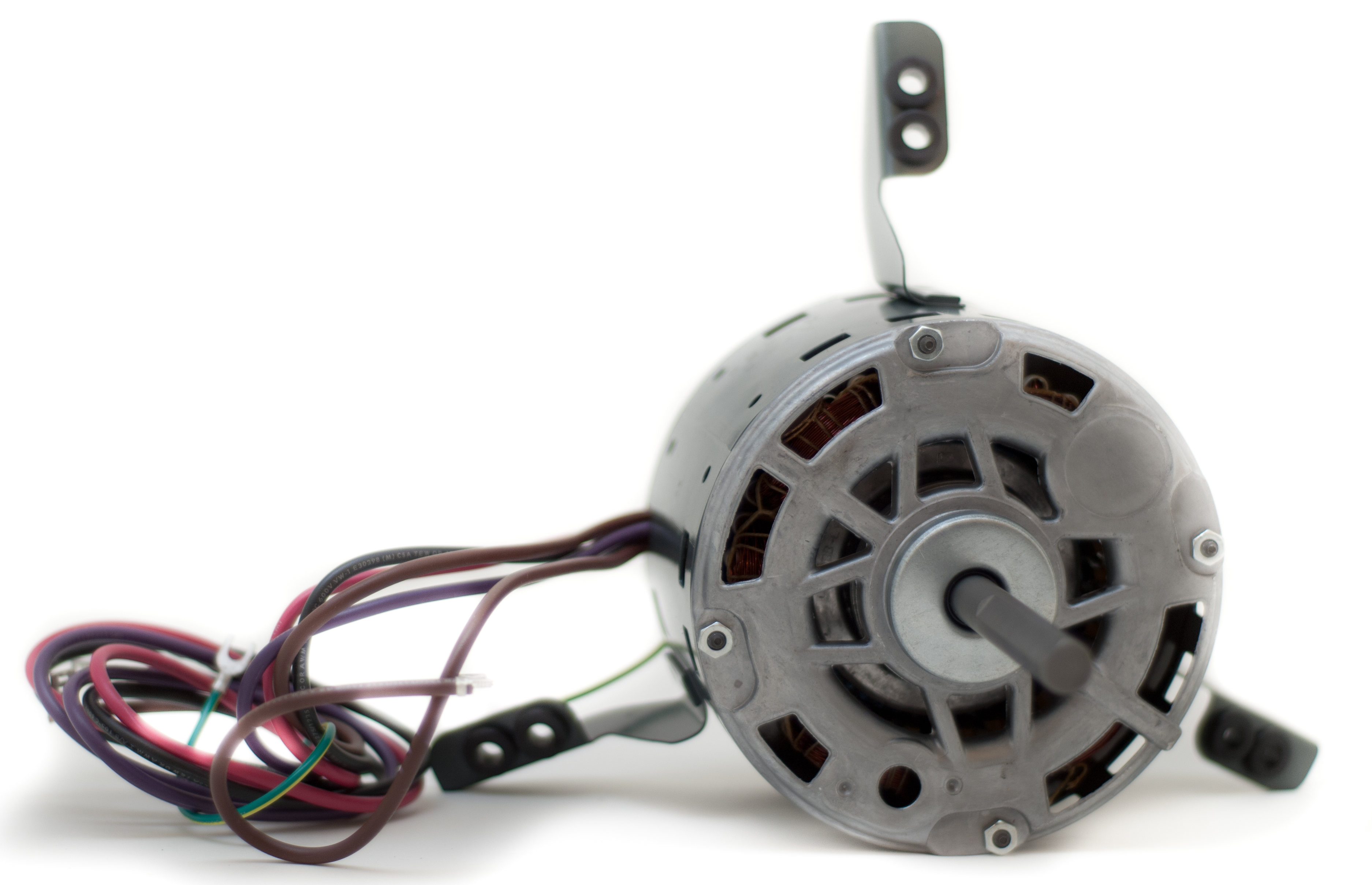
Goodman Manufacturing is known for producing cost-effective HVAC equipment, and their air handlers are no exception. Goodman blower motors, typically either PSC (Permanent Split Capacitor), ECM (Electronically Commutated Motor), or less commonly, multi-speed motors, are responsible for moving air across the evaporator coil and into the ductwork. The type of motor used influences the air handler's efficiency and performance. Let's delve into each type:
PSC Motors: The Workhorse
PSC motors are the traditional, and generally most affordable, option. They are robust and relatively simple in design, but less energy-efficient than ECMs. They operate at a fixed speed or a few select speeds, limiting their ability to precisely match airflow to the heating or cooling demand. While older models used belt-driven blowers, most modern Goodman PSC blower motors are direct-drive, improving efficiency and reducing maintenance.
ECM Motors: The Efficiency Champion
ECM motors, also known as brushless DC motors, offer superior energy efficiency and more precise airflow control. These motors can vary their speed continuously, allowing the air handler to deliver the exact amount of airflow needed to maintain the desired temperature. This variable-speed operation not only saves energy but also reduces noise and improves comfort. Goodman utilizes ECM technology extensively in their higher-end air handlers. ECM motors are more complex than PSC motors and therefore require more specialized diagnostic skills.
Troubleshooting Common Issues
A malfunctioning blower motor can lead to various issues, including insufficient heating or cooling, noisy operation, and system failure. Common problems include:
- Motor Failure: The motor simply stops working, often due to a burned-out winding or a failed capacitor.
- Capacitor Problems: A faulty capacitor can prevent the motor from starting or cause it to run erratically.
- Bearing Issues: Worn bearings can cause the motor to be noisy and eventually fail.
- Electrical Problems: Loose wiring, corroded connections, or a tripped breaker can prevent the motor from receiving power.
- Overheating: A dirty air filter or restricted airflow can cause the motor to overheat and shut down.
Technicians need to be proficient in using multimeters to check voltage and amperage, as well as understanding wiring diagrams to diagnose electrical issues. They also need to be able to identify mechanical problems like worn bearings or a damaged blower wheel.
Required Skills and Certifications
Working on Goodman air handler blower motors requires a solid foundation in HVAC principles and hands-on skills. Here's a breakdown of essential qualifications and certifications:
- Technical Education: Completion of an HVAC training program from a vocational school, community college, or apprenticeship program is highly recommended. These programs provide a comprehensive understanding of HVAC systems, electrical principles, and troubleshooting techniques.
- EPA 608 Certification: This certification is required by the Environmental Protection Agency (EPA) for technicians who handle refrigerants. It demonstrates competency in safely handling and disposing of refrigerants, which is essential for servicing air conditioning systems.
- NATE Certification: North American Technician Excellence (NATE) certification is a nationally recognized credential that validates the skills and knowledge of HVAC technicians. While not always mandatory, NATE certification can significantly enhance a technician's career prospects and earning potential. Specializations related to air conditioning and heat pumps are particularly relevant.
- Manufacturer Training: Many manufacturers, including Goodman, offer specialized training programs on their equipment. These programs provide in-depth knowledge of specific models and systems, including troubleshooting and repair procedures. Obtaining Goodman-specific training can be a significant advantage when working on their air handlers.
- Soft Skills: Beyond technical skills, employers value technicians who possess strong problem-solving abilities, communication skills, and customer service skills. The ability to diagnose problems quickly, explain technical issues clearly to customers, and work efficiently are all essential for success in the field.
Career Paths and Job Outlook
The demand for qualified HVAC technicians is strong and is expected to continue growing in the coming years. According to the Bureau of Labor Statistics, the job outlook for HVAC mechanics and installers is projected to grow 6 percent from 2022 to 2032. This growth is driven by factors such as population growth, increasing construction activity, and the need to replace aging HVAC systems.
Here are some common career paths for HVAC technicians:
- Entry-Level Technician: Starting as an entry-level technician typically involves assisting experienced technicians with installations, maintenance, and repairs. This is a great way to gain hands-on experience and learn the trade.
- Service Technician: Service technicians specialize in troubleshooting and repairing HVAC systems. They respond to service calls, diagnose problems, and perform necessary repairs.
- Installation Technician: Installation technicians focus on installing new HVAC systems. They work with blueprints, install ductwork, connect electrical components, and ensure that the system is properly sized and functioning.
- HVAC Supervisor: Experienced technicians can advance to supervisory roles, overseeing the work of other technicians and managing projects.
- HVAC Contractor: With sufficient experience and business acumen, some technicians choose to start their own HVAC contracting businesses.
Salary Expectations
Salaries for HVAC technicians vary depending on experience, location, and certifications. According to recent data, the median annual wage for HVAC mechanics and installers was $59,620 in May 2023. The highest 10 percent earned more than $86,720. Technicians with specialized skills, such as those who are certified in ECM motor repair or have experience with specific brands like Goodman, may command higher salaries. It's important to remember that salary data can vary considerably depending on the region and cost of living.
The Importance of Continuing Education
The HVAC industry is constantly evolving with new technologies and regulations. Continuing education is essential for technicians to stay up-to-date on the latest advancements and maintain their certifications. Online courses, workshops, and manufacturer training programs are all valuable resources for continuing education. For example, Goodman frequently updates its product lines, and technicians need to be familiar with the latest models and their specific service requirements. Furthermore, changes to refrigerant regulations and energy efficiency standards require technicians to stay informed to ensure compliance. Investing in continuing education not only enhances a technician's skills but also increases their value to employers and improves their career prospects.
For employers, providing ongoing training for their technicians is crucial for maintaining a competitive edge. Trained technicians are more efficient, make fewer mistakes, and are better equipped to handle complex repairs. Investing in training also demonstrates a commitment to employee development, which can improve employee morale and retention. Offering training on specific equipment like Goodman air handlers and their blower motors will ensure technicians are well-versed in the equipment that the company installs and services.