Goodman Air Handler Fuse Location

Understanding your Goodman air handler's fuse location is crucial for basic troubleshooting. A blown fuse is a common issue that can prevent your air conditioner or furnace from working. Before calling an HVAC technician, knowing where the fuse is and how to check it can save you time and money. This guide will walk you through the process of locating the fuse and understanding its purpose.
Why Does Your Air Handler Have a Fuse?
The fuse in your Goodman air handler acts as a safety device, similar to a circuit breaker in your home's electrical panel. Its primary function is to protect the components of the air handler from electrical overloads and short circuits. Think of it as a sacrificial component: it's designed to break (blow) and cut off the electrical supply if there's a surge in current, preventing damage to more expensive parts like the blower motor, control board, or transformer.
Consider this analogy: imagine a dam on a river. The dam controls the flow of water. The fuse is like a small, weak section of that dam. If the water flow (electrical current) gets too high, that weak section will break first, preventing the entire dam from collapsing (protecting the air handler).
Where to Find the Fuse in Your Goodman Air Handler
The location of the fuse can vary slightly depending on the specific model of your Goodman air handler, but it's generally found in one of two places:
1. Inside the Air Handler's Control Panel
This is the most common location. The control panel is usually a metal door or panel on the front or side of the air handler. Here's how to find it:
- Turn off the power: Absolutely essential! Locate the circuit breaker that controls the air handler in your home's electrical panel and turn it off. This prevents electrical shock.
- Locate the access panel: Look for a rectangular or square metal panel, usually held in place by screws or clips. It's often labeled "Control Panel" or something similar.
- Remove the panel: Use a screwdriver to remove the screws (if any) or carefully unclip the panel.
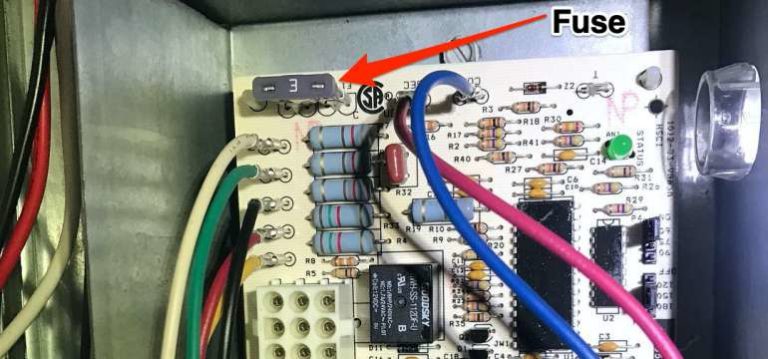
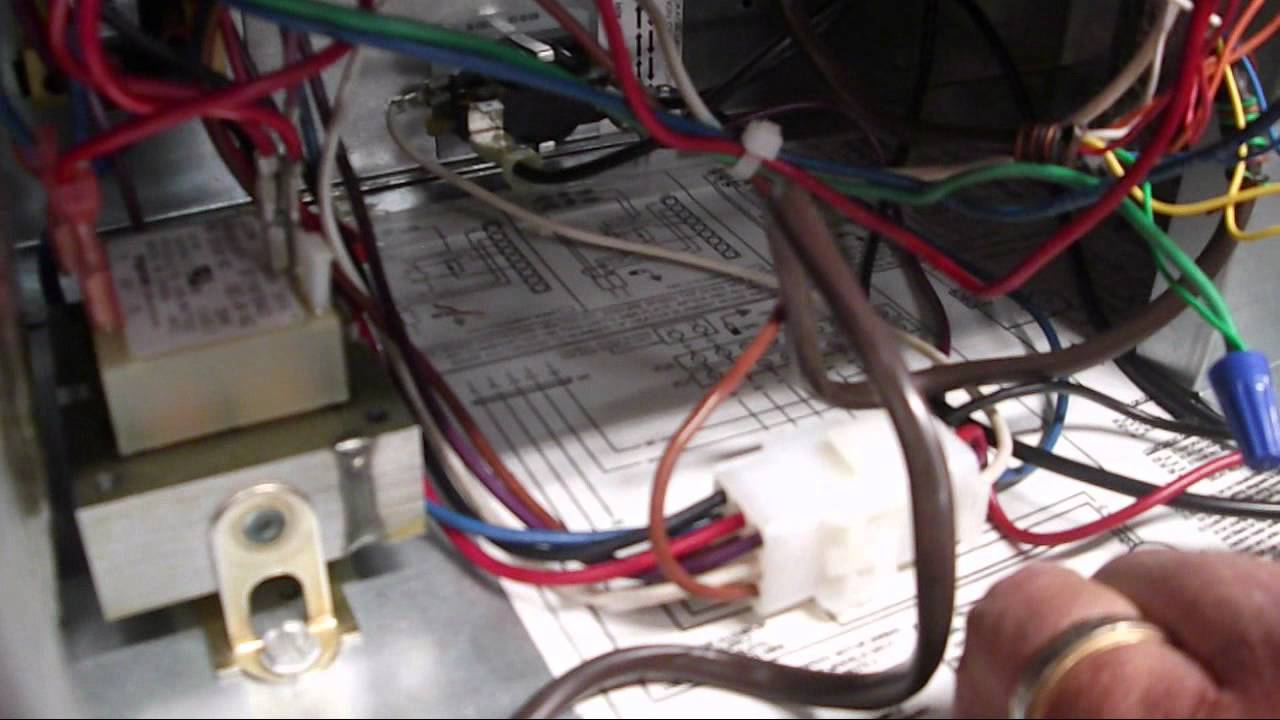
- Locate the fuse: Once the panel is removed, you'll see various electrical components, including the control board. The fuse is usually a small, glass or ceramic tube with metal caps on each end. It's often plugged into a fuse holder on the control board or sometimes located near the transformer. Look for a small component clearly labeled as a "fuse."
2. Near the Transformer
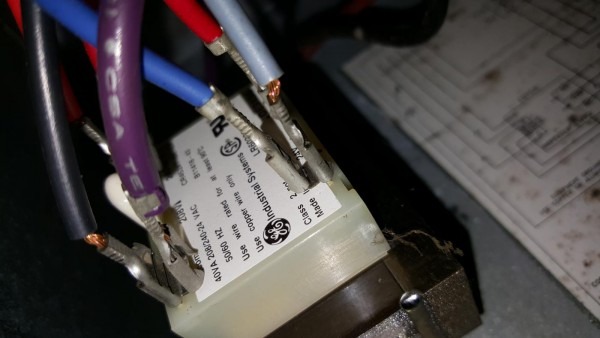
In some Goodman air handler models, particularly older ones, the fuse might be located close to the transformer. The transformer is a device that steps down the voltage of the electricity entering the air handler. Here's how to find it:
- Power Off: As always, make sure the power to the air handler is completely shut off at the breaker.
- Locate the transformer: Look for a rectangular or square component, often black or gray, with wires connected to it. It's typically larger than other components on the control board.
- Inspect the area: Carefully examine the area around the transformer. The fuse might be in a small fuse holder attached to the transformer or nearby on the chassis.
Important Note: Some air handlers may have more than one fuse. Be sure to check all potential locations. Consult your air handler's manual for specific fuse locations and ratings for your model. If you don't have the manual, you can often find it online by searching for your unit's model number.
Identifying the Fuse and Its Rating
Once you've located the fuse, you need to identify its rating. The rating, measured in amps (A), indicates the amount of electrical current the fuse can handle before blowing. The amp rating is usually printed on the fuse itself. Look for a number followed by the letter "A" (e.g., 3A, 5A, 10A). It's crucial to replace a blown fuse with one of the exact same rating. Using a fuse with a higher rating can bypass the safety mechanism and potentially damage the air handler.
Fuses come in different physical sizes and shapes. Common types include:
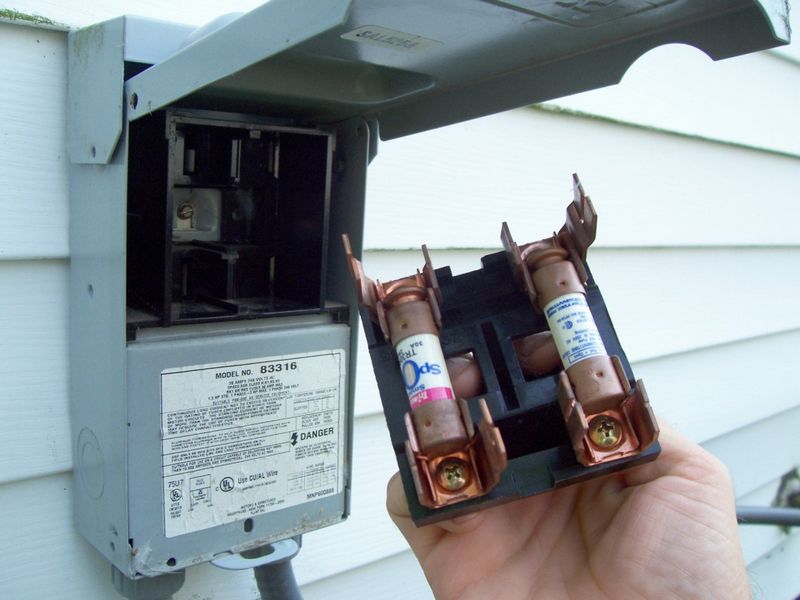
- Glass tube fuses: These are the most common type, with a visible filament inside the glass tube.
- Ceramic fuses: These are more durable than glass fuses and often used for higher current applications.
- Blade fuses: These are typically used in automotive applications but can sometimes be found in air handlers.
Checking the Fuse
A visual inspection is the first step in determining if a fuse is blown. For glass tube fuses, look for a broken or blackened filament inside the tube. For ceramic fuses, it's harder to tell visually, so you'll need to use a multimeter.
Using a Multimeter:
- Set the multimeter: Set your multimeter to the "continuity" setting. This setting is usually indicated by a diode symbol or a sound wave symbol.
- Test the fuse: Touch one probe of the multimeter to each end of the fuse.
- Interpret the results:
- If the multimeter beeps or displays a reading close to zero, the fuse is good (continuity exists).
- If the multimeter doesn't beep and displays a reading of "OL" or infinity, the fuse is blown (no continuity).
Replacing the Fuse
If you've determined that the fuse is blown, you'll need to replace it. Here's how:
- Purchase a replacement: Buy a new fuse with the exact same rating (amperage and voltage) and type as the old one. You can find fuses at most hardware stores, auto parts stores, or online retailers.
- Power Off (again!): Ensure the power to the air handler remains off at the breaker.
- Remove the old fuse: Carefully remove the blown fuse from its holder. You may need to use a fuse puller tool for easier removal, especially for tight-fitting fuses.
- Install the new fuse: Insert the new fuse into the fuse holder, ensuring it's seated securely.
- Replace the control panel: Reattach the control panel cover and secure it with screws or clips.
- Turn the power back on: Turn the circuit breaker back on.
- Test the system: Turn on your air conditioner or furnace to see if it's working.
What to Do If the Fuse Blows Again
If the new fuse blows immediately or shortly after you turn the system back on, it indicates a more serious problem. This means there's likely a short circuit or an overload in the air handler's electrical system. Possible causes include:
- Faulty blower motor: A worn-out or damaged blower motor can draw excessive current.
- Short circuit in wiring: Damaged or frayed wires can create a short circuit.
- Faulty capacitor: A malfunctioning capacitor can cause the motor to draw excessive current.
- Dirty air filter: A severely clogged air filter can restrict airflow, causing the blower motor to work harder and draw more current. Think of it as trying to breathe through a thick cloth; your body will work harder!
- Refrigerant leaks (in AC systems): Think of refrigerant as the 'blood' of your AC system, carrying heat from inside to outside. A leak can put strain on the compressor and related components, leading to electrical issues.
In this situation, it's best to call a qualified HVAC technician. They have the expertise and tools to diagnose and repair the underlying problem. Continuing to replace fuses without addressing the root cause can damage your air handler and potentially create a fire hazard.
Safety Precautions
Working with electricity can be dangerous. Always follow these safety precautions:
- Turn off the power: This is the most important step. Always turn off the power to the air handler at the circuit breaker before working on it.
- Use insulated tools: Use tools with insulated handles to prevent electrical shock.
- Don't work in wet conditions: Avoid working on electrical components in damp or wet environments.
- If unsure, call a professional: If you're not comfortable working with electricity, it's always best to call a qualified HVAC technician.
Preventative Measures
Here are some things you can do to help prevent fuses from blowing in your air handler:
- Regularly change your air filter: A clean air filter allows for proper airflow and reduces the strain on the blower motor.
- Schedule regular maintenance: Have your air handler inspected and serviced by a qualified HVAC technician at least once a year.
- Monitor your system: Pay attention to any unusual noises or smells coming from your air handler. These could be signs of a problem.
- Ensure proper ventilation: Make sure your air handler has adequate ventilation to prevent overheating.
By understanding the fuse location, function, and safety precautions, you can perform basic troubleshooting and potentially save yourself a service call. However, remember that electrical work can be dangerous, and if you're not comfortable, it's always best to call a qualified HVAC professional.