Goodman Furnace Auxiliary Limit Switch Location
Frequently Asked Questions: Goodman Furnace Auxiliary Limit Switch Location
The auxiliary limit switch in your Goodman furnace is a critical safety component. It's designed to prevent the furnace from overheating, shutting it down if temperatures get dangerously high. Understanding its function and potential location is important for troubleshooting and maintaining your heating system. This FAQ addresses common questions about the auxiliary limit switch in Goodman furnaces.
1. What is an Auxiliary Limit Switch and What Does it Do?
The auxiliary limit switch (also sometimes called a secondary limit switch) is a safety device that monitors the internal temperature of your Goodman furnace. It acts as a backup to the primary limit switch. Here's a simplified breakdown:
- Purpose: To prevent the furnace from overheating and potentially causing a fire or damage to components.
- Function: If the furnace gets too hot (above a set temperature threshold), the auxiliary limit switch trips, cutting off power to the gas valve and shutting down the furnace.
- Why Two Limit Switches?: Having both a primary and auxiliary limit switch provides an extra layer of safety and redundancy. If the primary limit switch fails, the auxiliary limit switch can still prevent overheating.
Think of it like a circuit breaker for heat. It's there to protect your furnace and your home.
2. Where is the Auxiliary Limit Switch Located in a Goodman Furnace?
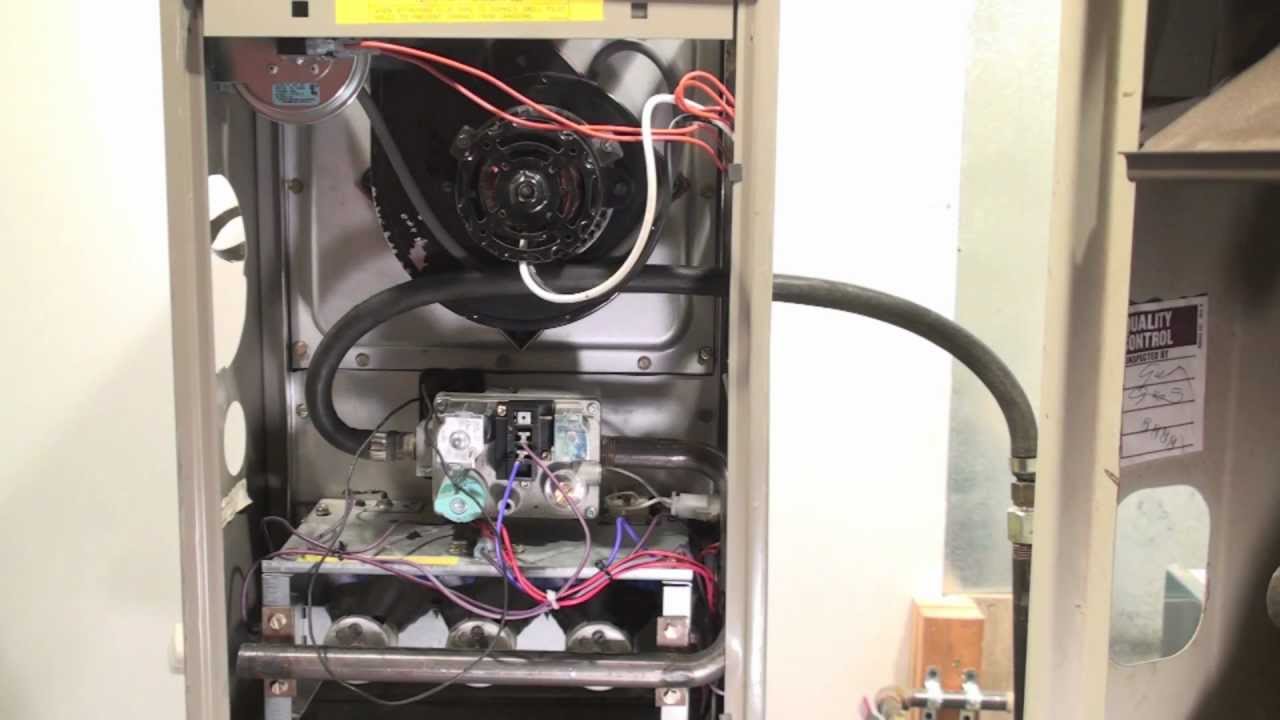
Locating the auxiliary limit switch in a Goodman furnace can vary slightly depending on the specific model and configuration. However, there are some general areas where you'll likely find it. Knowing these areas will help you or a technician quickly identify the switch during troubleshooting.
- Common Locations:
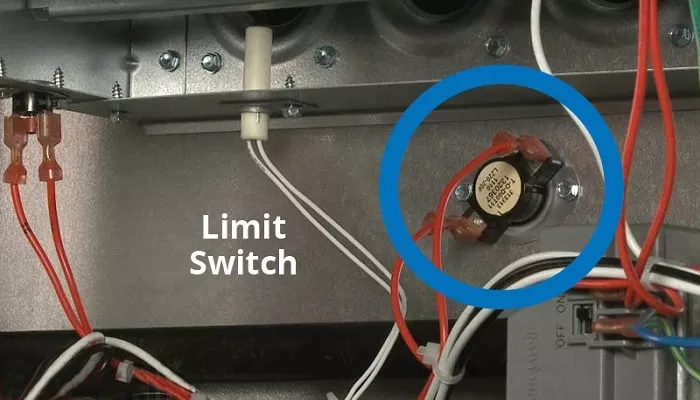
- On or Near the Heat Exchanger: This is the most common location. The auxiliary limit switch is often mounted directly on or very close to the heat exchanger housing. It needs to be near the hottest part of the furnace to accurately sense temperature.
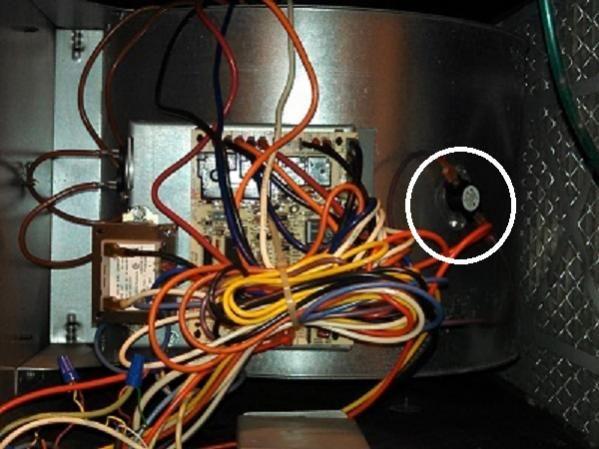
- Near the Blower Compartment: Sometimes, the auxiliary limit switch is located near the blower compartment, especially if it's designed to detect insufficient airflow which can lead to overheating.
- On the Blower Housing: Similar to the previous point, some models mount it directly on the blower housing.
- Behind the Control Panel: While less common, it could be tucked away near the control panel, but still with a wire running to the heat exchanger area for temperature sensing.
- Look for:
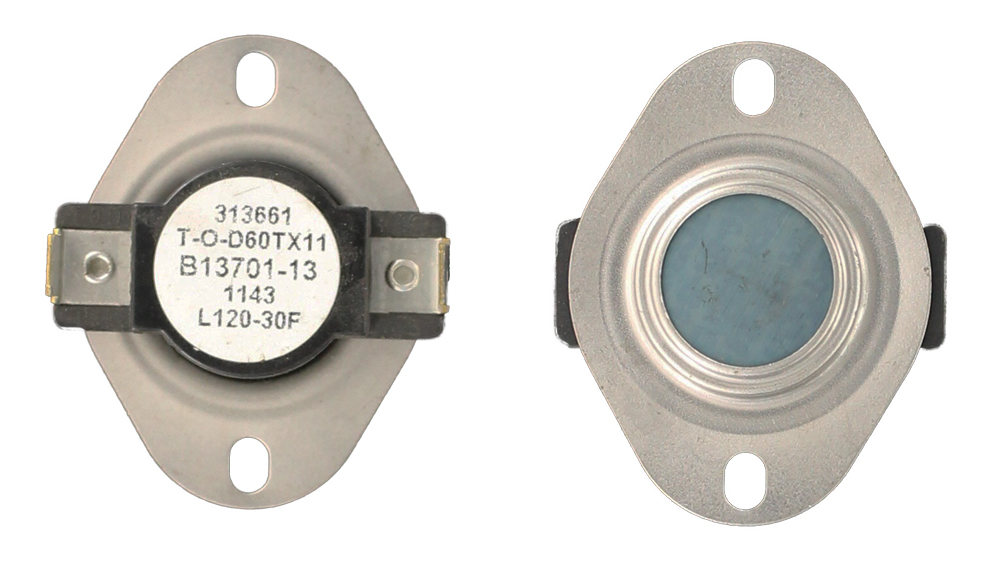
- A small, round or rectangular component: The switch itself is usually a small, disc-shaped or rectangular device.
- Wires attached: It will have two or more wires connected to it. These wires carry the electrical signal that shuts down the furnace.
- "Normally Closed" (NC) Indication: Many limit switches are "normally closed" meaning the circuit is complete until the switch trips due to high temperature.
- Important Note: Due to model variations, always consult your Goodman furnace's wiring diagram or service manual for the exact location. These documents are the most reliable sources of information.
Safety First! Never attempt to locate or work on the auxiliary limit switch without first disconnecting power to the furnace at the circuit breaker.
3. How Can I Identify the Auxiliary Limit Switch?
Even if you know the general location, identifying the *specific* auxiliary limit switch amongst other components can be tricky. Here's how to be sure:
- Wiring Diagram is Key: The wiring diagram is your best friend. It will clearly label all components, including the auxiliary limit switch, often with a designation like "Aux Limit" or "Secondary Limit."
- Trace the Wires: Follow the wires leading from the potential switch. Where do they go? If they connect directly to the gas valve or the furnace control board in a way that indicates a safety shutdown, it's a strong indication that you've found a limit switch.
- Look for Temperature Ratings: The auxiliary limit switch will often have a temperature rating printed on it (e.g., "200F"). This is the temperature at which the switch is designed to trip.
- Compare to the Primary Limit Switch: The auxiliary limit switch often looks similar to the primary limit switch. However, it's important to note that the temperature ratings may be different.
- Use a Multimeter (If You're Comfortable): A multimeter can be used to test the continuity of the switch. A "normally closed" switch should show continuity (a reading of near zero ohms) when the furnace is cool. If the switch is "open" (infinite ohms) and the furnace is not overheated, it indicates a potential problem with the switch itself. (Caution: Working with electricity can be dangerous. If you are not comfortable using a multimeter, consult a qualified HVAC technician.)
If you're unsure, it's always best to consult with a qualified HVAC technician. They have the expertise and tools to accurately identify and test the auxiliary limit switch.
4. What Causes the Auxiliary Limit Switch to Trip?
The auxiliary limit switch trips when the furnace overheats. This overheating can be caused by a variety of factors. Identifying the root cause is crucial to prevent the problem from recurring.
- Restricted Airflow: This is the most common reason. Insufficient airflow prevents the heat exchanger from properly dissipating heat, causing temperatures to rise.
- Dirty Air Filter: A clogged air filter restricts airflow to the blower motor and the furnace. Check and replace your air filter regularly (usually every 1-3 months).
- Blocked Vents: Make sure that all supply and return vents are open and unobstructed. Furniture, rugs, or debris can block airflow.
- Dirty Blower Wheel: A dirty blower wheel reduces the amount of air that the blower can move.
- Collapsed or Damaged Ductwork: Damaged or collapsed ductwork can restrict airflow and cause overheating.
- Faulty Blower Motor: If the blower motor is not running at the correct speed or is failing altogether, it won't be able to move enough air to cool the furnace.
- Overfiring: If the gas valve is allowing too much gas to flow into the burners, the furnace can overheat. This could be due to a gas valve malfunction or improper gas pressure settings.
- Heat Exchanger Problems: A cracked or damaged heat exchanger can affect the furnace's ability to dissipate heat properly. This is a serious safety concern, as it can also lead to carbon monoxide leaks.
- Failed Primary Limit Switch: If the primary limit switch fails to trip when the furnace starts to overheat, the auxiliary limit switch will trip as a backup. This indicates a problem with the primary limit switch that needs to be addressed.
If the auxiliary limit switch trips repeatedly, it's essential to investigate the cause. Continuing to reset the switch without addressing the underlying problem can lead to further damage to your furnace and potentially create a safety hazard.
5. Can I Reset the Auxiliary Limit Switch Myself?
Yes, many Goodman furnace auxiliary limit switches are manually resettable, meaning they have a small button that you can push to reset the switch after it has tripped. However, simply resetting the switch without addressing the underlying cause of the overheating is not recommended and can be dangerous.
- Locate the Reset Button: The reset button is usually a small, red or black button located on the body of the switch.
- Allow the Furnace to Cool: Before attempting to reset the switch, make sure the furnace has cooled down completely. This may take an hour or more.
- Push the Reset Button: Press the reset button firmly until you hear a click. This indicates that the switch has been reset.
- Monitor the Furnace: After resetting the switch, turn the furnace back on and monitor it closely. If the switch trips again, there is a problem that needs to be addressed by a qualified HVAC technician.
- If No Reset Button: Some auxiliary limit switches are automatic reset, meaning they reset themselves once the furnace cools down. If you don't see a reset button, it's likely an automatic reset type.
Important Safety Advice: If you have to reset the auxiliary limit switch more than once, call a qualified HVAC technician immediately. Repeatedly resetting the switch without fixing the underlying problem can lead to a dangerous situation. Don't take the risk.
6. When Should I Call a Professional HVAC Technician?
While some basic troubleshooting and maintenance (like changing the air filter) can be done by homeowners, there are several situations where calling a professional HVAC technician is crucial.
- Repeated Tripping: If the auxiliary limit switch trips more than once, it indicates a problem that you can't resolve on your own.
- Suspected Heat Exchanger Issues: If you suspect a cracked or damaged heat exchanger, do not operate the furnace. This is a serious safety hazard that requires immediate attention from a professional.
- Gas Leaks: If you smell gas near the furnace, immediately turn off the gas supply to the furnace and call your gas company or a qualified HVAC technician.
- Unfamiliar with Electrical Work: If you are not comfortable working with electricity, do not attempt to troubleshoot or repair the auxiliary limit switch yourself.
- Lack of Tools or Knowledge: If you don't have the necessary tools or knowledge to diagnose and repair the problem, it's best to leave it to the professionals.
- Regular Maintenance: Even if you're not experiencing any problems, it's a good idea to have your furnace inspected and serviced by a qualified HVAC technician at least once a year. This can help prevent problems from occurring in the first place and ensure that your furnace is operating safely and efficiently.
A qualified HVAC technician has the expertise, tools, and experience to accurately diagnose and repair any problems with your Goodman furnace, including issues related to the auxiliary limit switch. They can also ensure that your furnace is operating safely and efficiently, giving you peace of mind.
7. Can I Replace the Auxiliary Limit Switch Myself?
While it's *possible* to replace the auxiliary limit switch yourself, it's generally not recommended unless you have experience working with HVAC systems and electrical components. Here's why:
- Electrical Safety: Working with electricity can be dangerous. Improper wiring can lead to electrical shock, fire, or damage to your furnace.
- Correct Replacement Part: You need to ensure you purchase the correct replacement part for your specific Goodman furnace model. Using the wrong part can damage the furnace or create a safety hazard.
- Proper Installation: The auxiliary limit switch needs to be installed correctly for it to function properly. Improper installation can lead to overheating or other problems.
- Testing: After replacing the switch, you need to test it to ensure that it's working correctly. This requires the use of a multimeter and knowledge of how to test electrical circuits.
If you're not comfortable with any of these tasks, it's best to call a qualified HVAC technician. They can replace the auxiliary limit switch quickly and safely, ensuring that your furnace is operating properly.
Disclaimer: This FAQ provides general information and should not be considered a substitute for professional advice. Always consult with a qualified HVAC technician for any furnace-related issues or repairs.