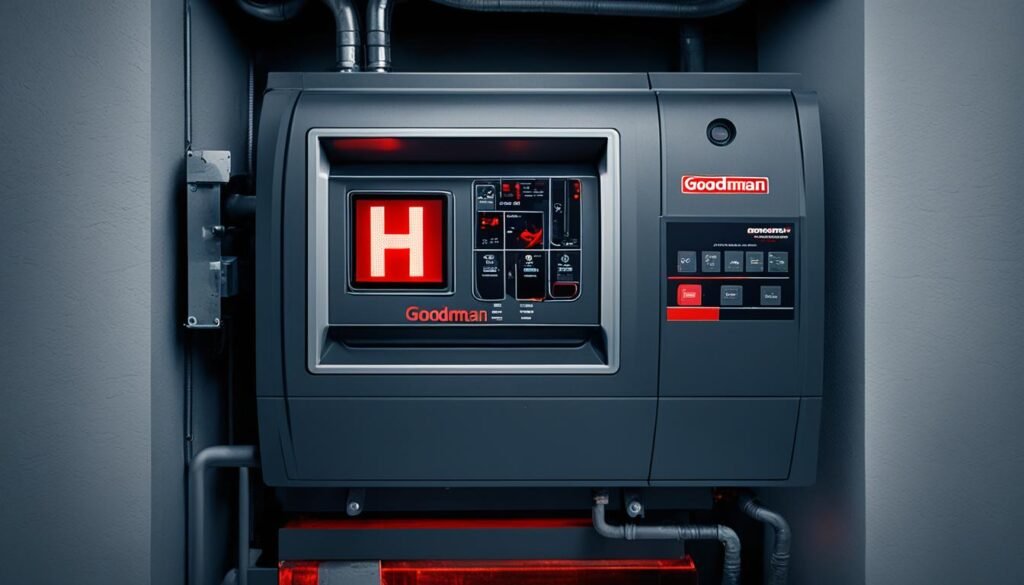
Goodman Furnace Codes

Many homeowners find themselves facing a chilly situation when their Goodman furnace unexpectedly stops working. Often, the first sign of trouble is a blinking light on the furnace control board, accompanied by a cryptic error code. These codes are your furnace's way of telling you something's wrong, and understanding them is the first step towards getting your heat back on. This guide will walk you through understanding common Goodman furnace codes and offer some simple troubleshooting steps you can safely perform yourself.
Understanding Goodman Furnace Error Codes
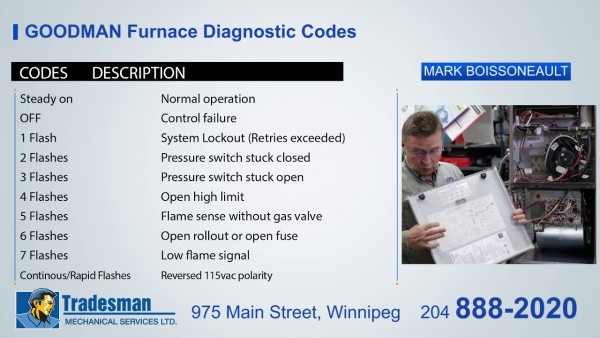
Goodman furnaces use a system of blinking lights (LEDs) on the control board to communicate error codes. These codes usually consist of a combination of slow and fast blinks, often separated by a pause. The number of blinks represents the specific fault the furnace has detected. Knowing how to interpret these codes is crucial for diagnosing the problem.
Important Safety Note: Before you begin any troubleshooting, always turn off the power to your furnace at the breaker box. This is a crucial safety step to prevent electrical shock. After making changes, before you turn the power on, ensure the furnace access panels are secured back in place.
Common Goodman Furnace Error Codes and Troubleshooting Steps
Here's a breakdown of some common Goodman furnace error codes, along with steps you can take to diagnose and potentially fix the issue:
1 Blink: Limit Switch Fault
What it means: The furnace's limit switch has tripped. This switch is a safety device that shuts down the furnace if it gets too hot, preventing damage or a fire.
Possible Causes:
- Dirty Filter: The most common cause of a limit switch tripping is a clogged air filter, which restricts airflow and causes the furnace to overheat.
- Closed Vents: Closing too many vents can also restrict airflow and lead to overheating.
- Blocked Return Air Grille: Obstructions in front of the return air grille can reduce airflow to the furnace.
- Faulty Blower Motor: A failing blower motor won't move enough air, causing the furnace to overheat.
DIY Troubleshooting Steps:
- Check and Replace the Air Filter: This is the easiest and most common fix. Replace the air filter with a clean one of the correct size. Always use the recommended filter type.
- Check Vents: Ensure that enough vents are open to allow for proper airflow. Don't close off too many rooms, especially those far from the furnace.
- Inspect Return Air Grille: Make sure the return air grille is not blocked by furniture, rugs, or other obstructions.
- Reset the Furnace: After addressing the potential airflow issues, turn the power to the furnace off at the breaker for a few minutes, then turn it back on. This will reset the system and allow it to restart.
When to Call a Professional: If the limit switch continues to trip after you've addressed the airflow issues, there may be a problem with the limit switch itself, the blower motor, or another component of the furnace. This requires professional diagnosis and repair. Continuing to reset the furnace with a persistent limit switch issue can damage other components.
3 Blinks: Pressure Switch Fault
What it means: The pressure switch, which verifies that the draft inducer motor is creating sufficient vacuum to vent exhaust gases, is not closing properly.
Possible Causes:
- Blocked Vent Pipe: Obstructions in the vent pipe can prevent proper venting and cause the pressure switch to fail. This is a common issue during winter, with ice and snow.
- Condensate Drain Issues: A clogged or blocked condensate drain can prevent the pressure switch from closing.
- Faulty Pressure Switch: The pressure switch itself may be faulty.
- Draft Inducer Motor Problems: A failing draft inducer motor won't create enough vacuum to close the pressure switch.
DIY Troubleshooting Steps:
- Inspect the Vent Pipe: Carefully inspect the vent pipe for any obstructions, such as leaves, debris, or ice. If possible, safely remove any obstructions you find.
- Check the Condensate Drain: Locate the condensate drain (usually a PVC pipe) and check for any clogs or blockages. You can try clearing it with a wet/dry vacuum or a stiff wire. Make sure the drain line has a downward slope.
- Reset the Furnace: After checking the vent pipe and condensate drain, turn the power to the furnace off at the breaker for a few minutes, then turn it back on.
When to Call a Professional: If the pressure switch error persists after checking the vent pipe and condensate drain, the pressure switch itself or the draft inducer motor may be faulty. These components require professional diagnosis and replacement. Working with vent pipes can be dangerous, especially regarding carbon monoxide poisoning, so professional intervention is crucial if the problem persists.
4 Blinks: Open High Limit Device
What it means: Similar to the 1-blink code, this indicates a high-temperature condition within the furnace, but it might involve a different limit switch or sensor.
Possible Causes: This shares many of the same causes as the 1-blink code, including:
- Dirty Filter
- Closed Vents
- Blocked Return Air Grille
- Faulty Blower Motor
- Over firing (Gas Pressure too high)
DIY Troubleshooting Steps: Follow the same steps as for the 1-blink code:
- Check and Replace the Air Filter
- Check Vents
- Inspect Return Air Grille
- Reset the Furnace
When to Call a Professional: As with the 1-blink code, if the high limit issue persists after addressing airflow, a professional is needed to diagnose the problem. There may be an issue with the specific high limit device, the gas valve, or other components related to combustion control.
6 Blinks: Flame Sense Error
What it means: The furnace is not detecting a flame when it should be. This can indicate a problem with the ignition system or the flame sensor.
Possible Causes:
- Dirty Flame Sensor: The flame sensor is a small metal rod that detects the presence of a flame. If it's dirty, it may not be able to detect the flame properly.
- Faulty Igniter: The igniter is responsible for creating the spark that ignites the gas. If it's faulty, the furnace won't light.
- Gas Supply Issues: A problem with the gas supply to the furnace can also cause a flame sense error.
- Faulty Gas Valve: The gas valve might not be opening to allow gas flow.
DIY Troubleshooting Steps:
- Clean the Flame Sensor: Locate the flame sensor (it's usually a small metal rod near the burners). Carefully remove it and clean it with fine steel wool or sandpaper. Be gentle to avoid damaging it. Reinstall the flame sensor.
- Check the Gas Supply: Make sure the gas valve to the furnace is open. Also, check to see if other gas appliances in your home are working. If not, there may be a problem with your gas supply.
- Reset the Furnace: After cleaning the flame sensor and checking the gas supply, turn the power to the furnace off at the breaker for a few minutes, then turn it back on.
When to Call a Professional: If the flame sense error persists after cleaning the flame sensor and checking the gas supply, there may be a problem with the igniter, gas valve, or other components of the ignition system. Working with gas lines and ignition systems can be dangerous, so professional intervention is crucial. Never attempt to repair gas components yourself.
9 Blinks: Low Flame or Flame Failure
What it means: The furnace is starting, but the flame is weak or unstable, or the flame goes out during operation.
Possible Causes:
- Dirty Burners: Carbon build-up can impede the flame.
- Low Gas Pressure: Insufficient gas flow can cause a weak flame.
- Restricted Combustion Air: Similar to ventilation, the burners need proper air to sustain a flame.
- Faulty Flame Sensor: Even a cleaned flame sensor can be defective.
DIY Troubleshooting Steps:
- Inspect the Burners (Visual): Turn off the furnace at the breaker. Carefully remove the burner access panel (if you're comfortable doing so and know how to safely reinstall it). Look for significant carbon buildup on the burners. If present, cleaning might require professional tools and expertise.
- Check for Combustion Air Obstructions: Ensure the furnace is getting sufficient combustion air. Look for any obstructions blocking the combustion air intake (often a pipe leading to the outside).
- Reset the Furnace: After these checks, turn off the breaker, wait a few minutes, and turn it back on.
When to Call a Professional: Low gas pressure and precise burner cleaning are best left to HVAC professionals. If the problem continues, the system requires a skilled technician. Also, any concerns about gas leaks necessitate immediate attention and professional intervention.
Preventive Maintenance is Key
The best way to avoid furnace problems is to perform regular preventive maintenance. Here are a few tips:
- Change the Air Filter Regularly: Check your air filter monthly and replace it every 1-3 months, depending on usage and the type of filter. A clean filter improves airflow and prevents overheating.
- Schedule Annual Furnace Maintenance: Have your furnace professionally inspected and serviced at least once a year. A qualified technician can identify and address potential problems before they become major issues.
- Keep Vents and Return Air Grilles Clear: Ensure that vents and return air grilles are not blocked by furniture or other obstructions.
When to Call a Professional – A Summary
While you can troubleshoot some common Goodman furnace error codes yourself, it's essential to know when to call a professional. Here's a summary of situations that require expert assistance:
- If the error code persists after you've tried the DIY troubleshooting steps.
- If you suspect a gas leak. (Leave the premises immediately and call your gas company or 911.)
- If you're uncomfortable working with electrical or gas components.
- If you suspect a problem with the blower motor, pressure switch, igniter, gas valve, or other major components.
- If you're not sure what the error code means or how to troubleshoot it.
By understanding common Goodman furnace error codes and following these troubleshooting steps, you can potentially fix simple problems yourself and avoid costly repairs. However, always prioritize safety and call a professional when in doubt. A well-maintained furnace will provide reliable heat and comfort for years to come.