Goodman Furnace Condensate Drain Trap

The condensate drain trap is a seemingly small but crucial component in modern Goodman furnaces. It plays a vital role in ensuring efficient and safe operation by managing the water produced during the heating process. Understanding its function, maintenance requirements, and potential issues is essential for homeowners, HVAC technicians, and facility managers alike.
What is a Condensate Drain Trap and Why is it Important?
High-efficiency furnaces, including many Goodman models, are often referred to as condensing furnaces. This is because they extract more heat from the combustion gases compared to older, less efficient models. This extra heat extraction causes water vapor present in the flue gases to condense into liquid water – condensate. This condensate is mildly acidic due to the presence of carbon dioxide and other combustion byproducts. The condensate drain trap is responsible for collecting and safely draining this acidic water away from the furnace and into a designated drain, such as a floor drain or condensate pump.
The importance of the condensate drain trap lies in several key areas:
- Preventing Corrosion: The acidic condensate, if not properly managed, can corrode the furnace's internal components, leading to premature failure and costly repairs. The trap ensures the condensate is channeled away, protecting the heat exchanger, burners, and other vital parts.
- Maintaining Airflow: The condensate drain trap creates a water seal. This seal prevents flue gases, including potentially dangerous carbon monoxide, from escaping into the living space through the condensate drain line. It also helps maintain the proper pressure and airflow within the furnace, optimizing combustion efficiency.
- Ensuring Proper Operation: A blocked or malfunctioning condensate drain trap can cause the furnace to shut down. Many modern furnaces are equipped with safety switches that detect condensate backup and trigger a shutdown to prevent damage.
How a Condensate Drain Trap Works
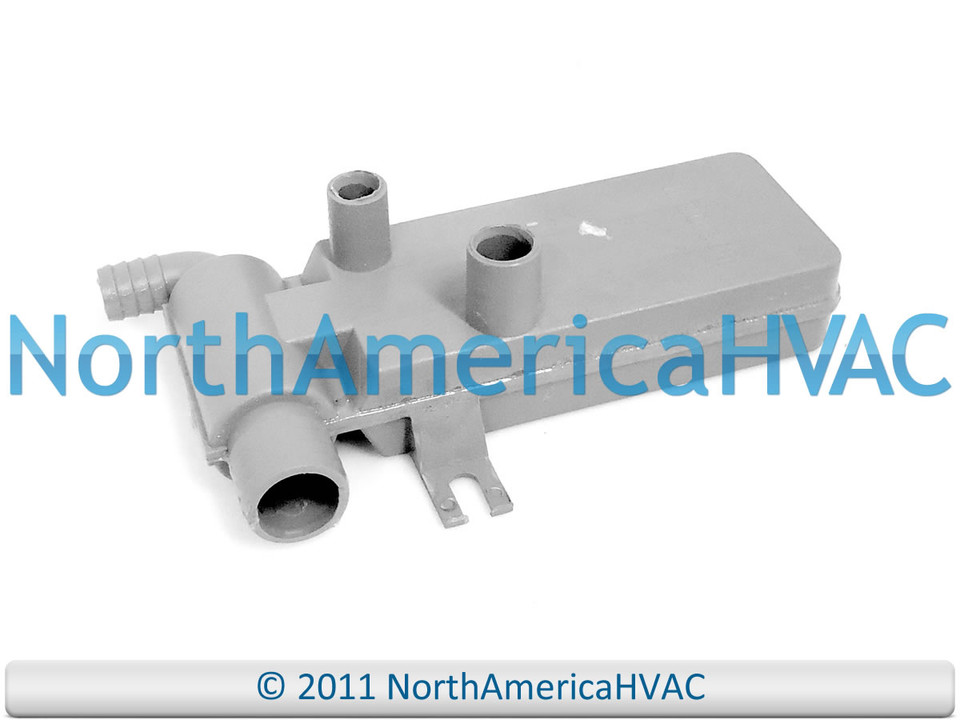
The design of a condensate drain trap is relatively simple, yet effective. It typically consists of a U-shaped or P-shaped pipe section that holds water, creating the crucial water seal. Condensate flows into the trap, fills the lower portion, and then overflows into the drain line. The standing water in the trap prevents air from flowing backward into the furnace.
Goodman furnaces often feature condensate traps made of durable PVC or other corrosion-resistant materials. Some models may incorporate cleanout ports or removable sections to facilitate easier cleaning and maintenance.
Common Types of Condensate Drain Traps
- P-Trap: A common design, resembling the letter "P" laid on its side.
- U-Trap: Shaped like a "U."
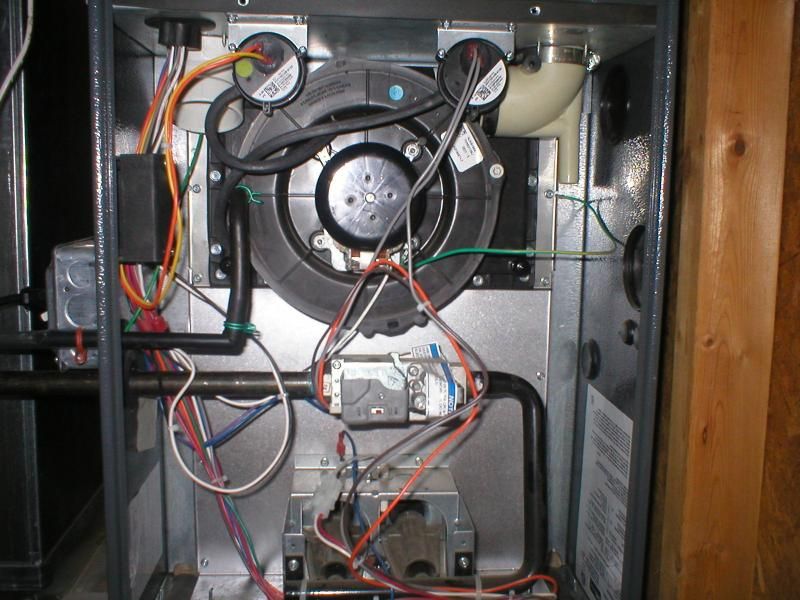
- Internal Trap: Integrated within the furnace cabinet itself. These can be more challenging to access for cleaning.
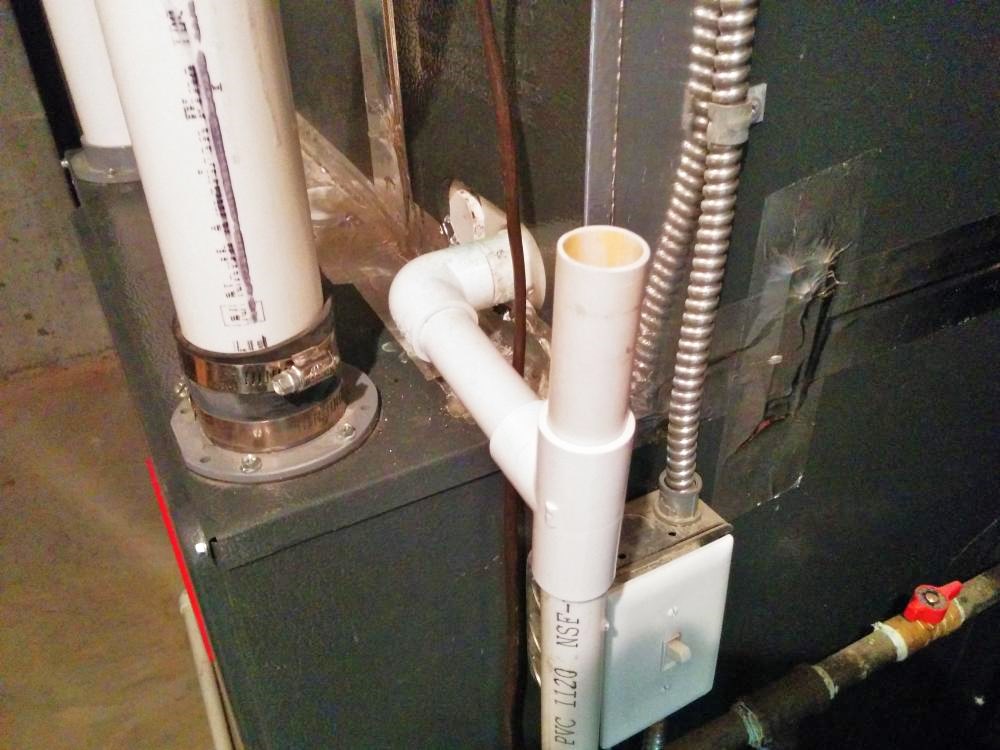
- External Trap: Located outside the furnace cabinet, often providing easier access for maintenance.
Maintenance and Troubleshooting
Regular maintenance is crucial for ensuring the proper functioning of the condensate drain trap. A clogged or blocked trap is a common issue that can lead to furnace malfunctions.
Preventative Maintenance
- Annual Cleaning: Schedule an annual furnace tune-up with a qualified HVAC technician. As part of the service, the technician should inspect and clean the condensate drain trap.
- DIY Cleaning (if comfortable): If you're comfortable working with basic plumbing, you can attempt to clean the trap yourself. Turn off the furnace power before starting. Locate the trap, which is usually near the bottom of the furnace. Disconnect the trap (if possible, depending on the model) and flush it with water to remove any debris. You can also use a small brush or wire to dislodge stubborn clogs. Reconnect the trap securely, ensuring all connections are tight.
- Vinegar Flush: Periodically pour a cup of white vinegar down the condensate drain line. Vinegar's mild acidity can help dissolve mineral deposits and prevent clogs.
Troubleshooting Common Problems
- Clogged Drain Line: This is the most frequent issue. Symptoms include water backing up into the furnace, a musty odor, and the furnace shutting down. Use a wet/dry vacuum to try to clear the clog. Attach the vacuum hose to the end of the drain line (where it exits the furnace) and apply suction. If this doesn't work, you may need to use a plumber's snake to break up the blockage.
- Leaking Trap: Inspect the trap for cracks or leaks. If you find any damage, replace the trap immediately. Leaks can cause water damage to surrounding areas and contribute to corrosion.
- Frozen Condensate Line: In very cold climates, the condensate line can freeze, blocking the drain. Insulate the line to prevent freezing. You can also try pouring warm (not hot) water over the line to thaw it.
- Air Lock: Sometimes, an air lock can form in the drain line, preventing condensate from flowing properly. Try disconnecting the drain line at a point and allowing the air to escape.
Cost Considerations
The cost associated with the condensate drain trap can vary depending on the specific issue and the required solution.
- Cleaning: Professional cleaning as part of a furnace tune-up typically costs between $75 and $150.
- Replacement: Replacing a damaged or malfunctioning condensate drain trap is relatively inexpensive. The part itself usually costs between $10 and $30. However, labor costs can add to the total expense. Expect to pay between $100 and $250 for a professional replacement.
- Condensate Pump: If the furnace is located in a basement or area where gravity drainage is not possible, a condensate pump is required. These pumps typically cost between $50 and $200, plus installation.
Comparing Goodman Furnaces and Condensate Drain Traps
Goodman offers a range of high-efficiency furnaces, and the specific condensate drain trap design may vary slightly depending on the model. When comparing Goodman furnaces, consider the following:
- AFUE (Annual Fuel Utilization Efficiency) Rating: Higher AFUE ratings indicate greater energy efficiency. Goodman offers furnaces with AFUE ratings ranging from 80% to 98%. Higher efficiency models produce more condensate.
- Warranty: Goodman furnaces typically come with a limited warranty on parts and a longer warranty on the heat exchanger. Check the warranty details for coverage related to condensate drain trap issues.
- Installation: Proper installation is critical for the long-term performance of any furnace, including the condensate drain system. Ensure that a qualified HVAC technician installs the furnace according to the manufacturer's instructions.
Condensate Drain Trap and Building Codes
Local building codes often have specific requirements regarding condensate drainage. These codes may dictate the type of drain line material, the slope of the drain line, and the location of the drain termination. Ensure that your Goodman furnace installation complies with all applicable local codes.
The Importance of Professional HVAC Technicians
While some basic maintenance tasks can be performed by homeowners, it's crucial to rely on qualified HVAC technicians for more complex issues. A professional technician has the knowledge, experience, and tools to diagnose and repair condensate drain trap problems correctly and safely. They can also ensure that the furnace is operating efficiently and that all safety systems are functioning properly.
Conclusion
The Goodman furnace condensate drain trap is a vital component that ensures the efficient and safe operation of high-efficiency heating systems. Understanding its function, maintenance requirements, and potential issues is essential for homeowners, HVAC technicians, and facility managers. Regular maintenance, prompt troubleshooting, and reliance on qualified professionals can help prevent costly repairs and ensure the long-term performance of your Goodman furnace.