Goodman Furnace Limit Switch Location

The limit switch in a Goodman furnace is a critical safety component, designed to prevent overheating. Understanding its location, function, and potential issues is crucial for homeowners, HVAC technicians, and facility managers alike. This article provides a comprehensive overview of the Goodman furnace limit switch, covering its typical locations, how to identify it, common problems, troubleshooting steps, and maintenance tips.
Understanding the Limit Switch: The Basics
In simple terms, a limit switch is a safety device that monitors the internal temperature of your furnace. If the furnace gets too hot, the limit switch trips, shutting down the gas supply and the burner to prevent damage and potential fire hazards. Think of it like a circuit breaker for your furnace's heat. Without a functioning limit switch, a furnace could continue to run even when dangerously overheated, leading to costly repairs or even hazardous situations.
There are several types of limit switches, including:
- Manual Reset Limit Switch: Requires manual resetting after it trips. These are less common in modern furnaces.
- Automatic Reset Limit Switch: Resets automatically once the temperature cools down to a safe level. This is the most common type in Goodman furnaces.
- Rollout Switch: A specific type of limit switch designed to detect flame rollout (when the flame escapes the burner area). These are usually located near the burner assembly.
Locating the Limit Switch in a Goodman Furnace
The location of the limit switch in a Goodman furnace can vary slightly depending on the specific model, but generally, you can find it in one of the following areas:
1. Above the Burner Assembly
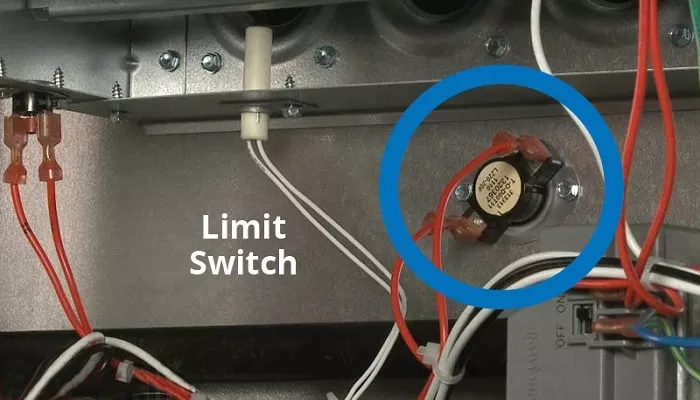
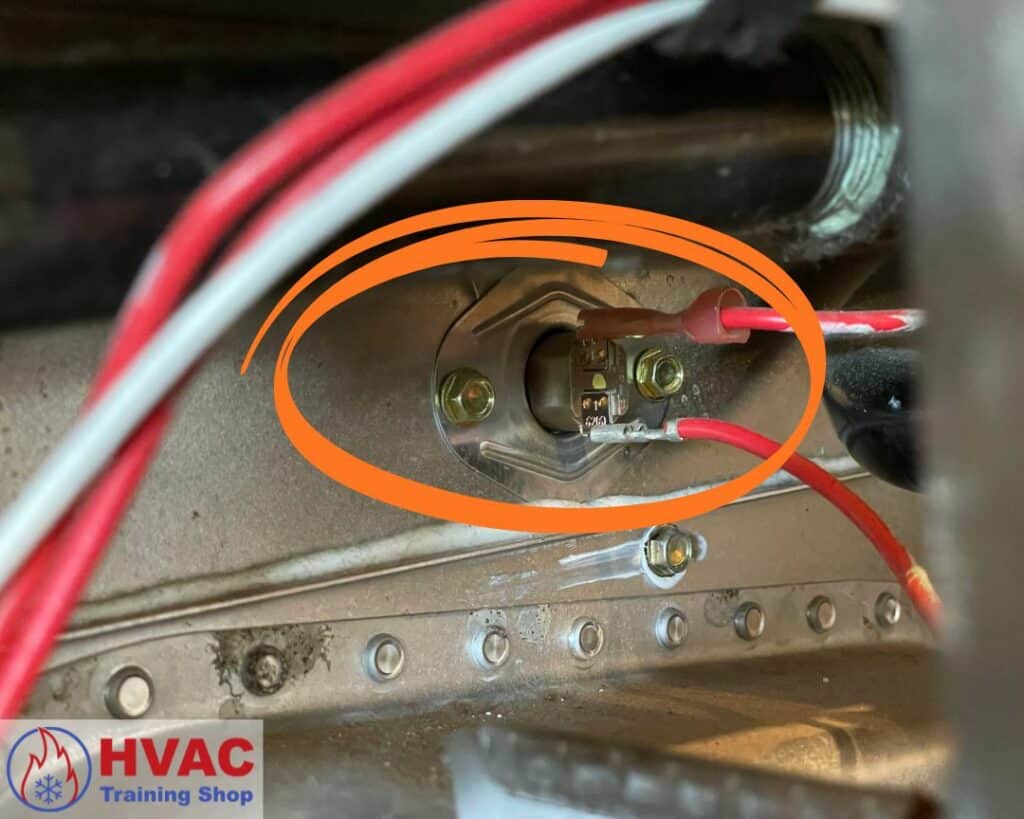
One of the most common locations is on the blower housing, above the burner assembly. Look for a small, rectangular or circular component with wires attached. It's often mounted on the metal casing with screws or clips. You might need a flashlight to get a good view.
2. Near the Blower Motor
Another possible location is near the blower motor. Some Goodman furnaces position the limit switch in this area to monitor the overall temperature within the furnace cabinet. Again, look for a small component with wires connected to it.
3. On the Furnace Control Board
In some newer Goodman models, the limit switch might be integrated into or located directly adjacent to the furnace control board. The control board is usually housed in a separate compartment within the furnace. You'll need to remove the access panel to see it. Consult your furnace's wiring diagram, typically found on the inside of the access panel, to positively identify the limit switch.
Important Note: Always disconnect the power to the furnace at the circuit breaker before attempting to locate or inspect any internal components. Safety first!
Identifying the Limit Switch
Once you've located a potential limit switch, how do you confirm it's the right component? Here are some key indicators:
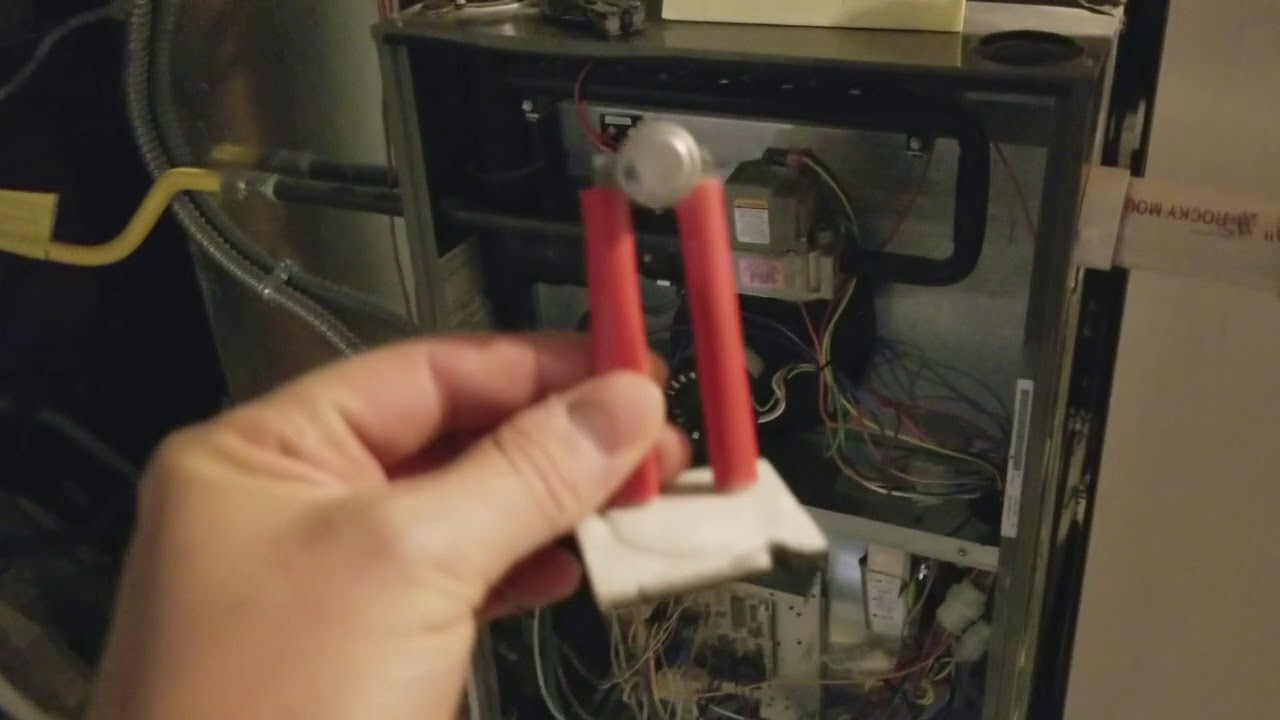
- Shape and Size: Limit switches are typically small, rectangular, or circular components, often made of metal or plastic. They usually measure only a few inches in diameter or length.
- Wiring: Limit switches will have wires connected to them. These wires usually run to the furnace control board or other safety components.
- Markings: Many limit switches are labeled with information such as their temperature rating (the temperature at which they trip) and voltage. Look for markings like "LXXXF" (where XXX is a number representing the temperature in Fahrenheit) or "Limit Switch."
- Wiring Diagram: The furnace's wiring diagram is your best friend. It will clearly identify the limit switch and its wiring connections.
Common Problems with Limit Switches
Limit switches can fail for several reasons, leading to furnace malfunctions. Here are some of the most common issues:
1. Overheating
The most common cause of limit switch failure is, unsurprisingly, overheating. This can be caused by:
- Dirty Air Filter: A clogged air filter restricts airflow, causing the furnace to work harder and overheat. This is the number one reason for limit switch issues!
- Blocked Vents: Obstructed supply or return vents can also restrict airflow, leading to overheating.
- Faulty Blower Motor: A failing blower motor won't circulate air properly, resulting in high temperatures.
- Dirty Blower Wheel: A dirty blower wheel won't move air as efficiently.
- Gas Pressure Issues: Incorrect gas pressure can cause the burner to produce excessive heat.
- Damaged Heat Exchanger: A cracked or damaged heat exchanger can cause the furnace to overheat and even release dangerous carbon monoxide. This is a serious safety hazard!
2. Electrical Issues
Electrical problems can also cause limit switch failures:
- Loose Wiring: Loose connections can cause the limit switch to malfunction or trip prematurely.
- Short Circuits: A short circuit in the wiring can damage the limit switch.
- Voltage Fluctuations: Unstable voltage can also affect the limit switch's performance.
3. Defective Switch
Sometimes, the limit switch itself is simply defective. Like any mechanical or electrical component, limit switches can wear out over time.
Troubleshooting the Limit Switch
If your Goodman furnace is experiencing problems, such as shutting down prematurely or not starting at all, the limit switch might be the culprit. Here's a basic troubleshooting guide:
- Check the Air Filter: This is the easiest and most important first step. Replace a dirty air filter immediately.
- Inspect Vents: Ensure all supply and return vents are open and unobstructed.
- Check the Blower Motor: Listen for unusual noises or signs of struggle from the blower motor. If it's running poorly, it may need to be repaired or replaced.
- Test the Limit Switch with a Multimeter: With the power off, use a multimeter to check the continuity of the limit switch. A working limit switch should show continuity (a closed circuit) when the furnace is cool. When heated it should break the connection. If it shows no continuity when cool or doesn't break continuity when hot, it's likely faulty.
- Inspect Wiring: Check for loose or damaged wiring connections to the limit switch.
Important Safety Warning: If you suspect a gas leak, immediately turn off the gas supply to the furnace and contact a qualified HVAC technician or your local gas company. Do not attempt to repair a gas leak yourself!
Maintenance Tips
Regular maintenance can help prevent limit switch failures and extend the lifespan of your Goodman furnace:
- Replace Air Filters Regularly: Change your air filter every 1-3 months, depending on the type of filter and the air quality in your home.
- Schedule Regular Furnace Maintenance: Have your furnace professionally inspected and cleaned annually. This will help identify potential problems before they become major issues.
- Keep Vents Clear: Ensure that all supply and return vents are free of obstructions.
- Monitor Furnace Performance: Pay attention to how your furnace is running. If you notice any unusual noises, smells, or performance issues, contact a qualified HVAC technician.
Cost of Replacing a Limit Switch
The cost of replacing a limit switch in a Goodman furnace can vary depending on the specific model of the furnace and the labor rates in your area. Generally, you can expect to pay between $100 and $300 for the replacement, including parts and labor. The limit switch itself is a relatively inexpensive part, typically costing between $20 and $50. The bulk of the cost is usually the labor charge for the HVAC technician to diagnose the problem and install the new switch.
When to Call a Professional
While some basic troubleshooting steps can be performed by homeowners, it's essential to call a qualified HVAC technician for any complex repairs or if you're not comfortable working with electricity or gas. Specifically, you should contact a professional if:
- You suspect a gas leak.
- You're not comfortable working with electrical components.
- You can't identify the cause of the limit switch failure.
- The furnace is still malfunctioning after replacing the limit switch.
A qualified HVAC technician has the expertise and tools to diagnose the problem accurately and perform the necessary repairs safely and effectively. They can also identify any underlying issues that may be causing the limit switch to fail repeatedly.
By understanding the function, location, and potential problems associated with the limit switch in your Goodman furnace, you can ensure the safe and efficient operation of your heating system and prevent costly repairs. Remember to prioritize safety and contact a qualified HVAC technician for any complex repairs or concerns.