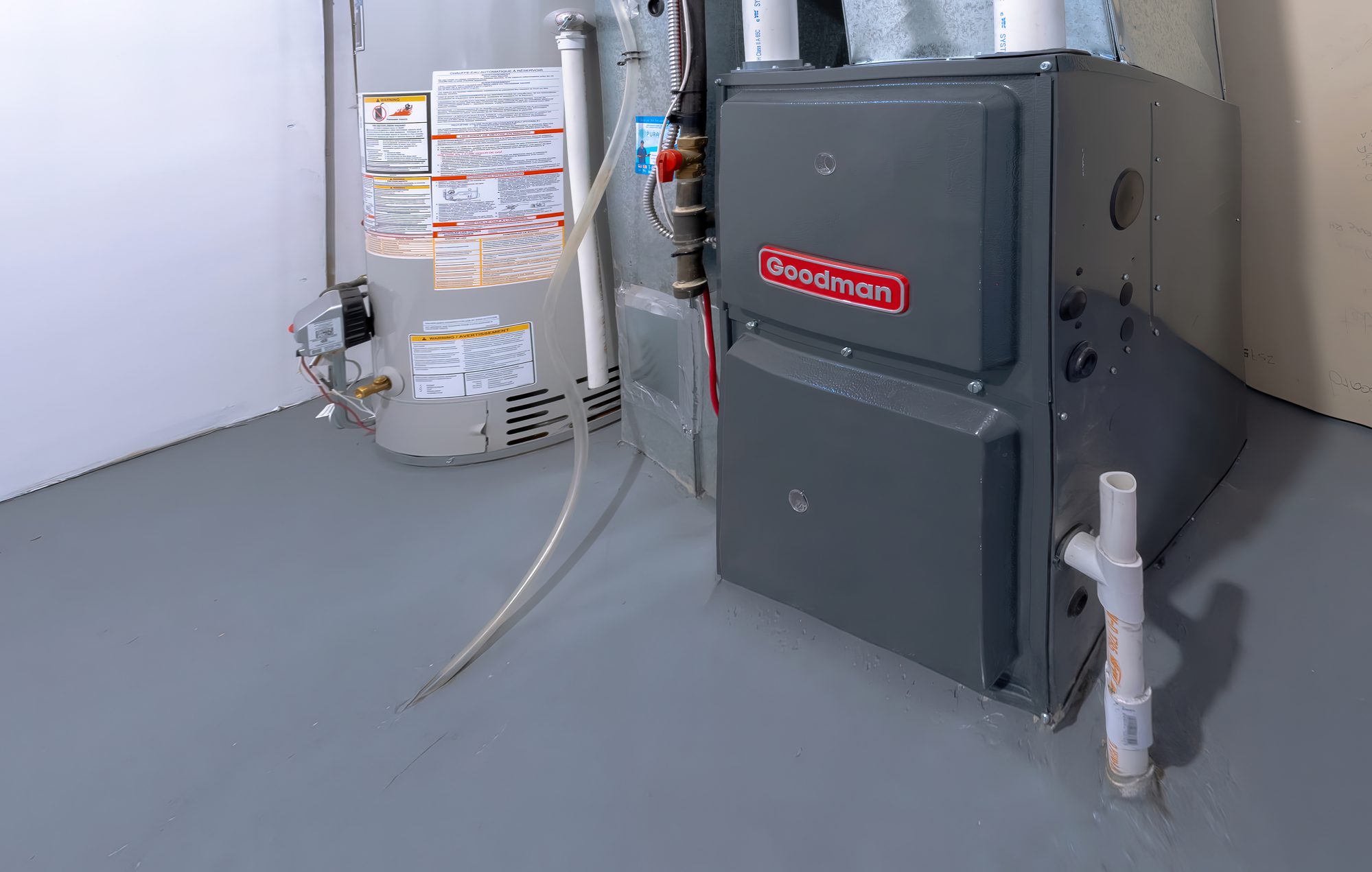
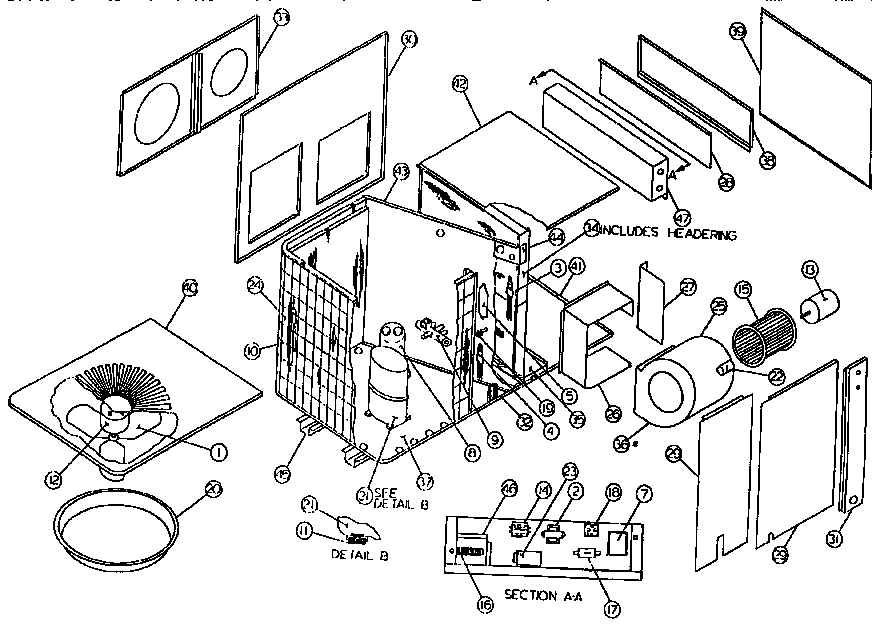
Goodman Furnace Parts Diagram

Frequently Asked Questions: Goodman Furnace Parts Diagram
Understanding your Goodman furnace and its various components is crucial for proper maintenance and troubleshooting. A Goodman furnace parts diagram is an invaluable tool in this process. This FAQ aims to answer common questions about these diagrams and how to use them effectively.
Question 1: What exactly is a Goodman Furnace Parts Diagram and why do I need one?
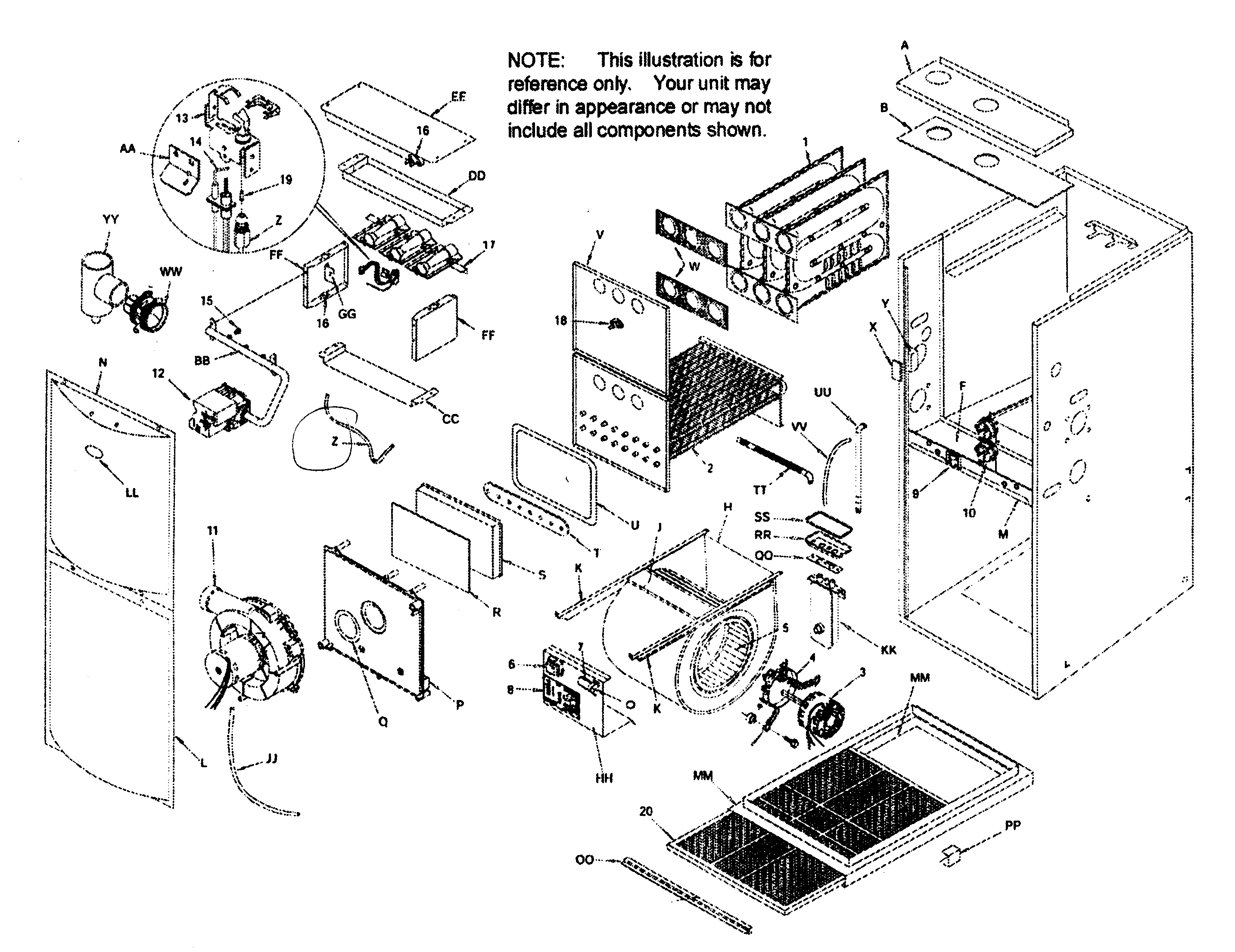
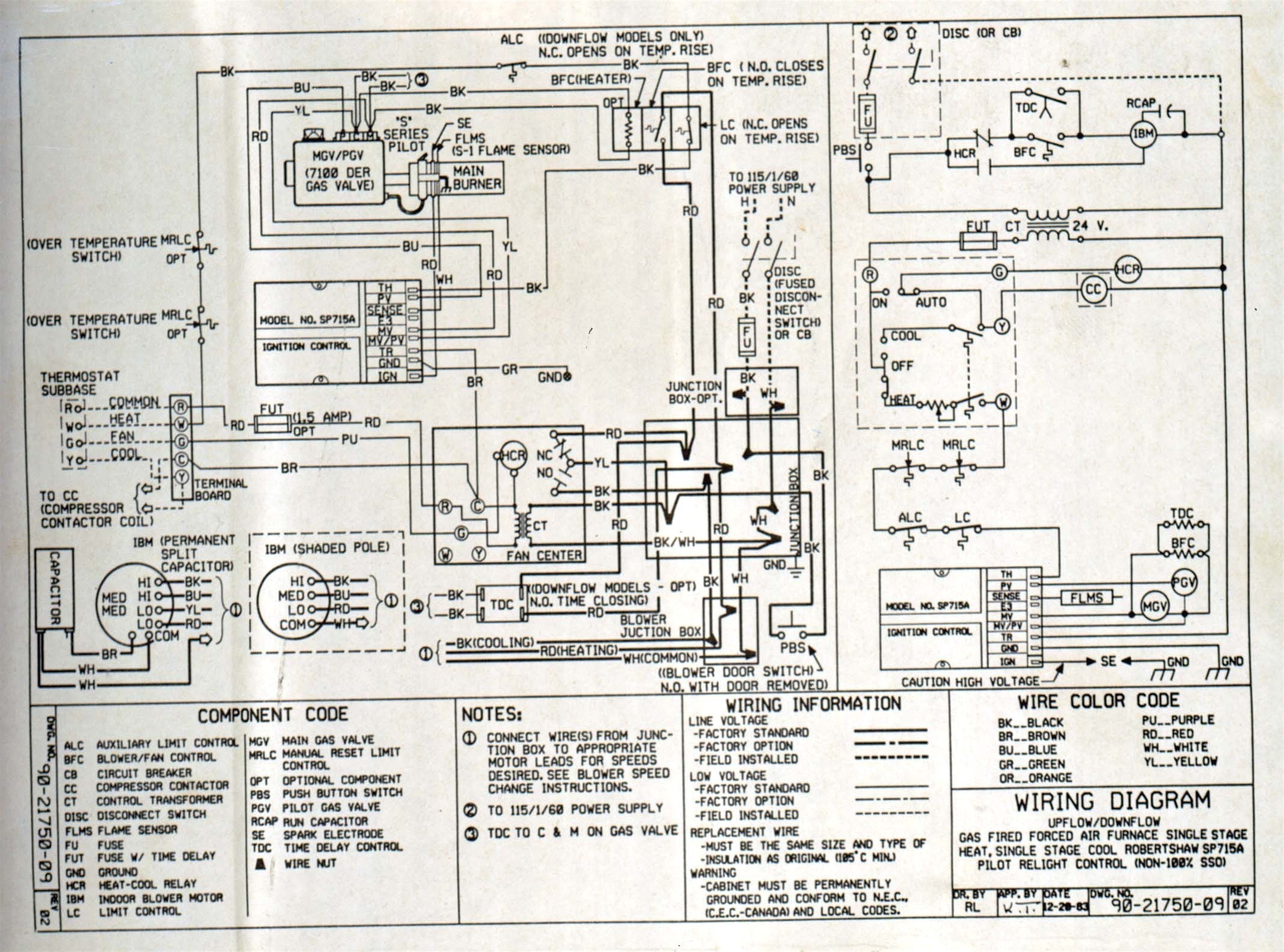
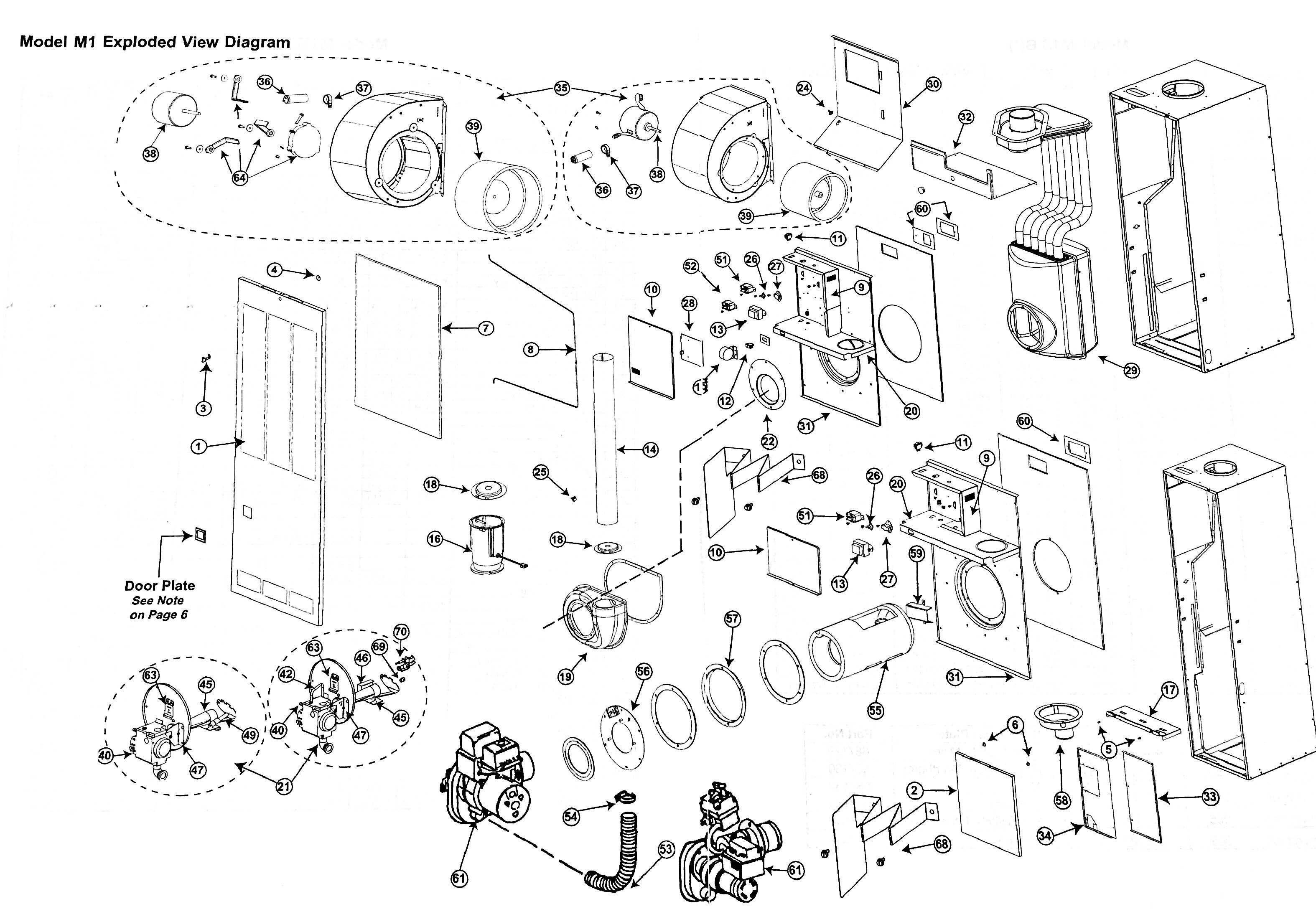
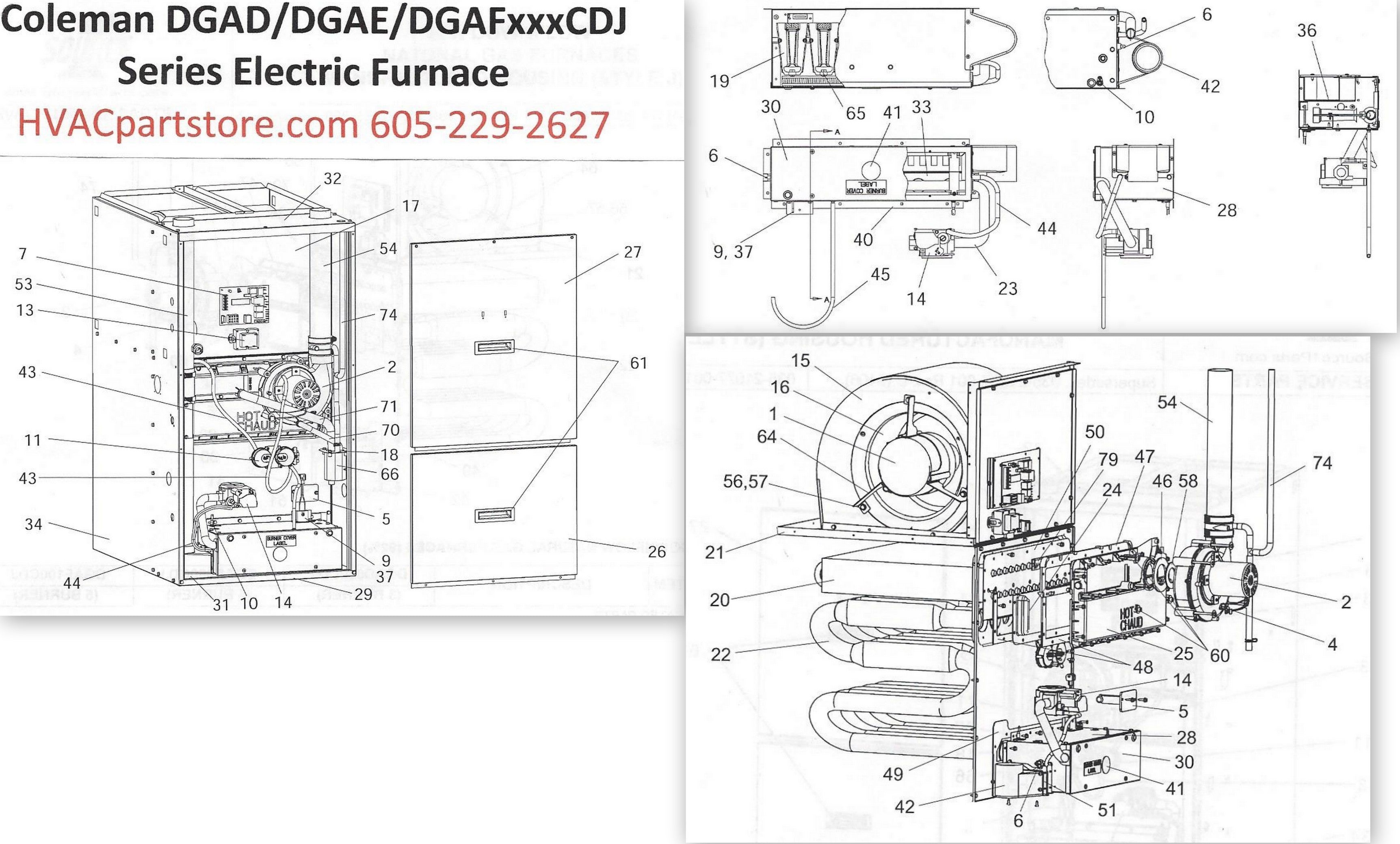
A Goodman furnace parts diagram is a detailed visual representation of all the components within your specific Goodman furnace model. Think of it as a roadmap showing where each part is located and how it connects to other parts. You need one primarily for:
- Identification: Accurately identifying a specific part you might need to replace. Different models have different parts, and the diagram ensures you're ordering the correct one.
- Troubleshooting: Helping you understand how the various parts work together, which can aid in diagnosing problems. Seeing how components connect can give clues to potential faults.
- Maintenance: Guiding you during routine maintenance tasks, ensuring you're accessing and cleaning the correct components.
- Repair: Assisting you or a technician in disassembling and reassembling the furnace during repairs.
In essence, the diagram is your key to understanding the inner workings of your furnace, making maintenance and repairs much easier and more accurate. Without it, you're essentially working blind.
Question 2: Where can I find a Goodman Furnace Parts Diagram for my specific model?
Finding the correct diagram is paramount. Here are the most common and reliable places to look:
- Attached to the Furnace: Many Goodman furnaces have a parts diagram located inside the unit, often on the access panel. This is the most convenient and reliable source, as it's guaranteed to be the correct diagram for your furnace.
- Goodman's Website: Goodman's official website is a good resource. You'll likely need to know your furnace model number to locate the correct diagram. The website often has downloadable PDFs.
- HVAC Supply Stores: Local HVAC supply stores often have access to Goodman parts diagrams, or can help you locate the correct one based on your model number. Their staff often have expertise in finding the correct documentation.
- Online Parts Retailers: Websites that sell Goodman furnace parts frequently have diagrams available alongside the parts listings. This can be a convenient way to identify a part and find its corresponding diagram simultaneously.
- Online HVAC Forums and Communities: HVAC-related online forums and communities can be a valuable resource. Other users may have already located and shared the diagram for your specific model.
Important: Always verify the diagram matches your furnace model number to avoid errors. The model number is typically found on a sticker or plate on the furnace itself.
Question 3: What information will I typically find on a Goodman Furnace Parts Diagram?
A Goodman furnace parts diagram is packed with information. Expect to find the following:
- Exploded View: This is the primary visual representation, showing all the parts separated but in their relative positions. It provides a clear understanding of how the furnace is assembled.
- Part Names: Each part in the diagram is labeled with its common name (e.g., "blower motor," "gas valve," "igniter").
- Part Numbers: This is crucial for ordering replacement parts. Each part has a unique number that identifies it precisely. Double-check this number when ordering.
- Description: Some diagrams provide a brief description of each part, which can be helpful in understanding its function.
- Quantity: Indicates how many of each part are used in the furnace.
- Model Compatibility: The diagram should clearly state which Goodman furnace models it applies to.
- Reference Numbers/Callouts: These numbers on the diagram correspond to the part names, numbers, and descriptions in a table or legend.
The diagram is designed to be as comprehensive as possible, allowing you to easily identify and understand each component of your furnace.
Question 4: How do I use a Goodman Furnace Parts Diagram to identify a faulty part?
Using a parts diagram to diagnose a faulty part involves a systematic approach:
- Identify the Symptom: First, clearly define the problem you're experiencing with your furnace (e.g., "no heat," "blower fan not working," "noisy operation").
- Narrow Down the Possibilities: Based on the symptom, research which parts are most likely to be responsible. For example, if there's no heat, the igniter, gas valve, or flame sensor could be suspects.
- Locate the Suspect Parts on the Diagram: Use the diagram to find the location of the potential culprits within your furnace.
- Visually Inspect the Parts: Once you've located the parts, carefully inspect them for any obvious signs of damage (e.g., cracks, burns, corrosion). Always disconnect power to the furnace before performing any visual inspections.
- Test the Parts (If Possible): If a visual inspection doesn't reveal anything, you may need to test the parts with a multimeter or other diagnostic tool. Consult the furnace's service manual or a qualified technician for guidance on testing procedures.
- Confirm the Part Number: Once you've identified the faulty part, absolutely confirm the part number on the diagram before ordering a replacement.
This process, combined with the visual aid of the diagram, significantly increases your chances of accurately identifying the problematic component.
Question 5: Are all Goodman Furnace Parts Diagrams the same? Can I use any diagram for my furnace?
No! This is a critical point. Goodman furnace parts diagrams are NOT interchangeable. Each model has a unique design and component layout. Using the wrong diagram can lead to:
- Incorrect Part Identification: Ordering the wrong replacement part, which will not fit or function correctly.
- Misguided Repairs: Attempting to repair or replace the wrong component, potentially causing further damage.
- Safety Hazards: Working on the wrong part could lead to electrical shock, gas leaks, or other dangerous situations.
Always, always, always use the diagram specifically designed for your furnace model. Verify the model number on the diagram matches the model number on your furnace. If you're unsure, consult a qualified HVAC technician.
Question 6: What if I can't find a diagram for my older Goodman furnace model?
Finding diagrams for older models can be challenging, but not impossible. Here are some strategies:
- Contact Goodman Directly: Reach out to Goodman's customer service department. They may have archived diagrams available, even for discontinued models.
- Contact Local HVAC Supply Stores: Even if they don't have the diagram readily available, they might have access to older catalogs or resources that could help.
- Search Online HVAC Forums: Post a request in relevant HVAC forums, providing your furnace model number. Other users might have the diagram and be willing to share it.
- Check Online Auction Sites: Sometimes, original manuals and diagrams for older appliances are sold on online auction sites.
- Consider a Similar Model: If you absolutely cannot find the exact diagram, you *might* be able to use a diagram for a similar model from the same era. However, this should only be done as a last resort and with extreme caution. Closely compare the components of your furnace to the diagram and be prepared for discrepancies. Consult a professional if you're unsure.
Persistence is key. Even if it takes some effort, finding the correct diagram will save you time, money, and potential headaches in the long run.
Question 7: Are there any alternatives to using a physical Goodman Furnace Parts Diagram?
While a physical diagram is often the most readily available and reliable option, there are some alternatives worth considering:
- Online Interactive Diagrams: Some websites offer interactive diagrams that allow you to zoom in, rotate, and click on individual parts for more information. These can be particularly useful for complex furnaces.
- Mobile Apps: There are mobile apps designed for HVAC technicians that may include access to Goodman furnace parts diagrams. However, the availability and accuracy of these apps can vary.
- Professional HVAC Software: HVAC technicians often use specialized software that contains a vast library of parts diagrams and technical information. This is generally not accessible to homeowners.
- Video Tutorials: Search for video tutorials specific to your furnace model. While they might not show a dedicated parts diagram, they can visually guide you through the components and their functions.
Ultimately, the best alternative depends on your needs and technical skills. However, a physical diagram remains a valuable and easily accessible tool for most homeowners and facility managers.