Goodman Furnace Troubleshooting Codes
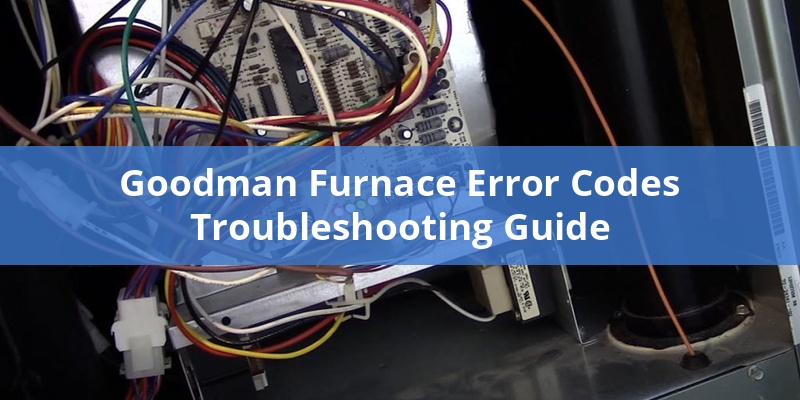
Understanding Goodman furnace troubleshooting codes can save you time, money, and a whole lot of frustration. These codes are your furnace's way of telling you exactly what's wrong, allowing you to diagnose and potentially fix minor issues yourself. This guide will walk you through interpreting these codes, identifying common problems, and knowing when to call in a professional.
Understanding Goodman Furnace Error Codes
Goodman furnaces use a system of flashing LED lights to communicate error codes. The number of flashes, and sometimes the color (although most are red or amber), indicates a specific problem. The location of the LED varies depending on your model, but it's usually found on the control board inside the furnace. To view the codes, you’ll typically need to remove the front panel of the furnace. Always turn off the power at the breaker before opening the furnace.
Important Note: Error codes only point you in the direction of the problem; they don't necessarily identify the faulty component. Further investigation and testing are often required.
How to Access and Read the Diagnostic Codes
- Turn off the power: Locate the breaker switch for your furnace and turn it OFF.
- Remove the access panel(s): Use a screwdriver or nut driver to carefully remove the furnace's front access panel(s). These are usually held on by screws.
- Locate the control board: The control board is a green circuit board typically located inside the blower compartment or near the gas valve. Look for the LED light on the board.
- Observe the LED flashes: Note the pattern of flashes. Is it one long flash, two short flashes, three continuous flashes, etc.? Pay attention to any pauses between the flashes.
- Consult the furnace's manual: Your furnace's manual contains a chart listing the error codes and their corresponding meanings. If you don't have the manual, you can usually find it online by searching for your furnace model number.
Common Goodman Furnace Error Codes and Troubleshooting
1 Flash: Flame Sensor Failure
Meaning: The flame sensor is not detecting a flame after the gas valve opens.
Possible Causes:
- Dirty flame sensor
- Faulty flame sensor
- Poor electrical connection
- Gas valve problem
- Grounded flame sensor
DIY Troubleshooting Steps:
- Clean the flame sensor: Use fine steel wool or emery cloth to gently clean the flame sensor rod. Be careful not to bend or damage it.
- Check the wiring: Ensure the wire connecting the flame sensor to the control board is secure and not damaged.
- Check the ground: Ensure the sensor is not grounding out.
When to Call a Pro: If cleaning and checking the wiring doesn't resolve the issue, the gas valve or control board might be faulty, which requires professional diagnosis and repair.
3 Flashes: Pressure Switch Problem
Meaning: The pressure switch is not opening or closing properly, indicating a problem with the venting system or blower motor.
Possible Causes:
- Blocked vent pipe (intake or exhaust)
- Faulty pressure switch
- Stuck inducer motor
- Condensate blockage
- Loose or damaged hoses to the pressure switch
DIY Troubleshooting Steps:
- Inspect vent pipes: Check for obstructions (leaves, snow, ice) in both the intake and exhaust pipes.
- Check pressure switch hoses: Ensure the small hoses connecting the pressure switch to the inducer motor housing are securely attached and not cracked or blocked.
- Clear condensate drain: A clogged condensate drain can prevent the pressure switch from closing.
When to Call a Pro: If you suspect a faulty pressure switch or inducer motor, or if you cannot clear a vent blockage safely, contact a qualified HVAC technician.
4 Flashes: Open Limit Switch
Meaning: The furnace is overheating and the limit switch has tripped to shut down the system.
Possible Causes:
- Dirty air filter
- Blocked return air vents
- Closed supply air vents
- Faulty blower motor
- Over firing
- Dirty blower wheel
DIY Troubleshooting Steps:
- Replace air filter: A clogged air filter is the most common cause of overheating.
- Check vents: Ensure all return and supply air vents are open and unobstructed.
- Inspect blower motor: Listen for unusual noises coming from the blower motor. A failing blower motor can restrict airflow and cause overheating.
When to Call a Pro: If the furnace continues to overheat after addressing the air filter and vents, there may be a more serious issue with the blower motor, heat exchanger, or gas valve. Contact a professional immediately.
5 Flashes: Flame Present Without Call for Heat
Meaning: The furnace is detecting a flame even when the thermostat is not calling for heat, indicating a potential gas valve issue.
Possible Causes:
- Sticking gas valve
- Faulty control board
- Short in wiring
DIY Troubleshooting Steps:
Warning: This is a potentially dangerous situation. Do not attempt to troubleshoot this problem yourself. Turn off the gas supply to the furnace and contact a qualified HVAC technician immediately.
When to Call a Pro: This error always requires professional attention due to the risk of gas leaks and fire hazards.
6 Flashes: Failed Rectification
Meaning: The furnace is not sensing a proper flame signal, which can be similar to a flame sensor failure but related to the control board's ability to interpret the signal.
Possible Causes:
- Faulty flame sensor
- Control board malfunction
- Poor grounding
DIY Troubleshooting Steps:
- Check flame sensor connection: Verify the connection to the control board is secure.
- Inspect grounding: Check for good grounding of the furnace to the electrical system.
When to Call a Pro: Because a control board malfunction is a likely cause, professional diagnosis is recommended.
Safety First!
- Always turn off the power to the furnace at the breaker before performing any troubleshooting steps.
- Never work on gas lines unless you are a qualified and licensed professional.
- If you smell gas, evacuate the area immediately and call your gas company or the fire department.
- Wear appropriate safety gear, such as safety glasses and gloves, when working on your furnace.
Tools and Parts for DIY Troubleshooting
Having the right tools and parts on hand can make DIY troubleshooting easier. Here are some essentials:
Tools:
- Screwdrivers (Phillips and flathead)
- Nut drivers
- Multimeter
- Wire strippers/crimpers
- Vacuum cleaner (for cleaning)
- Flashlight or headlamp
- Emery cloth or fine steel wool
Parts (Consider keeping these on hand):
- Air filter (appropriate size for your furnace)
- Flame sensor (if you know your furnace's part number)
- Ignitor (if you know your furnace's part number)
When to Call a Professional HVAC Technician
While some furnace problems can be addressed with DIY troubleshooting, others require the expertise of a qualified HVAC technician. Here are some situations where you should always call a pro:
- You are uncomfortable working on your furnace.
- You smell gas.
- You suspect a gas leak.
- The problem involves gas lines or valves.
- You are unsure of the cause of the problem.
- You have exhausted your troubleshooting efforts and the furnace is still not working.
- The error code indicates a serious problem, such as a faulty gas valve or control board.
- Your furnace is still under warranty.
Estimated Repair Costs
Repair costs for Goodman furnaces vary depending on the problem and the cost of parts and labor in your area. Here are some general estimates:
- Flame sensor replacement: $100 - $200
- Pressure switch replacement: $150 - $300
- Ignitor replacement: $100 - $250
- Blower motor replacement: $300 - $800
- Gas valve replacement: $300 - $600
- Control board replacement: $300 - $700
- Heat exchanger replacement: $1500 - $3000+ (Often not worth the repair on older furnaces)
Note: These are just estimates. Always get a written quote from a qualified HVAC technician before authorizing any repairs.
Preventive Maintenance for Goodman Furnaces
Regular preventive maintenance can help prevent furnace problems and extend the life of your system. Here are some essential maintenance tasks:
- Replace the air filter regularly (every 1-3 months, depending on usage and filter type).
- Schedule annual furnace inspections and tune-ups with a qualified HVAC technician.
- Keep the area around the furnace clean and free of obstructions.
- Ensure vents and registers are open and unobstructed.
- Monitor your furnace for any unusual noises or smells.
By understanding Goodman furnace troubleshooting codes and performing regular maintenance, you can keep your furnace running efficiently and avoid costly repairs. Remember to prioritize safety and call a professional when needed.