Goodman Warranty Claim Form
Navigating warranty claims can often feel like a daunting task, especially when dealing with essential systems like your HVAC. This article aims to demystify the Goodman warranty claim form and process, offering comprehensive guidance for homeowners, HVAC technicians, and facility managers alike. Understanding the intricacies of the Goodman warranty can save you time, money, and unnecessary frustration when issues arise with your heating and cooling equipment.
Understanding the Goodman Warranty
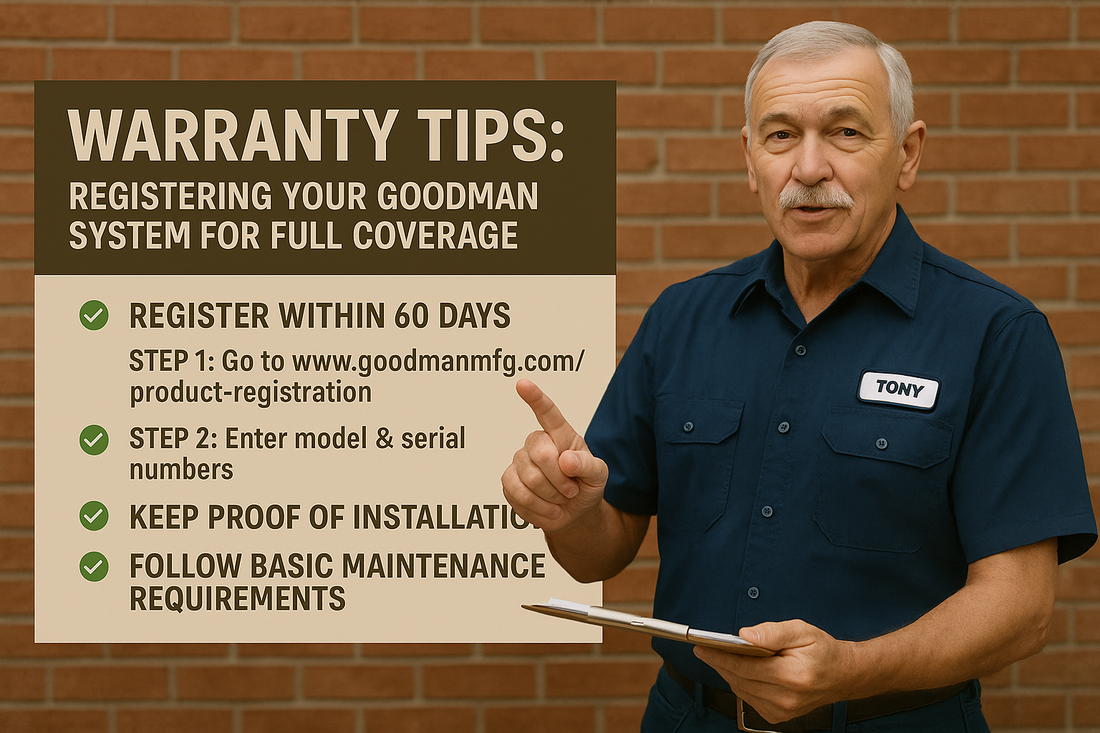
Goodman offers varying levels of warranty protection depending on the specific component and whether the system was registered. Generally, they offer a base limited warranty that covers parts, and an extended warranty that can include labor costs. It is crucial to register your Goodman HVAC system within 60 days of installation to unlock the full benefits of the warranty, potentially including a 10-year parts limited warranty and, in some cases, a unit replacement warranty.
Base Limited Warranty: Typically covers replacement parts for a specified period, often 5 or 10 years. This means if a component fails due to a manufacturing defect within the warranty period, Goodman will provide a replacement part free of charge.
Registered Limited Warranty: By registering your system, you typically unlock enhanced warranty coverage. This often extends the parts warranty to 10 years. Some high-efficiency models may even qualify for a unit replacement warranty if the compressor fails within a specific timeframe (e.g., 5 or 10 years). For example, a homeowner who registers their Goodman furnace might be covered for all replacement parts for 10 years instead of just 5.
Labor Costs: It's important to note that the base and registered limited warranties usually do not cover labor costs associated with diagnosing the problem, removing the defective part, or installing the replacement part. Labor costs can add up quickly, so understanding this aspect is crucial.
Checking Your Warranty Status
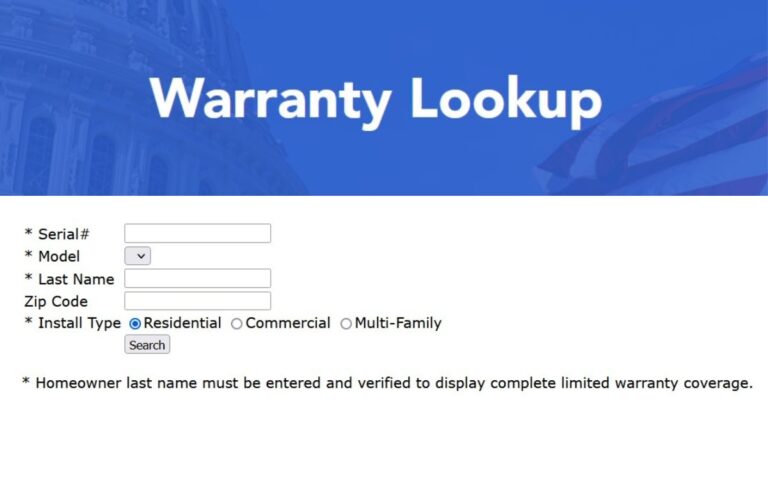
Before initiating a warranty claim, verify your system's warranty status. You can do this through the Goodman website, usually by entering your unit's model and serial number. This will provide details on the warranty coverage and its expiration date. Keep your original installation invoice handy as it contains essential information needed for the claim process. The invoice serves as proof of purchase and validates the installation date, both crucial for warranty eligibility.
The Goodman Warranty Claim Form: A Step-by-Step Guide
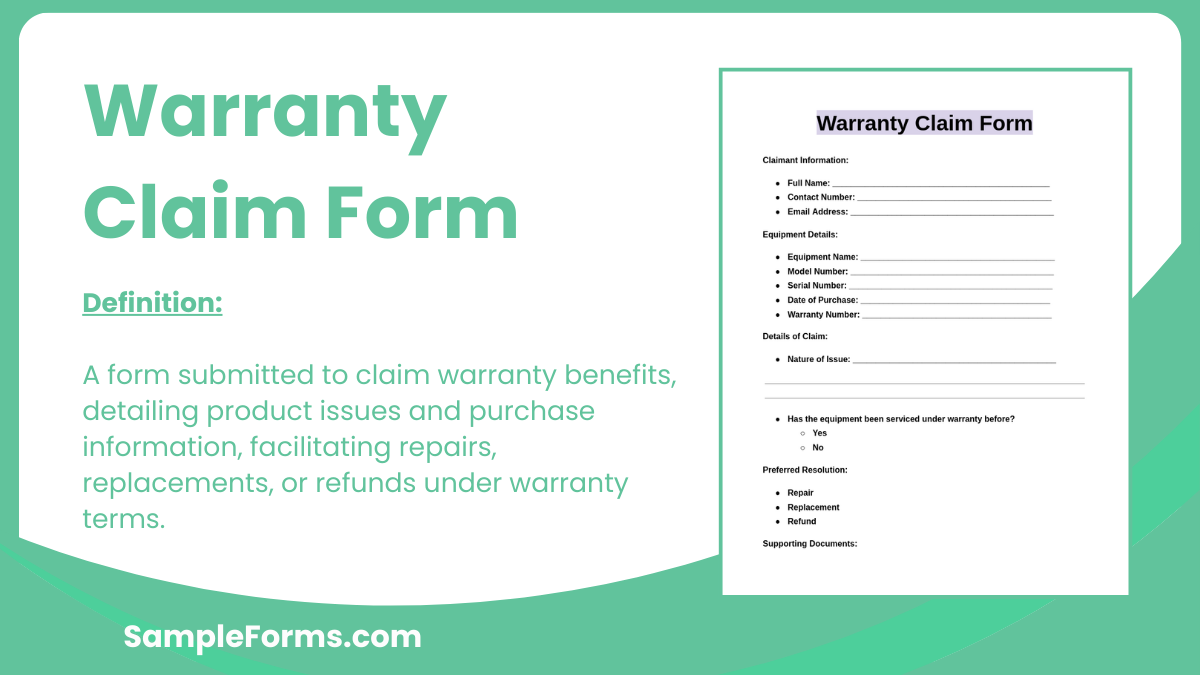
The Goodman warranty claim form is the central document for initiating a claim. While the specific form may vary slightly depending on the product and region, the core information required remains consistent.
Required Information
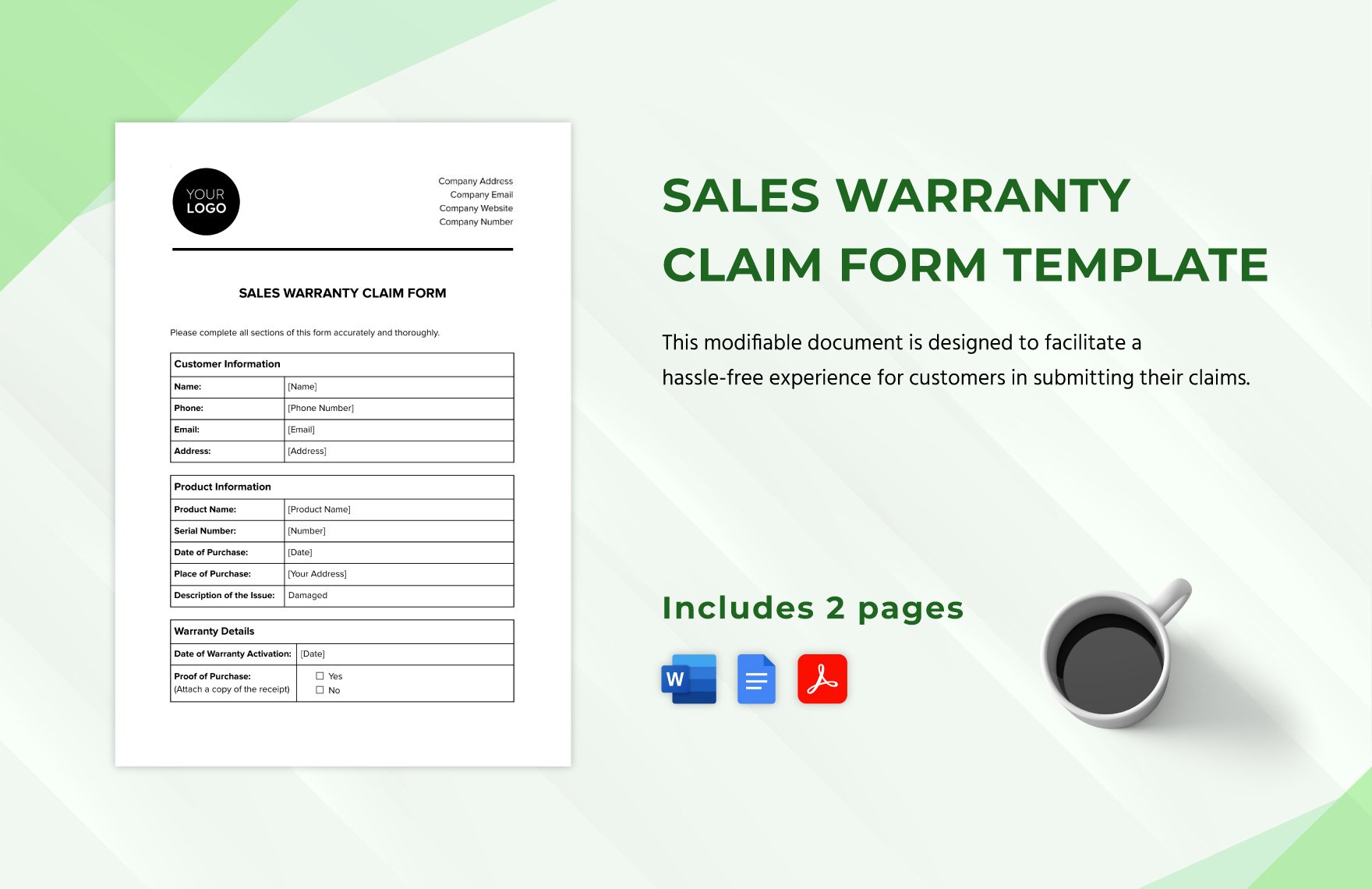
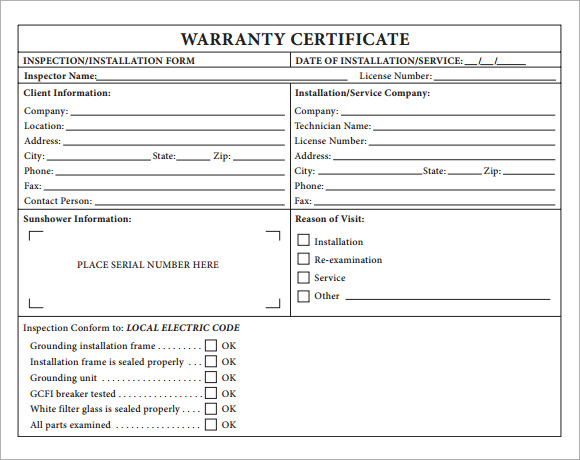
The warranty claim form typically requires the following information:
- Contact Information: Your name, address, phone number, and email address. This allows Goodman or its authorized service representatives to contact you regarding the claim.
- HVAC System Information: The model number and serial number of the affected unit (e.g., furnace, air conditioner, heat pump). This is crucial for identifying the specific unit and verifying its warranty status.
- Installation Date: The date the HVAC system was originally installed. This information is vital for confirming warranty eligibility.
- Installing Contractor Information: The name, address, and contact information of the HVAC contractor who installed the system. Goodman may contact the contractor to verify the installation and gather additional information.
- Description of the Problem: A detailed explanation of the issue you are experiencing with the HVAC system. Be as specific as possible, including any error codes displayed, unusual noises, or performance issues.
- Date of Failure: The date when the problem was first noticed.
- Diagnostic Information: This section is usually completed by a qualified HVAC technician and includes details about the diagnostic tests performed, the specific part that failed, and the reason for the failure. This is a critical section and must be accurately filled out by a professional.
- Technician Information: The name, license number (if applicable), and contact information of the HVAC technician who diagnosed the problem.
Completing the Form Accurately
Accuracy is paramount when filling out the warranty claim form. Any errors or omissions can delay or even invalidate your claim. Double-check all information before submitting the form. Ensure the model and serial numbers are correct, and that the description of the problem is clear and concise. Attach any supporting documentation, such as the original installation invoice, diagnostic reports from the technician, and any relevant photos or videos of the issue.
Example: Let's say a homeowner notices their Goodman air conditioner is blowing warm air. On the warranty claim form, they should clearly state: "Air conditioner blowing warm air. Unit runs but does not cool effectively. Noticed on July 15, 2024." When the technician arrives, they might diagnose a failed compressor. Their report would include details like the compressor model number, the results of pressure tests, and their conclusion that the compressor is no longer functioning correctly.
Submitting the Claim Form
The Goodman warranty claim form can typically be submitted online through their website or through an authorized dealer. Check the specific instructions provided with your warranty documentation. Submitting the claim online is usually the fastest and most efficient method. You may receive a confirmation email with a claim number for tracking purposes. Keep this number handy for future communication with Goodman.
Working with an HVAC Technician
While homeowners can initiate the warranty claim process, it's essential to involve a qualified HVAC technician for diagnosis and repair. Goodman typically requires that repairs be performed by a licensed and insured professional to maintain warranty validity. The technician will be able to accurately diagnose the problem, complete the diagnostic section of the warranty claim form, and install the replacement part. They can also assist you with navigating the warranty claim process and communicating with Goodman.
Finding a Qualified Technician: Choose a technician with experience servicing Goodman HVAC systems. Ask for their license number and proof of insurance. Read online reviews and check with the Better Business Bureau for any complaints. A reputable technician will be familiar with Goodman's warranty policies and procedures.
Technician's Role in the Claim Process
The HVAC technician plays a crucial role in the warranty claim process. Their responsibilities include:
- Diagnosing the Problem: Accurately identifying the cause of the HVAC system failure.
- Completing the Diagnostic Section of the Claim Form: Providing detailed information about the diagnostic tests performed, the specific part that failed, and the reason for the failure.
- Installing the Replacement Part: Properly installing the replacement part provided by Goodman under warranty.
- Communicating with Goodman: Working with Goodman to resolve any issues or answer any questions related to the warranty claim.
Understanding Potential Claim Issues and Denials
While Goodman strives to provide excellent warranty service, there are situations where a claim may be denied. Understanding the common reasons for denial can help you avoid potential pitfalls.
Common Reasons for Claim Denial
- Lack of Registration: Failing to register the HVAC system within the specified timeframe can void the extended warranty coverage.
- Improper Installation: If the HVAC system was not installed by a qualified technician or was installed improperly, the warranty may be voided. For example, incorrect refrigerant charge or inadequate ductwork can lead to premature component failure.
- Lack of Maintenance: Neglecting regular maintenance, such as cleaning or replacing filters, can lead to system failures and void the warranty. Goodman expects homeowners to perform basic maintenance tasks to ensure proper system operation.
- Damage Due to External Factors: Damage caused by external factors, such as power surges, floods, or fires, is typically not covered by the warranty.
- Use of Non-OEM Parts: Using non-original equipment manufacturer (OEM) parts for repairs can void the warranty. Goodman requires the use of genuine Goodman replacement parts to maintain warranty coverage.
- Expired Warranty: The most common reason for denial is simply that the warranty has expired. Always check the warranty expiration date before initiating a claim.
Appealing a Denied Claim
If your warranty claim is denied, you have the right to appeal the decision. Contact Goodman directly and request a written explanation for the denial. Review the warranty documentation carefully to understand your rights and responsibilities. Gather any additional documentation that supports your claim, such as maintenance records, photos, or statements from the installing contractor. Submit a written appeal to Goodman, clearly outlining your reasons for disagreeing with the denial and providing any supporting documentation. Be polite and professional in your communication. Document all communication with Goodman, including dates, times, and the names of the individuals you spoke with.
Warranty Claim Form: Tips for HVAC Technicians and Facility Managers
For HVAC technicians and facility managers, a smooth warranty claim process is essential for efficient operations. Here are some tips to ensure successful claims:
- Thorough Documentation: Maintain detailed records of all HVAC system installations, maintenance, and repairs. This documentation will be invaluable when filing warranty claims.
- Accurate Diagnostics: Perform thorough diagnostic tests to accurately identify the cause of the HVAC system failure. Provide detailed information about the tests performed, the specific part that failed, and the reason for the failure.
- Proper Installation Practices: Ensure that all HVAC systems are installed according to Goodman's specifications and local codes. Improper installation can void the warranty and lead to future problems.
- Regular Maintenance: Implement a regular maintenance program for all HVAC systems. This will help prevent system failures and extend the life of the equipment.
- Communicate with Goodman: Maintain open communication with Goodman regarding warranty claims. Address any questions or concerns promptly and professionally.
Understanding the Goodman warranty claim form and the associated processes is crucial for homeowners, HVAC technicians, and facility managers. By following the guidelines outlined in this article, you can navigate the warranty claim process effectively and ensure that your heating and cooling systems are properly protected. Remember, proper maintenance and installation practices can significantly extend the lifespan of your HVAC system and minimize the need for warranty claims in the first place.