Goodman Warranty Claim Online
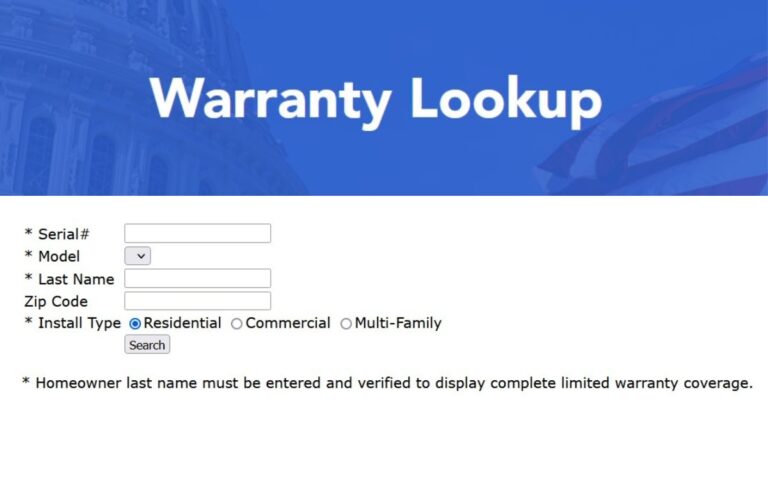
Navigating the world of HVAC systems can be daunting, especially when something goes wrong. Understanding your warranty is crucial, and knowing how to file a Goodman warranty claim online is essential for a smooth repair process and potentially significant cost savings. For homeowners focused on energy efficiency and reduced utility bills, a malfunctioning HVAC system can negate all your efforts. This article provides a comprehensive guide to filing a Goodman warranty claim online, optimizing your energy savings, and understanding the importance of preventative maintenance.
Understanding Your Goodman Warranty: The Foundation of Energy Savings
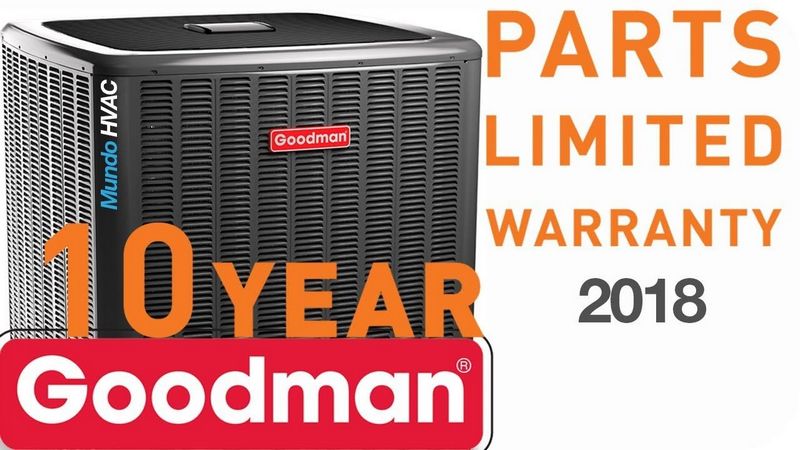
Before diving into the claim process, let's examine the different types of Goodman warranties and what they cover. Goodman offers varying levels of coverage, typically categorized as limited warranties and, for some models, extended warranties. These warranties protect against defects in materials and workmanship, but understanding the specifics is key. For example, a standard warranty might cover parts replacement for a certain number of years, while a compressor warranty may extend considerably longer.
Key Warranty Components:
- Parts Warranty: Covers replacement parts that fail due to manufacturing defects. Typically ranges from 5 to 10 years.
- Compressor Warranty: The compressor is the heart of your air conditioner, and its warranty is often the longest, potentially covering up to a lifetime.
- Heat Exchanger Warranty: Similar to the compressor warranty, the heat exchanger in furnaces often has extended coverage.
- Unit Replacement Warranty: In some cases, if a major component like the compressor fails within a specified timeframe (e.g., the first 5-10 years), Goodman may offer a complete unit replacement.
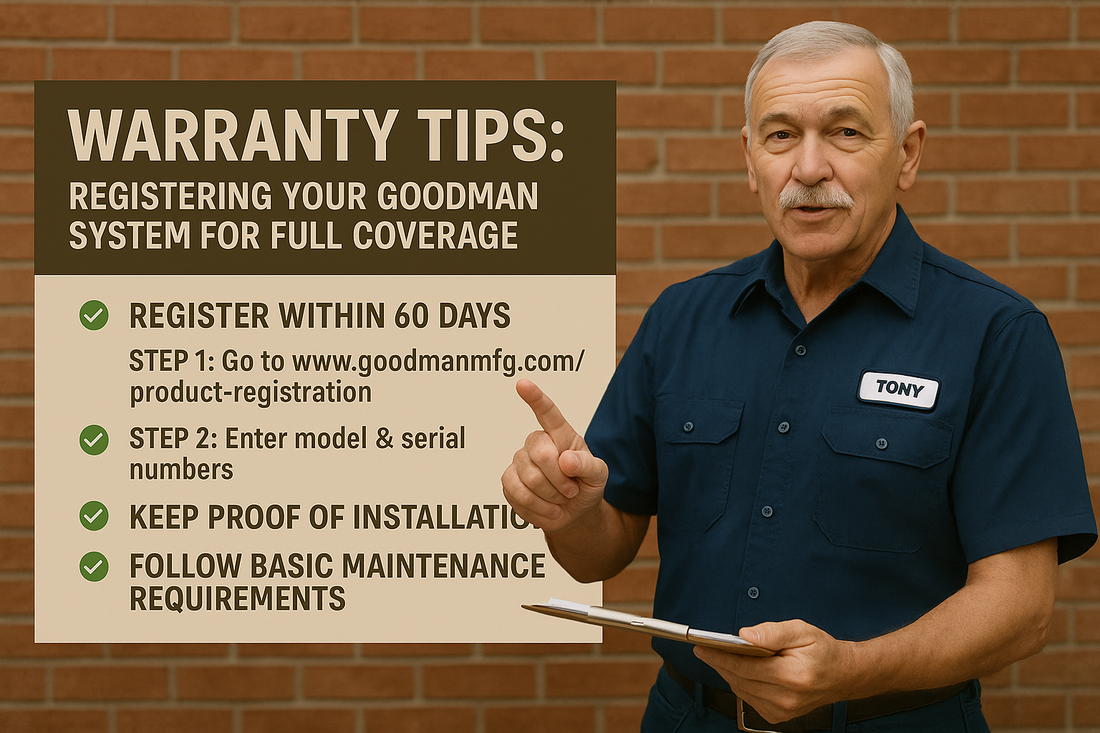
Important Note: Goodman warranties typically require that the HVAC system be properly installed by a licensed HVAC contractor and that it is registered within a specific timeframe after installation (usually 60-90 days). Failure to register the unit may significantly reduce the warranty coverage period.
The Link Between Warranty and Energy Efficiency
A functioning HVAC system operating under warranty is critical for maintaining optimal energy efficiency. A faulty compressor, for instance, can drastically reduce cooling capacity and force the system to work harder, leading to higher energy consumption. Similarly, a leaking heat exchanger in a furnace will waste fuel and reduce heating efficiency.
By promptly addressing covered repairs through your Goodman warranty, you're not only saving on out-of-pocket costs but also ensuring your system operates at its peak performance, contributing to lower energy bills. Remember, a well-maintained and efficiently operating HVAC system directly translates to energy savings, and that's especially relevant for homeowners and businesses invested in eco-friendly practices.
Step-by-Step Guide: Filing Your Goodman Warranty Claim Online
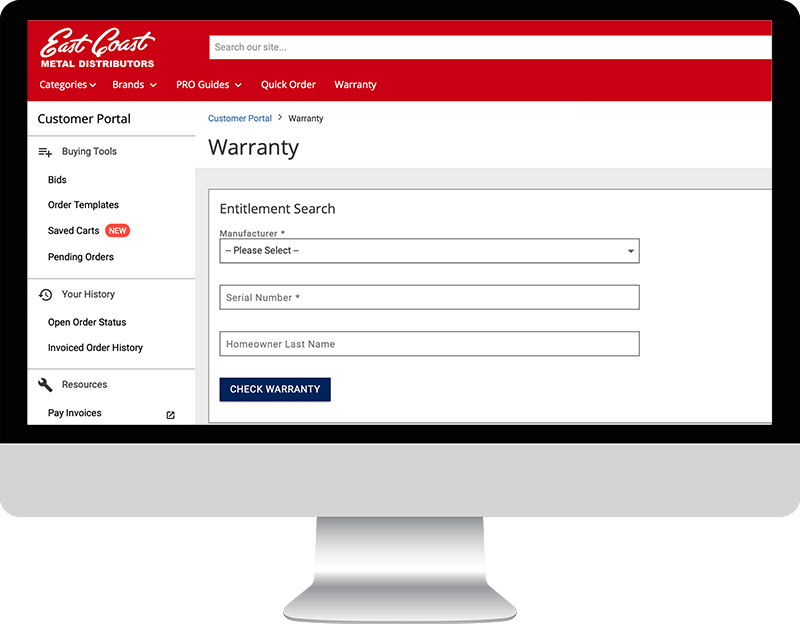
Goodman offers an online portal for warranty claims, streamlining the process for both contractors and homeowners. However, in most cases, the actual claim submission is handled by your HVAC contractor. Here's a breakdown of the steps involved:
- Identify the Issue: Before contacting anyone, document the problem you're experiencing with your HVAC system. Note any error codes displayed on the thermostat, unusual noises, or performance issues like insufficient cooling or heating.
- Contact Your HVAC Contractor: This is the most crucial step. Your HVAC contractor will diagnose the problem and determine if it's covered under your Goodman warranty. They have the expertise to identify faulty components and confirm if the issue falls within the warranty terms.
- Contractor Diagnosis and Parts Identification: The contractor will use their diagnostic tools to pinpoint the exact component causing the problem. They will then identify the corresponding Goodman part number.
- Contractor Logs into Goodman's Online Portal: HVAC contractors have access to Goodman's online warranty claim portal. They will log in using their credentials.
- Initiate the Claim: Within the portal, the contractor will initiate a new warranty claim.
- Provide System Information: The contractor will need to provide essential information about your HVAC system, including:
- Model Number
- Serial Number
- Installation Date
- Homeowner Information (Name, Address, Contact Details)
- Contractor Information (Company Name, License Number)
- Describe the Problem: The contractor will provide a detailed description of the problem, including the diagnosed fault and the affected component.
- Submit the Claim: Once all the required information is entered, the contractor will submit the warranty claim through the online portal.
- Goodman Review and Approval: Goodman will review the claim to verify warranty coverage and eligibility. This process can take a few days.
- Parts Replacement: If the claim is approved, Goodman will authorize the replacement part. The contractor will then order the part and schedule a time to install it.
- Repair and System Testing: Once the replacement part arrives, the contractor will install it and test the system to ensure it's functioning correctly.
Important Considerations:
- Labor Costs: While the Goodman warranty typically covers the cost of the replacement part itself, it usually *does not* cover labor costs for diagnosis, removal, and installation. Discuss labor charges with your contractor upfront. Some extended warranties may cover labor.
- Preventative Maintenance: Neglecting routine maintenance can void your warranty. Goodman typically requires proof of regular maintenance to honor warranty claims. This reinforces the importance of annual HVAC tune-ups.
- DIY Repairs: Attempting DIY repairs can also void your warranty. It's always best to leave repairs to qualified HVAC professionals.
Maximizing Energy Savings with a Properly Functioning HVAC System
A properly functioning HVAC system is the cornerstone of energy efficiency in your home or business. Beyond the warranty, several strategies can further optimize your energy savings:
Smart Thermostats and Sensors
Integrating your HVAC system with a smart thermostat is a game-changer for energy efficiency. Smart thermostats learn your heating and cooling patterns, automatically adjusting the temperature based on your schedule and preferences. They can also be controlled remotely via a smartphone app, allowing you to adjust the temperature even when you're away from home. Many models integrate with smart home platforms like Amazon Alexa and Google Assistant.
Adding smart sensors to different rooms can further refine your energy management. These sensors monitor temperature and occupancy, allowing the smart thermostat to adjust the temperature in specific zones, optimizing comfort and reducing energy waste. The ROI on a smart thermostat can be quite significant, often paying for itself within a year or two through energy savings.
Regular Maintenance and Tune-Ups
As mentioned earlier, regular maintenance is crucial for maintaining your Goodman warranty and maximizing energy efficiency. Annual HVAC tune-ups performed by a qualified technician can identify and address minor issues before they escalate into major problems. A tune-up typically includes:
- Cleaning or replacing air filters
- Inspecting and cleaning coils
- Checking refrigerant levels
- Inspecting electrical connections
- Lubricating moving parts
- Calibrating the thermostat
These preventative measures ensure your system operates efficiently, extends its lifespan, and reduces the likelihood of costly repairs. For example, dirty air filters can restrict airflow, forcing your system to work harder and consume more energy. Clean filters improve airflow, reduce energy consumption, and improve indoor air quality.
Ductwork Inspection and Sealing
Leaky ductwork can waste a significant amount of energy, as conditioned air escapes before it reaches its intended destination. According to the U.S. Department of Energy, duct leakage can account for up to 30% of energy loss in a typical home. Having your ductwork inspected and sealed can dramatically improve energy efficiency.
Professional duct sealing involves using specialized sealants to close leaks and gaps in the ductwork. This prevents conditioned air from escaping, reducing energy waste and improving the overall comfort of your home. The cost of duct sealing can vary depending on the size and complexity of your ductwork, but the long-term energy savings can be substantial.
Energy-Efficient Upgrades
If your HVAC system is nearing the end of its lifespan, consider upgrading to a more energy-efficient model. Look for systems with high SEER (Seasonal Energy Efficiency Ratio) ratings for air conditioners and high AFUE (Annual Fuel Utilization Efficiency) ratings for furnaces. Energy Star certified models meet strict energy efficiency guidelines set by the U.S. Environmental Protection Agency (EPA). While the upfront cost of an energy-efficient system may be higher, the long-term energy savings and potential rebates can make it a worthwhile investment.
Rebates and Incentives for Energy-Efficient HVAC Systems
Many utility companies and government agencies offer rebates and incentives for installing energy-efficient HVAC systems. These rebates can significantly reduce the upfront cost of upgrading to a more efficient model. Check with your local utility company and the Energy Star website to see what rebates are available in your area. For example, the Inflation Reduction Act of 2022 offers significant tax credits for energy-efficient home improvements, including HVAC upgrades.
Conclusion: Warranty and Energy Efficiency - A Winning Combination
Understanding your Goodman warranty and knowing how to file a claim online is a crucial step in protecting your investment and maintaining optimal energy efficiency. By promptly addressing covered repairs and implementing energy-saving strategies like smart thermostats, regular maintenance, and ductwork sealing, you can significantly reduce your energy bills and create a more comfortable and sustainable home or business. Remember to work with a qualified HVAC contractor for all your HVAC needs, including warranty claims, repairs, and maintenance. Prioritizing energy efficiency is not only good for your wallet but also for the environment.