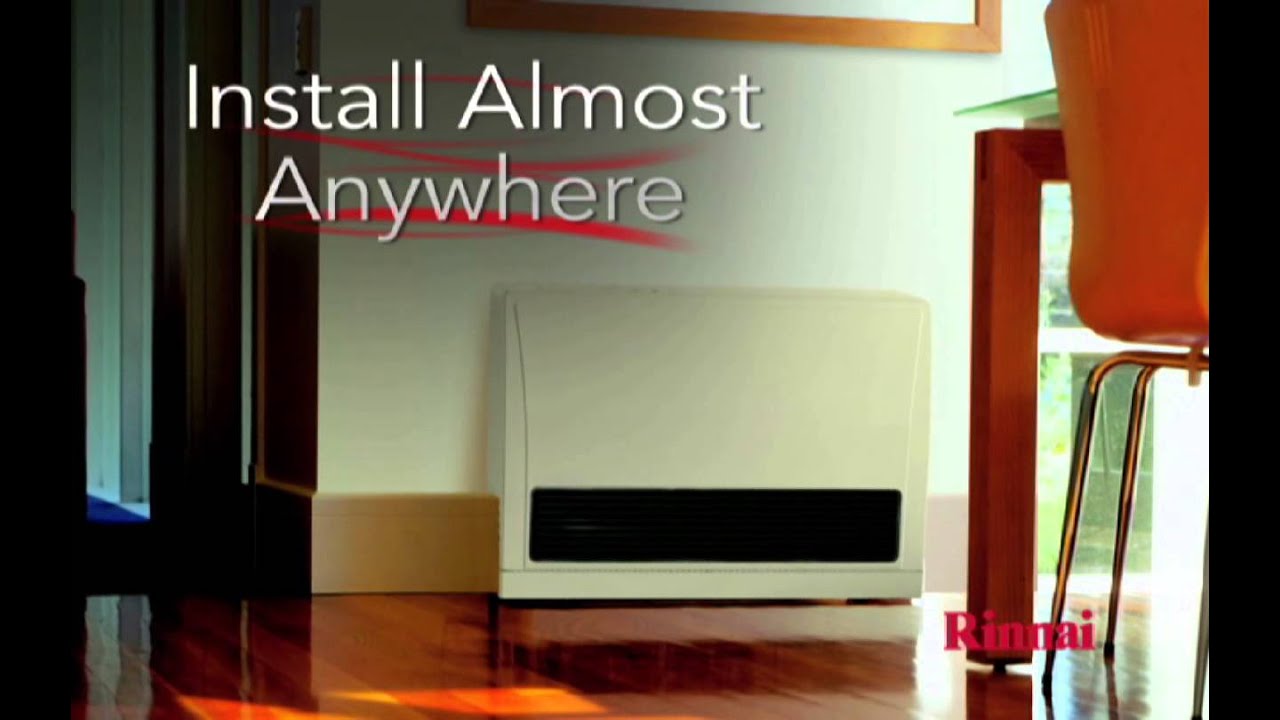
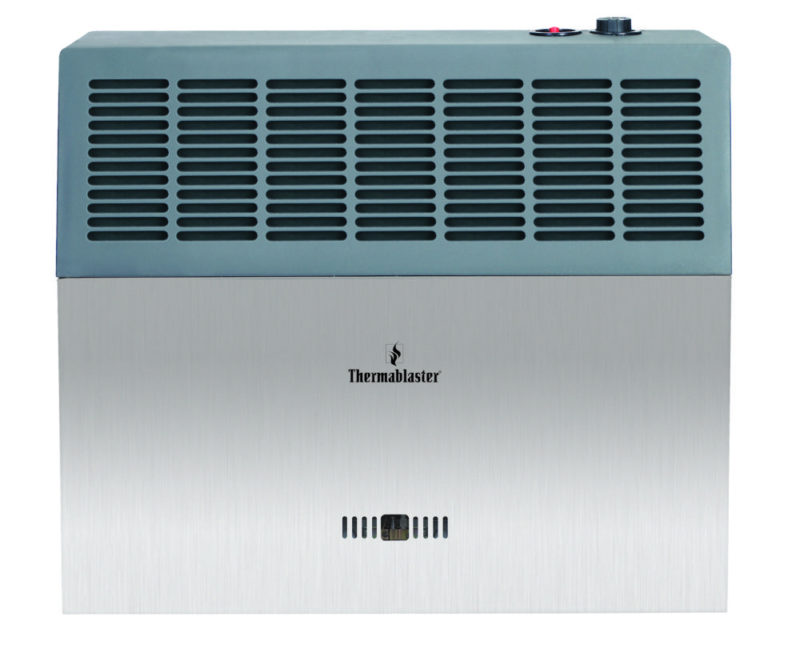
Gravity Direct Vent Wall Furnace

The HVAC landscape is constantly evolving, with efficiency and safety at the forefront of technological advancements. One system that offers a unique approach to heating is the Gravity Direct Vent Wall Furnace. While perhaps not as ubiquitous as forced-air systems, these furnaces play a crucial role in specific applications and understanding them is invaluable for anyone pursuing a career in HVAC.
What is a Gravity Direct Vent Wall Furnace?
Unlike forced-air furnaces that use a blower to circulate heated air, gravity direct vent wall furnaces rely on natural convection – the principle that warm air rises. These furnaces are typically mounted on an exterior wall and vent directly outside, eliminating the need for a chimney. The “gravity” aspect refers to the natural circulation of air within the heated space. Cooler air at floor level is drawn into the bottom of the furnace, heated by the burner, and then rises out of the top, creating a continuous cycle of warmth.
The “direct vent” design is critical. It means the furnace draws combustion air from outside and vents exhaust gases directly outside as well, creating a sealed combustion system. This minimizes the risk of carbon monoxide poisoning and improves efficiency compared to older, less sophisticated venting methods.
Applications and Advantages
Gravity direct vent wall furnaces are often found in:
- Older Homes: Where installing ductwork for a forced-air system is impractical or cost-prohibitive.
- Small Apartments and Condos: Providing efficient zone heating without extensive renovations.
- Additions and Garages: Supplementing existing heating systems or providing dedicated heat to isolated spaces.
- Cabins and Vacation Homes: Offering a reliable and relatively simple heating solution for intermittently occupied dwellings.
The advantages of these furnaces include:
- No Ductwork Required: Reduces installation costs and simplifies retrofits.
- Quiet Operation: Lacking a blower motor, they operate almost silently.
- Compact Design: Space-saving compared to traditional furnace systems.
- Sealed Combustion: Enhanced safety and improved energy efficiency.
- Relatively Simple Mechanics: Easier to diagnose and repair compared to more complex systems (once properly understood).
HVAC Career Paths and Gravity Direct Vent Wall Furnaces
Understanding gravity direct vent wall furnaces can open doors to several HVAC career paths:
Installation Technician
Installation technicians are responsible for properly installing these furnaces according to manufacturer specifications and local codes. This involves securing the unit to the wall, connecting gas lines, ensuring proper venting, and testing the system for safe and efficient operation. Job Outlook: The Bureau of Labor Statistics projects a 6% growth for HVAC mechanics and installers from 2022 to 2032, about as fast as the average for all occupations. This growth is fueled by new construction, renovation projects, and the increasing demand for energy-efficient heating and cooling systems. Median Salary: In May 2023, the median annual wage for HVAC mechanics and installers was $59,620.
Service and Repair Technician
Service and repair technicians diagnose and fix issues with existing gravity direct vent wall furnaces. This requires a thorough understanding of gas combustion, venting systems, and basic electrical components. They may troubleshoot problems such as pilot light issues, burner malfunctions, gas leaks, or venting obstructions. Example Career Path: An apprentice might start by assisting experienced technicians with routine maintenance and repairs. With experience and certifications, they can progress to independently diagnosing and repairing complex furnace problems. Many eventually specialize in a particular type of heating system, such as gas furnaces, heat pumps, or boilers.
HVAC System Designer
While less directly involved in installation and repair, HVAC system designers may specify gravity direct vent wall furnaces in certain applications. They need to understand the heating requirements of different spaces and select appropriate furnace sizes and venting configurations. This often requires knowledge of building codes, energy efficiency standards, and load calculation software.
Certifications and Training
Several certifications can enhance your skills and credibility in the HVAC field, particularly when working with gas-fired appliances like gravity direct vent wall furnaces:
- NATE (North American Technician Excellence): NATE offers certifications in various HVAC specialties, including gas heating. Achieving NATE certification demonstrates a high level of technical competence and can improve your earning potential.
- EPA Section 608 Certification: While not directly related to gravity furnaces, EPA 608 certification is required for technicians who handle refrigerants. This is essential for those working on heat pumps or air conditioning systems, and it's often a prerequisite for employment in the HVAC industry.
- Manufacturer-Specific Training: Many furnace manufacturers offer training programs on their specific products. Completing these programs can provide valuable insights into the installation, operation, and troubleshooting of their equipment.
- HVAC Trade Schools and Apprenticeships: Formal training programs at trade schools or through apprenticeships provide a comprehensive foundation in HVAC principles and practices. These programs typically cover topics such as heating systems, cooling systems, ventilation, and safety procedures.
- Gas Piping Certifications: Necessary to legally work on gas lines, codes vary by jurisdiction. Always verify licensing and certification requirements for your area.
Salary Expectations and Job Outlook
As mentioned earlier, the Bureau of Labor Statistics projects a positive job outlook for HVAC mechanics and installers. The demand for skilled technicians is driven by factors such as:
- New Construction: Population growth and economic development are driving the construction of new homes and commercial buildings, all of which require HVAC systems.
- Aging Infrastructure: Many existing HVAC systems are reaching the end of their lifespan and need to be replaced.
- Energy Efficiency: Increasing energy costs and environmental concerns are driving demand for energy-efficient HVAC systems, requiring skilled technicians to install and maintain them.
Experienced technicians with advanced certifications and specialized skills can command higher salaries. According to Payscale, the average hourly rate for an HVAC technician in the United States ranges from $18 to $35, depending on experience, location, and certifications.
The Future of Gravity Direct Vent Wall Furnaces
While not the newest technology, gravity direct vent wall furnaces will likely continue to serve niche applications. Their simplicity and reliability make them a cost-effective solution for specific heating needs. Improvements in efficiency and safety features will further enhance their appeal.
Furthermore, understanding the principles behind gravity-based heating systems provides a valuable foundation for working with more complex HVAC technologies. The ability to diagnose and repair these systems demonstrates a solid understanding of fundamental HVAC concepts.
Skills for Success
Regardless of the specific HVAC career path you choose, certain skills are essential for success:
- Technical Aptitude: A strong understanding of mechanical and electrical systems.
- Problem-Solving Skills: The ability to diagnose and troubleshoot complex problems.
- Attention to Detail: Ensuring that installations and repairs are done correctly and safely.
- Communication Skills: Effectively communicating with customers and colleagues.
- Physical Stamina: The ability to work in physically demanding environments.
For Employers
Hiring skilled HVAC technicians is crucial for providing quality service and maintaining customer satisfaction. When recruiting technicians, consider the following:
- Certifications: Look for candidates with relevant certifications such as NATE and EPA 608.
- Experience: Prior experience working with gas-fired appliances and venting systems is highly valuable.
- Technical Skills: Assess candidates' knowledge of HVAC principles, diagnostic techniques, and repair procedures.
- Soft Skills: Evaluate candidates' communication, problem-solving, and customer service skills.
- Training: Invest in ongoing training for your technicians to keep them up-to-date on the latest technologies and best practices. This could include manufacturer-specific training on gravity direct vent wall furnaces.
By investing in skilled technicians and providing them with the necessary resources and training, you can ensure that your company delivers exceptional HVAC services and maintains a competitive edge in the market.
In conclusion, the Gravity Direct Vent Wall Furnace, while a specific type of heating system, provides a valuable case study for understanding fundamental HVAC principles and potential career paths within the industry. By acquiring the necessary skills, certifications, and experience, you can build a successful and rewarding career in the dynamic world of HVAC.