Gravity Furnace Parts
Understanding your home's heating system is crucial for comfort and safety, especially if you have an older system like a gravity furnace. While less common now, gravity furnaces still exist in many older homes and understanding their components can help you troubleshoot minor issues and determine when professional help is necessary. This guide will walk you through the parts of a gravity furnace, common problems, and some basic troubleshooting tips.
Anatomy of a Gravity Furnace
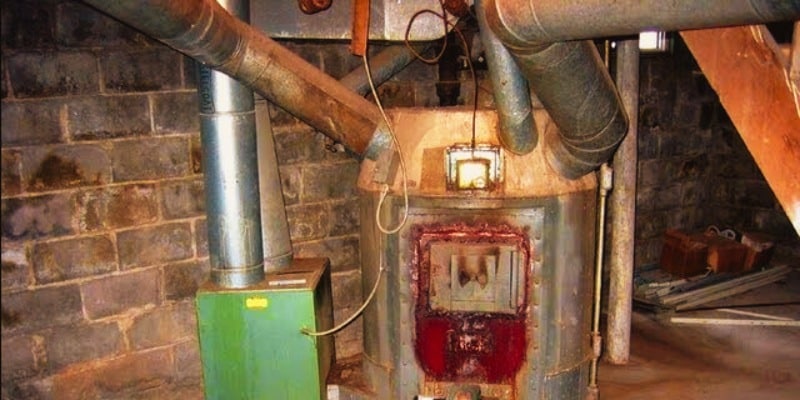
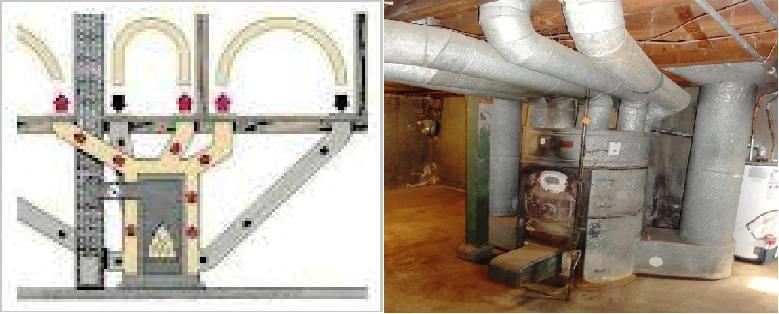
Gravity furnaces, unlike modern forced-air systems, rely on the natural convection of hot air to distribute heat throughout your home. This means they have fewer moving parts, but their size and design can make repairs challenging.
Core Components
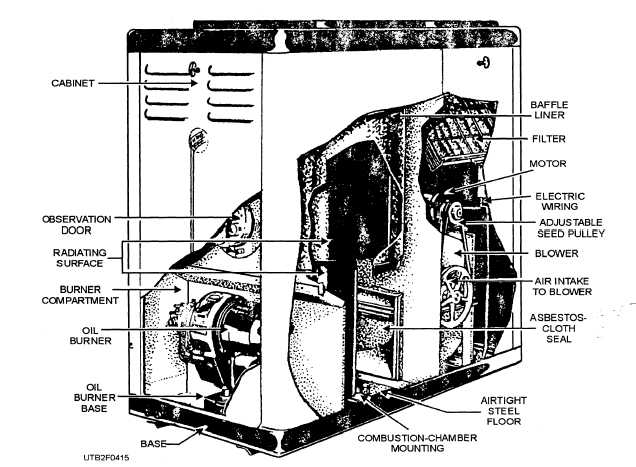
- Combustion Chamber: This is where the fuel (usually natural gas or propane) is burned to generate heat. The burner assembly is located within the combustion chamber.
- Heat Exchanger: The heated air from the combustion process passes around the heat exchanger, which is a large metal structure. This heats the air surrounding it.
- Radiator (Bonnet): The area directly above the heat exchanger is called the radiator or bonnet. This is where the heated air collects before rising into the ductwork.
- Draft Diverter: Located near the flue, the draft diverter helps regulate airflow through the furnace, ensuring proper combustion and preventing backdrafts.
- Flue Pipe: This pipe vents the exhaust gases from the combustion process safely outside your home.
- Ductwork: Large, typically round, ducts extend upwards from the bonnet, carrying the heated air to different rooms. Return air ducts are located low, near the floor.
- Pilot Light Assembly (or Igniter): Older furnaces use a pilot light to ignite the main burner. Newer models may use an electronic igniter.
- Thermocouple (or Flame Sensor): This safety device detects the presence of the pilot light (or flame from the burner) and allows the gas valve to remain open.
- Gas Valve: Controls the flow of gas to the burner.
- Limit Switch: A crucial safety device that shuts off the furnace if it overheats.
- Main Burner: Where the fuel is combusted for heat.
Essential Tools for DIY Troubleshooting
Before attempting any repairs, gather these essential tools:
- Screwdrivers (Phillips and flathead)
- Wrench set
- Multimeter
- Voltage tester
- Flashlight or headlamp
- Work gloves
- Safety glasses
- Combustion Leak Detector (optional, but recommended for safety)
- Vacuum cleaner or brush for cleaning
Safety First! Always turn off the power to the furnace at the breaker before starting any work. If you smell gas, immediately evacuate the house and call your gas company.
Common Gravity Furnace Problems and Solutions
Gravity furnaces, due to their age and design, are prone to specific issues. Here are some common problems and potential solutions:
1. Furnace Not Lighting
Possible Causes:
- Pilot Light Out: This is the most common issue.
- Thermocouple Failure: If the pilot light goes out immediately after you release the pilot button, the thermocouple may be faulty.
- Gas Valve Problems: A faulty gas valve may not be opening, preventing gas from reaching the burner.
- Clogged Pilot Orifice: A dirty pilot orifice can prevent the pilot light from staying lit.
- Draft Issues: Excessive drafts can blow out the pilot light.
Troubleshooting Steps:
- Check the Gas Supply: Ensure the gas valve to the furnace is turned on.
- Relight the Pilot Light: Follow the instructions on the furnace. Make sure to hold the pilot button down long enough for the thermocouple to heat up.
- Clean the Pilot Orifice: Use a small wire or needle to carefully clean the pilot orifice.
- Test the Thermocouple: Use a multimeter to test the thermocouple's output voltage. If it's low, replace it.
- Inspect the Draft Diverter: Make sure the draft diverter is free from obstructions.
When to Call a Professional: If you suspect a gas valve problem or are uncomfortable working with gas lines, call a qualified HVAC technician immediately.
2. Furnace Not Producing Enough Heat
Possible Causes:
- Dirty Burners: Dust and debris can clog the burners, reducing their efficiency.
- Restricted Airflow: Blocked or collapsed ducts can restrict airflow, preventing heat from reaching the rooms.
- Heat Exchanger Issues: Cracks or corrosion in the heat exchanger can reduce its efficiency and pose a safety hazard.
- Improper Venting: A blocked or damaged flue can prevent proper venting, leading to incomplete combustion and reduced heat output.
Troubleshooting Steps:
- Clean the Burners: Use a brush or vacuum cleaner to remove dust and debris from the burners.
- Inspect the Ductwork: Look for any obstructions or collapsed sections in the ductwork. Repair or replace damaged sections.
- Check the Flue Pipe: Ensure the flue pipe is clear and properly connected.
When to Call a Professional: If you suspect a heat exchanger issue or improper venting, call a qualified HVAC technician immediately. Heat exchanger problems can lead to carbon monoxide poisoning.
3. Furnace Overheating
Possible Causes:
- Faulty Limit Switch: A malfunctioning limit switch may not be shutting off the furnace when it overheats.
- Restricted Airflow: Blocked return air ducts can cause the furnace to overheat.
- Dirty Burners: Over time, dirty burners will cause an excessive amount of heat.
Troubleshooting Steps:
- Check Return Air Ducts: Ensure the return air ducts are clear and unobstructed.
- Test the Limit Switch: Use a multimeter to test the limit switch. If it's faulty, replace it.
When to Call a Professional: If you suspect a faulty limit switch and are uncomfortable working with electrical components, call a qualified HVAC technician.
4. Unusual Noises
Gravity furnaces are typically quiet, so any unusual noises should be investigated.
Possible Causes:
- Rattling: Loose ductwork or components.
- Popping: Expansion and contraction of the metal components.
- Hissing: Possible gas leak (immediately evacuate and call the gas company).
Troubleshooting Steps:
- Inspect for Loose Components: Tighten any loose screws or bolts.
- Check Ductwork Connections: Ensure all ductwork connections are secure.
When to Call a Professional: If you hear a hissing sound or suspect a gas leak, evacuate the house immediately and call the gas company. Any persistent unusual noises should be investigated by a qualified HVAC technician.
Safety Precautions
- Carbon Monoxide: Gravity furnaces, especially older models, can produce carbon monoxide if not properly maintained. Install carbon monoxide detectors on every level of your home and check them regularly.
- Gas Leaks: If you smell gas, evacuate the house immediately and call your gas company.
- Electrical Safety: Always turn off the power to the furnace at the breaker before starting any work.
- Professional Help: When in doubt, call a qualified HVAC technician. Working with gas and electrical systems can be dangerous.
Estimating Repair Costs
Repair costs for gravity furnaces can vary depending on the problem and the cost of parts. Here are some general estimates:
- Thermocouple Replacement: $50 - $150
- Limit Switch Replacement: $80 - $200
- Gas Valve Replacement: $200 - $500
- Pilot Light Assembly Replacement: $100 - $300
- Heat Exchanger Repair/Replacement: This is a major repair and can cost $1000 or more. In many cases, replacing the furnace is more cost-effective.
- Service Call Fee: $75 - $150 (for a technician to diagnose the problem)
Note: These are just estimates. The actual cost may vary depending on your location and the complexity of the repair.
When to Consider Replacing a Gravity Furnace
While gravity furnaces can be reliable, they are also inefficient and potentially unsafe compared to modern systems. Consider replacing your gravity furnace if:
- It's over 20 years old.
- It requires frequent repairs.
- Your energy bills are high.
- You suspect a heat exchanger issue.
- You're concerned about safety.
Replacing a gravity furnace with a modern high-efficiency furnace can save you money on energy bills and improve your home's comfort and safety. Consult with a qualified HVAC contractor to determine the best option for your home.
By understanding the parts of your gravity furnace, common problems, and safety precautions, you can troubleshoot minor issues and make informed decisions about its maintenance and repair. Remember, when in doubt, always call a qualified HVAC professional.