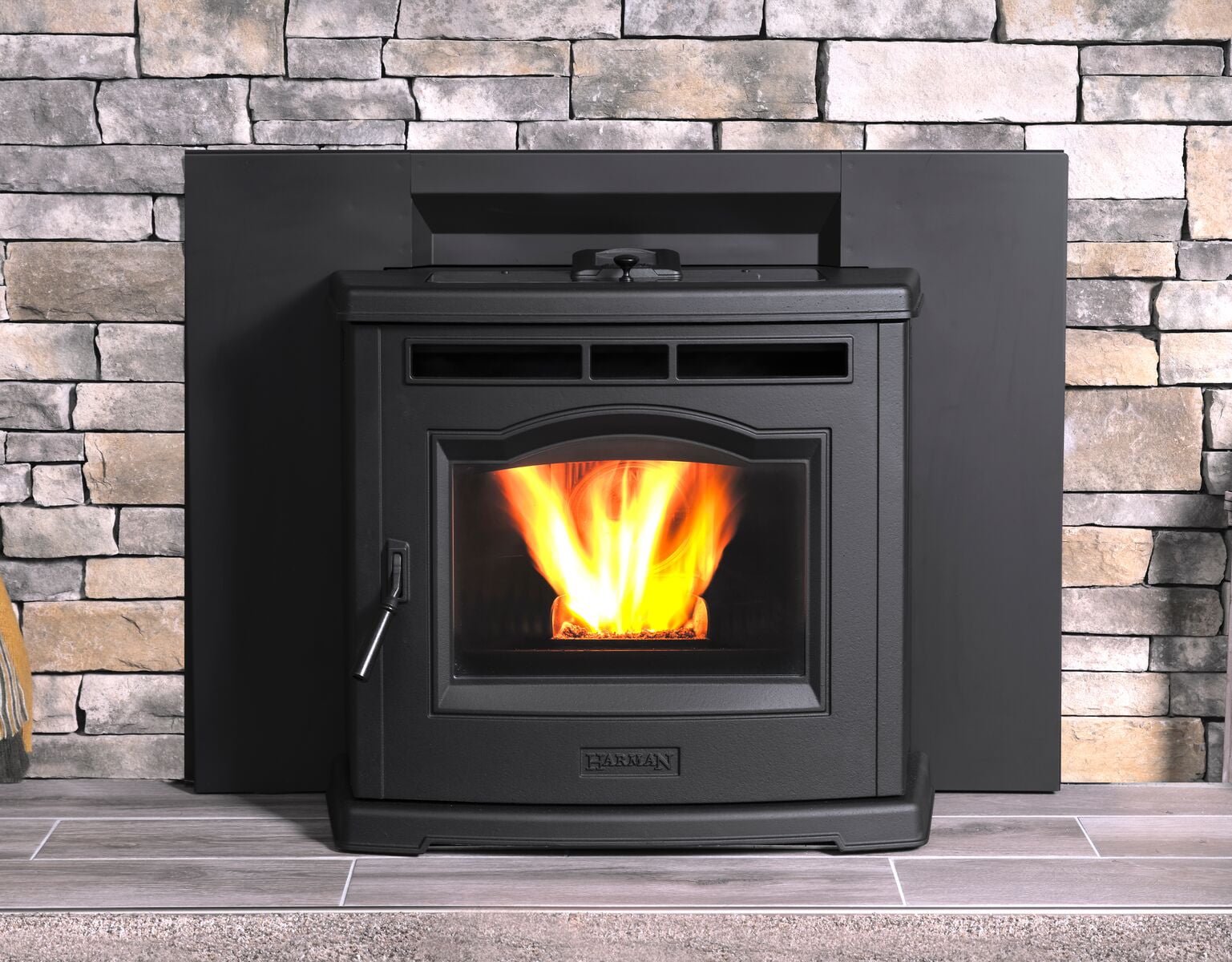
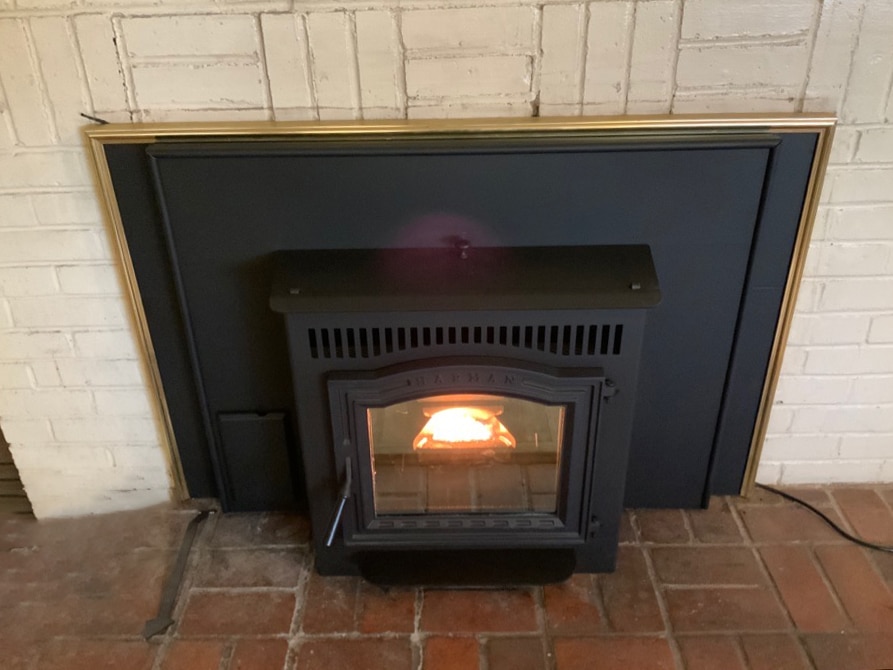
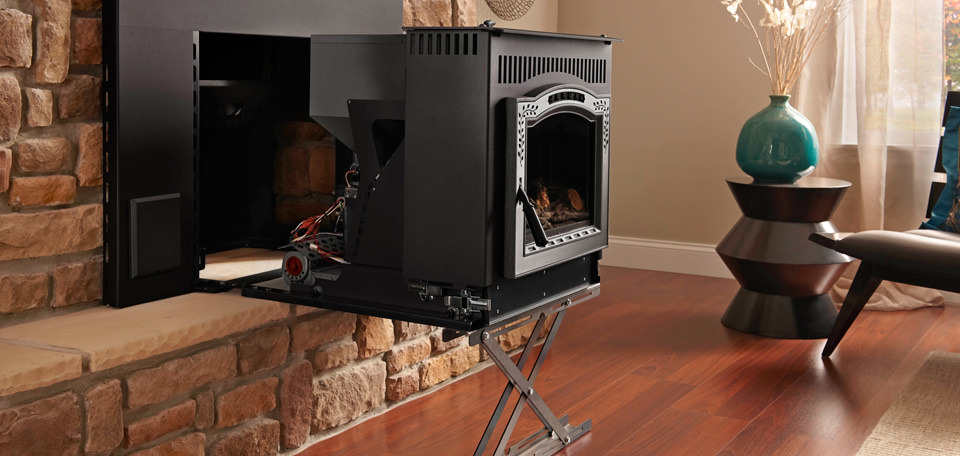
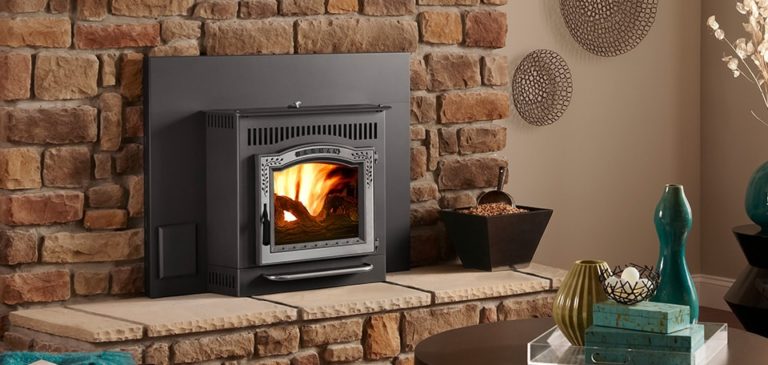
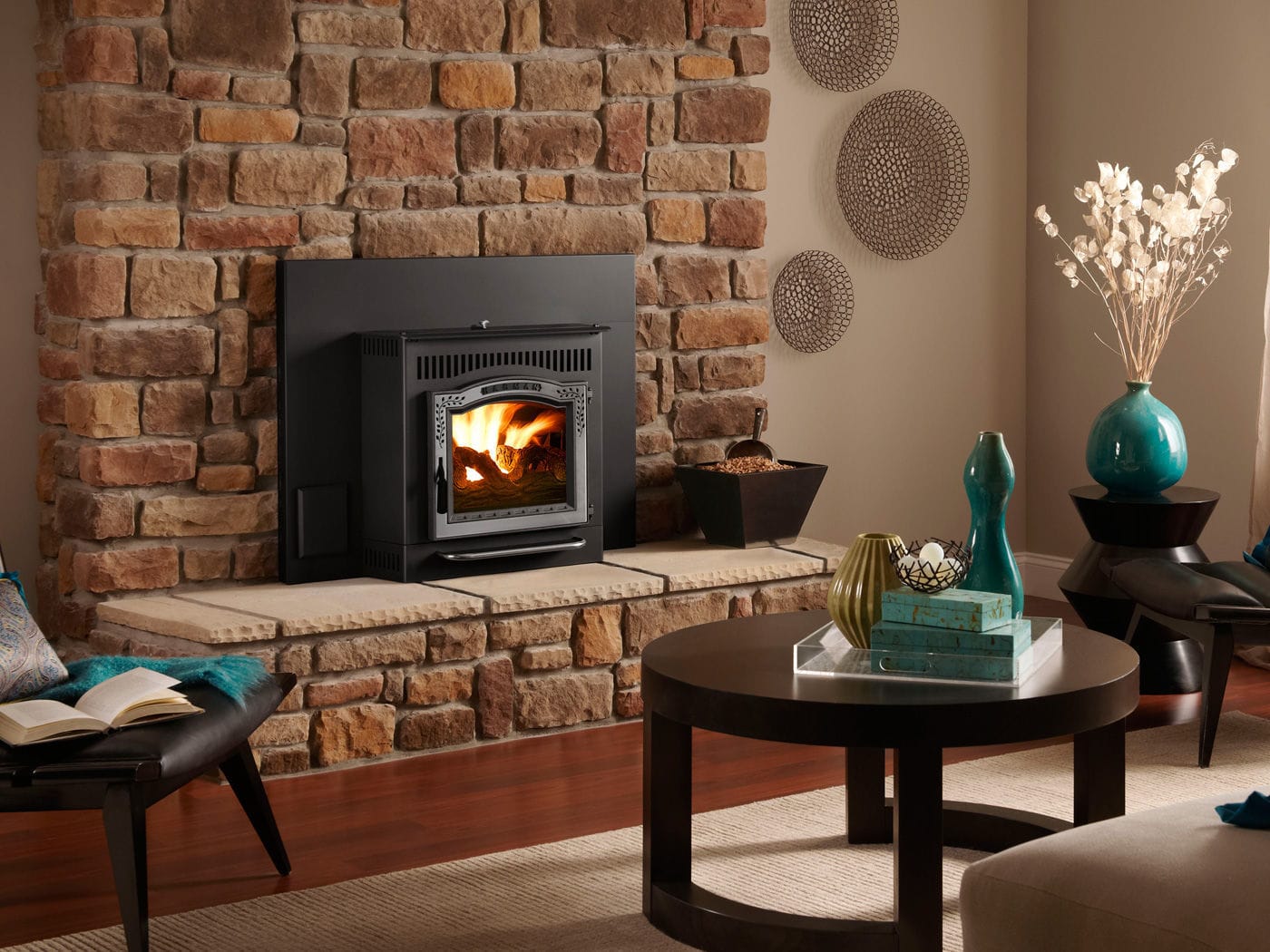
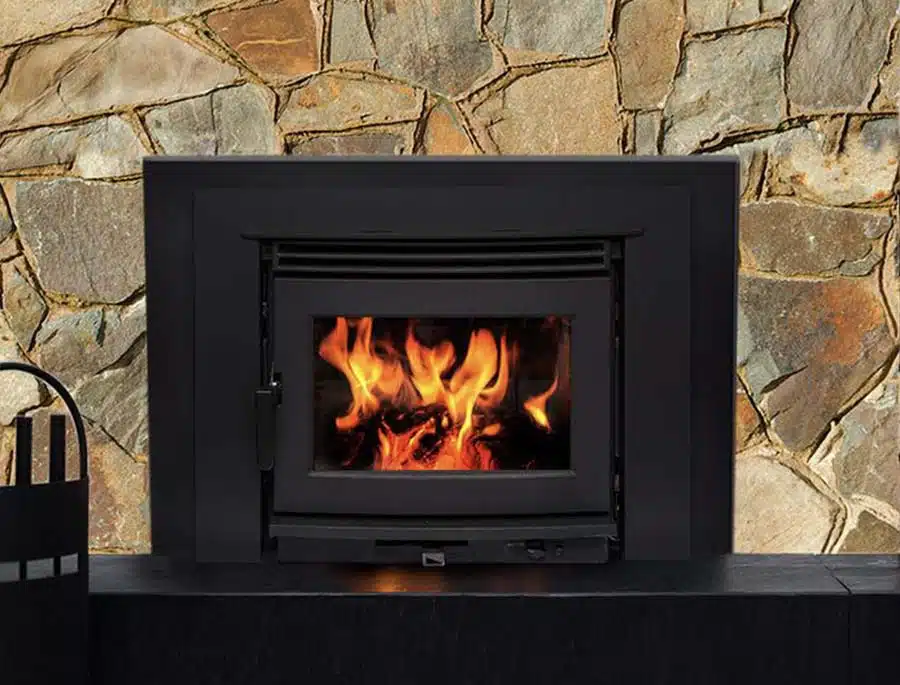
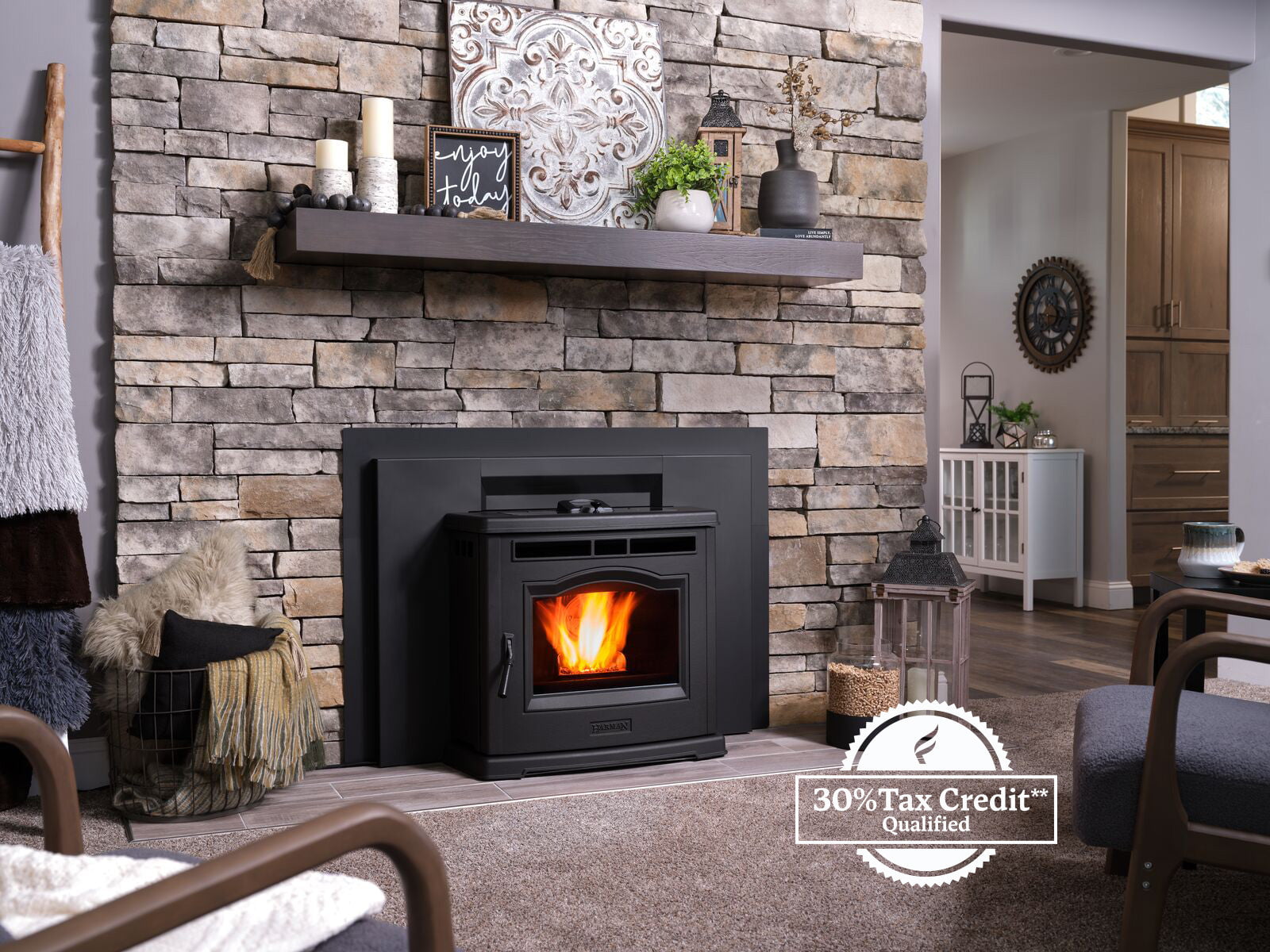
Harmon Pellet Stove Insert

Owning a Harman pellet stove insert is a fantastic way to add supplemental heat and charm to your home. However, like any appliance, they can sometimes experience issues. One of the most common problems homeowners face is a stove that isn't feeding pellets properly, resulting in a weak or nonexistent flame. This guide will walk you through diagnosing and attempting some simple fixes before calling a professional.
Step 1: Safety First!
Before you begin any troubleshooting, it's absolutely crucial to ensure the stove is completely turned off and has cooled down. Unplug the power cord from the outlet to prevent accidental restarts. This is for your safety and the integrity of the stove. Let the stove cool down for at least 30 minutes, if not longer. Avoid touching any hot parts. Wear gloves if necessary.
Step 2: Check the Hopper
The first and simplest thing to check is the pellet hopper. Is it completely empty? Even a seemingly small amount of pellets might be insufficient for consistent feeding.
- Solution: Fill the hopper with quality pellets. Make sure the pellets are dry and not excessively dusty. Wet or excessively dusty pellets can clog the auger.
Also, inspect the hopper for any foreign objects that might be blocking the flow of pellets. Things like wood chips, plastic pieces, or even stray screws can cause problems.
- Solution: Carefully remove any foreign objects from the hopper. Use a small scoop or your hands (with gloves) to clear the area around the auger opening.
Step 3: Inspect the Auger
The auger is the screw-like mechanism that feeds pellets from the hopper into the burn pot. If it's blocked, your stove won't get enough fuel.
Visual Inspection
(A) Auger Motor Inspection: If you have access to the auger motor (usually located at the bottom or back of the stove), look at it while turning the stove on briefly (just long enough to initiate the feed cycle – immediately turn it off if nothing happens). Is the motor running, but the auger isn't turning? This suggests a problem with the connection between the motor and the auger itself – a broken shear pin or a stripped coupling.
- Professional Intervention Required: This typically requires a professional to diagnose and replace the faulty part. Do not attempt to disassemble the auger motor without proper training.
(B) Auger Tube Inspection: Look into the auger tube (where the pellets are fed from). Use a flashlight to inspect for visible blockages. You might see a clump of compacted pellets or debris.
- DIY Solution (Proceed with Caution): If you can see a blockage, you can try to dislodge it. Ensure the stove is unplugged! Use a sturdy wire or a small, flexible brush to gently push the blockage back into the hopper. Do not use excessive force, as you could damage the auger. Vacuum out any dislodged debris.
Auger Clean-Out (If Applicable)
Some Harman pellet stove inserts have an auger clean-out feature. Consult your owner's manual for specific instructions. This usually involves removing a panel or access plate to directly access the auger.
- DIY Solution (Follow Manual Instructions): Carefully follow the instructions in your owner's manual to access and clean the auger. This may involve using a specialized tool or wrench. Take pictures as you disassemble to help with reassembly. Thoroughly clean the auger and the surrounding area, removing any debris or compacted pellets.
After cleaning, reassemble everything carefully, ensuring all parts are properly aligned and secured.
Step 4: Check the Burn Pot
The burn pot is where the pellets are ignited. A clogged burn pot can prevent proper combustion.
Remove the burn pot (after it has cooled completely). Harman stoves usually have an easy-to-remove burn pot. Refer to your owner's manual for specific instructions.
- DIY Solution: Empty the burn pot of all ash and unburned pellets. Use a wire brush or scraper to remove any hardened deposits from the sides and bottom of the pot. Ensure the air holes in the burn pot are clear and unobstructed. Use a small drill bit or wire to carefully clean each hole. Vacuum out any remaining debris.
Reinstall the burn pot securely.
Step 5: Inspect the Air Intake and Exhaust Vents
Proper airflow is essential for pellet stove operation. Blocked air intakes or exhaust vents can cause poor combustion and feeding problems.
Check the air intake vent: This is usually located at the back or side of the stove. Ensure it's not blocked by dust, debris, or furniture.
- DIY Solution: Vacuum the air intake vent thoroughly. Move any obstructions away from the vent.
Check the exhaust vent (exterior): This is the vent that expels exhaust gases outside your home. Look for any signs of blockage, such as bird nests, leaves, or snow.
- DIY Solution (If Accessible and Safe): If you can safely reach the exhaust vent, remove any visible obstructions. Use a broom or brush to clear the vent opening. If the vent is high up or difficult to access safely, do not attempt to clean it yourself.
Important Note: For a thorough exhaust vent cleaning, especially if you suspect a significant blockage deep within the vent pipe, it's best to call a professional chimney sweep. They have the tools and expertise to safely and effectively clean the entire vent system.
Step 6: Check the Igniter
The igniter is responsible for starting the fire. If it's faulty, the pellets won't ignite, even if they're being fed properly.
Observe the igniter during the start-up cycle: When you turn on the stove, the igniter should glow red hot. You might be able to see this through the burn pot or a viewing window (check your owner's manual).
- If the igniter doesn't glow: This strongly suggests a faulty igniter.
- Professional Intervention Required: Replacing an igniter typically requires some electrical knowledge and the ability to safely access the stove's internal components. It's best to have a qualified technician perform this repair.
Step 7: Check the Vacuum Switch/Pressure Sensor
Harman pellet stoves use a vacuum switch or pressure sensor to monitor the draft and ensure safe operation. If this switch malfunctions, it can prevent the auger from feeding pellets.
Understanding the Role: The vacuum switch (or pressure sensor) detects the negative pressure created by the exhaust fan. If the draft is insufficient (due to a blocked vent or other issue), the switch won't activate, and the stove will shut down or prevent the auger from feeding.
Listen for the exhaust fan: When you start the stove, listen carefully for the exhaust fan. It should start running almost immediately.
- If the exhaust fan doesn't run: This could indicate a problem with the fan itself or the vacuum switch.
Important Note: Diagnosing and testing the vacuum switch requires specialized tools and knowledge of electrical circuits. It's highly recommended to contact a professional technician for this type of troubleshooting.
Step 8: Check the Control Board
The control board is the "brain" of the pellet stove, controlling all its functions. A faulty control board can cause a wide range of problems, including improper pellet feeding.
Look for error codes: Many Harman pellet stoves have a display that shows error codes. Consult your owner's manual to understand the meaning of any error codes you see.
Important Note: Troubleshooting the control board is complex and often requires specialized diagnostic tools. Unless you have extensive experience with electronics and pellet stove repair, it's best to leave this to a professional.
When to Call a Professional
While many pellet stove problems can be resolved with simple DIY troubleshooting, there are certain situations where professional intervention is essential:
- If you're uncomfortable working with electricity or gas.
- If you suspect a problem with the control board or vacuum switch.
- If the auger motor is running but the auger isn't turning.
- If the igniter isn't working.
- If you can't safely access or clean the exhaust vent.
- If you've tried all the DIY solutions and the problem persists.
- If you smell gas or smoke inside your home. Turn off the stove immediately and call a professional.
Remember: Regular maintenance is key to preventing pellet stove problems. Clean your stove regularly, use quality pellets, and schedule annual professional inspections to ensure it's operating safely and efficiently. Consulting your owner's manual is always the best first step.
By following these steps, you can often diagnose and resolve common pellet stove feeding issues. Always prioritize safety and don't hesitate to call a professional when needed. Enjoy the warmth and comfort of your Harman pellet stove!